
-
×
 The Naked Eye: Raw Data Analytics with Edgar Torres - Raw Data Analytics
1 × $8.00
The Naked Eye: Raw Data Analytics with Edgar Torres - Raw Data Analytics
1 × $8.00 -
×
 High Probability Trading Using Elliott Wave And Fibonacci Analysis withVic Patel - Forex Training Group
1 × $10.00
High Probability Trading Using Elliott Wave And Fibonacci Analysis withVic Patel - Forex Training Group
1 × $10.00 -
×
 The Indices Orderflow Masterclass with The Forex Scalpers
1 × $23.00
The Indices Orderflow Masterclass with The Forex Scalpers
1 × $23.00 -
×
 $20 – 52k 20 pips a day challange with Rafał Zuchowicz - TopMasterTrader
1 × $5.00
$20 – 52k 20 pips a day challange with Rafał Zuchowicz - TopMasterTrader
1 × $5.00 -
×
 Options Trading & Ultimate MasterClass With Tyrone Abela - FX Evolution
1 × $54.00
Options Trading & Ultimate MasterClass With Tyrone Abela - FX Evolution
1 × $54.00 -
×
 Deep Dive Butterfly Trading Strategy Class with SJG Trades
1 × $41.00
Deep Dive Butterfly Trading Strategy Class with SJG Trades
1 × $41.00 -
×
 Essentials in Quantitative Trading QT01 By HangukQuant's
1 × $23.00
Essentials in Quantitative Trading QT01 By HangukQuant's
1 × $23.00 -
×
 SQX Mentorship with Tip Toe Hippo
1 × $23.00
SQX Mentorship with Tip Toe Hippo
1 × $23.00 -
×
 ICT Prodigy Trading Course – $650K in Payouts with Alex Solignani
1 × $15.00
ICT Prodigy Trading Course – $650K in Payouts with Alex Solignani
1 × $15.00 -
×
 AI For Traders with Trading Markets
1 × $31.00
AI For Traders with Trading Markets
1 × $31.00 -
×
 Quantamentals - The Next Great Forefront Of Trading and Investing with Trading Markets
1 × $8.00
Quantamentals - The Next Great Forefront Of Trading and Investing with Trading Markets
1 × $8.00 -
×
 Forecast 2024 Clarification with Larry Williams
1 × $15.00
Forecast 2024 Clarification with Larry Williams
1 × $15.00 -
×
 Butterfly and Condor Workshop with Aeromir
1 × $15.00
Butterfly and Condor Workshop with Aeromir
1 × $15.00 -
×
 Home Run Options Trading Course with Dave Aquino - Base Camp Trading
1 × $11.00
Home Run Options Trading Course with Dave Aquino - Base Camp Trading
1 × $11.00 -
×
 Compass Trading System with Right Line Trading
1 × $39.00
Compass Trading System with Right Line Trading
1 × $39.00 -
×
 Finserv Corp Complete Course
1 × $4.00
Finserv Corp Complete Course
1 × $4.00 -
×
 The Best Option Trading Course with David Jaffee - Best Stock Strategy
1 × $15.00
The Best Option Trading Course with David Jaffee - Best Stock Strategy
1 × $15.00 -
×
 Best of the Best: Collars with Amy Meissner & Scott Ruble
1 × $15.00
Best of the Best: Collars with Amy Meissner & Scott Ruble
1 × $15.00 -
×
 Order flow self-study training program with iMFtracker
1 × $10.00
Order flow self-study training program with iMFtracker
1 × $10.00 -
×
 Algo Trading Masterclass with Ali Casey - StatOasis
1 × $23.00
Algo Trading Masterclass with Ali Casey - StatOasis
1 × $23.00 -
×
 7 Things You MUST Know about Forex Candlesticks
1 × $4.00
7 Things You MUST Know about Forex Candlesticks
1 × $4.00 -
×
 A Complete Guide to the Futures Market: Technical Analysis, Trading Systems, Fundamental Analysis, Options, Spreads, and Trading Principles (Wiley Trading) 2nd Edition - Jack Schwager
1 × $6.00
A Complete Guide to the Futures Market: Technical Analysis, Trading Systems, Fundamental Analysis, Options, Spreads, and Trading Principles (Wiley Trading) 2nd Edition - Jack Schwager
1 × $6.00 -
×
 Ultimate Trading Course with Dodgy's Dungeon
1 × $8.00
Ultimate Trading Course with Dodgy's Dungeon
1 × $8.00 -
×
 White Phoenix’s The Smart (Money) Approach to Trading with Jayson Casper
1 × $39.00
White Phoenix’s The Smart (Money) Approach to Trading with Jayson Casper
1 × $39.00 -
×
 Trading Short TermSame Day Trades Sep 2023 with Dan Sheridan & Mark Fenton - Sheridan Options Mentoring
1 × $31.00
Trading Short TermSame Day Trades Sep 2023 with Dan Sheridan & Mark Fenton - Sheridan Options Mentoring
1 × $31.00 -
×
 How To Read The Market Professionally with TradeSmart
1 × $27.00
How To Read The Market Professionally with TradeSmart
1 × $27.00 -
×
 Guidelines for Analysis and Establishing a Trading Plan with Charles Drummond
1 × $6.00
Guidelines for Analysis and Establishing a Trading Plan with Charles Drummond
1 × $6.00 -
×
 The Prop Trading Code with Brannigan Barrett - Axia Futures
1 × $23.00
The Prop Trading Code with Brannigan Barrett - Axia Futures
1 × $23.00 -
×
 Secrets to Picking Small Cap Winners with Gareth Soloway - InTheMoneyStocks
1 × $116.00
Secrets to Picking Small Cap Winners with Gareth Soloway - InTheMoneyStocks
1 × $116.00 -
×
 The Orderflow Masterclass with PrimeTrading
1 × $17.00
The Orderflow Masterclass with PrimeTrading
1 × $17.00 -
×
 Price Action Forex Trading Strategies Training Course & Members Videos with Nial Fuller
1 × $28.00
Price Action Forex Trading Strategies Training Course & Members Videos with Nial Fuller
1 × $28.00 -
×
 Russell Futures Scalping Course with Bill McDowell
1 × $6.00
Russell Futures Scalping Course with Bill McDowell
1 × $6.00 -
×
 WondaFX Signature Strategy with WondaFX
1 × $5.00
WondaFX Signature Strategy with WondaFX
1 × $5.00 -
×
 Pivotboss Masters - Become Elite
1 × $5.00
Pivotboss Masters - Become Elite
1 × $5.00 -
×
 Bond Market Course with The Macro Compass
1 × $15.00
Bond Market Course with The Macro Compass
1 × $15.00 -
×
 10x Trade Formula Master Collection
1 × $54.00
10x Trade Formula Master Collection
1 × $54.00 -
×
 Royal Exchange Forex with Jan Teslar
1 × $6.00
Royal Exchange Forex with Jan Teslar
1 × $6.00 -
×
 TradeCraft: Your Path to Peak Performance Trading By Adam Grimes
1 × $15.00
TradeCraft: Your Path to Peak Performance Trading By Adam Grimes
1 × $15.00 -
×
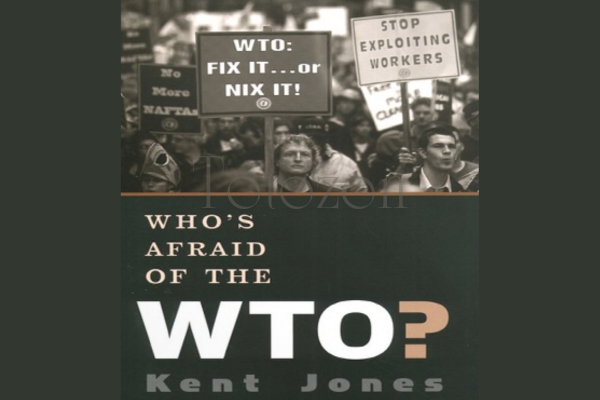 Who is Afraid of Word Trade Organization with Kent Jones
1 × $6.00
Who is Afraid of Word Trade Organization with Kent Jones
1 × $6.00 -
×
 The Complete Guide to Multiple Time Frame Analysis & Reading Price Action with Aiman Almansoori
1 × $13.00
The Complete Guide to Multiple Time Frame Analysis & Reading Price Action with Aiman Almansoori
1 × $13.00 -
×
 “The Beast” Automated Trading System V2 (Feb 2015)
1 × $15.00
“The Beast” Automated Trading System V2 (Feb 2015)
1 × $15.00 -
×
 The Trading Blueprint with Brad Goh - The Trading Geek
1 × $5.00
The Trading Blueprint with Brad Goh - The Trading Geek
1 × $5.00 -
×
 0 DTE Options Trading Workshop with Aeromir Corporation
1 × $15.00
0 DTE Options Trading Workshop with Aeromir Corporation
1 × $15.00 -
×
 Sacredscience - W.T.Foster – Sunspots and Weather
1 × $6.00
Sacredscience - W.T.Foster – Sunspots and Weather
1 × $6.00 -
×
 Advanced Spread Trading with Guy Bower - MasterClass Trader
1 × $15.00
Advanced Spread Trading with Guy Bower - MasterClass Trader
1 × $15.00 -
×
 2016 Chicago Annual Options Seminar with Dan Sheridan
1 × $23.00
2016 Chicago Annual Options Seminar with Dan Sheridan
1 × $23.00 -
×
 Matrix Spread Options Trading Course with Base Camp Trading
1 × $31.00
Matrix Spread Options Trading Course with Base Camp Trading
1 × $31.00 -
×
 The A14 Weekly Option Strategy Workshop with Amy Meissner
1 × $23.00
The A14 Weekly Option Strategy Workshop with Amy Meissner
1 × $23.00 -
×
 ”Trading With The Generals 2003-2004” Training Course with Kevin Haggerty
1 × $6.00
”Trading With The Generals 2003-2004” Training Course with Kevin Haggerty
1 × $6.00 -
×
 Crypto Trading Academy with Cheeky Investor - Aussie Day Trader
1 × $13.00
Crypto Trading Academy with Cheeky Investor - Aussie Day Trader
1 × $13.00 -
×
 The Orderflows Trade Opportunities Encyclopedia with Michael Valtos
1 × $8.00
The Orderflows Trade Opportunities Encyclopedia with Michael Valtos
1 × $8.00 -
×
 TRADING NFX Course with Andrew NFX
1 × $5.00
TRADING NFX Course with Andrew NFX
1 × $5.00 -
×
 FX Pips Predator
1 × $54.00
FX Pips Predator
1 × $54.00 -
×
 Crystal Ball Pack PLUS bonus Live Trade By Pat Mitchell - Trick Trades
1 × $20.00
Crystal Ball Pack PLUS bonus Live Trade By Pat Mitchell - Trick Trades
1 × $20.00
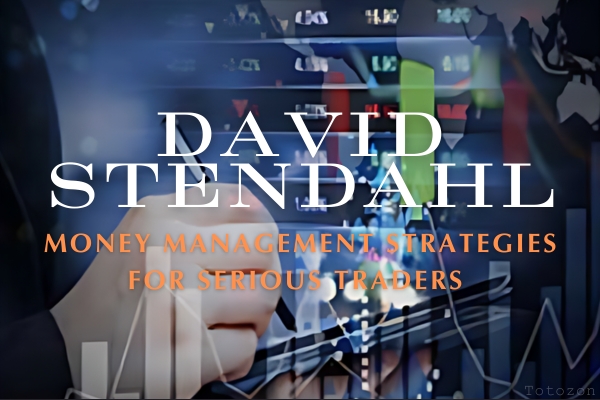
Money Management Strategies for Serious Traders with David Stendahl
$6.00
File Size: Coming soon!
Delivery Time: 1–12 hours
Media Type: Online Course
Content Proof: Watch Here!
You may check content proof of “Money Management Strategies for Serious Traders with David Stendahl” below:

Money Management Strategies for Serious Traders with David Stendahl
Money management is a critical aspect of trading that can significantly impact a trader’s success. David Stendahl, a renowned expert in trading strategies and risk management, provides valuable insights into effective money management techniques. In this article, we will explore Stendahl’s strategies and how they can help serious traders enhance their trading performance.
Introduction to Money Management
What is Money Management?
Money management involves the process of managing risk, capital allocation, and position sizing to maximize returns and minimize losses. It is an essential component of a successful trading plan.
Who is David Stendahl?
David Stendahl is a well-respected figure in the trading community, known for his expertise in developing and implementing robust trading strategies. His focus on money management has helped many traders achieve consistent profitability.
Core Principles of Money Management
1. Risk Management
Understanding Risk
Effective money management begins with understanding the risks involved in trading. This includes market risk, liquidity risk, and systemic risk.
Risk Per Trade
Stendahl recommends limiting the risk per trade to a small percentage of the trading capital, typically 1-2%. This helps prevent significant losses from any single trade.
2. Position Sizing
Determining Position Size
Position sizing involves calculating the number of units to trade based on the risk per trade and the distance to the stop-loss level. This ensures that the potential loss on any trade remains within acceptable limits.
Fixed Fractional Method
The fixed fractional method is a popular position sizing technique where a fixed percentage of the trading capital is allocated to each trade.
3. Diversification
Spreading Risk
Diversification involves spreading investments across different asset classes, sectors, and instruments to reduce overall risk. This helps mitigate the impact of adverse movements in any single market.
4. Stop-Loss Orders
Setting Stop-Loss Levels
Stop-loss orders are critical for managing risk. Stendahl advises setting stop-loss levels based on technical analysis and market conditions to protect against significant losses.
Trailing Stops
Trailing stops adjust the stop-loss level as the market moves in favor of the trade, locking in profits and reducing risk.
David Stendahl’s Money Management Strategies
1. The Core-Satellite Approach
Core Investments
The core-satellite approach involves building a core portfolio of stable, long-term investments. This core provides a solid foundation for the overall portfolio.
Satellite Investments
Satellite investments are smaller, more aggressive trades that aim to capture additional returns. These can include short-term trades, options, or leveraged positions.
2. The Kelly Criterion
Calculating the Kelly Percentage
The Kelly Criterion is a formula used to determine the optimal size of a series of bets. It maximizes long-term growth by balancing risk and reward.
Applying the Kelly Criterion
Stendahl emphasizes using the Kelly Criterion to adjust position sizes based on the probability of success and potential payoff of each trade.
3. Volatility-Based Position Sizing
Adapting to Market Conditions
Volatility-based position sizing adjusts the size of trades based on market volatility. In more volatile markets, position sizes are reduced to manage risk.
ATR Indicator
The Average True Range (ATR) is a popular tool for measuring market volatility and adjusting position sizes accordingly.
Implementing Money Management Strategies
1. Developing a Trading Plan
Defining Objectives
A comprehensive trading plan includes clear objectives, risk tolerance, and money management rules.
2. Backtesting Strategies
Historical Testing
Backtesting involves testing trading strategies on historical data to evaluate their effectiveness and refine money management rules.
3. Real-Time Monitoring
Continuous Evaluation
Regularly monitor and evaluate the performance of trading strategies and money management techniques in real-time market conditions.
4. Adjusting Strategies
Flexibility and Adaptation
Be prepared to adjust money management strategies based on changing market conditions and personal trading performance.
Common Challenges and Solutions
1. Overtrading
Maintaining Discipline
Overtrading can lead to excessive losses. Stendahl advises maintaining discipline and sticking to the trading plan.
2. Emotional Decision-Making
Staying Rational
Emotional decision-making can undermine effective money management. Use predefined rules and strategies to make rational trading decisions.
3. Ignoring Market Conditions
Adapting to Changes
Ignoring market conditions can lead to significant losses. Regularly update your trading plan and money management strategies based on current market analysis.
Advanced Money Management Techniques
1. Dynamic Position Sizing
Adapting to Performance
Dynamic position sizing involves adjusting trade sizes based on recent trading performance, increasing sizes after winning streaks and reducing them after losing streaks.
2. Risk Parity
Balancing Risk Across Assets
Risk parity aims to balance risk across different assets in a portfolio, ensuring no single asset class dominates the risk profile.
3. Monte Carlo Simulation
Stress Testing Strategies
Monte Carlo simulation is used to stress test trading strategies by simulating a wide range of possible market conditions and outcomes.
Conclusion
Money management is a fundamental aspect of successful trading. David Stendahl’s strategies provide a structured approach to managing risk, optimizing position sizes, and achieving consistent profitability. By incorporating these techniques into your trading plan, you can enhance your trading performance and better navigate the complexities of the financial markets.
FAQs
1. What is money management in trading?
Money management involves managing risk, capital allocation, and position sizing to maximize returns and minimize losses in trading.
2. Who is David Stendahl?
David Stendahl is a renowned trading expert known for his expertise in developing and implementing robust trading strategies and money management techniques.
3. What is the fixed fractional method?
The fixed fractional method is a position sizing technique where a fixed percentage of trading capital is allocated to each trade to manage risk.
4. How does the Kelly Criterion work?
The Kelly Criterion is a formula used to determine the optimal size of a series of bets by balancing risk and reward to maximize long-term growth.
5. Why is diversification important in trading?
Diversification spreads investments across different asset classes and sectors to reduce overall risk and mitigate the impact of adverse movements in any single market.
Be the first to review “Money Management Strategies for Serious Traders with David Stendahl”
You must be logged in to post a review.
Related products
Original price was: $310.00.$23.00Current price is: $23.00.
Original price was: $799.00.$15.00Current price is: $15.00.
Original price was: $1,800.00.$54.00Current price is: $54.00.
Forex Trading
Original price was: $797.00.$10.00Current price is: $10.00.
Forex Trading
Original price was: $2,995.00.$31.00Current price is: $31.00.

Original price was: $139.00.$23.00Current price is: $23.00.
Forex Trading
The Complete Guide to Multiple Time Frame Analysis & Reading Price Action with Aiman Almansoori
Original price was: $1,399.00.$13.00Current price is: $13.00.
Forex Trading
Original price was: $239.00.$8.00Current price is: $8.00.

Original price was: $999.00.$5.00Current price is: $5.00.
Forex Trading
Original price was: $4,997.00.$27.00Current price is: $27.00.
Original price was: $895.00.$15.00Current price is: $15.00.
Forex Trading
Original price was: $697.00.$5.00Current price is: $5.00.
Original price was: $1,849.00.$15.00Current price is: $15.00.
Original price was: $299.00.$8.00Current price is: $8.00.
Forex Trading
Original price was: $999.00.$15.00Current price is: $15.00.
Forex Trading
Original price was: $2,997.00.$23.00Current price is: $23.00.
Forex Trading
Original price was: $499.00.$15.00Current price is: $15.00.
Original price was: $700.00.$39.00Current price is: $39.00.
Forex Trading
Original price was: $1,098.00.$39.00Current price is: $39.00.
Forex Trading
Quantamentals – The Next Great Forefront Of Trading and Investing with Trading Markets
Original price was: $1,495.00.$8.00Current price is: $8.00.
Reviews
There are no reviews yet.