
-
×
 Deep Dive Butterfly Trading Strategy Class with SJG Trades
1 × $41.00
Deep Dive Butterfly Trading Strategy Class with SJG Trades
1 × $41.00 -
×
 TradeCraft: Your Path to Peak Performance Trading By Adam Grimes
1 × $15.00
TradeCraft: Your Path to Peak Performance Trading By Adam Grimes
1 × $15.00 -
×
 Algo Trading Masterclass with Ali Casey - StatOasis
1 × $23.00
Algo Trading Masterclass with Ali Casey - StatOasis
1 × $23.00 -
×
 The Trading Blueprint with Brad Goh - The Trading Geek
1 × $5.00
The Trading Blueprint with Brad Goh - The Trading Geek
1 × $5.00 -
×
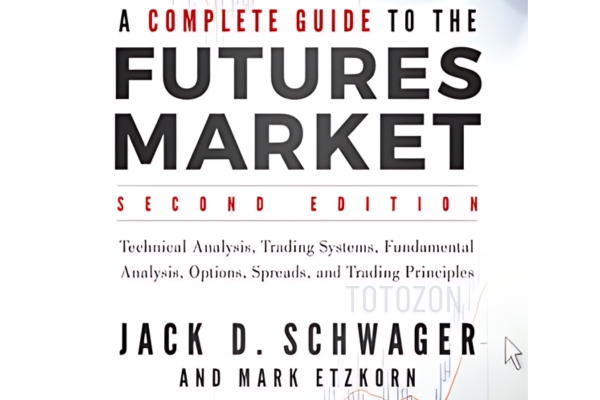 A Complete Guide to the Futures Market: Technical Analysis, Trading Systems, Fundamental Analysis, Options, Spreads, and Trading Principles (Wiley Trading) 2nd Edition - Jack Schwager
1 × $6.00
A Complete Guide to the Futures Market: Technical Analysis, Trading Systems, Fundamental Analysis, Options, Spreads, and Trading Principles (Wiley Trading) 2nd Edition - Jack Schwager
1 × $6.00 -
×
 Butterfly and Condor Workshop with Aeromir
1 × $15.00
Butterfly and Condor Workshop with Aeromir
1 × $15.00 -
×
 10x Trade Formula Master Collection
1 × $54.00
10x Trade Formula Master Collection
1 × $54.00 -
×
 Matrix Spread Options Trading Course with Base Camp Trading
1 × $31.00
Matrix Spread Options Trading Course with Base Camp Trading
1 × $31.00 -
×
 $1,500 to $1 Million In 3 Years
1 × $39.00
$1,500 to $1 Million In 3 Years
1 × $39.00 -
×
 Essentials in Quantitative Trading QT01 By HangukQuant's
1 × $23.00
Essentials in Quantitative Trading QT01 By HangukQuant's
1 × $23.00 -
×
 3-Line Break Method For Daytrading Eminis with Chris Curran
1 × $6.00
3-Line Break Method For Daytrading Eminis with Chris Curran
1 × $6.00 -
×
 Bond Market Course with The Macro Compass
1 × $15.00
Bond Market Course with The Macro Compass
1 × $15.00 -
×
 2010 The Market Mastery Protégé Program
1 × $31.00
2010 The Market Mastery Protégé Program
1 × $31.00 -
×
 How To Read The Market Professionally with TradeSmart
1 × $27.00
How To Read The Market Professionally with TradeSmart
1 × $27.00 -
×
 The Best Option Trading Course with David Jaffee - Best Stock Strategy
1 × $15.00
The Best Option Trading Course with David Jaffee - Best Stock Strategy
1 × $15.00 -
×
 The Naked Eye: Raw Data Analytics with Edgar Torres - Raw Data Analytics
1 × $8.00
The Naked Eye: Raw Data Analytics with Edgar Torres - Raw Data Analytics
1 × $8.00

What Every Investor Shoud Know About Accounting Fraud with Jeff Madura
$6.00
File Size: Coming soon!
Delivery Time: 1–12 hours
Media Type: Online Course
What Every Investor Should Know About Accounting Fraud with Jeff Madura
Introduction
Accounting fraud can have devastating consequences for investors. Jeff Madura, a renowned finance expert, provides crucial insights into identifying and understanding accounting fraud. In this article, we explore the key concepts from Madura’s teachings, equipping investors with the knowledge to protect their investments.
Understanding Accounting Fraud
What is Accounting Fraud?
Accounting fraud involves the deliberate manipulation of financial statements to present a false picture of a company’s financial health.
Common Types of Accounting Fraud
- Revenue Recognition Fraud
- Expense Manipulation
- Asset Misrepresentation
Why Accounting Fraud Occurs
Accounting fraud typically occurs to deceive stakeholders, inflate stock prices, or hide financial losses.
The Impact of Accounting Fraud on Investors
Financial Losses
Investors can suffer significant financial losses when fraud leads to the collapse of a company.
Loss of Trust
Accounting fraud erodes investor trust and confidence in the financial markets.
Legal Consequences
Companies involved in accounting fraud face legal penalties, which can further impact their financial stability.
Red Flags of Accounting Fraud
Inconsistent Financial Statements
Look for discrepancies between reported earnings and cash flows.
Unusual Accounting Policies
Be wary of companies that frequently change their accounting policies or use aggressive accounting techniques.
High Turnover in Key Positions
Frequent changes in top management or the finance department can be a red flag.
Complex Transactions
Overly complex transactions or off-balance-sheet items may indicate efforts to obscure the true financial situation.
Case Studies of Accounting Fraud
Enron Scandal
Enron used special purpose entities to hide debt and inflate profits, leading to one of the largest corporate collapses in history.
WorldCom Fraud
WorldCom inflated its assets by over $11 billion, resulting in significant investor losses and bankruptcy.
Lessons Learned
These cases highlight the importance of vigilance and thorough analysis by investors.
How to Detect Accounting Fraud
Analyzing Financial Statements
Balance Sheet
Check for consistency and transparency in reported assets and liabilities.
Income Statement
Look for discrepancies between net income and cash flow from operations.
Cash Flow Statement
Ensure that operating cash flows align with reported earnings.
Using Financial Ratios
Profitability Ratios
Analyze ratios like return on assets (ROA) and return on equity (ROE) for inconsistencies.
Liquidity Ratios
Evaluate the current ratio and quick ratio to assess the company’s short-term financial health.
Solvency Ratios
Examine the debt-to-equity ratio to understand the company’s long-term debt levels.
Conducting Due Diligence
Background Checks
Investigate the backgrounds of top executives and board members.
Auditor Reports
Review the auditor’s opinion and any notes or warnings in the financial reports.
Market Comparisons
Compare the company’s financial performance with industry peers to identify anomalies.
Protecting Your Investments
Diversification
Diversify your portfolio to spread risk across different asset classes and sectors.
Staying Informed
Keep up-to-date with financial news and analysis to stay aware of potential fraud risks.
Regular Portfolio Reviews
Conduct regular reviews of your investments to identify any red flags early.
The Role of Regulation and Compliance
Regulatory Bodies
Organizations like the SEC (Securities and Exchange Commission) enforce regulations to prevent and detect accounting fraud.
Sarbanes-Oxley Act
This act was implemented to protect investors by improving the accuracy and reliability of corporate disclosures.
The Importance of Compliance
Companies that adhere to regulatory standards and ethical practices are less likely to engage in fraud.
Conclusion
Understanding and detecting accounting fraud is essential for every investor. Jeff Madura’s insights provide a comprehensive guide to identifying red flags, analyzing financial statements, and protecting your investments. By staying vigilant and informed, investors can mitigate the risks associated with accounting fraud and make more secure investment decisions.
FAQs
What is accounting fraud?
Accounting fraud involves the deliberate manipulation of financial statements to present a false picture of a company’s financial health.
How can investors detect accounting fraud?
Investors can detect accounting fraud by analyzing financial statements, using financial ratios, and conducting due diligence.
Why is understanding accounting fraud important for investors?
Understanding accounting fraud helps investors protect their investments from potential losses due to fraudulent activities.
What are some common red flags of accounting fraud?
Common red flags include inconsistent financial statements, unusual accounting policies, high turnover in key positions, and complex transactions.
How can diversification help protect against accounting fraud?
Diversification spreads risk across different asset classes and sectors, reducing the impact of any single investment affected by fraud.
Be the first to review “What Every Investor Shoud Know About Accounting Fraud with Jeff Madura”
You must be logged in to post a review.
Related products

Forex Trading
Quantamentals – The Next Great Forefront Of Trading and Investing with Trading Markets
Original price was: $1,495.00.$8.00Current price is: $8.00.

Forex Trading
Original price was: $2,997.00.$23.00Current price is: $23.00.

Original price was: $997.00.$13.00Current price is: $13.00.

Forex Trading
Original price was: $239.00.$8.00Current price is: $8.00.

Forex Trading
Original price was: $2,995.00.$31.00Current price is: $31.00.

Original price was: $1,200.00.$23.00Current price is: $23.00.

Original price was: $700.00.$39.00Current price is: $39.00.

Forex Trading
Original price was: $125.00.$17.00Current price is: $17.00.
Forex Trading
Original price was: $4,997.00.$27.00Current price is: $27.00.
Forex Trading
Original price was: $697.00.$5.00Current price is: $5.00.

Forex Trading
Original price was: $797.00.$10.00Current price is: $10.00.

Forex Trading
The Complete Guide to Multiple Time Frame Analysis & Reading Price Action with Aiman Almansoori
Original price was: $1,399.00.$13.00Current price is: $13.00.
Forex Trading
Original price was: $499.00.$15.00Current price is: $15.00.

Original price was: $139.00.$23.00Current price is: $23.00.

Forex Trading
Original price was: $550.00.$5.00Current price is: $5.00.

Forex Trading
Original price was: $1,898.00.$10.00Current price is: $10.00.
Original price was: $497.00.$31.00Current price is: $31.00.

Forex Trading
Original price was: $249.00.$15.00Current price is: $15.00.
Forex Trading
Original price was: $850.00.$23.00Current price is: $23.00.

Forex Trading
Original price was: $999.00.$15.00Current price is: $15.00.
Reviews
There are no reviews yet.