
-
×
 Forex Master Method Evolution with Russ Horn
1 × $6.00
Forex Master Method Evolution with Russ Horn
1 × $6.00 -
×
 Crystal Ball Pack PLUS bonus Live Trade By Pat Mitchell - Trick Trades
1 × $20.00
Crystal Ball Pack PLUS bonus Live Trade By Pat Mitchell - Trick Trades
1 × $20.00 -
×
 TradeCraft: Your Path to Peak Performance Trading By Adam Grimes
1 × $15.00
TradeCraft: Your Path to Peak Performance Trading By Adam Grimes
1 × $15.00 -
×
 W. D Gann 's Square Of 9 Applied To Modern Markets with Sean Avidar - Hexatrade350
1 × $23.00
W. D Gann 's Square Of 9 Applied To Modern Markets with Sean Avidar - Hexatrade350
1 × $23.00 -
×
 A Trader’s Guide To Discipline
1 × $6.00
A Trader’s Guide To Discipline
1 × $6.00 -
×
 Candlestick and Pivot Point Trading Triggers with John Person
1 × $6.00
Candlestick and Pivot Point Trading Triggers with John Person
1 × $6.00 -
×
 Matrix Spread Options Trading Course with Base Camp Trading
1 × $31.00
Matrix Spread Options Trading Course with Base Camp Trading
1 × $31.00 -
×
 The Indices Orderflow Masterclass with The Forex Scalpers
1 × $23.00
The Indices Orderflow Masterclass with The Forex Scalpers
1 × $23.00 -
×
 The Adventures of the Cycle Hunter. The Analyst with Craig Bttlc
1 × $6.00
The Adventures of the Cycle Hunter. The Analyst with Craig Bttlc
1 × $6.00 -
×
 HST Mobile
1 × $31.00
HST Mobile
1 × $31.00 -
×
 Equity Valuation for Analysts and Investors: A Unique Stock Valuation Tool for Financial Statement Analysis and Model-Building with James Kelleher
1 × $6.00
Equity Valuation for Analysts and Investors: A Unique Stock Valuation Tool for Financial Statement Analysis and Model-Building with James Kelleher
1 × $6.00 -
×
 Activedaytrader - Elite Earnings Pusuit
1 × $54.00
Activedaytrader - Elite Earnings Pusuit
1 × $54.00 -
×
 The Psychology of Investing with John Nofsinger
1 × $6.00
The Psychology of Investing with John Nofsinger
1 × $6.00 -
×
 ePass Platinum
1 × $31.00
ePass Platinum
1 × $31.00 -
×
 Relationship of the StockMarket Fluctuations to the Lunarcycle with Frank J.Guarino
1 × $6.00
Relationship of the StockMarket Fluctuations to the Lunarcycle with Frank J.Guarino
1 × $6.00 -
×
 The Dynamic Trading Master Course with Robert Miner
1 × $54.00
The Dynamic Trading Master Course with Robert Miner
1 × $54.00 -
×
 Chaos. The New Map for Traders
1 × $15.00
Chaos. The New Map for Traders
1 × $15.00 -
×
 The Orderflows Trade Opportunities Encyclopedia with Michael Valtos
1 × $8.00
The Orderflows Trade Opportunities Encyclopedia with Michael Valtos
1 × $8.00 -
×
 Euro Fractal Trading System with Cynthia Marcy, Erol Bortucene
1 × $6.00
Euro Fractal Trading System with Cynthia Marcy, Erol Bortucene
1 × $6.00 -
×
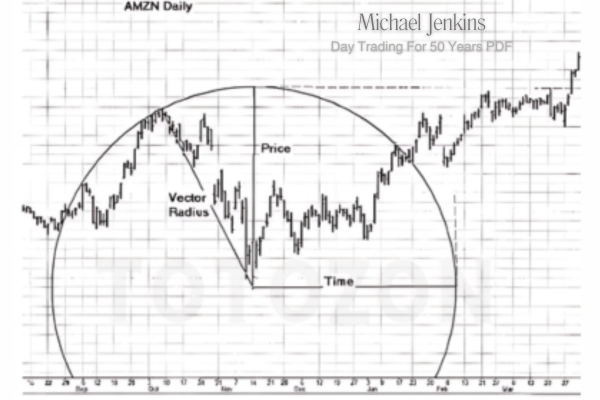 Day Trading For 50 Years PDF with Michael Jenkins
1 × $6.00
Day Trading For 50 Years PDF with Michael Jenkins
1 × $6.00 -
×
 Advanced Ichimoku Kinkō Hyō - Ichimoku Cloud Strategy with Rafał Zuchowicz - TopMasterTrader
1 × $17.00
Advanced Ichimoku Kinkō Hyō - Ichimoku Cloud Strategy with Rafał Zuchowicz - TopMasterTrader
1 × $17.00 -
×
 Forex Courses Collection
1 × $55.00
Forex Courses Collection
1 × $55.00 -
×
 The Prop Trading Code with Brannigan Barrett - Axia Futures
1 × $23.00
The Prop Trading Code with Brannigan Barrett - Axia Futures
1 × $23.00 -
×
 T3 Live - The Simple Art of Trading
1 × $31.00
T3 Live - The Simple Art of Trading
1 × $31.00 -
×
 CarterFX Membership with Duran Carter
1 × $23.00
CarterFX Membership with Duran Carter
1 × $23.00 -
×
 A Course in Trading with Donald Mack & Wetsel Market Bureau
1 × $6.00
A Course in Trading with Donald Mack & Wetsel Market Bureau
1 × $6.00 -
×
 Forex Mastermind with FOREX4NOOBS
1 × $5.00
Forex Mastermind with FOREX4NOOBS
1 × $5.00 -
×
 SATYA 2 - Online Immersion - January 2023 By Tias Little
1 × $225.00
SATYA 2 - Online Immersion - January 2023 By Tias Little
1 × $225.00 -
×
 AI For Traders with Trading Markets
1 × $31.00
AI For Traders with Trading Markets
1 × $31.00 -
×
 The Trading Blueprint with Brad Goh - The Trading Geek
1 × $5.00
The Trading Blueprint with Brad Goh - The Trading Geek
1 × $5.00 -
×
 Master The Markets 2.0 with French Trader
1 × $6.00
Master The Markets 2.0 with French Trader
1 × $6.00 -
×
 How To Build An Automated Trading Robot In Excel with Peter Titus - Marwood Research
1 × $15.00
How To Build An Automated Trading Robot In Excel with Peter Titus - Marwood Research
1 × $15.00 -
×
 A Conservative Plan to Make $3K Monthly on $25K with Dan Sheridan – Sheridan Options Mentoring
1 × $23.00
A Conservative Plan to Make $3K Monthly on $25K with Dan Sheridan – Sheridan Options Mentoring
1 × $23.00 -
×
 Options 201: Vertical and Calendar Spread Essentials 5 Part Class with Don Kaufman On Demand Replay
1 × $6.00
Options 201: Vertical and Calendar Spread Essentials 5 Part Class with Don Kaufman On Demand Replay
1 × $6.00 -
×
 ENG Renko Mastery with International Scalpers
1 × $10.00
ENG Renko Mastery with International Scalpers
1 × $10.00 -
×
 ADR Pro For Metatrader 4.0 with Compass FX
1 × $15.00
ADR Pro For Metatrader 4.0 with Compass FX
1 × $15.00 -
×
 Home Run Options Trading Course with Dave Aquino - Base Camp Trading
1 × $11.00
Home Run Options Trading Course with Dave Aquino - Base Camp Trading
1 × $11.00 -
×
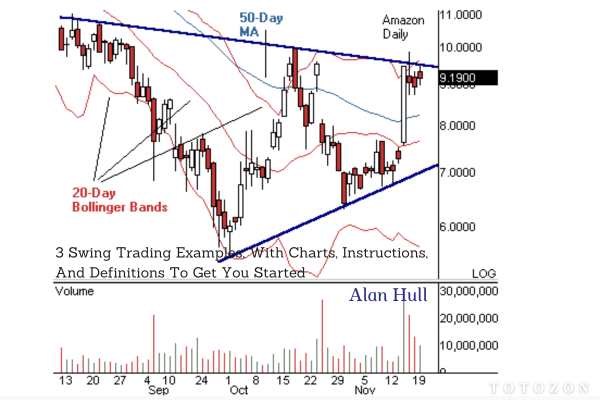 3 Swing Trading Examples, With Charts, Instructions, And Definitions To Get You Started by Alan Farley
1 × $6.00
3 Swing Trading Examples, With Charts, Instructions, And Definitions To Get You Started by Alan Farley
1 × $6.00 -
×
 Team Bull Trading Academy
1 × $5.00
Team Bull Trading Academy
1 × $5.00 -
×
 Quantamentals - The Next Great Forefront Of Trading and Investing with Trading Markets
1 × $8.00
Quantamentals - The Next Great Forefront Of Trading and Investing with Trading Markets
1 × $8.00 -
×
 Trading as a Business with Alexander Elder
1 × $6.00
Trading as a Business with Alexander Elder
1 × $6.00 -
×
 Money Attraction Bootcamp - Video + Audio + Workbook by Greg Habstritt
1 × $6.00
Money Attraction Bootcamp - Video + Audio + Workbook by Greg Habstritt
1 × $6.00 -
×
 Advanced Spread Trading with Guy Bower - MasterClass Trader
1 × $15.00
Advanced Spread Trading with Guy Bower - MasterClass Trader
1 × $15.00 -
×
 Essentials in Quantitative Trading QT01 By HangukQuant's
1 × $23.00
Essentials in Quantitative Trading QT01 By HangukQuant's
1 × $23.00 -
×
 0 DTE Options Trading Workshop with Aeromir Corporation
1 × $15.00
0 DTE Options Trading Workshop with Aeromir Corporation
1 × $15.00 -
×
 How To Read The Market Professionally with TradeSmart
1 × $27.00
How To Read The Market Professionally with TradeSmart
1 × $27.00 -
×
 Seasonality. Systems, Strategies & Signals
1 × $6.00
Seasonality. Systems, Strategies & Signals
1 × $6.00 -
×
 Deep Dive Butterfly Trading Strategy Class with SJG Trades
1 × $41.00
Deep Dive Butterfly Trading Strategy Class with SJG Trades
1 × $41.00 -
×
 P.A.T Trading Course (Low Video Quality) with Martin Cole
1 × $6.00
P.A.T Trading Course (Low Video Quality) with Martin Cole
1 × $6.00 -
×
 TRADING NFX Course with Andrew NFX
1 × $5.00
TRADING NFX Course with Andrew NFX
1 × $5.00 -
×
 Forex Trading Bootcamp For Traders & Investors (2020)
1 × $6.00
Forex Trading Bootcamp For Traders & Investors (2020)
1 × $6.00 -
×
 The All Put Flat Butterfly with Dan Sheridan - Sheridan Options Mentoring
1 × $6.00
The All Put Flat Butterfly with Dan Sheridan - Sheridan Options Mentoring
1 × $6.00 -
×
 The Correlation Code with Jason Fielder
1 × $6.00
The Correlation Code with Jason Fielder
1 × $6.00 -
×
 The Orderflow Masterclass with PrimeTrading
1 × $17.00
The Orderflow Masterclass with PrimeTrading
1 × $17.00 -
×
 ICT Prodigy Trading Course – $650K in Payouts with Alex Solignani
1 × $15.00
ICT Prodigy Trading Course – $650K in Payouts with Alex Solignani
1 × $15.00 -
×
 SQX Mentorship with Tip Toe Hippo
1 × $23.00
SQX Mentorship with Tip Toe Hippo
1 × $23.00 -
×
 4×4 Course with Gregoire Dupont
1 × $6.00
4×4 Course with Gregoire Dupont
1 × $6.00 -
×
 Advanced Iron Condor Course in 2021
1 × $6.00
Advanced Iron Condor Course in 2021
1 × $6.00 -
×
 Advanced Trading Course with Edney Pinheiro
1 × $5.00
Advanced Trading Course with Edney Pinheiro
1 × $5.00 -
×
 Sure Fire Forex Trading with Mark McRae
1 × $6.00
Sure Fire Forex Trading with Mark McRae
1 × $6.00 -
×
 Traders Workshop – Forex Full Course with Jason Stapleton
1 × $6.00
Traders Workshop – Forex Full Course with Jason Stapleton
1 × $6.00 -
×
 Price Action Manual (2nd Ed.) with Bruce Gilmore
1 × $6.00
Price Action Manual (2nd Ed.) with Bruce Gilmore
1 × $6.00 -
×
 WondaFX Signature Strategy with WondaFX
1 × $5.00
WondaFX Signature Strategy with WondaFX
1 × $5.00 -
×
 Advanced Calculus with Applications in Statistics
1 × $6.00
Advanced Calculus with Applications in Statistics
1 × $6.00
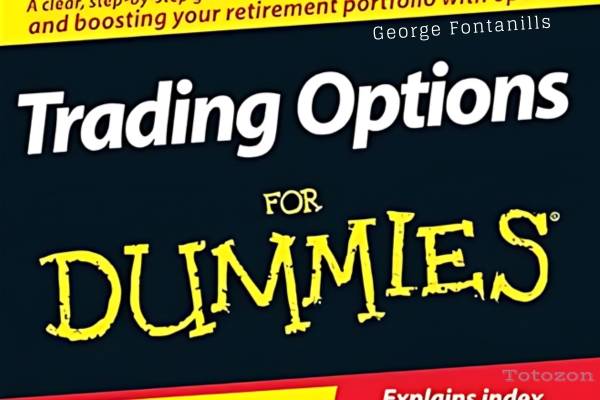
Trading Options for Dummies with George Fontanills
$6.00
File Size: Coming soon!
Delivery Time: 1–12 hours
Media Type: Online Course
Content Proof: Watch Here!
You may check content proof of “Trading Options for Dummies with George Fontanills” below:

Trading Options for Dummies with George Fontanills
Options trading can be a powerful tool for investors looking to diversify their portfolios and enhance their trading strategies. George Fontanills, a renowned expert in the field, provides clear and comprehensive guidance in his book “Trading Options for Dummies.” This article will explore the fundamental concepts, strategies, and insights presented by Fontanills, making it easier for beginners to understand and excel in options trading.
Introduction to Options Trading
What Are Options?
Options are financial instruments that give traders the right, but not the obligation, to buy or sell an underlying asset at a predetermined price within a specified time frame.
Why Trade Options?
- Leverage: Control a large position with a relatively small investment.
- Flexibility: Utilize various strategies to profit in different market conditions.
- Risk Management: Hedge against potential losses in other investments.
Understanding the Basics
Types of Options
Call Options
Call options give the holder the right to buy an asset at a specified price.
Put Options
Put options give the holder the right to sell an asset at a specified price.
Key Terms in Options Trading
Strike Price
The price at which the option can be exercised.
Expiration Date
The date on which the option expires and can no longer be exercised.
Premium
The price paid for the option.
Fundamental Concepts
Intrinsic Value vs. Extrinsic Value
Intrinsic Value
The difference between the current price of the underlying asset and the strike price of the option.
Extrinsic Value
The additional value of the option based on time remaining and volatility.
The Greeks
Delta
Measures the sensitivity of the option’s price to changes in the price of the underlying asset.
Gamma
Measures the rate of change of delta over time.
Theta
Represents the rate at which the option’s value decreases as it approaches its expiration date.
Vega
Measures the sensitivity of the option’s price to changes in volatility.
Basic Strategies for Beginners
1. Covered Call
Involves holding a long position in an asset and selling a call option on the same asset to generate income.
2. Protective Put
Involves holding a long position in an asset and buying a put option to hedge against potential losses.
3. Long Call
Buying a call option to profit from an expected increase in the price of the underlying asset.
4. Long Put
Buying a put option to profit from an expected decrease in the price of the underlying asset.
Advanced Strategies
1. Straddle
Buying both a call and a put option at the same strike price and expiration date to profit from significant price movements in either direction.
2. Strangle
Buying a call and a put option with different strike prices but the same expiration date to profit from large price movements.
3. Iron Condor
Involves selling a lower strike put and a higher strike call while buying a further out-of-the-money put and call to limit risk and profit from low volatility.
Practical Exercises
Exercise 1: Calculating Option Prices
- Step 1: Identify the current price of the underlying asset.
- Step 2: Determine the strike price and expiration date of the option.
- Step 3: Calculate the intrinsic and extrinsic value.
Exercise 2: Analyzing Delta and Gamma
- Step 1: Select an option and note its delta and gamma values.
- Step 2: Track how changes in the underlying asset’s price affect the option’s price.
- Step 3: Analyze the relationship between delta and gamma.
Exercise 3: Implementing a Covered Call Strategy
- Step 1: Choose a stock you own.
- Step 2: Sell a call option on the stock.
- Step 3: Monitor the performance and evaluate the outcome.
Common Mistakes to Avoid
1. Ignoring the Greeks
Failing to consider the Greeks can lead to unexpected losses.
2. Overleveraging
Using too much leverage can amplify losses as well as gains.
3. Lack of a Trading Plan
Trading without a plan can lead to emotional decisions and poor outcomes.
Tips for Successful Options Trading
1. Stay Informed
- Follow financial news and market trends.
- Keep up-to-date with economic indicators that can impact options prices.
2. Practice Risk Management
- Use stop-loss orders to limit potential losses.
- Diversify your options portfolio to spread risk.
3. Continuous Learning and Adaptation
- Regularly review and adjust your trading strategies.
- Stay informed about new trading techniques and market developments.
Conclusion
“Trading Options for Dummies” by George Fontanills is an invaluable resource for anyone looking to master options trading. By following the structured guidance and practical exercises outlined in the book, you can develop the skills necessary to succeed in the market. Whether you are a novice or an experienced trader, this guide offers valuable insights and strategies to enhance your trading journey.
FAQs
1. What is the primary goal of “Trading Options for Dummies”?
The primary goal is to provide a comprehensive introduction to options trading, making complex concepts accessible to beginners.
2. How do call and put options differ?
Call options give the holder the right to buy an asset, while put options give the holder the right to sell an asset.
3. What are the Greeks in options trading?
The Greeks (Delta, Gamma, Theta, and Vega) measure the sensitivity of an option’s price to various factors, such as changes in the price of the underlying asset and volatility.
4. How can I manage risk when trading options?
You can manage risk by using stop-loss orders, diversifying your options portfolio, and staying informed about market trends.
5. What is a covered call strategy?
A covered call strategy involves holding a long position in an asset while selling a call option on the same asset to generate additional income.
Be the first to review “Trading Options for Dummies with George Fontanills”
You must be logged in to post a review.
Related products
Original price was: $24.00.$6.00Current price is: $6.00.
Original price was: $249.00.$6.00Current price is: $6.00.
Original price was: $51.00.$6.00Current price is: $6.00.

Original price was: $89.00.$6.00Current price is: $6.00.
Original price was: $72.00.$6.00Current price is: $6.00.
Original price was: $297.00.$31.00Current price is: $31.00.

Original price was: $247.00.$28.00Current price is: $28.00.

Original price was: $1,997.00.$78.00Current price is: $78.00.
Original price was: $997.00.$69.00Current price is: $69.00.
Original price was: $18.00.$6.00Current price is: $6.00.

Reviews
There are no reviews yet.