
-
×
 Quarterly Theory with Trader Daye
1 × $20.00
Quarterly Theory with Trader Daye
1 × $20.00 -
×
 Basic Options Course Cash Flow. Diversification. Flexibility with Michael Drew
1 × $6.00
Basic Options Course Cash Flow. Diversification. Flexibility with Michael Drew
1 × $6.00 -
×
 Quantum Stone Capital
1 × $15.00
Quantum Stone Capital
1 × $15.00 -
×
 How Stocks Work with David L.Scott
1 × $6.00
How Stocks Work with David L.Scott
1 × $6.00 -
×
 How to be a Sector Investor with Larry Hungerford & Steve Hungerford
1 × $4.00
How to be a Sector Investor with Larry Hungerford & Steve Hungerford
1 × $4.00 -
×
 Small and Mighty Association with Ryan Lee
1 × $6.00
Small and Mighty Association with Ryan Lee
1 × $6.00 -
×
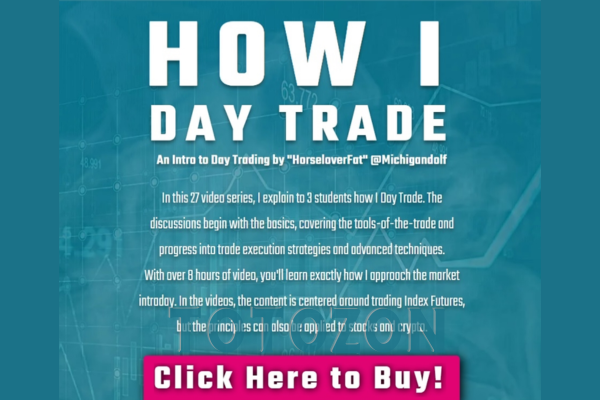 How I Day Trade Course with Traderade
1 × $15.00
How I Day Trade Course with Traderade
1 × $15.00 -
×
 Master Class Recording 2019 with Oil Trading Academy
1 × $17.00
Master Class Recording 2019 with Oil Trading Academy
1 × $17.00 -
×
 Investment Philosophies
1 × $6.00
Investment Philosophies
1 × $6.00 -
×
 Forex Trading Education Program (Apr-June 2010) with Jimmy Young
1 × $6.00
Forex Trading Education Program (Apr-June 2010) with Jimmy Young
1 × $6.00 -
×
 How to Build Fortune. Trading Stock Index Futures with Dennis Minogue
1 × $6.00
How to Build Fortune. Trading Stock Index Futures with Dennis Minogue
1 × $6.00 -
×
 Acclimation Course with Base Camp Trading
1 × $10.00
Acclimation Course with Base Camp Trading
1 × $10.00 -
×
 Smart Money Trading Course with Prosperity Academy
1 × $5.00
Smart Money Trading Course with Prosperity Academy
1 × $5.00 -
×
 Investing Under Fire with Alan R.Ackerman
1 × $6.00
Investing Under Fire with Alan R.Ackerman
1 × $6.00 -
×
 Staying Alive in the Markets (Video & Manual) with Mark Cook
1 × $6.00
Staying Alive in the Markets (Video & Manual) with Mark Cook
1 × $6.00 -
×
 The Adventures of the Cycle Hunter. The Cyclist with Craig Bttlc
1 × $6.00
The Adventures of the Cycle Hunter. The Cyclist with Craig Bttlc
1 × $6.00 -
×
 Safety in the Market. Smarter Starter Pack 1st Edition
1 × $6.00
Safety in the Market. Smarter Starter Pack 1st Edition
1 × $6.00 -
×
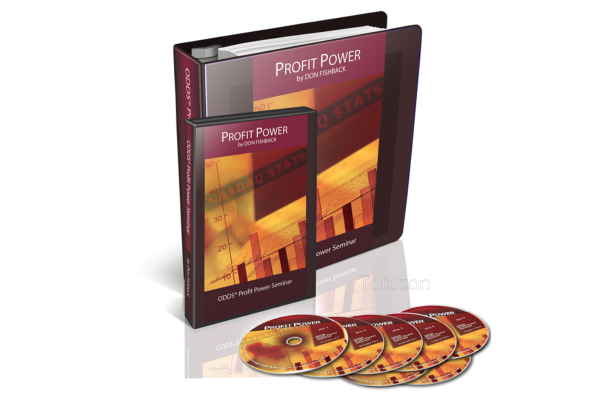 Profit Power Seminar
1 × $23.00
Profit Power Seminar
1 × $23.00 -
×
 TECHNICAL ANALYSIS MODULE
1 × $6.00
TECHNICAL ANALYSIS MODULE
1 × $6.00 -
×
 Quantamentals - The Next Great Forefront Of Trading and Investing with Trading Markets
1 × $8.00
Quantamentals - The Next Great Forefront Of Trading and Investing with Trading Markets
1 × $8.00 -
×
 Pristine - Dan Gibby – Mastering Breakouts & Breakdowns
1 × $6.00
Pristine - Dan Gibby – Mastering Breakouts & Breakdowns
1 × $6.00 -
×
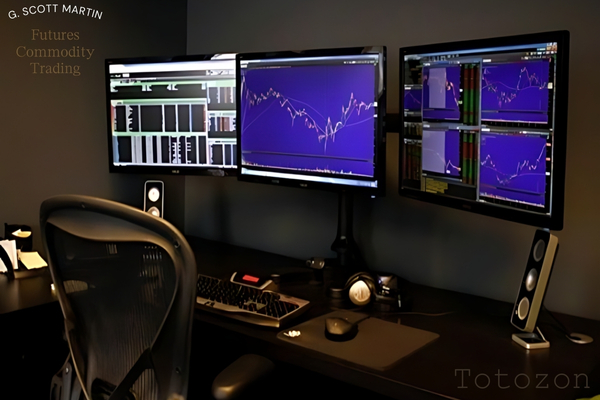 Futures Commodity Trading with G. Scott Martin
1 × $6.00
Futures Commodity Trading with G. Scott Martin
1 × $6.00 -
×
 Market Maps. High Probability Trading Techniques with Timothy Morge
1 × $6.00
Market Maps. High Probability Trading Techniques with Timothy Morge
1 × $6.00 -
×
 Marder Videos Reports 2019-2022 with Kevin Marder
1 × $104.00
Marder Videos Reports 2019-2022 with Kevin Marder
1 × $104.00 -
×
 Price Action Manual (2nd Ed.) with Bruce Gilmore
1 × $6.00
Price Action Manual (2nd Ed.) with Bruce Gilmore
1 × $6.00 -
×
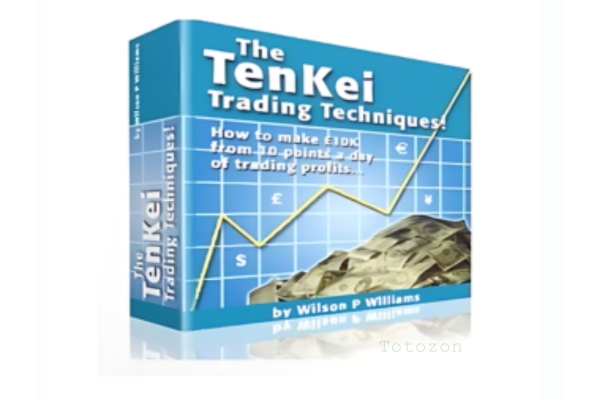 Tenkei Trading Techniques Programme with Wilson P.Williams
1 × $6.00
Tenkei Trading Techniques Programme with Wilson P.Williams
1 × $6.00 -
×
 Investment Leadership & Portfolio Management with Brian Singer
1 × $6.00
Investment Leadership & Portfolio Management with Brian Singer
1 × $6.00 -
×
 Earnings Reaction Gaps Workshop with John Pocorobba
1 × $27.00
Earnings Reaction Gaps Workshop with John Pocorobba
1 × $27.00 -
×
 Pattern Recognition: A Fundamental Introduction to Japanese Candlestick Charting Techniques Class with Jeff Bierman
1 × $6.00
Pattern Recognition: A Fundamental Introduction to Japanese Candlestick Charting Techniques Class with Jeff Bierman
1 × $6.00 -
×
 Professional Approaches to Directional Option Trading with Option Pit
1 × $23.00
Professional Approaches to Directional Option Trading with Option Pit
1 × $23.00 -
×
 The Prop Trading Code with Brannigan Barrett - Axia Futures
1 × $23.00
The Prop Trading Code with Brannigan Barrett - Axia Futures
1 × $23.00

Synthetic and Structured Assets: A Practical Guide to Investment and Risk with Erik Banks
Original price was: $110.00.$6.00Current price is: $6.00.
File Size: Coming soon!
Delivery Time: 1–12 hours
Media Type: Online Course
Content Proof: Watch Here!
You may check content proof of “Synthetic and Structured Assets: A Practical Guide to Investment and Risk with Erik Banks” below:

Synthetic and Structured Assets: A Practical Guide to Investment and Risk with Erik Banks
Introduction
In the dynamic world of finance, synthetic and structured assets stand out for their complexity and potential for customization. Erik Banks’ “Synthetic and Structured Assets: A Practical Guide to Investment and Risk” provides a comprehensive overview of these financial instruments and their strategic applications.
Who is Erik Banks?
Erik Banks is an experienced financial expert with decades of experience in risk management and structured finance. His insights are invaluable for anyone looking to deepen their understanding of sophisticated investment strategies.
What are Synthetic and Structured Assets?
Synthetic and structured assets are financial instruments engineered to meet specific investment goals, often involving derivatives to mimic other assets or achieve desired risk-return profiles.
Understanding Synthetic Assets
Synthetic assets combine various financial products to create a new asset with tailored properties, often used to replicate the payoff of a direct investment.
Types of Synthetic Assets
- Synthetic Stocks
- Synthetic Bonds
- Synthetic Derivatives
Benefits of Using Synthetic Assets
These assets provide flexibility, enhance liquidity, and offer opportunities to leverage market movements without holding the underlying assets.
Key Benefits
- Access to Inaccessible Markets
- Customized Risk Exposure
- Cost Efficiency
Exploring Structured Assets
Structured assets are custom-built investment vehicles that package multiple financial instruments, including derivatives, to cater to specific investor needs.
Common Structured Assets
- Structured Bonds
- Collateralized Debt Obligations (CDOs)
- Mortgage-Backed Securities (MBS)
Risk Management in Structured Assets
Managing risk is crucial when dealing with structured assets due to their complexity and the interdependence of their components.
Risk Management Techniques
- Diversification
- Credit Enhancement
- Liquidity Provision
Investment Strategies with Synthetic and Structured Assets
Investors use these assets for various strategic purposes, from hedging risks to speculating on future market movements.
Strategic Applications
- Hedging Interest Rate Risks
- Enhancing Yields
- Capital Protection
Regulatory Considerations
Understanding the regulatory landscape is essential as it shapes how synthetic and structured assets are created, traded, and managed.
Key Regulatory Frameworks
- Dodd-Frank Act
- Basel III
- MiFID II
The Role of Credit Ratings in Structured Finance
Credit ratings help assess the risk associated with structured products, influencing their attractiveness to investors.
Importance of Credit Ratings
- Investment Decisions
- Pricing of Securities
- Market Confidence
Technological Advancements in Structured Finance
Technology plays a crucial role in the development, management, and trading of synthetic and structured assets.
Technological Impact
- Algorithmic Trading
- Blockchain in Securitization
- Big Data Analysis
Global Market Trends in Synthetic and Structured Assets
The global landscape for these assets is continually evolving, driven by economic changes, technological advancements, and regulatory shifts.
Emerging Trends
- Growth in Green Structured Assets
- Increasing Complexity of Synthetic Products
- Regulatory Tightening
Case Studies of Synthetic and Structured Asset Strategies
Real-world applications illustrate the practical use and management of these assets in various market conditions.
Successful Strategies
- Synthetic ETFs
- Custom CDOs
- Operational Risk Transfer Vehicles
Conclusion
“Synthetic and Structured Assets” by Erik Banks is an essential guide for finance professionals who wish to navigate the complexities of modern investment options effectively. This book equips readers with the knowledge to make informed decisions and strategically utilize synthetic and structured assets in their investment portfolios.
FAQs
- Who should consider investing in synthetic and structured assets?
- Sophisticated investors seeking to customize risk and return profiles, hedge existing exposures, or gain access to otherwise inaccessible asset classes.
- What are the primary risks associated with synthetic assets?
- Market risk, credit risk, and operational risks, including the complexity and transparency of the instruments.
- How do structured assets differ from traditional investment products?
- Structured assets are customized to meet specific investor needs, often involving a combination of derivatives and other financial instruments to achieve desired outcomes.
- Can synthetic and structured assets be part of a conservative investment strategy?
- Yes, when used appropriately, these assets can be structured to protect capital or hedge against specific risks.
- What impact do regulatory changes have on the market for synthetic and structured assets?
- Regulatory changes can significantly impact the demand, structuring, and pricing of these assets, necessitating continuous monitoring and adaptation by investors.
Be the first to review “Synthetic and Structured Assets: A Practical Guide to Investment and Risk with Erik Banks”
You must be logged in to post a review.
Related products

Original price was: $497.00.$31.00Current price is: $31.00.

Forex Trading
Original price was: $999.00.$15.00Current price is: $15.00.

Original price was: $997.00.$8.00Current price is: $8.00.
Forex Trading
Quantamentals – The Next Great Forefront Of Trading and Investing with Trading Markets
Original price was: $1,495.00.$8.00Current price is: $8.00.

Original price was: $997.00.$13.00Current price is: $13.00.

Original price was: $310.00.$23.00Current price is: $23.00.

Original price was: $4,995.00.$15.00Current price is: $15.00.

Forex Trading
Original price was: $2,997.00.$23.00Current price is: $23.00.

Original price was: $649.00.$20.00Current price is: $20.00.

Forex Trading
Original price was: $4,997.00.$27.00Current price is: $27.00.

Forex Trading
Original price was: $799.00.$15.00Current price is: $15.00.

Forex Trading
Original price was: $500.00.$5.00Current price is: $5.00.

Forex Trading
Original price was: $1,898.00.$10.00Current price is: $10.00.

Original price was: $197.00.$5.00Current price is: $5.00.

Original price was: $450.00.$23.00Current price is: $23.00.

Forex Trading
Original price was: $125.00.$17.00Current price is: $17.00.

Forex Trading
Original price was: $797.00.$10.00Current price is: $10.00.

Original price was: $2,120.00.$15.00Current price is: $15.00.

Original price was: $497.00.$11.00Current price is: $11.00.

Forex Trading
Original price was: $2,995.00.$31.00Current price is: $31.00.
Reviews
There are no reviews yet.