
-
×
 Value Based Power Trading
1 × $6.00
Value Based Power Trading
1 × $6.00 -
×
 A Convicted Stock Manipulators Guide to Investing with Marino Specogna
1 × $6.00
A Convicted Stock Manipulators Guide to Investing with Marino Specogna
1 × $6.00 -
×
 Price Action Trading Manual 2010
1 × $6.00
Price Action Trading Manual 2010
1 × $6.00 -
×
 Lessons From A Trader’s Camp. Winning Psychology & Tactics with Alexander Elder
1 × $6.00
Lessons From A Trader’s Camp. Winning Psychology & Tactics with Alexander Elder
1 × $6.00 -
×
 Applications of Abstract Algebra with Maple - Richard E.Kline, Neil Sigmon, Ernst Stitzinger
1 × $6.00
Applications of Abstract Algebra with Maple - Richard E.Kline, Neil Sigmon, Ernst Stitzinger
1 × $6.00 -
×
 Portfolio Investing with Ron Bertino
1 × $54.00
Portfolio Investing with Ron Bertino
1 × $54.00 -
×
 Using Options to Buy Stocks: Build Wealth with Little Risk and No Capital - Dennis Eisen
1 × $4.00
Using Options to Buy Stocks: Build Wealth with Little Risk and No Capital - Dennis Eisen
1 × $4.00 -
×
 LBFX Academy Training Course
1 × $5.00
LBFX Academy Training Course
1 × $5.00 -
×
 High Probability Trading Using Elliott Wave And Fibonacci Analysis withVic Patel - Forex Training Group
1 × $10.00
High Probability Trading Using Elliott Wave And Fibonacci Analysis withVic Patel - Forex Training Group
1 × $10.00 -
×
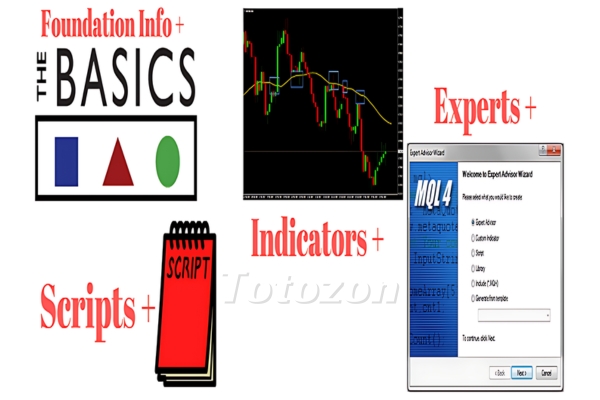 Mql4 Bundle: Basics, Scripts, Indicators, Experts with Jim Hodges
1 × $15.00
Mql4 Bundle: Basics, Scripts, Indicators, Experts with Jim Hodges
1 × $15.00 -
×
 Fisher Investments on Telecom with Dan Sinton, Andrew S.Teufel
1 × $6.00
Fisher Investments on Telecom with Dan Sinton, Andrew S.Teufel
1 × $6.00 -
×
 W. D Gann 's Square Of 9 Applied To Modern Markets with Sean Avidar - Hexatrade350
1 × $23.00
W. D Gann 's Square Of 9 Applied To Modern Markets with Sean Avidar - Hexatrade350
1 × $23.00 -
×
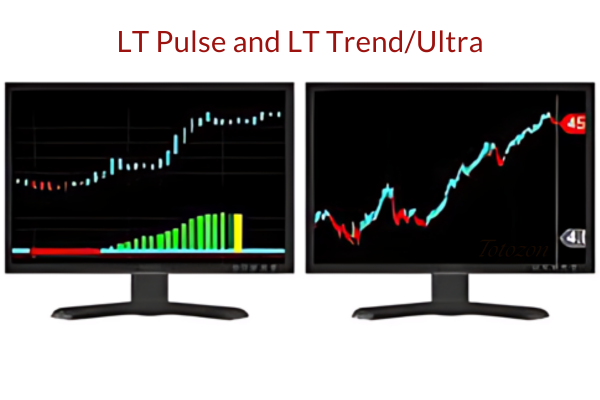 LT Pulse and LT Trend/Ultra
1 × $23.00
LT Pulse and LT Trend/Ultra
1 × $23.00 -
×
 Mind Over Markets
1 × $6.00
Mind Over Markets
1 × $6.00 -
×
 How to Trade Diagonal Triangles. Superior Risk Reward Trade Setups
1 × $6.00
How to Trade Diagonal Triangles. Superior Risk Reward Trade Setups
1 × $6.00 -
×
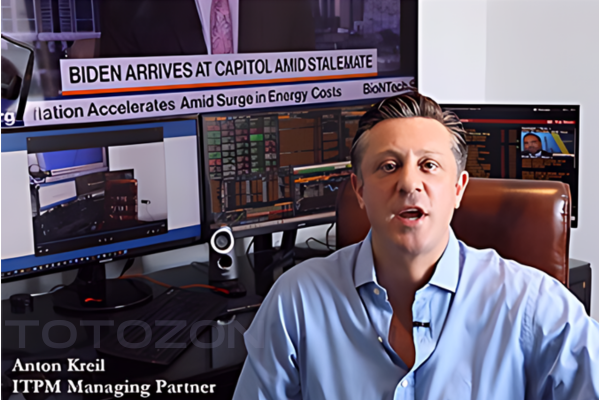 Professional Level Trading (IPLT) Online Video Series with Anton Kreil
1 × $6.00
Professional Level Trading (IPLT) Online Video Series with Anton Kreil
1 × $6.00 -
×
 Online Investing Hacks with Bonnie Biafore
1 × $6.00
Online Investing Hacks with Bonnie Biafore
1 × $6.00 -
×
 Secrets of Investors on WallStreet (Audio) with Ken Fisher
1 × $6.00
Secrets of Investors on WallStreet (Audio) with Ken Fisher
1 × $6.00 -
×
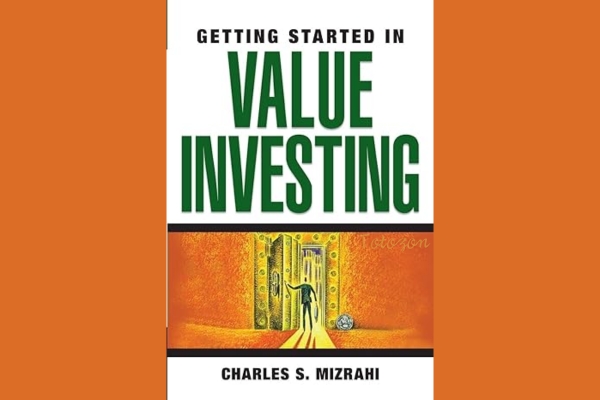 Getting Started in Value Investing with Charles Mizrahi
1 × $6.00
Getting Started in Value Investing with Charles Mizrahi
1 × $6.00 -
×
 Volume Profile Formula with Aaron Korbs
1 × $5.00
Volume Profile Formula with Aaron Korbs
1 × $5.00 -
×
 Pristine - Trading the Pristine Method 2
1 × $6.00
Pristine - Trading the Pristine Method 2
1 × $6.00 -
×
 Come Into My Trading Room: A Complete Guide to Trading with Alexander Elder
1 × $6.00
Come Into My Trading Room: A Complete Guide to Trading with Alexander Elder
1 × $6.00 -
×
 All About Dividend Investing with Don Schreiber & Gary Stroik
1 × $6.00
All About Dividend Investing with Don Schreiber & Gary Stroik
1 × $6.00 -
×
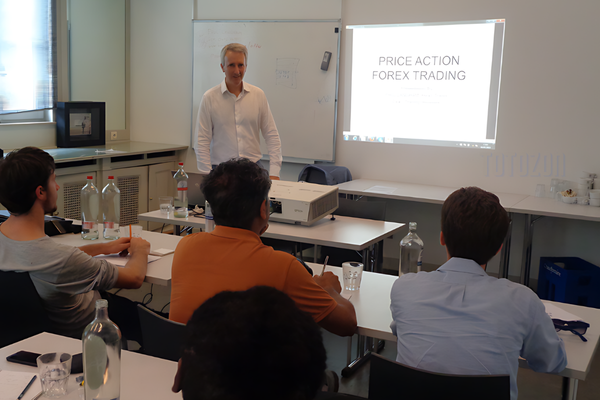 Exacttrading - Price Action Trader Course
1 × $15.00
Exacttrading - Price Action Trader Course
1 × $15.00 -
×
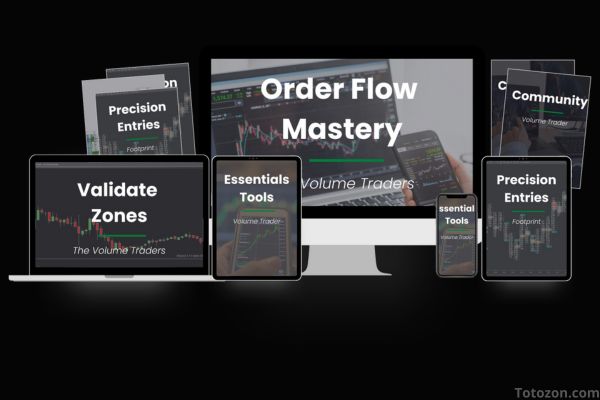 Order Flow Mastery (New 2024) with The Volume Traders
1 × $24.00
Order Flow Mastery (New 2024) with The Volume Traders
1 × $24.00 -
×
 Bird Watch in Lion Country 2010 Ed with Dirk Du Toit
1 × $6.00
Bird Watch in Lion Country 2010 Ed with Dirk Du Toit
1 × $6.00 -
×
 Forex Wave Theory: A Technical Analysis for Spot and Futures Curency Traders - James Bickford
1 × $6.00
Forex Wave Theory: A Technical Analysis for Spot and Futures Curency Traders - James Bickford
1 × $6.00 -
×
 Master NFTs in 7 Days with Ben Yu
1 × $23.00
Master NFTs in 7 Days with Ben Yu
1 × $23.00 -
×
 CarterFX Membership with Duran Carter
1 × $23.00
CarterFX Membership with Duran Carter
1 × $23.00 -
×
 Boomer Quick Profits Day Trading Course
1 × $23.00
Boomer Quick Profits Day Trading Course
1 × $23.00 -
×
 How to Collect Income Being Short with Don Kaufman
1 × $6.00
How to Collect Income Being Short with Don Kaufman
1 × $6.00 -
×
 Snapbacks CD
1 × $6.00
Snapbacks CD
1 × $6.00 -
×
 Financial Fortress with TradeSmart University
1 × $6.00
Financial Fortress with TradeSmart University
1 × $6.00 -
×
 EURUSD Trading System with CopperChips
1 × $6.00
EURUSD Trading System with CopperChips
1 × $6.00 -
×
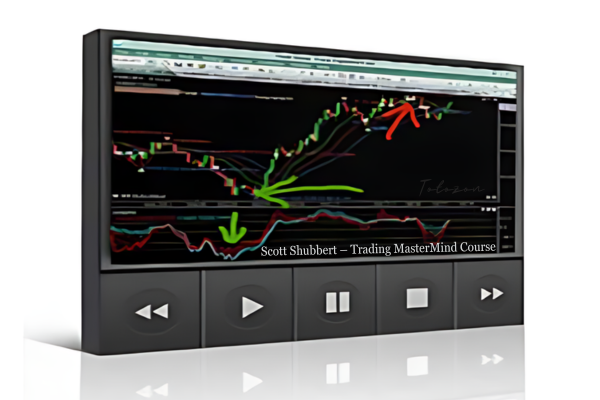 Trading MasterMind Course
1 × $23.00
Trading MasterMind Course
1 × $23.00 -
×
 Level II Profit System with Sammy Chua
1 × $6.00
Level II Profit System with Sammy Chua
1 × $6.00 -
×
 A Complete Guide to the Futures Market: Technical Analysis, Trading Systems, Fundamental Analysis, Options, Spreads, and Trading Principles (Wiley Trading) 2nd Edition - Jack Schwager
1 × $6.00
A Complete Guide to the Futures Market: Technical Analysis, Trading Systems, Fundamental Analysis, Options, Spreads, and Trading Principles (Wiley Trading) 2nd Edition - Jack Schwager
1 × $6.00 -
×
 Predators & Profits with Martin Howell & John Bogle
1 × $6.00
Predators & Profits with Martin Howell & John Bogle
1 × $6.00 -
×
 Trading the Post with Ron Friedman
1 × $5.00
Trading the Post with Ron Friedman
1 × $5.00 -
×
 Market Tide indicator with Alphashark
1 × $54.00
Market Tide indicator with Alphashark
1 × $54.00 -
×
 Myths of the Free Market with Kenneth Friedman
1 × $6.00
Myths of the Free Market with Kenneth Friedman
1 × $6.00 -
×
 Master Trader - Advander Management Strategies
1 × $39.00
Master Trader - Advander Management Strategies
1 × $39.00 -
×
 Charting the Major Forex Pairs: Focus on Major Currencies with James Bickford
1 × $6.00
Charting the Major Forex Pairs: Focus on Major Currencies with James Bickford
1 × $6.00 -
×
 Master The Markets 2.0 with French Trader
1 × $6.00
Master The Markets 2.0 with French Trader
1 × $6.00 -
×
 Intro To Trading - 3 Module Bundle
1 × $23.00
Intro To Trading - 3 Module Bundle
1 × $23.00 -
×
 Profiletraders - Market Profile Day Trading
1 × $15.00
Profiletraders - Market Profile Day Trading
1 × $15.00 -
×
 Managing By The Greeks (6 Classes) Sept 2010 [9 Videos(mp4) 11 docs(pdf)] by Dan Sheridan
1 × $6.00
Managing By The Greeks (6 Classes) Sept 2010 [9 Videos(mp4) 11 docs(pdf)] by Dan Sheridan
1 × $6.00 -
×
 How To Trade The Rick Burgess Triple-Thrust Momentum Method with Rick Burgess
1 × $6.00
How To Trade The Rick Burgess Triple-Thrust Momentum Method with Rick Burgess
1 × $6.00 -
×
 Options Bootcamp with Sid Woolfolk
1 × $6.00
Options Bootcamp with Sid Woolfolk
1 × $6.00 -
×
 Hiden Collective Factors in Speculative Trading with Bertrand Roehner
1 × $6.00
Hiden Collective Factors in Speculative Trading with Bertrand Roehner
1 × $6.00 -
×
 LEAPS Trading Strategies- Powerful Techniques for Options Trading Success - Marty Kearney
1 × $6.00
LEAPS Trading Strategies- Powerful Techniques for Options Trading Success - Marty Kearney
1 × $6.00 -
×
 Volume Breakout Indicator
1 × $31.00
Volume Breakout Indicator
1 × $31.00 -
×
 Forex Master Levels with Nicola Delic
1 × $15.00
Forex Master Levels with Nicola Delic
1 × $15.00 -
×
 Harmonic Vibrations with Larry Pesavento
1 × $6.00
Harmonic Vibrations with Larry Pesavento
1 × $6.00 -
×
 Inner Circle Course with Darius Fx
1 × $24.00
Inner Circle Course with Darius Fx
1 × $24.00 -
×
 War Room Psychology Vol. 1 with Pat Mitchell – Trick Trades
1 × $23.00
War Room Psychology Vol. 1 with Pat Mitchell – Trick Trades
1 × $23.00 -
×
 Wyckoff Analytics Courses Collection
1 × $27.00
Wyckoff Analytics Courses Collection
1 × $27.00 -
×
 How To Successfully Trade The Haggerty Slim Jim Strategy for Explosive Gains with Kevin Haggerty
1 × $6.00
How To Successfully Trade The Haggerty Slim Jim Strategy for Explosive Gains with Kevin Haggerty
1 × $6.00 -
×
 TRADING NFX Course with Andrew NFX
1 × $5.00
TRADING NFX Course with Andrew NFX
1 × $5.00 -
×
 YouAreTheIndicator Online Course 1.0
1 × $6.00
YouAreTheIndicator Online Course 1.0
1 × $6.00 -
×
 Options Academy Elevate with Simon Ree - Tao of Trading
1 × $109.00
Options Academy Elevate with Simon Ree - Tao of Trading
1 × $109.00 -
×
 Trading Masterclass XVII with Wysetrade
1 × $6.00
Trading Masterclass XVII with Wysetrade
1 × $6.00 -
×
 Futures Broker Home Study Course CTA Series 3 (Fourteenth Ed.) with Center for Futures Education
1 × $6.00
Futures Broker Home Study Course CTA Series 3 (Fourteenth Ed.) with Center for Futures Education
1 × $6.00 -
×
 Options for Long Term Trading & Hedging with Option Pit
1 × $39.00
Options for Long Term Trading & Hedging with Option Pit
1 × $39.00 -
×
 Alfred White’s Rules of Planetary Pictures with Witte, Rudolph, Lefeldt
1 × $6.00
Alfred White’s Rules of Planetary Pictures with Witte, Rudolph, Lefeldt
1 × $6.00 -
×
 Fibonacci Trading & Dynamic Profit Targeting with Base Camp Trading
1 × $15.00
Fibonacci Trading & Dynamic Profit Targeting with Base Camp Trading
1 × $15.00 -
×
 Ultimate Trading Course with Dodgy's Dungeon
1 × $8.00
Ultimate Trading Course with Dodgy's Dungeon
1 × $8.00 -
×
 Indicator Companion for Metastock with Martin Pring
1 × $6.00
Indicator Companion for Metastock with Martin Pring
1 × $6.00 -
×
 RVM Secrets with Sam Bart
1 × $23.00
RVM Secrets with Sam Bart
1 × $23.00 -
×
 HINT (High Income No Taxes) with Jeff Watson
1 × $54.00
HINT (High Income No Taxes) with Jeff Watson
1 × $54.00 -
×
 Master Moving Averages - Profit Multiplying Techniques with Nick Santiago - InTheMoneyStocks
1 × $54.00
Master Moving Averages - Profit Multiplying Techniques with Nick Santiago - InTheMoneyStocks
1 × $54.00 -
×
 Short Swing Trading v6.0 with David Smith
1 × $6.00
Short Swing Trading v6.0 with David Smith
1 × $6.00 -
×
 Kickstart Course with Tradelikerocket
1 × $46.00
Kickstart Course with Tradelikerocket
1 × $46.00 -
×
 How I Quit my Job & Turned 6k into Half Million Trading Commodities with Bob Buran
1 × $4.00
How I Quit my Job & Turned 6k into Half Million Trading Commodities with Bob Buran
1 × $4.00 -
×
 Active Investment Management: Finding and Harnessing Investment Skill with Charles Jackson
1 × $6.00
Active Investment Management: Finding and Harnessing Investment Skill with Charles Jackson
1 × $6.00 -
×
 Increase Your Net Worth In 2 Hours A Week with Jerremy Newsome - Real Life Trading
1 × $17.00
Increase Your Net Worth In 2 Hours A Week with Jerremy Newsome - Real Life Trading
1 × $17.00 -
×
 Learn Investing & Trading with Danny Devan
1 × $23.00
Learn Investing & Trading with Danny Devan
1 × $23.00 -
×
 Long-Term Memory in the Stock Market Prices (Article) with Andrew W.Lo
1 × $6.00
Long-Term Memory in the Stock Market Prices (Article) with Andrew W.Lo
1 × $6.00 -
×
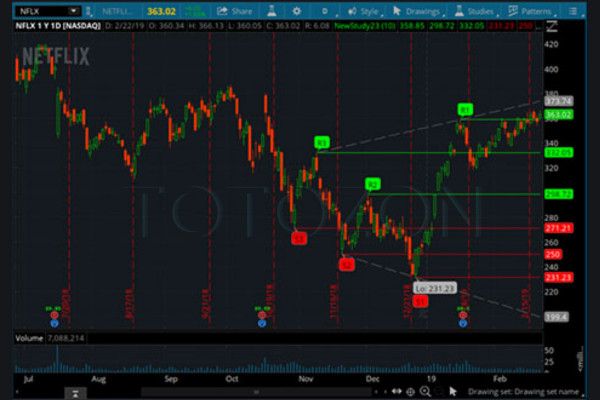 MQ Gravity Lines with Base Camp Trading
1 × $54.00
MQ Gravity Lines with Base Camp Trading
1 × $54.00 -
×
 Fast Start Barter System with Bob Meyer
1 × $31.00
Fast Start Barter System with Bob Meyer
1 × $31.00 -
×
 FX Utopia
1 × $6.00
FX Utopia
1 × $6.00 -
×
 Power Price Action Trading - 8 Weeks Online Training
1 × $6.00
Power Price Action Trading - 8 Weeks Online Training
1 × $6.00 -
×
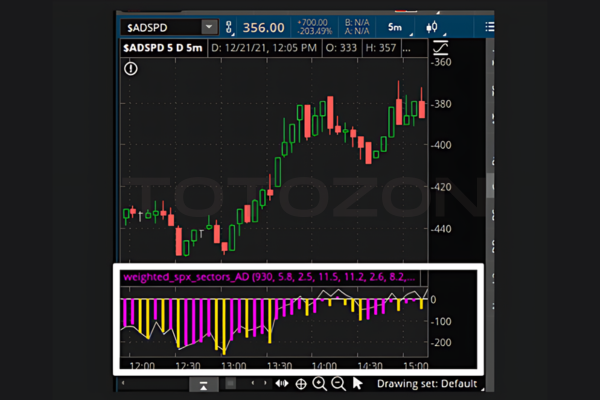 ShadowTrader Weighted S&P Advance Decline Line thinkScript with Peter Reznicek - ShadowTrader
1 × $23.00
ShadowTrader Weighted S&P Advance Decline Line thinkScript with Peter Reznicek - ShadowTrader
1 × $23.00 -
×
 Market Stalkers Level 1 - Swing trading school (2020)
1 × $8.00
Market Stalkers Level 1 - Swing trading school (2020)
1 × $8.00 -
×
 PPC Lead Pro Training Program
1 × $31.00
PPC Lead Pro Training Program
1 × $31.00 -
×
 Market Neutral Strategies with Bruce I.Jacobs & Kenneth N.Levy
1 × $6.00
Market Neutral Strategies with Bruce I.Jacobs & Kenneth N.Levy
1 × $6.00 -
×
 Dan Sheridan Volatility Class
1 × $6.00
Dan Sheridan Volatility Class
1 × $6.00 -
×
 All Time High Trading Course with TRADEVERSITY
1 × $5.00
All Time High Trading Course with TRADEVERSITY
1 × $5.00 -
×
 The Orderflows Trade Opportunities Encyclopedia with Michael Valtos
1 × $8.00
The Orderflows Trade Opportunities Encyclopedia with Michael Valtos
1 × $8.00

Extreme Events: Robust Portfolio Construction in the Presence of Fat Tails with Malcolm Kemp
Original price was: $87.00.$6.00Current price is: $6.00.
File Size: Coming soon!
Delivery Time: 1–12 hours
Media Type: Online Course
Content Proof: Watch Here!
You may check content proof of “Extreme Events: Robust Portfolio Construction in the Presence of Fat Tails with Malcolm Kemp” below:

Extreme Events: Robust Portfolio Construction in the Presence of Fat Tails with Malcolm Kemp
Introduction to Extreme Events
Financial markets are no strangers to extreme events. These events, often unpredictable and with significant impact, can derail even the most well-constructed portfolios. Malcolm Kemp’s insights on robust portfolio construction in the presence of fat tails provide valuable strategies for navigating these turbulent times.
Understanding Fat Tails
What Are Fat Tails?
Fat tails refer to the probability distribution of returns that show higher than normal likelihood of extreme outcomes. Unlike the normal distribution, which assumes most data points lie close to the mean, fat tails indicate a greater chance of extreme values.
Significance of Fat Tails in Finance
In finance, fat tails mean that extreme events (both positive and negative) are more likely than traditional models predict. Recognizing this helps investors prepare for potential market shocks.
Challenges of Extreme Events
Market Volatility
Extreme events often lead to heightened market volatility, making it challenging to predict price movements and manage risk.
Portfolio Risk
Traditional risk management techniques may fail during extreme events. Portfolios need to be constructed with an understanding of the potential for fat tails.
Malcolm Kemp’s Approach to Robust Portfolio Construction
Emphasizing Robustness
Kemp stresses the importance of building portfolios that can withstand extreme events. This involves incorporating strategies that mitigate the impact of fat tails.
Diversification
Diversification remains a cornerstone strategy. By spreading investments across various asset classes, sectors, and geographies, investors can reduce the impact of any single extreme event.
Key Components of Robust Portfolio Construction
Risk Assessment
Value at Risk (VaR)
Value at Risk (VaR) measures the maximum potential loss over a specified period at a given confidence level. While useful, VaR may underestimate risk during extreme events.
Stress Testing
Stress testing involves simulating extreme market conditions to assess portfolio resilience. This helps identify weaknesses and areas for improvement.
Asset Allocation
Allocating assets based on their risk and return profiles is crucial. Including a mix of equities, bonds, commodities, and alternative investments can enhance portfolio robustness.
Tail Risk Hedging
Tail risk hedging involves strategies designed to protect against extreme market moves. Options and derivatives can be used to hedge against significant losses.
Strategies for Managing Fat Tails
Using Derivatives
Options
Options provide a way to hedge against extreme events by giving the right, but not the obligation, to buy or sell an asset at a predetermined price.
Futures
Futures contracts can be used to lock in prices and reduce uncertainty, offering protection against extreme price movements.
Alternative Investments
Including alternative investments like real estate, private equity, and hedge funds can diversify risk and provide additional protection during extreme events.
Dynamic Rebalancing
Regularly rebalancing the portfolio ensures that it remains aligned with risk tolerance and investment goals, especially during volatile periods.
Case Studies in Robust Portfolio Construction
Successful Hedge Funds
Hedge funds that navigated the 2008 financial crisis effectively often employed robust strategies, including diversification and tail risk hedging.
Institutional Investors
Institutional investors, such as pension funds, use sophisticated models and stress tests to build resilient portfolios capable of withstanding extreme events.
Common Pitfalls in Managing Extreme Events
Overconfidence in Models
Relying too heavily on models that assume normal distribution can lead to underestimating the risk of extreme events. Kemp advises maintaining a healthy skepticism and regularly updating models.
Ignoring Correlations
During extreme events, asset correlations can change dramatically. Ignoring this can lead to unexpected losses, highlighting the need for dynamic risk management.
Practical Steps for Building a Robust Portfolio
Step-by-Step Guide
- Assess Risk Tolerance: Understand your risk tolerance and investment goals.
- Diversify Investments: Spread investments across various asset classes.
- Incorporate Derivatives: Use options and futures for hedging.
- Conduct Stress Tests: Simulate extreme scenarios to test portfolio resilience.
- Regularly Rebalance: Adjust the portfolio to maintain alignment with risk tolerance and goals.
Tools and Resources
Utilize financial software for risk assessment and stress testing. Platforms like Bloomberg, MSCI, and RiskMetrics offer robust tools for portfolio management.
Future Trends in Robust Portfolio Construction
Artificial Intelligence and Machine Learning
AI and machine learning can enhance portfolio construction by identifying patterns and predicting extreme events more accurately.
Real-Time Data Analysis
Advancements in real-time data analysis enable quicker response to market changes, improving portfolio resilience.
Sustainable Investing
Incorporating environmental, social, and governance (ESG) factors can enhance portfolio robustness by focusing on sustainable and resilient companies.
Conclusion
Building a robust portfolio capable of withstanding extreme events requires a deep understanding of fat tails and market dynamics. Malcolm Kemp’s strategies provide a comprehensive framework for managing risk and optimizing returns in the face of uncertainty. By focusing on diversification, dynamic rebalancing, and innovative risk management techniques, investors can navigate the complexities of financial markets more effectively.
FAQs
1. What are fat tails in finance?
Fat tails refer to the higher probability of extreme outcomes in the distribution of returns, indicating a greater likelihood of significant market events.
2. How can diversification help in robust portfolio construction?
Diversification spreads investments across various asset classes, reducing the impact of any single extreme event on the portfolio.
3. What is tail risk hedging?
Tail risk hedging involves using strategies, such as options and derivatives, to protect against significant losses during extreme market movements.
4. Why is stress testing important in portfolio management?
Stress testing simulates extreme market conditions to assess portfolio resilience, identifying weaknesses and areas for improvement.
5. How can AI and machine learning improve portfolio construction?
AI and machine learning can identify patterns, predict extreme events more accurately, and enhance real-time data analysis, improving portfolio robustness.
Be the first to review “Extreme Events: Robust Portfolio Construction in the Presence of Fat Tails with Malcolm Kemp”
You must be logged in to post a review.
Related products

Forex Trading
Original price was: $850.00.$23.00Current price is: $23.00.

Original price was: $997.00.$8.00Current price is: $8.00.

Forex Trading
The Complete Guide to Multiple Time Frame Analysis & Reading Price Action with Aiman Almansoori
Original price was: $1,399.00.$13.00Current price is: $13.00.

Original price was: $649.00.$20.00Current price is: $20.00.

Forex Trading
Original price was: $2,997.00.$23.00Current price is: $23.00.

Forex Trading
Original price was: $999.00.$15.00Current price is: $15.00.

Forex Trading
Original price was: $125.00.$17.00Current price is: $17.00.

Original price was: $1,849.00.$15.00Current price is: $15.00.

Forex Trading
Original price was: $249.00.$15.00Current price is: $15.00.
Forex Trading
Original price was: $500.00.$5.00Current price is: $5.00.

Original price was: $2,120.00.$15.00Current price is: $15.00.
Original price was: $139.00.$23.00Current price is: $23.00.

Original price was: $197.00.$5.00Current price is: $5.00.

Original price was: $799.00.$15.00Current price is: $15.00.

Forex Trading
Original price was: $397.00.$31.00Current price is: $31.00.

Original price was: $4,995.00.$15.00Current price is: $15.00.

Original price was: $1,800.00.$54.00Current price is: $54.00.

Forex Trading
Original price was: $1,898.00.$10.00Current price is: $10.00.

Forex Trading
Original price was: $1,098.00.$39.00Current price is: $39.00.

Forex Trading
Original price was: $550.00.$5.00Current price is: $5.00.

Reviews
There are no reviews yet.