
-
×
 THE ART OF ADJUSTING IN 2017
1 × $6.00
THE ART OF ADJUSTING IN 2017
1 × $6.00 -
×
 Core Strategy Program + Extended Learning Track with Ota Courses
1 × $124.00
Core Strategy Program + Extended Learning Track with Ota Courses
1 × $124.00 -
×
 Profitable Patterns for Stock Trading with Larry Pesavento
1 × $6.00
Profitable Patterns for Stock Trading with Larry Pesavento
1 × $6.00 -
×
 Intro To Short Selling with Madaz Money
1 × $31.00
Intro To Short Selling with Madaz Money
1 × $31.00 -
×
 Trading Forex With Market Profile
1 × $15.00
Trading Forex With Market Profile
1 × $15.00 -
×
 Active Trading Course Notes with Alan Hull
1 × $6.00
Active Trading Course Notes with Alan Hull
1 × $6.00 -
×
 Power Index Method for Profitable Futures Trading with Harold Goldberg
1 × $6.00
Power Index Method for Profitable Futures Trading with Harold Goldberg
1 × $6.00 -
×
 Forex Trading Education Program (Apr-June 2010) with Jimmy Young
1 × $6.00
Forex Trading Education Program (Apr-June 2010) with Jimmy Young
1 × $6.00 -
×
 W. D Gann 's Square Of 9 Applied To Modern Markets with Sean Avidar - Hexatrade350
1 × $23.00
W. D Gann 's Square Of 9 Applied To Modern Markets with Sean Avidar - Hexatrade350
1 × $23.00 -
×
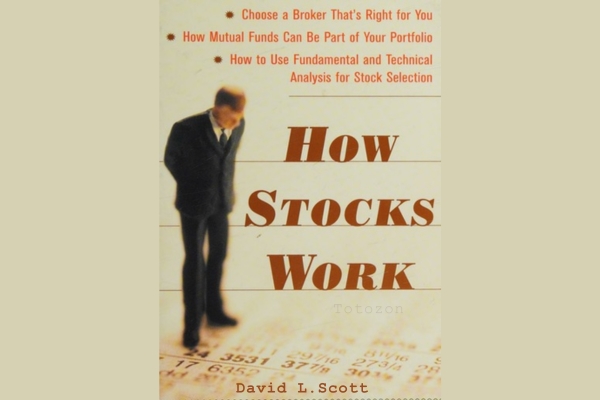 How Stocks Work with David L.Scott
1 × $6.00
How Stocks Work with David L.Scott
1 × $6.00 -
×
 Qualitative - Financial Statement Analysis with Sandesh Banger
1 × $5.00
Qualitative - Financial Statement Analysis with Sandesh Banger
1 × $5.00 -
×
 How to Use Gann Techniques to Implement a Trading System
1 × $6.00
How to Use Gann Techniques to Implement a Trading System
1 × $6.00 -
×
 Technical Analysis 101: A Comprehensive Guide to Becoming a Better Trader Class with Jeff Bierman
1 × $6.00
Technical Analysis 101: A Comprehensive Guide to Becoming a Better Trader Class with Jeff Bierman
1 × $6.00 -
×
 An Empirical Ananlysis of Stock Market Sentiment (Article) with Andrea Terzi
1 × $6.00
An Empirical Ananlysis of Stock Market Sentiment (Article) with Andrea Terzi
1 × $6.00 -
×
 Algo Trading Masterclass with Ali Casey - StatOasis
1 × $23.00
Algo Trading Masterclass with Ali Casey - StatOasis
1 × $23.00 -
×
 Future DayTrading (German)
1 × $6.00
Future DayTrading (German)
1 × $6.00 -
×
 Fibonacci for the Active Trader with Derrik Hobbs
1 × $6.00
Fibonacci for the Active Trader with Derrik Hobbs
1 × $6.00 -
×
 Matrix Spread Options Trading Course with Base Camp Trading
1 × $31.00
Matrix Spread Options Trading Course with Base Camp Trading
1 × $31.00 -
×
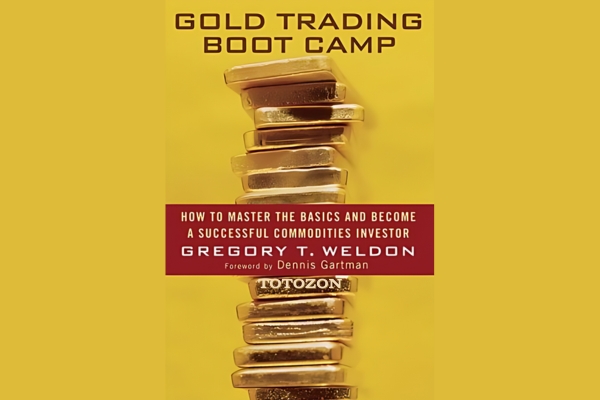 Gold Trading Boot Camp: How to Master the Basics and Become a Successful Commodities Investor - Gregory Weldon & Dennis Gartman
1 × $6.00
Gold Trading Boot Camp: How to Master the Basics and Become a Successful Commodities Investor - Gregory Weldon & Dennis Gartman
1 × $6.00 -
×
 The Best Option Trading Course with David Jaffee - Best Stock Strategy
1 × $15.00
The Best Option Trading Course with David Jaffee - Best Stock Strategy
1 × $15.00 -
×
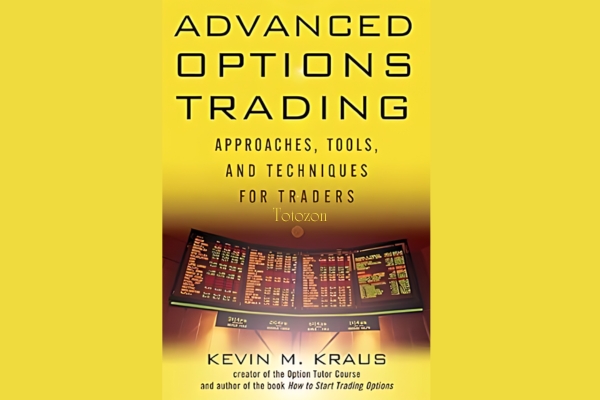 Advanced Options Trading: Approaches, Tools, and Techniques for Professionals Traders with Kevin Kraus
1 × $6.00
Advanced Options Trading: Approaches, Tools, and Techniques for Professionals Traders with Kevin Kraus
1 × $6.00 -
×
 Commodity Futures Traders Club (CTCN) Issues 01 – 77
1 × $6.00
Commodity Futures Traders Club (CTCN) Issues 01 – 77
1 × $6.00 -
×
 Trading Strategies with Larry Sanders
1 × $6.00
Trading Strategies with Larry Sanders
1 × $6.00 -
×
 Investment Strategies for the 21th Century with Frank Amstrong
1 × $6.00
Investment Strategies for the 21th Century with Frank Amstrong
1 × $6.00 -
×
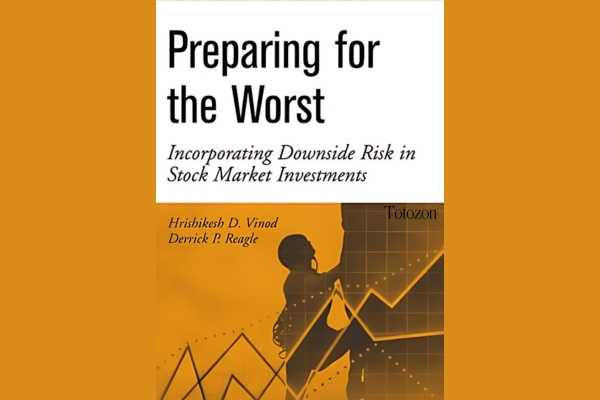 Preparing for the Worst: Incorporating Downside Risk in Stock Market Investments with Hrishikesh Vinod & Derrick Reagle
1 × $6.00
Preparing for the Worst: Incorporating Downside Risk in Stock Market Investments with Hrishikesh Vinod & Derrick Reagle
1 × $6.00 -
×
 5 Essential Building Blocks to Successful Trading Workshop with Steve "Slim" Miller
1 × $6.00
5 Essential Building Blocks to Successful Trading Workshop with Steve "Slim" Miller
1 × $6.00 -
×
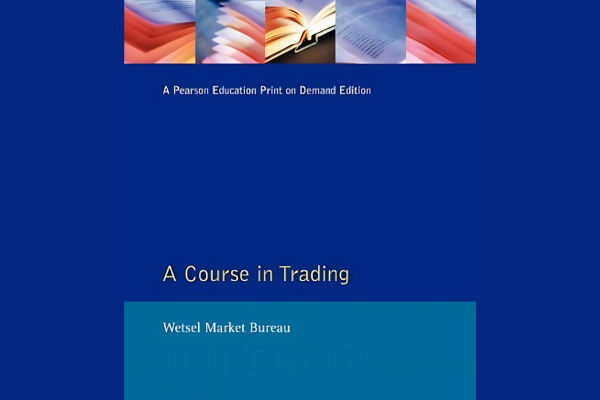 A Course in Trading with Donald Mack & Wetsel Market Bureau
1 × $6.00
A Course in Trading with Donald Mack & Wetsel Market Bureau
1 × $6.00 -
×
 Trading a Living Thing (Article) with David Bowden
1 × $6.00
Trading a Living Thing (Article) with David Bowden
1 × $6.00 -
×
 3-Line Break Method For Daytrading Eminis with Chris Curran
1 × $6.00
3-Line Break Method For Daytrading Eminis with Chris Curran
1 × $6.00 -
×
 SQX Mentorship with Tip Toe Hippo
1 × $23.00
SQX Mentorship with Tip Toe Hippo
1 × $23.00 -
×
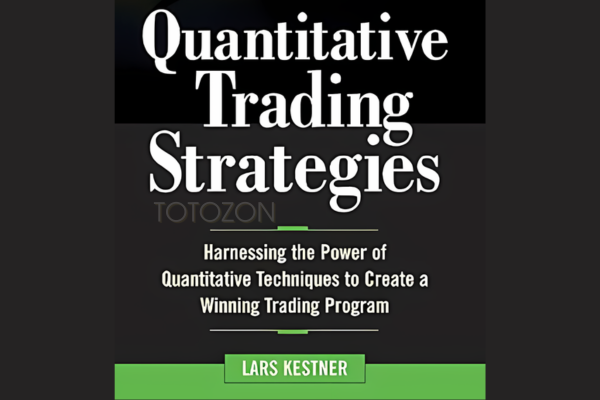 Quantitative Trading Strategies (1st Edition) with Lars Kestner
1 × $6.00
Quantitative Trading Strategies (1st Edition) with Lars Kestner
1 × $6.00 -
×
 Dan Sheridan Volatility Class
1 × $6.00
Dan Sheridan Volatility Class
1 × $6.00 -
×
 ICT Prodigy Trading Course – $650K in Payouts with Alex Solignani
1 × $15.00
ICT Prodigy Trading Course – $650K in Payouts with Alex Solignani
1 × $15.00 -
×
 Day trading master class with BKForex
1 × $6.00
Day trading master class with BKForex
1 × $6.00 -
×
 Investing with LEAPS. What You Should Know About Long Term Investing with James Bittman
1 × $6.00
Investing with LEAPS. What You Should Know About Long Term Investing with James Bittman
1 × $6.00 -
×
 ADR Pro For Metatrader 4.0 with Compass FX
1 × $15.00
ADR Pro For Metatrader 4.0 with Compass FX
1 × $15.00 -
×
 HandBook of Parametric and Nonparametric Statistical Procedures with David J.Sheskin
1 × $6.00
HandBook of Parametric and Nonparametric Statistical Procedures with David J.Sheskin
1 × $6.00 -
×
 The A14 Weekly Option Strategy Workshop with Amy Meissner
1 × $23.00
The A14 Weekly Option Strategy Workshop with Amy Meissner
1 × $23.00 -
×
 5 Day Volume Profile Analysis Indicator Course with Mark Stone
1 × $54.00
5 Day Volume Profile Analysis Indicator Course with Mark Stone
1 × $54.00 -
×
 Advanced Spread Trading with Guy Bower - MasterClass Trader
1 × $15.00
Advanced Spread Trading with Guy Bower - MasterClass Trader
1 × $15.00 -
×
 The Indices Orderflow Masterclass with The Forex Scalpers
1 × $23.00
The Indices Orderflow Masterclass with The Forex Scalpers
1 × $23.00 -
×
 Rise Precision Latest Course
1 × $10.00
Rise Precision Latest Course
1 × $10.00 -
×
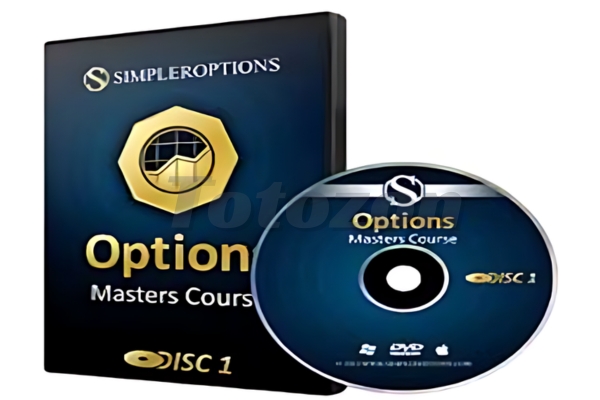 7 Days Options Masters Course with John Carter
1 × $54.00
7 Days Options Masters Course with John Carter
1 × $54.00 -
×
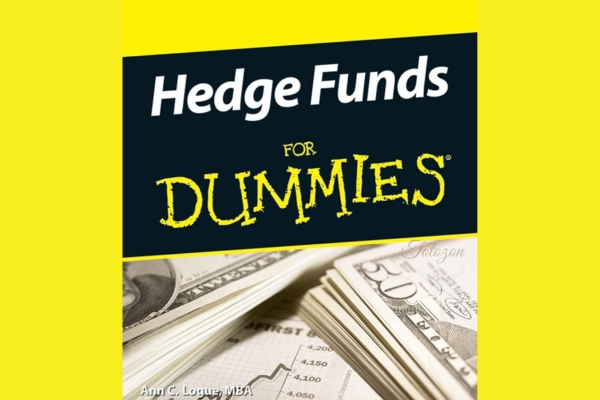 Hedge Funds for Dummies
1 × $6.00
Hedge Funds for Dummies
1 × $6.00 -
×
 Master Time Factor & Forecasting with Mathematical Rules
1 × $6.00
Master Time Factor & Forecasting with Mathematical Rules
1 × $6.00 -
×
 Carolyn Boroden Package
1 × $15.00
Carolyn Boroden Package
1 × $15.00 -
×
 Slim Miller's Cycle Analysis Workshop with Steve "Slim" Miller
1 × $6.00
Slim Miller's Cycle Analysis Workshop with Steve "Slim" Miller
1 × $6.00 -
×
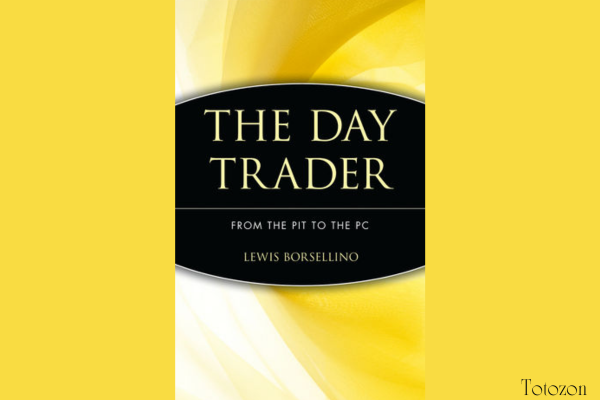 The Day Trader: From the Pit to the PC with Lewis Borsellino
1 × $6.00
The Day Trader: From the Pit to the PC with Lewis Borsellino
1 × $6.00 -
×
 Simpler Options - Double Diagonals Class
1 × $6.00
Simpler Options - Double Diagonals Class
1 × $6.00 -
×
 Picking the Best Stocks & Strategies for every Option Trade with James Bittman
1 × $6.00
Picking the Best Stocks & Strategies for every Option Trade with James Bittman
1 × $6.00 -
×
 A Really Friendly Guide to Wavelets with C.Vallens
1 × $6.00
A Really Friendly Guide to Wavelets with C.Vallens
1 × $6.00 -
×
 A Game Plan for Investing in the 21st Century with Thomas J.Dorsey
1 × $6.00
A Game Plan for Investing in the 21st Century with Thomas J.Dorsey
1 × $6.00 -
×
 Compass Trading System with Right Line Trading
1 × $39.00
Compass Trading System with Right Line Trading
1 × $39.00 -
×
 A Seminar On Ocean Theory Home Study Trading Course with Pat Raffalovich
1 × $6.00
A Seminar On Ocean Theory Home Study Trading Course with Pat Raffalovich
1 × $6.00 -
×
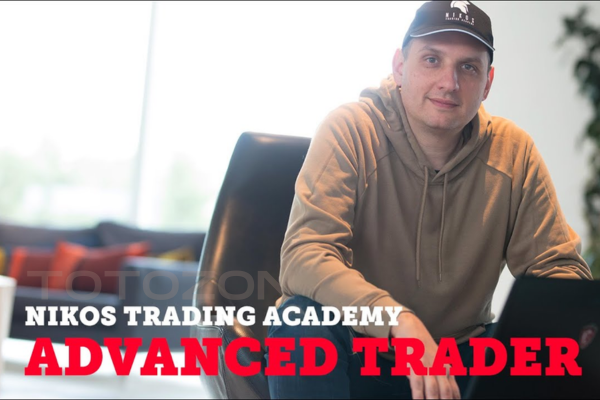 Advanced Trader with Nikos Trading Academy
1 × $5.00
Advanced Trader with Nikos Trading Academy
1 × $5.00 -
×
 Startup Trading Masterclass with Jack Gleason
1 × $93.00
Startup Trading Masterclass with Jack Gleason
1 × $93.00 -
×
 Starting Out in Futures Trading with Mark Powers
1 × $6.00
Starting Out in Futures Trading with Mark Powers
1 × $6.00 -
×
 Global Product with John Stark
1 × $6.00
Global Product with John Stark
1 × $6.00 -
×
 A Complete Guide to the Futures Market: Technical Analysis, Trading Systems, Fundamental Analysis, Options, Spreads, and Trading Principles (Wiley Trading) 2nd Edition - Jack Schwager
1 × $6.00
A Complete Guide to the Futures Market: Technical Analysis, Trading Systems, Fundamental Analysis, Options, Spreads, and Trading Principles (Wiley Trading) 2nd Edition - Jack Schwager
1 × $6.00 -
×
 The Bond Book (2nd Ed.) with Annette Thau
1 × $6.00
The Bond Book (2nd Ed.) with Annette Thau
1 × $6.00 -
×
 Essentials in Quantitative Trading QT01 By HangukQuant's
1 × $23.00
Essentials in Quantitative Trading QT01 By HangukQuant's
1 × $23.00 -
×
 Advanced Course with Jtrader
1 × $6.00
Advanced Course with Jtrader
1 × $6.00 -
×
 Practical Approach to Trend Following By Rajandran R
1 × $15.00
Practical Approach to Trend Following By Rajandran R
1 × $15.00 -
×
 JokerSZN Course with David
1 × $20.00
JokerSZN Course with David
1 × $20.00 -
×
 The Orderflow Masterclass with PrimeTrading
1 × $17.00
The Orderflow Masterclass with PrimeTrading
1 × $17.00 -
×
 Online Course - Why Wave Analysis Belongs in Every Trader's Toolbox with Jeffrey Kennedy - Elliott Wave
1 × $15.00
Online Course - Why Wave Analysis Belongs in Every Trader's Toolbox with Jeffrey Kennedy - Elliott Wave
1 × $15.00 -
×
 The Michanics of Futures Trading - Roy Habben
1 × $6.00
The Michanics of Futures Trading - Roy Habben
1 × $6.00 -
×
 ICT Mentorship – 2019
1 × $13.00
ICT Mentorship – 2019
1 × $13.00 -
×
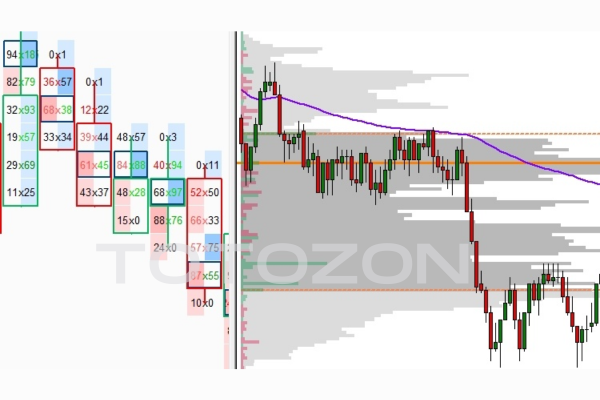 Day Trading with Volume Profile and Orderflow - Price Action Volume Trader
1 × $6.00
Day Trading with Volume Profile and Orderflow - Price Action Volume Trader
1 × $6.00 -
×
 White Phoenix’s The Smart (Money) Approach to Trading with Jayson Casper
1 × $39.00
White Phoenix’s The Smart (Money) Approach to Trading with Jayson Casper
1 × $39.00 -
×
 TRADING NFX Course with Andrew NFX
1 × $5.00
TRADING NFX Course with Andrew NFX
1 × $5.00 -
×
 TradeCraft: Your Path to Peak Performance Trading By Adam Grimes
1 × $15.00
TradeCraft: Your Path to Peak Performance Trading By Adam Grimes
1 × $15.00
Project Manager’s Spotlight on Risk Management with Kim Heldman
Original price was: $12.00.$5.00Current price is: $5.00.
File Size: Coming soon!
Delivery Time: 1–12 hours
Media Type: Online Course
Project Manager’s Spotlight on Risk Management with Kim Heldman
Introduction to Risk Management
In the complex world of project management, risk management is a crucial component that can determine the success or failure of a project. Kim Heldman, a renowned project management expert, shines a spotlight on this critical area in her book “Project Manager’s Spotlight on Risk Management.” This article delves into the key concepts, strategies, and insights presented by Heldman, providing a comprehensive guide for project managers.
Who is Kim Heldman?
Background and Expertise
Kim Heldman is a highly respected project management professional with over two decades of experience. She is the author of numerous books on project management, focusing on risk management, project planning, and execution.
Contributions to Project Management
Heldman’s contributions to project management literature are significant. Her books and articles provide practical insights and strategies that help project managers navigate the complexities of risk management effectively.
Understanding Risk Management
What is Risk Management?
Risk management involves identifying, assessing, and prioritizing risks followed by coordinated efforts to minimize, monitor, and control the probability or impact of unfortunate events.
Importance of Risk Management
Effective risk management ensures that potential problems are identified early, allowing for proactive measures to mitigate risks and maximize opportunities.
The Risk Management Process
Identifying Risks
Tools and Techniques
Heldman emphasizes the importance of using various tools and techniques to identify risks, such as brainstorming sessions, SWOT analysis, and expert judgment.
Documentation
Proper documentation of identified risks is crucial for tracking and managing them throughout the project lifecycle.
Assessing Risks
Qualitative Risk Analysis
This involves assessing the impact and likelihood of identified risks using a qualitative approach, such as risk matrices and probability-impact grids.
Quantitative Risk Analysis
Quantitative risk analysis uses numerical methods to quantify the impact of risks, providing a more detailed understanding of potential outcomes.
Prioritizing Risks
Risk Ranking
Heldman suggests ranking risks based on their potential impact and likelihood, enabling project managers to focus on the most critical risks.
Risk Appetite
Understanding the organization’s risk appetite helps in prioritizing risks and determining the level of risk that can be accepted.
Planning Risk Responses
Response Strategies
Heldman outlines various response strategies, including avoidance, mitigation, transfer, and acceptance, to manage risks effectively.
Contingency Plans
Developing contingency plans ensures that the project team is prepared to respond to risks promptly and effectively.
Monitoring and Controlling Risks
Regular Reviews
Regular risk reviews and updates to the risk management plan are essential for keeping track of risks and their status.
Performance Metrics
Using performance metrics helps in evaluating the effectiveness of risk management efforts and making necessary adjustments.
Practical Applications of Risk Management
Case Studies
Heldman’s book includes numerous case studies that illustrate the practical application of risk management principles in real-world projects.
Best Practices
Adopting best practices, such as involving stakeholders in risk management and maintaining open communication, enhances the effectiveness of risk management efforts.
Benefits of Effective Risk Management
Improved Project Outcomes
Effective risk management leads to better project outcomes by minimizing negative impacts and maximizing opportunities.
Increased Stakeholder Confidence
Proactive risk management increases stakeholder confidence in the project’s success and the project manager’s ability to handle challenges.
Enhanced Decision-Making
Having a clear understanding of potential risks enables better decision-making and resource allocation.
Challenges in Risk Management
Complexity
Risk management can be complex, especially in large projects with numerous stakeholders and moving parts.
Resistance to Change
Some team members may resist risk management efforts, viewing them as additional work rather than essential activities.
Uncertainty
Dealing with uncertainty is inherent in risk management, making it challenging to predict and manage all potential risks.
Tools and Resources for Risk Management
Software Tools
Various software tools, such as Microsoft Project and Primavera, offer robust features for risk management, including risk identification, assessment, and monitoring.
Educational Resources
Books, courses, and webinars by experts like Kim Heldman provide valuable insights and knowledge for enhancing risk management skills.
Integrating Risk Management with Project Management
Aligning with Project Goals
Risk management should be aligned with the overall project goals and objectives to ensure that it supports the project’s success.
Involving the Team
Involving the entire project team in risk management efforts fosters a collaborative approach and ensures that all potential risks are considered.
Continuous Improvement
Continuous improvement in risk management practices is essential for adapting to new challenges and enhancing the effectiveness of risk management efforts.
Conclusion
“Project Manager’s Spotlight on Risk Management” by Kim Heldman offers a comprehensive guide to mastering risk management in project management. By following the strategies and insights provided by Heldman, project managers can effectively identify, assess, and manage risks, leading to improved project outcomes and increased stakeholder confidence. Embrace these principles and elevate your risk management practices to ensure the success of your projects.
FAQs
What is risk management in project management?
Risk management involves identifying, assessing, and prioritizing risks, followed by coordinated efforts to minimize, monitor, and control their impact on the project.
Who is Kim Heldman?
Kim Heldman is a renowned project management expert with extensive experience and author of several influential books on project management.
What are the key steps in the risk management process?
The key steps include identifying risks, assessing risks, prioritizing risks, planning risk responses, and monitoring and controlling risks.
Why is risk management important in projects?
Effective risk management ensures potential problems are identified early, allowing proactive measures to mitigate risks and maximize opportunities, leading to better project outcomes.
How can I improve my risk management skills?
Improving risk management skills involves continuous learning through books, courses, and webinars, as well as practical application of risk management principles in projects.
Be the first to review “Project Manager’s Spotlight on Risk Management with Kim Heldman”
You must be logged in to post a review.
Related products

Original price was: $649.00.$20.00Current price is: $20.00.

Forex Trading
Original price was: $249.00.$15.00Current price is: $15.00.

Forex Trading
Original price was: $2,995.00.$31.00Current price is: $31.00.
Original price was: $1,849.00.$15.00Current price is: $15.00.

Forex Trading
Original price was: $797.00.$10.00Current price is: $10.00.
Forex Trading
Original price was: $2,000.00.$23.00Current price is: $23.00.

Forex Trading
Original price was: $697.00.$5.00Current price is: $5.00.

Original price was: $1,200.00.$23.00Current price is: $23.00.

Forex Trading
Original price was: $1,898.00.$10.00Current price is: $10.00.

Original price was: $997.00.$13.00Current price is: $13.00.
Original price was: $310.00.$23.00Current price is: $23.00.

Forex Trading
Original price was: $499.00.$15.00Current price is: $15.00.
Forex Trading
Original price was: $125.00.$17.00Current price is: $17.00.
Forex Trading
Original price was: $1,098.00.$39.00Current price is: $39.00.

Forex Trading
Original price was: $239.00.$8.00Current price is: $8.00.

Forex Trading
Original price was: $999.00.$15.00Current price is: $15.00.

Forex Trading
Original price was: $550.00.$5.00Current price is: $5.00.
Original price was: $895.00.$15.00Current price is: $15.00.
Original price was: $450.00.$23.00Current price is: $23.00.
Forex Trading
Original price was: $2,997.00.$23.00Current price is: $23.00.
Reviews
There are no reviews yet.