
-
×
 The Cycles and The Codes with Myles Wilson-Walker
1 × $15.00
The Cycles and The Codes with Myles Wilson-Walker
1 × $15.00 -
×
 Stock Trading Wizard
1 × $6.00
Stock Trading Wizard
1 × $6.00 -
×
 Quant Edge with T3 Live
1 × $6.00
Quant Edge with T3 Live
1 × $6.00 -
×
 Advanced Iron Condor Course in 2021
1 × $6.00
Advanced Iron Condor Course in 2021
1 × $6.00 -
×
 An Ultimate Guide to Successful Investing with Trading Tuitions
1 × $23.00
An Ultimate Guide to Successful Investing with Trading Tuitions
1 × $23.00 -
×
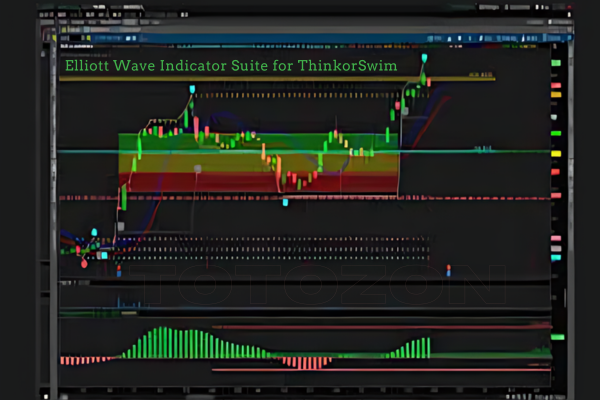 Elliott Wave Indicator Suite for ThinkorSwim
1 × $15.00
Elliott Wave Indicator Suite for ThinkorSwim
1 × $15.00 -
×
 How Do You See Risk? A Guide to Evaluating & Applying Technical Volatility Indicators class with Jeff Bierman
1 × $6.00
How Do You See Risk? A Guide to Evaluating & Applying Technical Volatility Indicators class with Jeff Bierman
1 × $6.00 -
×
 All About Market Timing with Leslie N.Masonson
1 × $6.00
All About Market Timing with Leslie N.Masonson
1 × $6.00 -
×
 Dynamic Time Cycles with Peter Eliades
1 × $6.00
Dynamic Time Cycles with Peter Eliades
1 × $6.00 -
×
 Forex Avenger Trading System with David Curran
1 × $6.00
Forex Avenger Trading System with David Curran
1 × $6.00 -
×
 Naked Trading Part 1 with Base Camp Trading
1 × $6.00
Naked Trading Part 1 with Base Camp Trading
1 × $6.00 -
×
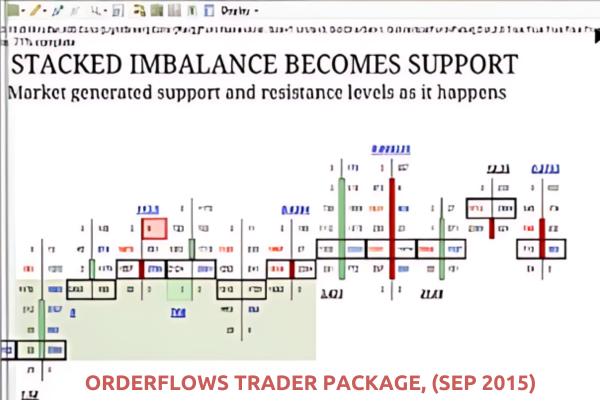 OrderFlows Trader Package, (Sep 2015)
1 × $54.00
OrderFlows Trader Package, (Sep 2015)
1 × $54.00 -
×
 Technical Analysis By JC Parets - Investopedia Academy
1 × $15.00
Technical Analysis By JC Parets - Investopedia Academy
1 × $15.00 -
×
 Cotton Trading Manual with Terry Townsend
1 × $6.00
Cotton Trading Manual with Terry Townsend
1 × $6.00 -
×
 Market Masters. How Traders Think Trade And Invest with Jake Bernstein
1 × $6.00
Market Masters. How Traders Think Trade And Invest with Jake Bernstein
1 × $6.00 -
×
 Beginner's Guide to Ratio Butterflys Class with Don Kaufman
1 × $6.00
Beginner's Guide to Ratio Butterflys Class with Don Kaufman
1 × $6.00 -
×
 How Stocks Work with David L.Scott
1 × $6.00
How Stocks Work with David L.Scott
1 × $6.00 -
×
 FasTrack Premium with Note Conference
1 × $78.00
FasTrack Premium with Note Conference
1 × $78.00 -
×
 The Hindenburg Strategy with Todd Mitchell
1 × $23.00
The Hindenburg Strategy with Todd Mitchell
1 × $23.00 -
×
 Prometheus Course with QuantProgram
1 × $13.00
Prometheus Course with QuantProgram
1 × $13.00 -
×
 Short Swing Trading v6.0 with David Smith
1 × $6.00
Short Swing Trading v6.0 with David Smith
1 × $6.00 -
×
 FXStreet Unrecorded Webinars Sept & Oct, 2011 with Sam Seiden
1 × $6.00
FXStreet Unrecorded Webinars Sept & Oct, 2011 with Sam Seiden
1 × $6.00 -
×
 All About Dividend Investing with Don Schreiber & Gary Stroik
1 × $6.00
All About Dividend Investing with Don Schreiber & Gary Stroik
1 × $6.00 -
×
 Fibonacci Trading & Dynamic Profit Targeting with Base Camp Trading
1 × $15.00
Fibonacci Trading & Dynamic Profit Targeting with Base Camp Trading
1 × $15.00 -
×
 Profit Generating System with Brian Williams
1 × $6.00
Profit Generating System with Brian Williams
1 × $6.00 -
×
 Advanced Cycles with Nick Santiago - InTheMoneyStocks
1 × $171.00
Advanced Cycles with Nick Santiago - InTheMoneyStocks
1 × $171.00 -
×
 Beginners Guide To Technical Analysis with Henry Gambell
1 × $15.00
Beginners Guide To Technical Analysis with Henry Gambell
1 × $15.00 -
×
 Futures Trading (German)
1 × $6.00
Futures Trading (German)
1 × $6.00 -
×
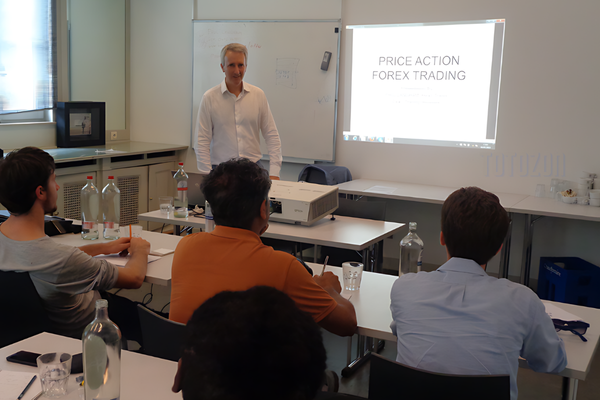 Exacttrading - Price Action Trader Course
1 × $15.00
Exacttrading - Price Action Trader Course
1 × $15.00 -
×
 The Great Divergence: China, Europe, and the Making of the Modern World Economy with Kenneth Pomeranz
1 × $6.00
The Great Divergence: China, Europe, and the Making of the Modern World Economy with Kenneth Pomeranz
1 × $6.00 -
×
 Scientific Forex with Cristina Ciurea
1 × $6.00
Scientific Forex with Cristina Ciurea
1 × $6.00 -
×
 Acclimation Course with Base Camp Trading
1 × $10.00
Acclimation Course with Base Camp Trading
1 × $10.00 -
×
 Elite Gap Trading with Nick Santiago - InTheMoneyStocks
1 × $93.00
Elite Gap Trading with Nick Santiago - InTheMoneyStocks
1 × $93.00 -
×
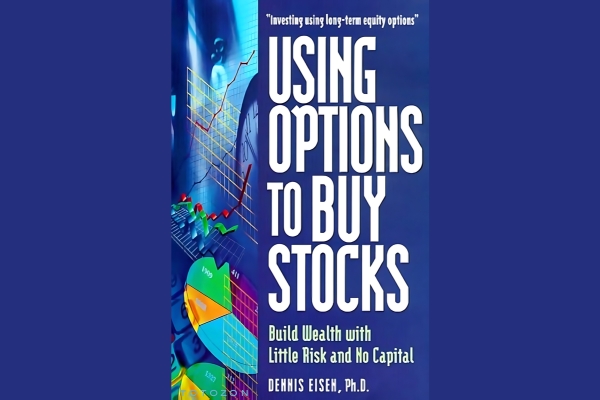 Using Options to Buy Stocks: Build Wealth with Little Risk and No Capital - Dennis Eisen
1 × $4.00
Using Options to Buy Stocks: Build Wealth with Little Risk and No Capital - Dennis Eisen
1 × $4.00 -
×
 7 DAY INTENSIVE ONLINE TRADER TRAINING PROGRAMME with The Trading Framework
1 × $15.00
7 DAY INTENSIVE ONLINE TRADER TRAINING PROGRAMME with The Trading Framework
1 × $15.00 -
×
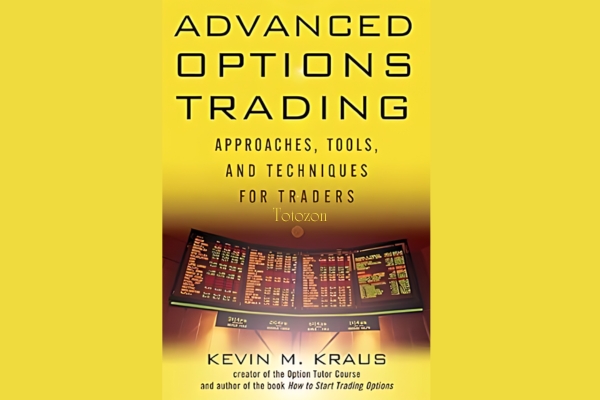 Advanced Options Trading: Approaches, Tools, and Techniques for Professionals Traders with Kevin Kraus
1 × $6.00
Advanced Options Trading: Approaches, Tools, and Techniques for Professionals Traders with Kevin Kraus
1 × $6.00 -
×
 Psychology of the Stock Market (1912) with G.C.Selden
1 × $6.00
Psychology of the Stock Market (1912) with G.C.Selden
1 × $6.00 -
×
 Trading For Busy People with Josias Kere
1 × $6.00
Trading For Busy People with Josias Kere
1 × $6.00 -
×
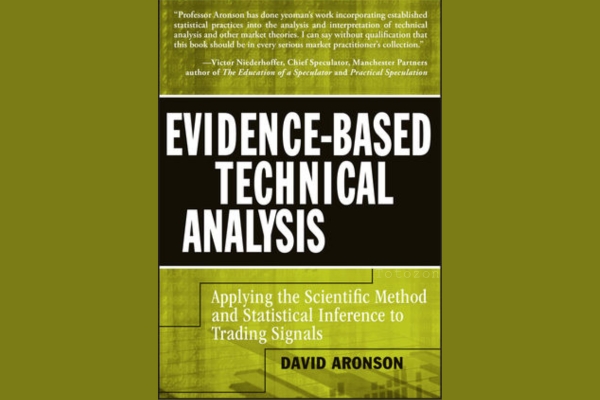 Evidence Based Technical Analysis with David Aronson
1 × $6.00
Evidence Based Technical Analysis with David Aronson
1 × $6.00 -
×
 The Practical Fractal with Bill Williams
1 × $6.00
The Practical Fractal with Bill Williams
1 × $6.00 -
×
 Earnings Engine with Sami Abusaad - T3 Live
1 × $6.00
Earnings Engine with Sami Abusaad - T3 Live
1 × $6.00 -
×
 How to Analyze Multifamily Investment Opportunities with Symon He & Brandon Young
1 × $6.00
How to Analyze Multifamily Investment Opportunities with Symon He & Brandon Young
1 × $6.00 -
×
 ProfileTraders - Swing and Price Analysis (May 2014)
1 × $6.00
ProfileTraders - Swing and Price Analysis (May 2014)
1 × $6.00 -
×
 Trading with MORE Special Set-ups - Recorded Webinar
1 × $15.00
Trading with MORE Special Set-ups - Recorded Webinar
1 × $15.00 -
×
 Advanced Trading Techniques 2 CDs with Sammy Chua
1 × $6.00
Advanced Trading Techniques 2 CDs with Sammy Chua
1 × $6.00 -
×
 RSI Unleashed: Building a Comprehensive Trading Framework By Doc Severson
1 × $6.00
RSI Unleashed: Building a Comprehensive Trading Framework By Doc Severson
1 × $6.00 -
×
 Swing Trading Futures & Commodities with the COT
1 × $93.00
Swing Trading Futures & Commodities with the COT
1 × $93.00 -
×
 Essentials in Quantitative Trading QT01 By HangukQuant's
1 × $23.00
Essentials in Quantitative Trading QT01 By HangukQuant's
1 × $23.00 -
×
 SATYA 2 - Online Immersion - January 2023 By Tias Little
1 × $225.00
SATYA 2 - Online Immersion - January 2023 By Tias Little
1 × $225.00 -
×
 The Orderflow Masterclass with PrimeTrading
1 × $17.00
The Orderflow Masterclass with PrimeTrading
1 × $17.00 -
×
 Professional Chart Reading Bootcamp - 2 CDs
1 × $6.00
Professional Chart Reading Bootcamp - 2 CDs
1 × $6.00 -
×
 EFT – The Art of Delivery with Gary Craig
1 × $5.00
EFT – The Art of Delivery with Gary Craig
1 × $5.00 -
×
 Compass Trading System with Right Line Trading
1 × $39.00
Compass Trading System with Right Line Trading
1 × $39.00 -
×
 Slapped by the Invisible Hand: The Panic of 2007 with Gary Gorton
1 × $6.00
Slapped by the Invisible Hand: The Panic of 2007 with Gary Gorton
1 × $6.00 -
×
 Foundational Chart Analysis Series: Support / Resistance Techniques of Professional Traders 6 DVD Home Study Course
1 × $54.00
Foundational Chart Analysis Series: Support / Resistance Techniques of Professional Traders 6 DVD Home Study Course
1 × $54.00 -
×
 Forex Project Advanced Course with Tyler Crowell
1 × $5.00
Forex Project Advanced Course with Tyler Crowell
1 × $5.00 -
×
 Stock Market Wizards Interviews with America’s Top Stock Traders - Jack Schwager
1 × $6.00
Stock Market Wizards Interviews with America’s Top Stock Traders - Jack Schwager
1 × $6.00 -
×
 How I use Technical Analysis & Orderflow with Adam Webb - Traderskew
1 × $54.00
How I use Technical Analysis & Orderflow with Adam Webb - Traderskew
1 × $54.00 -
×
 Risk Stop Loss and Position Size with Daryl Guppy
1 × $6.00
Risk Stop Loss and Position Size with Daryl Guppy
1 × $6.00 -
×
 Peter Borish Online Trader Program
1 × $15.00
Peter Borish Online Trader Program
1 × $15.00 -
×
 All About High-Frequency Trading with Michael Durbin
1 × $6.00
All About High-Frequency Trading with Michael Durbin
1 × $6.00 -
×
 Matrix Spread Options Trading Course with Base Camp Trading
1 × $31.00
Matrix Spread Options Trading Course with Base Camp Trading
1 × $31.00

How to Lose Money Profitably with Mark D.Cook
$6.00
File Size: Coming soon!
Delivery Time: 1–12 hours
Media Type: Online Course
Content Proof: Watch Here!
You may check content proof of “How to Lose Money Profitably with Mark D.Cook” below:

How to Lose Money Profitably with Mark D. Cook
Introduction
In the realm of investing and trading, the notion of losing money profitably might sound paradoxical. However, Mark D. Cook, a seasoned trader with decades of experience, introduces a unique perspective that transforms this paradox into a practical strategy. In this article, we explore the fascinating concept of losing money profitably, uncovering the principles, methods, and mindset needed to make it work.
Understanding the Concept
What Does It Mean to Lose Money Profitably?
Losing money profitably involves making calculated losses that ultimately contribute to greater long-term gains. This approach requires a deep understanding of market dynamics, risk management, and psychological resilience.
The Philosophy Behind the Strategy
Cook’s philosophy is grounded in the belief that small, controlled losses are essential to preserve capital and seize profitable opportunities when they arise. By embracing losses as part of the trading journey, traders can avoid catastrophic failures and build sustainable success.
The Key Principles
1. Risk Management
Setting Loss Limits
Establishing clear loss limits is crucial. Cook advises setting a maximum loss threshold for each trade, ensuring that no single loss can significantly impact overall capital.
Diversification
Diversifying investments helps mitigate risk. By spreading funds across various assets, traders can reduce the impact of a poor-performing trade on their overall portfolio.
2. Emotional Discipline
Avoiding Emotional Trading
Emotions can cloud judgment and lead to impulsive decisions. Cook emphasizes the importance of sticking to a well-defined trading plan and avoiding emotional reactions to market fluctuations.
Learning from Losses
Viewing losses as learning opportunities rather than failures is key. Analyzing what went wrong and adjusting strategies accordingly fosters growth and resilience.
Strategies for Profitable Losses
1. The Stop-Loss Strategy
Implementing Stop-Loss Orders
Stop-loss orders automatically sell a security when it reaches a predetermined price, limiting potential losses. This strategy ensures that losses remain within acceptable limits.
Adjusting Stop-Loss Levels
Regularly reviewing and adjusting stop-loss levels based on market conditions and performance trends is essential for maintaining effective risk management.
2. The Hedging Technique
What is Hedging?
Hedging involves taking offsetting positions in related assets to reduce risk. For example, buying put options can protect against potential declines in stock prices.
Benefits of Hedging
Hedging provides a safety net, allowing traders to take calculated risks without exposing their entire portfolio to potential losses.
3. The Cut-Losses-Quickly Approach
Recognizing Failing Trades
Identifying trades that are not performing as expected and exiting them quickly can prevent small losses from escalating into significant setbacks.
Maintaining Flexibility
Staying flexible and open to changing market conditions enables traders to adapt their strategies and minimize losses effectively.
The Psychological Aspect
1. Building Resilience
Developing a Positive Mindset
Maintaining a positive outlook despite losses is vital. Cook suggests focusing on long-term goals and viewing each loss as a step toward improvement.
Stress Management Techniques
Practicing stress management techniques such as mindfulness and regular exercise can help traders stay calm and make rational decisions.
2. Continuous Learning
Staying Informed
Keeping up with market trends, economic news, and industry developments ensures traders are well-informed and prepared to adjust their strategies as needed.
Seeking Mentorship
Learning from experienced traders, such as Mark D. Cook, provides valuable insights and practical advice for navigating the complexities of trading.
Implementing the Strategy
1. Developing a Trading Plan
Setting Clear Goals
Define specific, achievable goals for trading activities, including profit targets and acceptable loss limits.
Regular Evaluation
Regularly review and evaluate the trading plan’s effectiveness, making adjustments as necessary to improve performance.
2. Practicing Patience
Avoiding Overtrading
Overtrading can lead to increased losses and diminished returns. Cook advises patience and waiting for high-probability opportunities.
Allowing Trades to Develop
Give trades sufficient time to develop according to the plan. Avoid premature exits based on short-term fluctuations.
Conclusion
Losing money profitably, as taught by Mark D. Cook, is a sophisticated strategy that requires a blend of risk management, emotional discipline, and continuous learning. By embracing controlled losses as part of the trading journey, traders can protect their capital, learn valuable lessons, and ultimately achieve long-term success. Remember, the key is not to avoid losses but to manage them wisely and profit from the experience.
FAQs
1. What is the main idea behind losing money profitably?
The main idea is to make small, controlled losses that protect overall capital and create opportunities for larger, more profitable gains.
2. How does risk management play a role in this strategy?
Risk management is crucial as it involves setting loss limits, diversifying investments, and implementing strategies like stop-loss orders to minimize potential losses.
3. Why is emotional discipline important in trading?
Emotional discipline helps traders avoid impulsive decisions driven by fear or greed, ensuring they stick to their trading plan and make rational choices.
4. What is the significance of stop-loss orders?
Stop-loss orders help limit losses by automatically selling a security when it reaches a predetermined price, protecting traders from significant setbacks.
5. How can continuous learning benefit traders?
Continuous learning keeps traders informed about market trends and strategies, enabling them to adapt and improve their trading performance over time.
Be the first to review “How to Lose Money Profitably with Mark D.Cook”
You must be logged in to post a review.
Related products

Original price was: $1,800.00.$54.00Current price is: $54.00.

Original price was: $695.00.$41.00Current price is: $41.00.

Forex Trading
Original price was: $697.00.$5.00Current price is: $5.00.

Original price was: $139.00.$23.00Current price is: $23.00.
Forex Trading
Original price was: $850.00.$23.00Current price is: $23.00.

Original price was: $450.00.$23.00Current price is: $23.00.

Original price was: $4,995.00.$15.00Current price is: $15.00.

Original price was: $997.00.$8.00Current price is: $8.00.

Forex Trading
Original price was: $239.00.$8.00Current price is: $8.00.

Forex Trading
The Complete Guide to Multiple Time Frame Analysis & Reading Price Action with Aiman Almansoori
Original price was: $1,399.00.$13.00Current price is: $13.00.

Forex Trading
Original price was: $499.00.$15.00Current price is: $15.00.

Original price was: $299.00.$8.00Current price is: $8.00.

Forex Trading
Original price was: $999.00.$15.00Current price is: $15.00.

Forex Trading
Original price was: $2,000.00.$23.00Current price is: $23.00.

Original price was: $310.00.$23.00Current price is: $23.00.

Original price was: $895.00.$15.00Current price is: $15.00.

Original price was: $197.00.$5.00Current price is: $5.00.
Forex Trading
Original price was: $125.00.$17.00Current price is: $17.00.

Forex Trading
Original price was: $249.00.$15.00Current price is: $15.00.

Original price was: $799.00.$15.00Current price is: $15.00.

Reviews
There are no reviews yet.