
-
×
 The Amazing Common Sense Guide To Investment Success with John Thomchick
1 × $6.00
The Amazing Common Sense Guide To Investment Success with John Thomchick
1 × $6.00 -
×
 Complete Times Course with Afshin Taghechian
1 × $6.00
Complete Times Course with Afshin Taghechian
1 × $6.00 -
×
 Geometry of Markets I with Bruce Gilmore
1 × $6.00
Geometry of Markets I with Bruce Gilmore
1 × $6.00 -
×
 Inefficient Markets with Andrei Shleifer
1 × $6.00
Inefficient Markets with Andrei Shleifer
1 × $6.00 -
×
 Master The Markets 2.0 with French Trader
1 × $6.00
Master The Markets 2.0 with French Trader
1 × $6.00 -
×
 Forex Retracement Theory with CopperChips
1 × $6.00
Forex Retracement Theory with CopperChips
1 × $6.00 -
×
 Quarterly Theory with Trader Daye
1 × $20.00
Quarterly Theory with Trader Daye
1 × $20.00 -
×
 Quantitative Trading and Money Management, Revised Edition (5th Edition) with Fred Gehm
1 × $6.00
Quantitative Trading and Money Management, Revised Edition (5th Edition) with Fred Gehm
1 × $6.00 -
×
 A Complete Guide to the Futures Market: Technical Analysis, Trading Systems, Fundamental Analysis, Options, Spreads, and Trading Principles (Wiley Trading) 2nd Edition - Jack Schwager
1 × $6.00
A Complete Guide to the Futures Market: Technical Analysis, Trading Systems, Fundamental Analysis, Options, Spreads, and Trading Principles (Wiley Trading) 2nd Edition - Jack Schwager
1 × $6.00 -
×
 ”Trading With The Generals 2003-2004” Training Course with Kevin Haggerty
1 × $6.00
”Trading With The Generals 2003-2004” Training Course with Kevin Haggerty
1 × $6.00 -
×
 Pattern Recognition: A Fundamental Introduction to Japanese Candlestick Charting Techniques Class with Jeff Bierman
1 × $6.00
Pattern Recognition: A Fundamental Introduction to Japanese Candlestick Charting Techniques Class with Jeff Bierman
1 × $6.00 -
×
 7 Days Options Masters Course with John Carter
1 × $54.00
7 Days Options Masters Course with John Carter
1 × $54.00 -
×
 The Master Trader Bundle with Gareth Soloway
1 × $39.00
The Master Trader Bundle with Gareth Soloway
1 × $39.00 -
×
 The Indices Orderflow Masterclass with The Forex Scalpers
1 × $23.00
The Indices Orderflow Masterclass with The Forex Scalpers
1 × $23.00 -
×
 Advanced AmiBroker Coding with Matt Radtke & Connors Research
1 × $23.00
Advanced AmiBroker Coding with Matt Radtke & Connors Research
1 × $23.00 -
×
 Profiting In Bull Or Bear Markets with George Dagnino
1 × $6.00
Profiting In Bull Or Bear Markets with George Dagnino
1 × $6.00 -
×
 ICT Prodigy Trading Course – $650K in Payouts with Alex Solignani
1 × $15.00
ICT Prodigy Trading Course – $650K in Payouts with Alex Solignani
1 × $15.00 -
×
 Floor Traders Edge Mentorship Program with Market Geeks
1 × $6.00
Floor Traders Edge Mentorship Program with Market Geeks
1 × $6.00 -
×
 The Ticker Investment Digest Articles
1 × $6.00
The Ticker Investment Digest Articles
1 × $6.00 -
×
 RSI Unleashed: Building a Comprehensive Trading Framework By Doc Severson
1 × $6.00
RSI Unleashed: Building a Comprehensive Trading Framework By Doc Severson
1 × $6.00 -
×
 Essential Stock Picking Strategies with Daniel Strachman
1 × $6.00
Essential Stock Picking Strategies with Daniel Strachman
1 × $6.00 -
×
 The 4 Horsemen CD with David Elliott
1 × $6.00
The 4 Horsemen CD with David Elliott
1 × $6.00 -
×
 EFT – The Art of Delivery with Gary Craig
1 × $5.00
EFT – The Art of Delivery with Gary Craig
1 × $5.00 -
×
 A Working Man's Forex Position Trading System 2010 with Alan Benefield
1 × $6.00
A Working Man's Forex Position Trading System 2010 with Alan Benefield
1 × $6.00 -
×
 A Really Friendly Guide to Wavelets with C.Vallens
1 × $6.00
A Really Friendly Guide to Wavelets with C.Vallens
1 × $6.00 -
×
 Planetary Harmonics of Speculative Markets with Larry Pesavento
1 × $6.00
Planetary Harmonics of Speculative Markets with Larry Pesavento
1 × $6.00 -
×
 The Raptor 10 Momentum Methodology Course
1 × $6.00
The Raptor 10 Momentum Methodology Course
1 × $6.00 -
×
 Core Concepts Mastery with DreamsFX
1 × $5.00
Core Concepts Mastery with DreamsFX
1 × $5.00 -
×
 Forex Trading Course with Mike Norman
1 × $17.00
Forex Trading Course with Mike Norman
1 × $17.00 -
×
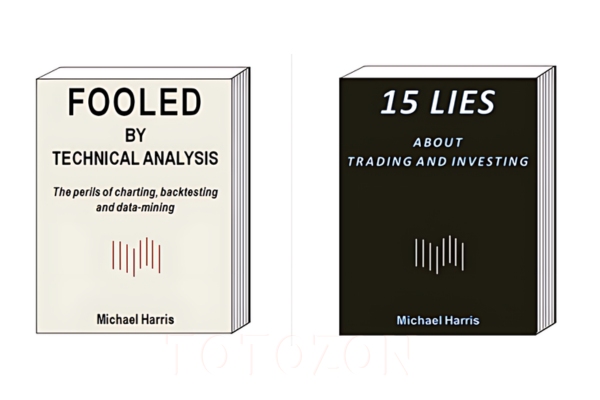 Trading Books with Michael Harris
1 × $6.00
Trading Books with Michael Harris
1 × $6.00 -
×
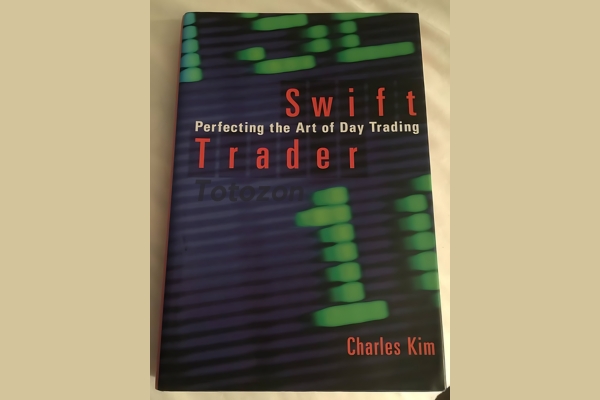 Swift Trader, Perfecting the Art of DayTrading with Charles Kim
1 × $6.00
Swift Trader, Perfecting the Art of DayTrading with Charles Kim
1 × $6.00 -
×
 P.A.T Trading Course (Low Video Quality) with Martin Cole
1 × $6.00
P.A.T Trading Course (Low Video Quality) with Martin Cole
1 × $6.00 -
×
 AI For Traders with Trading Markets
1 × $31.00
AI For Traders with Trading Markets
1 × $31.00 -
×
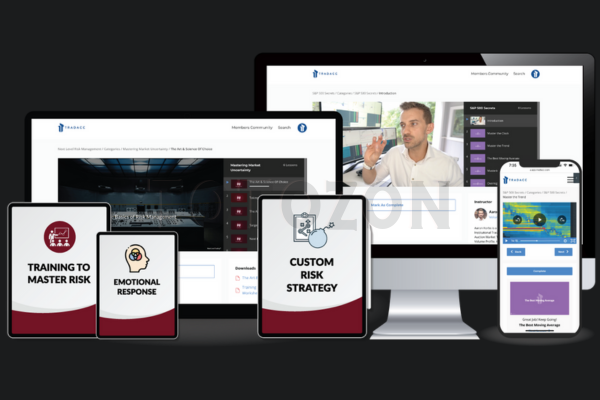 S&P 500 Secrets + Next Level Risk Management with Tradacc
1 × $8.00
S&P 500 Secrets + Next Level Risk Management with Tradacc
1 × $8.00 -
×
 Creating the Optimal Trade for Explosive Profits with George A.Fontanills
1 × $6.00
Creating the Optimal Trade for Explosive Profits with George A.Fontanills
1 × $6.00 -
×
 Equity Trader 101 Course with KeyStone Trading
1 × $6.00
Equity Trader 101 Course with KeyStone Trading
1 × $6.00 -
×
 Tradingriot Bootcamp + Blueprint 3.0
1 × $6.00
Tradingriot Bootcamp + Blueprint 3.0
1 × $6.00 -
×
 Follow the Leader Trading System with Anthony Gibson
1 × $6.00
Follow the Leader Trading System with Anthony Gibson
1 × $6.00 -
×
 Advent Forex Course with Cecil Robles
1 × $6.00
Advent Forex Course with Cecil Robles
1 × $6.00 -
×
 Volume Profile 2023 (Elite Pack) with Trader Dale
1 × $5.00
Volume Profile 2023 (Elite Pack) with Trader Dale
1 × $5.00 -
×
 14-Day Options Trading Bootcamp (Jule 2014)
1 × $15.00
14-Day Options Trading Bootcamp (Jule 2014)
1 × $15.00 -
×
 The Aggressive Conservative Investor with Martin Whitman & Martin Shubik
1 × $6.00
The Aggressive Conservative Investor with Martin Whitman & Martin Shubik
1 × $6.00 -
×
 The Trading Blueprint with Brad Goh - The Trading Geek
1 × $5.00
The Trading Blueprint with Brad Goh - The Trading Geek
1 × $5.00 -
×
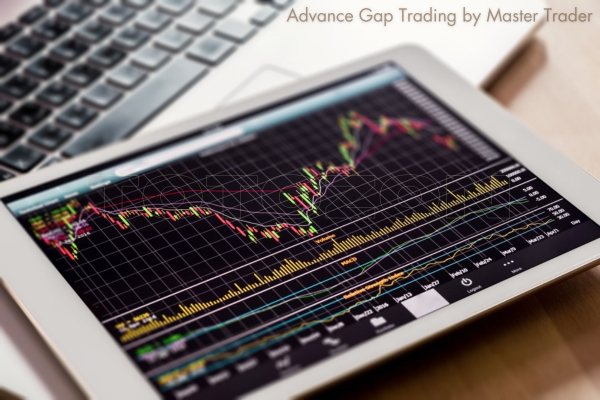 Advance Gap Trading with Master Trader
1 × $39.00
Advance Gap Trading with Master Trader
1 × $39.00 -
×
 Volume Profile 2023 (Order Flow Pack) with Trader Dale
1 × $5.00
Volume Profile 2023 (Order Flow Pack) with Trader Dale
1 × $5.00 -
×
 The Sweep Show with Scott Pulcini Trader
1 × $23.00
The Sweep Show with Scott Pulcini Trader
1 × $23.00 -
×
 TOP Gamma Bundle with TopTrade Tools
1 × $69.00
TOP Gamma Bundle with TopTrade Tools
1 × $69.00 -
×
 Butterfly and Condor Workshop with Aeromir
1 × $15.00
Butterfly and Condor Workshop with Aeromir
1 × $15.00 -
×
 Activedaytrader - Workshop: Unusual Options
1 × $6.00
Activedaytrader - Workshop: Unusual Options
1 × $6.00 -
×
 2016 Chicago Annual Options Seminar with Dan Sheridan
1 × $23.00
2016 Chicago Annual Options Seminar with Dan Sheridan
1 × $23.00 -
×
 Elliott Wave Indicator Suite for ThinkorSwim
1 × $15.00
Elliott Wave Indicator Suite for ThinkorSwim
1 × $15.00 -
×
 The A14 Weekly Option Strategy Workshop with Amy Meissner
1 × $23.00
The A14 Weekly Option Strategy Workshop with Amy Meissner
1 × $23.00 -
×
 3 Day WorkShop with HYDRA
1 × $13.00
3 Day WorkShop with HYDRA
1 × $13.00 -
×
 The Any Hour Trading System with Markets Mastered
1 × $6.00
The Any Hour Trading System with Markets Mastered
1 × $6.00 -
×
 RSI Basic with Andrew Cardwell
1 × $54.00
RSI Basic with Andrew Cardwell
1 × $54.00 -
×
 Stock Market Crash of 1929 with Aron Abrams
1 × $6.00
Stock Market Crash of 1929 with Aron Abrams
1 × $6.00 -
×
 Trading Short TermSame Day Trades Sep 2023 with Dan Sheridan & Mark Fenton - Sheridan Options Mentoring
1 × $31.00
Trading Short TermSame Day Trades Sep 2023 with Dan Sheridan & Mark Fenton - Sheridan Options Mentoring
1 × $31.00

How to Lose Money Profitably with Mark D.Cook
$6.00
File Size: Coming soon!
Delivery Time: 1–12 hours
Media Type: Online Course
Content Proof: Watch Here!
You may check content proof of “How to Lose Money Profitably with Mark D.Cook” below:
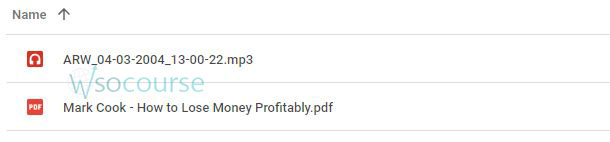
How to Lose Money Profitably with Mark D. Cook
Introduction
In the realm of investing and trading, the notion of losing money profitably might sound paradoxical. However, Mark D. Cook, a seasoned trader with decades of experience, introduces a unique perspective that transforms this paradox into a practical strategy. In this article, we explore the fascinating concept of losing money profitably, uncovering the principles, methods, and mindset needed to make it work.
Understanding the Concept
What Does It Mean to Lose Money Profitably?
Losing money profitably involves making calculated losses that ultimately contribute to greater long-term gains. This approach requires a deep understanding of market dynamics, risk management, and psychological resilience.
The Philosophy Behind the Strategy
Cook’s philosophy is grounded in the belief that small, controlled losses are essential to preserve capital and seize profitable opportunities when they arise. By embracing losses as part of the trading journey, traders can avoid catastrophic failures and build sustainable success.
The Key Principles
1. Risk Management
Setting Loss Limits
Establishing clear loss limits is crucial. Cook advises setting a maximum loss threshold for each trade, ensuring that no single loss can significantly impact overall capital.
Diversification
Diversifying investments helps mitigate risk. By spreading funds across various assets, traders can reduce the impact of a poor-performing trade on their overall portfolio.
2. Emotional Discipline
Avoiding Emotional Trading
Emotions can cloud judgment and lead to impulsive decisions. Cook emphasizes the importance of sticking to a well-defined trading plan and avoiding emotional reactions to market fluctuations.
Learning from Losses
Viewing losses as learning opportunities rather than failures is key. Analyzing what went wrong and adjusting strategies accordingly fosters growth and resilience.
Strategies for Profitable Losses
1. The Stop-Loss Strategy
Implementing Stop-Loss Orders
Stop-loss orders automatically sell a security when it reaches a predetermined price, limiting potential losses. This strategy ensures that losses remain within acceptable limits.
Adjusting Stop-Loss Levels
Regularly reviewing and adjusting stop-loss levels based on market conditions and performance trends is essential for maintaining effective risk management.
2. The Hedging Technique
What is Hedging?
Hedging involves taking offsetting positions in related assets to reduce risk. For example, buying put options can protect against potential declines in stock prices.
Benefits of Hedging
Hedging provides a safety net, allowing traders to take calculated risks without exposing their entire portfolio to potential losses.
3. The Cut-Losses-Quickly Approach
Recognizing Failing Trades
Identifying trades that are not performing as expected and exiting them quickly can prevent small losses from escalating into significant setbacks.
Maintaining Flexibility
Staying flexible and open to changing market conditions enables traders to adapt their strategies and minimize losses effectively.
The Psychological Aspect
1. Building Resilience
Developing a Positive Mindset
Maintaining a positive outlook despite losses is vital. Cook suggests focusing on long-term goals and viewing each loss as a step toward improvement.
Stress Management Techniques
Practicing stress management techniques such as mindfulness and regular exercise can help traders stay calm and make rational decisions.
2. Continuous Learning
Staying Informed
Keeping up with market trends, economic news, and industry developments ensures traders are well-informed and prepared to adjust their strategies as needed.
Seeking Mentorship
Learning from experienced traders, such as Mark D. Cook, provides valuable insights and practical advice for navigating the complexities of trading.
Implementing the Strategy
1. Developing a Trading Plan
Setting Clear Goals
Define specific, achievable goals for trading activities, including profit targets and acceptable loss limits.
Regular Evaluation
Regularly review and evaluate the trading plan’s effectiveness, making adjustments as necessary to improve performance.
2. Practicing Patience
Avoiding Overtrading
Overtrading can lead to increased losses and diminished returns. Cook advises patience and waiting for high-probability opportunities.
Allowing Trades to Develop
Give trades sufficient time to develop according to the plan. Avoid premature exits based on short-term fluctuations.
Conclusion
Losing money profitably, as taught by Mark D. Cook, is a sophisticated strategy that requires a blend of risk management, emotional discipline, and continuous learning. By embracing controlled losses as part of the trading journey, traders can protect their capital, learn valuable lessons, and ultimately achieve long-term success. Remember, the key is not to avoid losses but to manage them wisely and profit from the experience.
FAQs
1. What is the main idea behind losing money profitably?
The main idea is to make small, controlled losses that protect overall capital and create opportunities for larger, more profitable gains.
2. How does risk management play a role in this strategy?
Risk management is crucial as it involves setting loss limits, diversifying investments, and implementing strategies like stop-loss orders to minimize potential losses.
3. Why is emotional discipline important in trading?
Emotional discipline helps traders avoid impulsive decisions driven by fear or greed, ensuring they stick to their trading plan and make rational choices.
4. What is the significance of stop-loss orders?
Stop-loss orders help limit losses by automatically selling a security when it reaches a predetermined price, protecting traders from significant setbacks.
5. How can continuous learning benefit traders?
Continuous learning keeps traders informed about market trends and strategies, enabling them to adapt and improve their trading performance over time.
Be the first to review “How to Lose Money Profitably with Mark D.Cook”
You must be logged in to post a review.
Related products

Forex Trading
Original price was: $4,997.00.$27.00Current price is: $27.00.

Original price was: $997.00.$8.00Current price is: $8.00.

Forex Trading
Original price was: $2,997.00.$23.00Current price is: $23.00.

Original price was: $649.00.$20.00Current price is: $20.00.

Original price was: $700.00.$39.00Current price is: $39.00.

Forex Trading
Original price was: $850.00.$23.00Current price is: $23.00.

Original price was: $1,800.00.$54.00Current price is: $54.00.

Forex Trading
Original price was: $499.00.$15.00Current price is: $15.00.

Original price was: $1,849.00.$15.00Current price is: $15.00.

Forex Trading
Original price was: $550.00.$5.00Current price is: $5.00.

Forex Trading
Original price was: $1,898.00.$10.00Current price is: $10.00.
Forex Trading
Original price was: $697.00.$5.00Current price is: $5.00.

Original price was: $4,995.00.$15.00Current price is: $15.00.

Forex Trading
Quantamentals – The Next Great Forefront Of Trading and Investing with Trading Markets
Original price was: $1,495.00.$8.00Current price is: $8.00.

Original price was: $497.00.$31.00Current price is: $31.00.

Original price was: $299.00.$8.00Current price is: $8.00.

Original price was: $997.00.$13.00Current price is: $13.00.

Original price was: $197.00.$5.00Current price is: $5.00.

Forex Trading
Original price was: $239.00.$8.00Current price is: $8.00.
Forex Trading
Original price was: $2,995.00.$31.00Current price is: $31.00.

Reviews
There are no reviews yet.