
-
×
 Cotton Trading Manual with Terry Townsend
1 × $6.00
Cotton Trading Manual with Terry Townsend
1 × $6.00 -
×
 90 Days To Trade MasterClass with Jerremy Newsome & Matt Delong - Real Life Trading
1 × $104.00
90 Days To Trade MasterClass with Jerremy Newsome & Matt Delong - Real Life Trading
1 × $104.00 -
×
 Letal Forex System with Alex Seeni
1 × $6.00
Letal Forex System with Alex Seeni
1 × $6.00 -
×
 Profit Power Seminar
1 × $23.00
Profit Power Seminar
1 × $23.00 -
×
 Options Trading & Ultimate MasterClass With Tyrone Abela - FX Evolution
1 × $54.00
Options Trading & Ultimate MasterClass With Tyrone Abela - FX Evolution
1 × $54.00 -
×
 PennyStocking with Timothy Sykes
1 × $5.00
PennyStocking with Timothy Sykes
1 × $5.00 -
×
 The Complete Guide to Multiple Time Frame Analysis & Reading Price Action with Aiman Almansoori
1 × $13.00
The Complete Guide to Multiple Time Frame Analysis & Reading Price Action with Aiman Almansoori
1 × $13.00 -
×
 All About Mutual Funds with Bruce Jacobs
1 × $6.00
All About Mutual Funds with Bruce Jacobs
1 × $6.00 -
×
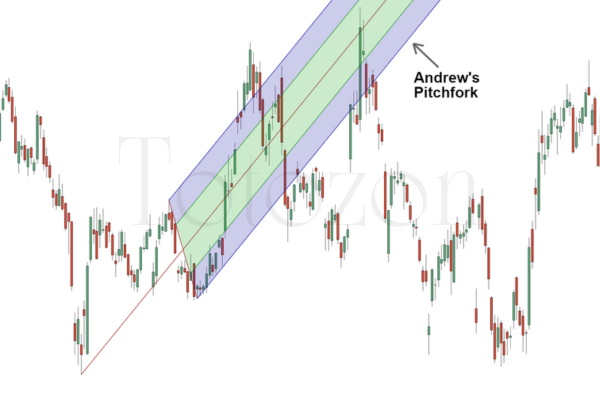 Andrews Pitchfork Basic
1 × $6.00
Andrews Pitchfork Basic
1 × $6.00 -
×
 SQX Mentorship with Tip Toe Hippo
1 × $23.00
SQX Mentorship with Tip Toe Hippo
1 × $23.00 -
×
 Secret Day - Swing Trading Strategy For Stock, Forex, Crypto with Value Stocks
1 × $5.00
Secret Day - Swing Trading Strategy For Stock, Forex, Crypto with Value Stocks
1 × $5.00 -
×
 Dan Sheridan Options Mentoring Weekly Webinars
1 × $6.00
Dan Sheridan Options Mentoring Weekly Webinars
1 × $6.00 -
×
 The Any Hour Trading System with Markets Mastered
1 × $6.00
The Any Hour Trading System with Markets Mastered
1 × $6.00 -
×
 Edz Currency Trading Package with EDZ Trading Academy
1 × $5.00
Edz Currency Trading Package with EDZ Trading Academy
1 × $5.00 -
×
 Steve Jobs. The Greatest Second Act in the History of Business with Young Simon
1 × $6.00
Steve Jobs. The Greatest Second Act in the History of Business with Young Simon
1 × $6.00 -
×
 Artificial Neural Networks Technology with Dave Anderson, George McNeill
1 × $6.00
Artificial Neural Networks Technology with Dave Anderson, George McNeill
1 × $6.00 -
×
 Advanced Spread Trading with Guy Bower - MasterClass Trader
1 × $15.00
Advanced Spread Trading with Guy Bower - MasterClass Trader
1 × $15.00 -
×
 Options University - Ron Ianieri – The Option Pricing Model
1 × $6.00
Options University - Ron Ianieri – The Option Pricing Model
1 × $6.00 -
×
 Bird Watching in Lion Country. Retail Forex Explained with Dirk Du Toit
1 × $4.00
Bird Watching in Lion Country. Retail Forex Explained with Dirk Du Toit
1 × $4.00 -
×
 HandBook of Parametric and Nonparametric Statistical Procedures with David J.Sheskin
1 × $6.00
HandBook of Parametric and Nonparametric Statistical Procedures with David J.Sheskin
1 × $6.00 -
×
 Trading for a Bright Future with Martin Cole
1 × $6.00
Trading for a Bright Future with Martin Cole
1 × $6.00 -
×
 A Complete Guide to the Futures Market: Technical Analysis, Trading Systems, Fundamental Analysis, Options, Spreads, and Trading Principles (Wiley Trading) 2nd Edition - Jack Schwager
1 × $6.00
A Complete Guide to the Futures Market: Technical Analysis, Trading Systems, Fundamental Analysis, Options, Spreads, and Trading Principles (Wiley Trading) 2nd Edition - Jack Schwager
1 × $6.00 -
×
 Advanced Strategy Design Techniques Bundle with NinjaTrader
1 × $20.00
Advanced Strategy Design Techniques Bundle with NinjaTrader
1 × $20.00 -
×
 Active Beta Indexes with Khalid Ghayur
1 × $6.00
Active Beta Indexes with Khalid Ghayur
1 × $6.00 -
×
 All About Stock Market Strategies: The Easy Way To Get Started (All About Series) with David Brown
1 × $6.00
All About Stock Market Strategies: The Easy Way To Get Started (All About Series) with David Brown
1 × $6.00 -
×
 A Litle Keltner, a Litle Wycoff and of lot of Street Smarts with Linda Raschke
1 × $6.00
A Litle Keltner, a Litle Wycoff and of lot of Street Smarts with Linda Raschke
1 × $6.00 -
×
 AbleTrend with John Wang & Grace Wang
1 × $6.00
AbleTrend with John Wang & Grace Wang
1 × $6.00 -
×
 Trading For Busy People with Josias Kere
1 × $6.00
Trading For Busy People with Josias Kere
1 × $6.00 -
×
 3 Short Selling Strategies - Trading Strategy Bundles – Quantified Strategies
1 × $39.00
3 Short Selling Strategies - Trading Strategy Bundles – Quantified Strategies
1 × $39.00 -
×
 Candlestick Charts with Clive Lambert
1 × $6.00
Candlestick Charts with Clive Lambert
1 × $6.00 -
×
 Forecast 2024 Clarification with Larry Williams
1 × $15.00
Forecast 2024 Clarification with Larry Williams
1 × $15.00 -
×
 ActiveBeta Indexes. Capturing Systematic Sources of Active Equity Returns (HTML) with Andrew Lo
1 × $6.00
ActiveBeta Indexes. Capturing Systematic Sources of Active Equity Returns (HTML) with Andrew Lo
1 × $6.00 -
×
 3 Volatility Strategies with Quantified Strategies
1 × $23.00
3 Volatility Strategies with Quantified Strategies
1 × $23.00 -
×
 The Handbook of Pairs Trading with Douglas Ehrman
1 × $6.00
The Handbook of Pairs Trading with Douglas Ehrman
1 × $6.00 -
×
 Big Money Little Effort with Mark Shipman
1 × $6.00
Big Money Little Effort with Mark Shipman
1 × $6.00 -
×
 Trading Against the Crowd with John Summa
1 × $6.00
Trading Against the Crowd with John Summa
1 × $6.00 -
×
 The Reducing Risk and Maximizing Returns Blueprint (Atomic Hedge Strategy) with Don Kaufman
1 × $6.00
The Reducing Risk and Maximizing Returns Blueprint (Atomic Hedge Strategy) with Don Kaufman
1 × $6.00 -
×
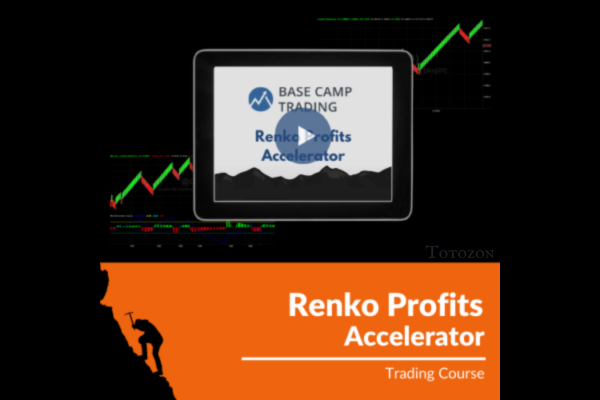 Renko Profits Accelerator
1 × $15.00
Renko Profits Accelerator
1 × $15.00 -
×
 S&P Market Timing Course For E-mini & Options Traders
1 × $6.00
S&P Market Timing Course For E-mini & Options Traders
1 × $6.00 -
×
 Applied Portfolio Management with Catherine Shenoy
1 × $6.00
Applied Portfolio Management with Catherine Shenoy
1 × $6.00 -
×
 Trading a Living Thing (Article) with David Bowden
1 × $6.00
Trading a Living Thing (Article) with David Bowden
1 × $6.00 -
×
 ADR Pro For Metatrader 4.0 with Compass FX
1 × $15.00
ADR Pro For Metatrader 4.0 with Compass FX
1 × $15.00 -
×
 TradeCraft: Your Path to Peak Performance Trading By Adam Grimes
1 × $15.00
TradeCraft: Your Path to Peak Performance Trading By Adam Grimes
1 × $15.00 -
×
 Crystal Ball Pack PLUS bonus Live Trade By Pat Mitchell - Trick Trades
1 × $20.00
Crystal Ball Pack PLUS bonus Live Trade By Pat Mitchell - Trick Trades
1 × $20.00 -
×
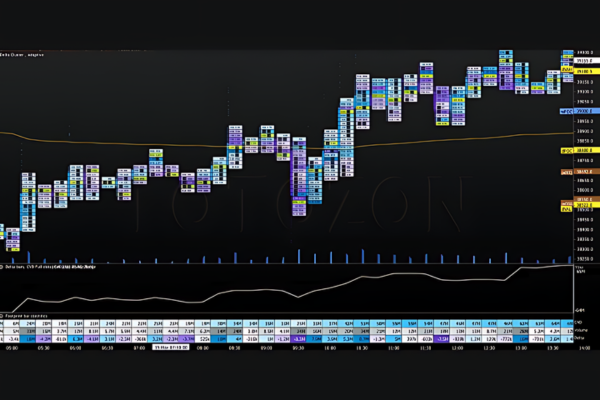 Advanced Trading Course - Footprint Charts, Market Profile & TPO with Jayson Casper
1 × $31.00
Advanced Trading Course - Footprint Charts, Market Profile & TPO with Jayson Casper
1 × $31.00 -
×
 Futures Trading Blueprint with Day Trader Next Door
1 × $5.00
Futures Trading Blueprint with Day Trader Next Door
1 × $5.00 -
×
 Beginners Guide to Trading Intraday Futures Class with Doc Severson
1 × $6.00
Beginners Guide to Trading Intraday Futures Class with Doc Severson
1 × $6.00 -
×
 The Orderflows Trade Opportunities Encyclopedia with Michael Valtos
1 × $8.00
The Orderflows Trade Opportunities Encyclopedia with Michael Valtos
1 × $8.00 -
×
 The Prop Trading Code with Brannigan Barrett - Axia Futures
1 × $23.00
The Prop Trading Code with Brannigan Barrett - Axia Futures
1 × $23.00

Key to Speculation on the New York Stock Exchange
$6.00
File Size: Coming soon!
Delivery Time: 1–12 hours
Media Type: Online Course
You may check content of “Key to Speculation on the New York Stock Exchange” below:
Introduction
Speculation on the New York Stock Exchange (NYSE) can be a thrilling and lucrative endeavor if approached with the right knowledge and strategy. Understanding the key principles of speculation is essential for navigating the complexities of this financial hub. In this article, we will explore the critical factors that contribute to successful speculation on the NYSE, providing insights and practical tips to enhance your trading experience.
Understanding Speculation
What is Speculation?
Speculation involves trading financial instruments, such as stocks, with the aim of profiting from short-term price movements. Unlike investing, which focuses on long-term growth, speculation seeks to capitalize on market volatility.
Importance of Speculation
Speculation adds liquidity to the market, facilitates price discovery, and can lead to substantial profits for those who master its techniques.
Key Principles of Speculation
1. Market Research
Fundamental Analysis
- Company Financials: Analyze earnings reports, balance sheets, and income statements.
- Economic Indicators: Consider GDP growth, unemployment rates, and inflation.
- Industry Trends: Stay informed about the industry sectors that interest you.
Technical Analysis
- Chart Patterns: Identify trends and patterns, such as head and shoulders, double tops, and triangles.
- Indicators: Use moving averages, RSI, MACD, and Bollinger Bands to gauge market sentiment.
- Volume Analysis: Monitor trading volume to confirm price movements.
2. Risk Management
Setting Stop-Loss Orders
- Protecting Capital: Place stop-loss orders to limit potential losses.
- Trailing Stops: Adjust stop-loss levels as the trade moves in your favor.
Diversification
- Spreading Risk: Avoid putting all your capital into one stock or sector.
- Hedging: Use options or other derivatives to protect against adverse price movements.
3. Timing the Market
Market Cycles
- Bull and Bear Markets: Recognize the phases of market cycles and adapt your strategies accordingly.
- Economic Cycles: Understand how economic cycles influence market behavior.
Entry and Exit Points
- Buying Low, Selling High: Aim to enter trades at support levels and exit at resistance levels.
- Breakouts and Pullbacks: Trade breakouts from key levels and pullbacks to established trends.
Strategies for Speculation
1. Day Trading
Quick Trades
- High Liquidity Stocks: Focus on stocks with high daily trading volumes.
- Scalping: Make numerous small trades to capture minor price movements.
2. Swing Trading
Holding Periods
- Medium-Term Positions: Hold trades for several days to weeks.
- Combining Analysis: Use both fundamental and technical analysis for trade decisions.
3. Momentum Trading
Riding Trends
- Identifying Momentum: Trade stocks showing strong upward or downward trends.
- Momentum Indicators: Use RSI, MACD, and moving averages to confirm momentum.
Psychological Aspects of Speculation
1. Emotional Control
Avoiding Impulsive Decisions
- Stick to Your Plan: Follow your trading plan and avoid making decisions based on emotions.
- Mindfulness Practices: Techniques like meditation can help maintain emotional balance.
2. Confidence and Discipline
Building Confidence
- Continuous Learning: Stay updated with market trends and trading strategies.
- Practice Trading: Use demo accounts to practice and refine your strategies.
Maintaining Discipline
- Follow Rules: Adhere to your trading rules and strategies consistently.
- Avoid Overtrading: Focus on quality trades rather than quantity.
Tools and Resources for Speculation
1. Trading Platforms
Choosing the Right Platform
- Features and Tools: Look for platforms with advanced charting tools and real-time data.
- User Experience: Ensure the platform is user-friendly and reliable.
2. Educational Resources
Books and Courses
- Trading Books: Read books by renowned traders and financial analysts.
- Online Courses: Enroll in courses that cover both basic and advanced trading concepts.
3. Market News and Analysis
Staying Informed
- Financial News Websites: Follow reputable sources for market updates.
- Analyst Reports: Read reports and analyses from market experts.
Common Mistakes in Speculation
1. Lack of Preparation
Inadequate Research
- Skipping Analysis: Failing to perform thorough research can lead to poor trade decisions.
- Overlooking Fundamentals: Ignoring fundamental analysis can result in misunderstandings of market conditions.
2. Poor Risk Management
Ignoring Stop-Losses
- No Protective Measures: Not using stop-loss orders can lead to significant losses.
- Overleveraging: Trading with too much leverage can amplify losses.
3. Emotional Trading
Chasing Losses
- Revenge Trading: Trying to recover losses quickly often leads to more significant losses.
- Fear and Greed: Allowing emotions to drive trading decisions can be detrimental.
Conclusion
Speculation on the New York Stock Exchange requires a blend of market knowledge, analytical skills, and psychological discipline. By mastering the principles and strategies outlined in this article, traders can enhance their chances of success. Remember to stay informed, manage risks effectively, and maintain emotional control to navigate the complexities of the stock market.
Commonly Asked Questions:
- Business Model Innovation: Accept the truth of a legitimate business! Our strategy is organising a group buy in which participants share the costs. We use these cash to acquire popular courses from sale pages and make them available to people with limited financial resources. Despite the authors’ worries, our clients love the cost and accessibility we give.
- The Legal Environment: Yes or No The legality of our activity is ambiguous. While we don’t have specific permission from the course authors to resell the material, there is a technicality at work. The author did not specify any limits on resale when purchasing the course. This legal intricacy is both an opportunity for us and a boon for individuals looking for low-cost access.
- Quality Control: Uncovering the Truth
Getting to the heart of the issue – quality. Purchasing the course straight from the sale page guarantees that all documents and resources are the same as those obtained through traditional channels.
However, we distinguish ourselves by going beyond personal research and resale. It is crucial to note that we are not the official course providers, which means that the following premium services are not included in our package:
- There are no scheduled coaching calls or sessions with the author.
- Access to the author’s private Facebook group or web portal is not permitted.
- No access to the author’s private membership forum.
- There is no direct email support available from the author or their team.
We operate independently, with the goal of bridging the pricing gap without the extra services provided by official course channels. Your comprehension of our distinct approach is much appreciated.
Be the first to review “Key to Speculation on the New York Stock Exchange”
You must be logged in to post a review.
Related products

Original price was: $497.00.$11.00Current price is: $11.00.

Original price was: $799.00.$15.00Current price is: $15.00.

Forex Trading
Original price was: $499.00.$15.00Current price is: $15.00.

Forex Trading
Original price was: $397.00.$31.00Current price is: $31.00.
Forex Trading
Original price was: $2,997.00.$23.00Current price is: $23.00.
Original price was: $4,995.00.$15.00Current price is: $15.00.

Forex Trading
Original price was: $550.00.$5.00Current price is: $5.00.

Forex Trading
Original price was: $500.00.$5.00Current price is: $5.00.

Forex Trading
Original price was: $999.00.$15.00Current price is: $15.00.

Original price was: $997.00.$13.00Current price is: $13.00.

Forex Trading
Original price was: $2,000.00.$23.00Current price is: $23.00.
Original price was: $649.00.$20.00Current price is: $20.00.
Forex Trading
Original price was: $249.00.$15.00Current price is: $15.00.

Original price was: $139.00.$23.00Current price is: $23.00.

Original price was: $197.00.$5.00Current price is: $5.00.
Original price was: $1,800.00.$54.00Current price is: $54.00.

Forex Trading
Original price was: $1,898.00.$10.00Current price is: $10.00.

Forex Trading
Original price was: $697.00.$5.00Current price is: $5.00.

Original price was: $310.00.$23.00Current price is: $23.00.

Forex Trading
Original price was: $239.00.$8.00Current price is: $8.00.

Reviews
There are no reviews yet.