
-
×
 Bond Market Course with The Macro Compass
1 × $15.00
Bond Market Course with The Macro Compass
1 × $15.00 -
×
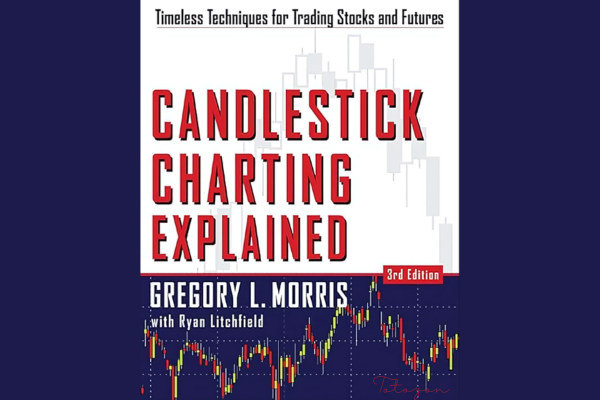 Candlestick Charting Explained with Greg Morris
1 × $8.00
Candlestick Charting Explained with Greg Morris
1 × $8.00 -
×
 The Complete Guide to Multiple Time Frame Analysis & Reading Price Action with Aiman Almansoori
1 × $13.00
The Complete Guide to Multiple Time Frame Analysis & Reading Price Action with Aiman Almansoori
1 × $13.00 -
×
 The Trading Blueprint with Brad Goh - The Trading Geek
1 × $5.00
The Trading Blueprint with Brad Goh - The Trading Geek
1 × $5.00 -
×
 TradeCraft: Your Path to Peak Performance Trading By Adam Grimes
1 × $15.00
TradeCraft: Your Path to Peak Performance Trading By Adam Grimes
1 × $15.00 -
×
 The Naked Eye: Raw Data Analytics with Edgar Torres - Raw Data Analytics
1 × $8.00
The Naked Eye: Raw Data Analytics with Edgar Torres - Raw Data Analytics
1 × $8.00 -
×
 NodeTrader (+ open code) (Nov 2014)
1 × $6.00
NodeTrader (+ open code) (Nov 2014)
1 × $6.00 -
×
 Forex Libra Code Software
1 × $31.00
Forex Libra Code Software
1 × $31.00 -
×
 Algo Trading Masterclass with Ali Casey - StatOasis
1 × $23.00
Algo Trading Masterclass with Ali Casey - StatOasis
1 × $23.00 -
×
 Best of the Best: Collars with Amy Meissner & Scott Ruble
1 × $15.00
Best of the Best: Collars with Amy Meissner & Scott Ruble
1 × $15.00 -
×
 Volume Profile 2023 (Order Flow Pack) with Trader Dale
1 × $5.00
Volume Profile 2023 (Order Flow Pack) with Trader Dale
1 × $5.00 -
×
 WondaFX Signature Strategy with WondaFX
1 × $5.00
WondaFX Signature Strategy with WondaFX
1 × $5.00 -
×
 Advanced Spread Trading with Guy Bower - MasterClass Trader
1 × $15.00
Advanced Spread Trading with Guy Bower - MasterClass Trader
1 × $15.00 -
×
 Compass Trading System with Right Line Trading
1 × $39.00
Compass Trading System with Right Line Trading
1 × $39.00 -
×
 The Orderflows Trade Opportunities Encyclopedia with Michael Valtos
1 × $8.00
The Orderflows Trade Opportunities Encyclopedia with Michael Valtos
1 × $8.00 -
×
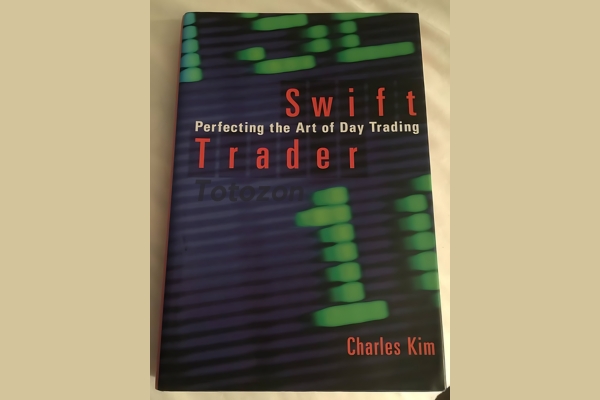 Swift Trader, Perfecting the Art of DayTrading with Charles Kim
1 × $6.00
Swift Trader, Perfecting the Art of DayTrading with Charles Kim
1 × $6.00 -
×
 Matrix Spread Options Trading Course with Base Camp Trading
1 × $31.00
Matrix Spread Options Trading Course with Base Camp Trading
1 × $31.00 -
×
 W. D Gann 's Square Of 9 Applied To Modern Markets with Sean Avidar - Hexatrade350
1 × $23.00
W. D Gann 's Square Of 9 Applied To Modern Markets with Sean Avidar - Hexatrade350
1 × $23.00 -
×
 Home Run Options Trading Course with Dave Aquino - Base Camp Trading
1 × $11.00
Home Run Options Trading Course with Dave Aquino - Base Camp Trading
1 × $11.00 -
×
 ICT Prodigy Trading Course – $650K in Payouts with Alex Solignani
1 × $15.00
ICT Prodigy Trading Course – $650K in Payouts with Alex Solignani
1 × $15.00 -
×
 The Prop Trading Code with Brannigan Barrett - Axia Futures
1 × $23.00
The Prop Trading Code with Brannigan Barrett - Axia Futures
1 × $23.00 -
×
 TRADING NFX Course with Andrew NFX
1 × $5.00
TRADING NFX Course with Andrew NFX
1 × $5.00 -
×
 Essentials in Quantitative Trading QT01 By HangukQuant's
1 × $23.00
Essentials in Quantitative Trading QT01 By HangukQuant's
1 × $23.00 -
×
 0 DTE Options Trading Workshop with Aeromir Corporation
1 × $15.00
0 DTE Options Trading Workshop with Aeromir Corporation
1 × $15.00 -
×
 The Best Option Trading Course with David Jaffee - Best Stock Strategy
1 × $15.00
The Best Option Trading Course with David Jaffee - Best Stock Strategy
1 × $15.00 -
×
 $20 – 52k 20 pips a day challange with Rafał Zuchowicz - TopMasterTrader
1 × $5.00
$20 – 52k 20 pips a day challange with Rafał Zuchowicz - TopMasterTrader
1 × $5.00 -
×
 Scalp Strategy and Flipping Small Accounts with Opes Trading Group
1 × $5.00
Scalp Strategy and Flipping Small Accounts with Opes Trading Group
1 × $5.00 -
×
 The Indices Orderflow Masterclass with The Forex Scalpers
1 × $23.00
The Indices Orderflow Masterclass with The Forex Scalpers
1 × $23.00 -
×
 Sensitivity Analysis in Practice
1 × $6.00
Sensitivity Analysis in Practice
1 × $6.00
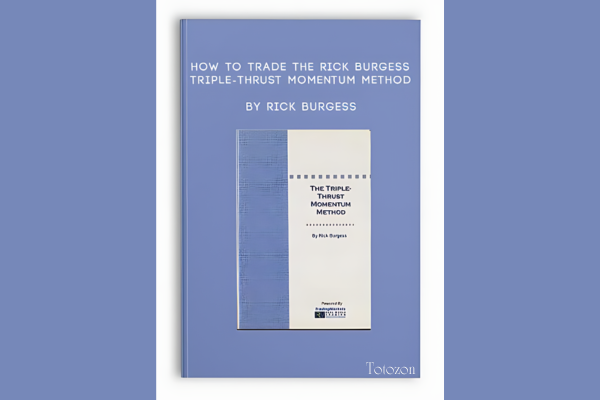
How To Trade The Rick Burgess Triple-Thrust Momentum Method with Rick Burgess
$6.00
File Size: 37 MB
Delivery Time: 1–12 hours
Media Type: Online Course
How To Trade The Rick Burgess Triple-Thrust Momentum Method with Rick Burgess
Introduction
Momentum trading strategies can be highly effective for those looking to capitalize on market trends. Among these, the Rick Burgess Triple-Thrust Momentum Method stands out for its unique approach to harnessing market movements. This article explores this dynamic trading method, developed by veteran trader Rick Burgess.
Understanding Momentum Trading
Before diving into the specifics of the Triple-Thrust Method, it’s essential to grasp the basics of momentum trading. This strategy involves buying securities that are moving upwards and selling those headed downward, based on the assumption that assets will continue in their current direction.
The Triple-Thrust Momentum Method
Rick Burgess has refined the approach to momentum trading with his Triple-Thrust Method. Here’s what makes it distinctive and effective.
Core Principles of the Method
- Identification of Momentum Shifts: Spotting early signs of momentum changes.
- Thrust Signals: Recognizing three consecutive momentum thrusts that confirm a trend.
- Market Entry and Exit: Determining optimal times to enter and exit the market based on these signals.
Step-by-Step Guide to the Method
Identifying Thrusts
The first step involves identifying three sequential movements or ‘thrusts’ in the market that indicate a strong momentum in one direction.
What Counts as a Thrust?
- A significant, rapid price movement in a consistent direction.
- Each thrust must be stronger and more pronounced.
Timing Your Entry
Once three thrusts are identified, the next step is to prepare for market entry.
Optimal Entry Point
- After the third thrust, wait for a slight pullback or consolidation.
- Enter the trade as the price resumes the direction of the thrust.
Risk Management
Setting Stop-Loss Orders
To safeguard against market reversals, it’s crucial to set a stop-loss just below the recent lowest point in a bullish trend or above the highest point in a bearish trend.
Profit Targets
Set clear profit targets based on historical performance and market volatility to ensure gains are realized before any potential reversal.
Tools and Indicators
Recommended Technical Indicators
- Moving Averages
- Relative Strength Index (RSI)
- Volume Indicators
These tools can help confirm the momentum and the validity of the thrusts.
Trading Psychology
Understanding market psychology and investor behavior is crucial when using the Triple-Thrust Method.
Market Sentiment Analysis
Keeping an eye on overall market sentiment can provide additional clues about the potential longevity or exhaustion of a trend.
Practical Examples
Case Study
Review of past trades where the Triple-Thrust Method was successfully applied, illustrating the decision-making process and outcomes.
Common Mistakes and How to Avoid Them
- Overtrading: Avoid the temptation to trade every potential thrust; focus on those with clear, strong signals.
- Ignoring Market Context: Always consider overall market conditions before trading.
Leveraging Technology
Automated Trading Systems
Consider using automated systems that can detect thrusts and execute trades based on predefined criteria, reducing emotional trading decisions.
Conclusion
The Rick Burgess Triple-Thrust Momentum Method offers a structured and strategic approach to momentum trading. By following the guidelines and incorporating proper risk management and psychological insights, traders can significantly enhance their trading performance.
FAQs
- What is momentum trading?
- Momentum trading involves capitalizing on stock price movements by buying stocks moving upward and selling those moving downward.
- How does the Triple-Thrust Method work?
- It identifies three sequential price movements indicating a strong trend, which are used to time market entries and exits.
- What technical indicators are useful with this method?
- Moving averages, RSI, and volume indicators are effective in confirming momentum and thrust validity.
- What are common pitfalls in momentum trading?
- Overtrading and ignoring broader market contexts are common mistakes.
- Can this method be automated?
- Yes, many traders use automated systems to identify thrusts and execute trades based on this method.
Be the first to review “How To Trade The Rick Burgess Triple-Thrust Momentum Method with Rick Burgess”
You must be logged in to post a review.
Related products
Forex Trading
Original price was: $999.00.$15.00Current price is: $15.00.

Forex Trading
Original price was: $239.00.$8.00Current price is: $8.00.
Forex Trading
Original price was: $2,000.00.$23.00Current price is: $23.00.
Forex Trading
Original price was: $697.00.$5.00Current price is: $5.00.
Original price was: $497.00.$11.00Current price is: $11.00.
Original price was: $197.00.$5.00Current price is: $5.00.

Original price was: $997.00.$13.00Current price is: $13.00.
Forex Trading
Original price was: $850.00.$23.00Current price is: $23.00.

Forex Trading
Original price was: $4,997.00.$27.00Current price is: $27.00.

Original price was: $310.00.$23.00Current price is: $23.00.

Forex Trading
Original price was: $249.00.$15.00Current price is: $15.00.

Forex Trading
Original price was: $799.00.$15.00Current price is: $15.00.

Forex Trading
Original price was: $2,995.00.$31.00Current price is: $31.00.

Forex Trading
Original price was: $125.00.$17.00Current price is: $17.00.

Forex Trading
Quantamentals – The Next Great Forefront Of Trading and Investing with Trading Markets
Original price was: $1,495.00.$8.00Current price is: $8.00.
Original price was: $1,849.00.$15.00Current price is: $15.00.
Original price was: $299.00.$8.00Current price is: $8.00.
Original price was: $2,120.00.$15.00Current price is: $15.00.
Forex Trading
Original price was: $499.00.$15.00Current price is: $15.00.
Forex Trading
Original price was: $500.00.$5.00Current price is: $5.00.
Reviews
There are no reviews yet.