
-
×
 Galactic Trader Seminar
1 × $15.00
Galactic Trader Seminar
1 × $15.00 -
×
 Jesse Livermore Trading System with Joe Marwood - Marwood Research
1 × $15.00
Jesse Livermore Trading System with Joe Marwood - Marwood Research
1 × $15.00 -
×
 The Naked Eye: Raw Data Analytics with Edgar Torres - Raw Data Analytics
1 × $8.00
The Naked Eye: Raw Data Analytics with Edgar Torres - Raw Data Analytics
1 × $8.00 -
×
 All About Stocks (3rd Ed.) withEsme E.Faerber
1 × $6.00
All About Stocks (3rd Ed.) withEsme E.Faerber
1 × $6.00 -
×
 High Probability Trading Using Elliott Wave And Fibonacci Analysis withVic Patel - Forex Training Group
1 × $10.00
High Probability Trading Using Elliott Wave And Fibonacci Analysis withVic Patel - Forex Training Group
1 × $10.00 -
×
 Algo Trading Masterclass with Ali Casey - StatOasis
1 × $23.00
Algo Trading Masterclass with Ali Casey - StatOasis
1 × $23.00 -
×
 90 Minute Cycle withThe Algo Trader
1 × $5.00
90 Minute Cycle withThe Algo Trader
1 × $5.00 -
×
 Unsorted Articles about the Psychology of Trading with Brett N.Steenbarger
1 × $6.00
Unsorted Articles about the Psychology of Trading with Brett N.Steenbarger
1 × $6.00 -
×
 FX GOAT NASDAQ COURSE 2.0
1 × $13.00
FX GOAT NASDAQ COURSE 2.0
1 × $13.00 -
×
 Learn to Make Money Trading Options
1 × $6.00
Learn to Make Money Trading Options
1 × $6.00 -
×
 The Complete Guide to Multiple Time Frame Analysis & Reading Price Action with Aiman Almansoori
1 × $13.00
The Complete Guide to Multiple Time Frame Analysis & Reading Price Action with Aiman Almansoori
1 × $13.00 -
×
 Stocks, Options & Collars with J.L.Lord
1 × $6.00
Stocks, Options & Collars with J.L.Lord
1 × $6.00 -
×
 The Orderflows Trade Opportunities Encyclopedia with Michael Valtos
1 × $8.00
The Orderflows Trade Opportunities Encyclopedia with Michael Valtos
1 × $8.00 -
×
 Entries & Exits Strategy with The Chart Guys
1 × $6.00
Entries & Exits Strategy with The Chart Guys
1 × $6.00 -
×
 Ultimate Trading Course with Dodgy's Dungeon
1 × $8.00
Ultimate Trading Course with Dodgy's Dungeon
1 × $8.00 -
×
 Trading Short TermSame Day Trades Sep 2023 with Dan Sheridan & Mark Fenton - Sheridan Options Mentoring
1 × $31.00
Trading Short TermSame Day Trades Sep 2023 with Dan Sheridan & Mark Fenton - Sheridan Options Mentoring
1 × $31.00 -
×
 Options on Futures Trading Course
1 × $15.00
Options on Futures Trading Course
1 × $15.00 -
×
 Member Only Videos with Henry W Steele
1 × $27.00
Member Only Videos with Henry W Steele
1 × $27.00 -
×
 Ultimate Guide to Stock Investing
1 × $6.00
Ultimate Guide to Stock Investing
1 × $6.00 -
×
 GMMA Trend Volatility Management with Dary Guppy
1 × $6.00
GMMA Trend Volatility Management with Dary Guppy
1 × $6.00 -
×
 Home Run Options Trading Course with Dave Aquino - Base Camp Trading
1 × $11.00
Home Run Options Trading Course with Dave Aquino - Base Camp Trading
1 × $11.00 -
×
 Matrix Spread Options Trading Course with Base Camp Trading
1 × $31.00
Matrix Spread Options Trading Course with Base Camp Trading
1 × $31.00 -
×
 Trendfund.com - Scalping, Options, Advanced Options
1 × $4.00
Trendfund.com - Scalping, Options, Advanced Options
1 × $4.00 -
×
 How To Read The Market Professionally with TradeSmart
1 × $27.00
How To Read The Market Professionally with TradeSmart
1 × $27.00 -
×
 Zeus Capital (ZCFX) Full Mentorship Course
1 × $13.00
Zeus Capital (ZCFX) Full Mentorship Course
1 × $13.00 -
×
 Lepus Proprietary Trading with Richard Jackson
1 × $6.00
Lepus Proprietary Trading with Richard Jackson
1 × $6.00 -
×
 Imperial FX Academy
1 × $5.00
Imperial FX Academy
1 × $5.00 -
×
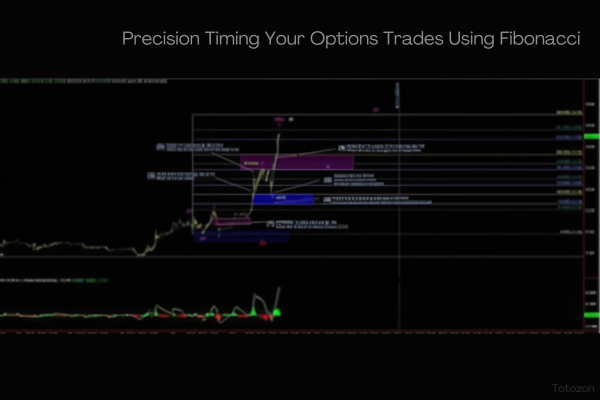 Precision Timing Your Options Trades Using Fibonacci with Trading Analysis
1 × $15.00
Precision Timing Your Options Trades Using Fibonacci with Trading Analysis
1 × $15.00 -
×
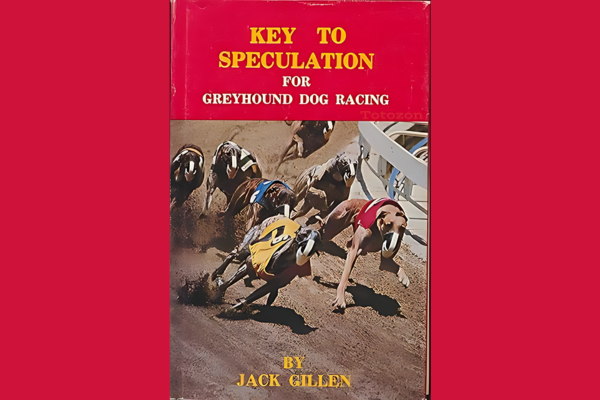 The Key to Speculation for Greyhound Dog Racing with Jack Gillen
1 × $4.00
The Key to Speculation for Greyhound Dog Racing with Jack Gillen
1 × $4.00 -
×
 Crystal Ball Pack PLUS bonus Live Trade By Pat Mitchell - Trick Trades
1 × $20.00
Crystal Ball Pack PLUS bonus Live Trade By Pat Mitchell - Trick Trades
1 × $20.00 -
×
 The Better Butterfly Course with David Vallieres – Tradingology
1 × $39.00
The Better Butterfly Course with David Vallieres – Tradingology
1 × $39.00 -
×
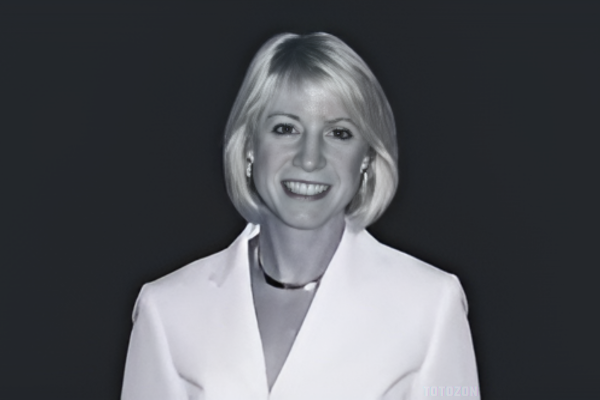 Classic Indicators Back to the Future with Linda Raschke
1 × $4.00
Classic Indicators Back to the Future with Linda Raschke
1 × $4.00 -
×
 The A14 Weekly Option Strategy Workshop with Amy Meissner
1 × $23.00
The A14 Weekly Option Strategy Workshop with Amy Meissner
1 × $23.00 -
×
 Game Plan of a Winning Trader with Mike Podwojski & Vic Noble
1 × $6.00
Game Plan of a Winning Trader with Mike Podwojski & Vic Noble
1 × $6.00 -
×
 Advanced Spread Trading with Guy Bower - MasterClass Trader
1 × $15.00
Advanced Spread Trading with Guy Bower - MasterClass Trader
1 × $15.00 -
×
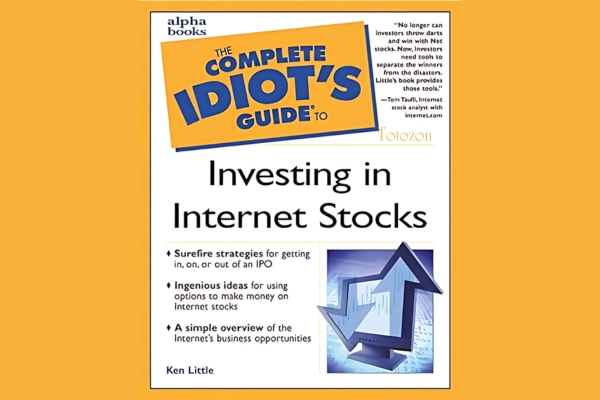 The Complete Idiots Guide to Investing in Internet Stocks with Kenneth Little
1 × $6.00
The Complete Idiots Guide to Investing in Internet Stocks with Kenneth Little
1 × $6.00 -
×
 License to Steal with John Carlton
1 × $6.00
License to Steal with John Carlton
1 × $6.00 -
×
 Big Fish: Mako Momentum Strategy
1 × $23.00
Big Fish: Mako Momentum Strategy
1 × $23.00 -
×
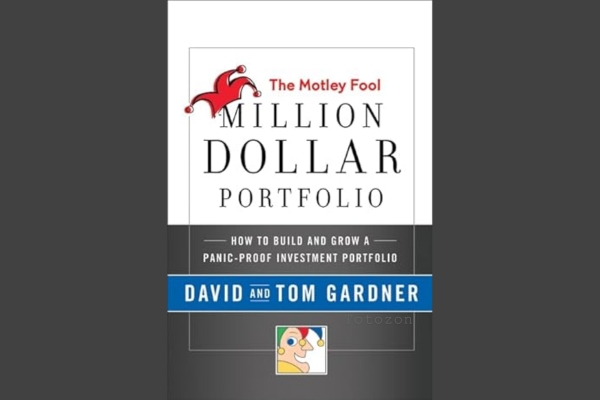 The Motley Fool Million Dollar Portfolio: How to Build and Grow a Panic-Proof Investment Portfolio with David Gardner & Tom Gardner
1 × $6.00
The Motley Fool Million Dollar Portfolio: How to Build and Grow a Panic-Proof Investment Portfolio with David Gardner & Tom Gardner
1 × $6.00 -
×
 How to Use Spreads to Construct a Trading Roadmap
1 × $6.00
How to Use Spreads to Construct a Trading Roadmap
1 × $6.00 -
×
 Butterfly and Condor Workshop with Aeromir
1 × $15.00
Butterfly and Condor Workshop with Aeromir
1 × $15.00 -
×
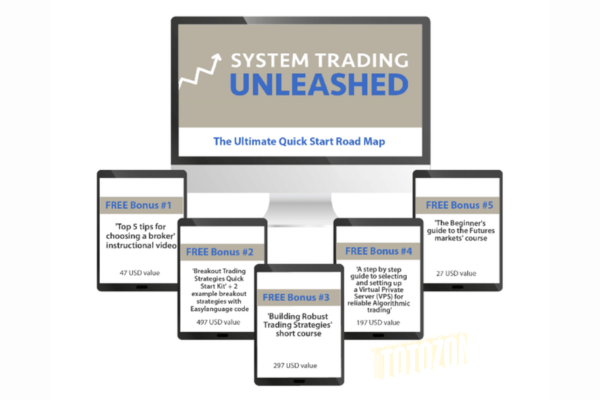 System Trading Unleashed with Better System Trader
1 × $5.00
System Trading Unleashed with Better System Trader
1 × $5.00 -
×
 Forecast 2024 Clarification with Larry Williams
1 × $15.00
Forecast 2024 Clarification with Larry Williams
1 × $15.00 -
×
 Essentials in Quantitative Trading QT01 By HangukQuant's
1 × $23.00
Essentials in Quantitative Trading QT01 By HangukQuant's
1 × $23.00 -
×
 The Best Option Trading Course with David Jaffee - Best Stock Strategy
1 × $15.00
The Best Option Trading Course with David Jaffee - Best Stock Strategy
1 × $15.00 -
×
 Quantamentals - The Next Great Forefront Of Trading and Investing with Trading Markets
1 × $8.00
Quantamentals - The Next Great Forefront Of Trading and Investing with Trading Markets
1 × $8.00 -
×
 The Trading Blueprint with Brad Goh - The Trading Geek
1 × $5.00
The Trading Blueprint with Brad Goh - The Trading Geek
1 × $5.00 -
×
 Deep Dive Butterfly Trading Strategy Class with SJG Trades
1 × $41.00
Deep Dive Butterfly Trading Strategy Class with SJG Trades
1 × $41.00 -
×
 Forex for Profits with Todd Mitchell
1 × $85.00
Forex for Profits with Todd Mitchell
1 × $85.00 -
×
 Real Motion Trading with MarketGauge
1 × $62.00
Real Motion Trading with MarketGauge
1 × $62.00 -
×
 Scalp Strategy and Flipping Small Accounts with Opes Trading Group
1 × $5.00
Scalp Strategy and Flipping Small Accounts with Opes Trading Group
1 × $5.00 -
×
 Astro View Horse Racing Show
1 × $6.00
Astro View Horse Racing Show
1 × $6.00 -
×
 SQX Mentorship with Tip Toe Hippo
1 × $23.00
SQX Mentorship with Tip Toe Hippo
1 × $23.00 -
×
 RTM + Suppy and Demand with Nora Bystra
1 × $6.00
RTM + Suppy and Demand with Nora Bystra
1 × $6.00 -
×
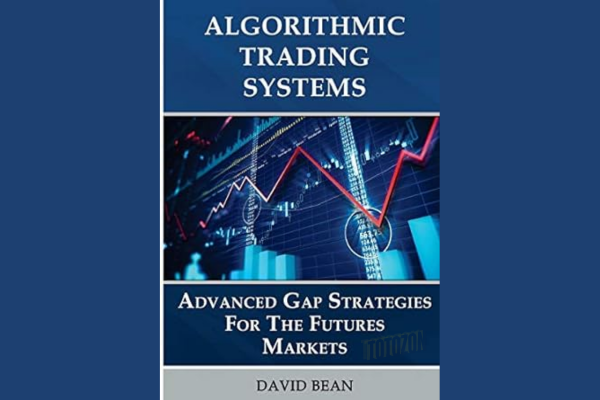 Algorithmic Trading Systems: Advanced Gap Strategies for the Futures Markets with David Bean
1 × $5.00
Algorithmic Trading Systems: Advanced Gap Strategies for the Futures Markets with David Bean
1 × $5.00 -
×
 Volatility Trading with Euan Sinclair
1 × $6.00
Volatility Trading with Euan Sinclair
1 × $6.00 -
×
 AM Trader - Strategy Training Course
1 × $23.00
AM Trader - Strategy Training Course
1 × $23.00 -
×
 Compass Trading System with Right Line Trading
1 × $39.00
Compass Trading System with Right Line Trading
1 × $39.00 -
×
 War Room Technicals Vol 1 with Trick Traders
1 × $6.00
War Room Technicals Vol 1 with Trick Traders
1 × $6.00 -
×
 Crypto Trading Academy with Cheeky Investor - Aussie Day Trader
1 × $13.00
Crypto Trading Academy with Cheeky Investor - Aussie Day Trader
1 × $13.00 -
×
 TRADING NFX Course with Andrew NFX
1 × $5.00
TRADING NFX Course with Andrew NFX
1 × $5.00 -
×
 Ultimate and Options Trading MasterClass Bundle with FX Evolution
1 × $54.00
Ultimate and Options Trading MasterClass Bundle with FX Evolution
1 × $54.00 -
×
 Stock Option Trading 3 – Easy Advanced Profits and Success with Scott Paton
1 × $6.00
Stock Option Trading 3 – Easy Advanced Profits and Success with Scott Paton
1 × $6.00 -
×
 Dynamic Swing Trader-NETPICKS (Unlocked)
1 × $54.00
Dynamic Swing Trader-NETPICKS (Unlocked)
1 × $54.00 -
×
 Make Money While You Sleep with Forex Night Train
1 × $6.00
Make Money While You Sleep with Forex Night Train
1 × $6.00 -
×
 The Prop Trading Code with Brannigan Barrett - Axia Futures
1 × $23.00
The Prop Trading Code with Brannigan Barrett - Axia Futures
1 × $23.00 -
×
 0 DTE Options Trading Workshop with Aeromir Corporation
1 × $15.00
0 DTE Options Trading Workshop with Aeromir Corporation
1 × $15.00 -
×
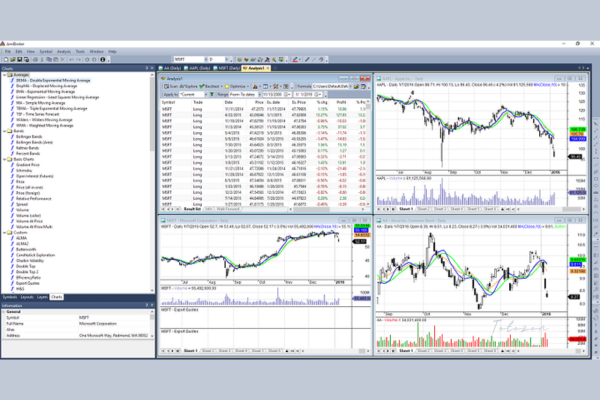 Build a Professional Trading System using Amibroker with Trading Tuitions - Marwood Research
1 × $23.00
Build a Professional Trading System using Amibroker with Trading Tuitions - Marwood Research
1 × $23.00 -
×
 Markets 101 Complete Course with Joseph Wang - Central Banking 101
1 × $13.00
Markets 101 Complete Course with Joseph Wang - Central Banking 101
1 × $13.00 -
×
 Options Trading & Ultimate MasterClass With Tyrone Abela - FX Evolution
1 × $54.00
Options Trading & Ultimate MasterClass With Tyrone Abela - FX Evolution
1 × $54.00 -
×
 Order flow self-study training program with iMFtracker
1 × $10.00
Order flow self-study training program with iMFtracker
1 × $10.00 -
×
 I Segreti Del Trading Di Breve Termine (Italian) with Larry Williams
1 × $6.00
I Segreti Del Trading Di Breve Termine (Italian) with Larry Williams
1 × $6.00 -
×
 Apteros Trading Fall Intensive 2021 - Trading Intensive
1 × $54.00
Apteros Trading Fall Intensive 2021 - Trading Intensive
1 × $54.00 -
×
 The Orderflow Masterclass with PrimeTrading
1 × $17.00
The Orderflow Masterclass with PrimeTrading
1 × $17.00 -
×
 Best of the Best: Collars with Amy Meissner & Scott Ruble
1 × $15.00
Best of the Best: Collars with Amy Meissner & Scott Ruble
1 × $15.00 -
×
 Trading Forecasts Manual with Yuri Shramenko
1 × $4.00
Trading Forecasts Manual with Yuri Shramenko
1 × $4.00 -
×
 ZoneTrader Pro v2 (Sep 2013)
1 × $23.00
ZoneTrader Pro v2 (Sep 2013)
1 × $23.00 -
×
 Scalping Betfair For Daily Profits
1 × $6.00
Scalping Betfair For Daily Profits
1 × $6.00 -
×
 Planetary Economic Forecasting with Bill Meridian
1 × $6.00
Planetary Economic Forecasting with Bill Meridian
1 × $6.00 -
×
 Robotic Trading: Skill Sharpening with Claytrader
1 × $23.00
Robotic Trading: Skill Sharpening with Claytrader
1 × $23.00 -
×
 Bond Market Course with The Macro Compass
1 × $15.00
Bond Market Course with The Macro Compass
1 × $15.00 -
×
 AI For Traders with Trading Markets
1 × $31.00
AI For Traders with Trading Markets
1 × $31.00 -
×
 Online Trading Academy Professional Trader Series (7 Day Complete)
1 × $6.00
Online Trading Academy Professional Trader Series (7 Day Complete)
1 × $6.00 -
×
 Quantifiable Edges Swing Trading Course with Quantifiable Edges
1 × $15.00
Quantifiable Edges Swing Trading Course with Quantifiable Edges
1 × $15.00 -
×
 How To Trade the Best Currency Pairs Using The Ichimoku Cloud with Alphashark
1 × $31.00
How To Trade the Best Currency Pairs Using The Ichimoku Cloud with Alphashark
1 × $31.00 -
×
 Techical Analysis with Charles D.Kirkpatrick
1 × $6.00
Techical Analysis with Charles D.Kirkpatrick
1 × $6.00 -
×
 White Phoenix’s The Smart (Money) Approach to Trading with Jayson Casper
1 × $39.00
White Phoenix’s The Smart (Money) Approach to Trading with Jayson Casper
1 × $39.00 -
×
 NoBSFX Trading Workshop with Jaime Johnson
1 × $23.00
NoBSFX Trading Workshop with Jaime Johnson
1 × $23.00 -
×
 CFA Level 1 – PassMaster 2004 CD with Stalla
1 × $6.00
CFA Level 1 – PassMaster 2004 CD with Stalla
1 × $6.00 -
×
 Warrior Trading: Inside the Mind of an Elite Currency Trader with Clifford Bennett
1 × $6.00
Warrior Trading: Inside the Mind of an Elite Currency Trader with Clifford Bennett
1 × $6.00 -
×
 Advanced Trading Strategies with Larry Connors
1 × $6.00
Advanced Trading Strategies with Larry Connors
1 × $6.00 -
×
 AutoTrader-Fully Automated Trading System with Trading123
1 × $46.00
AutoTrader-Fully Automated Trading System with Trading123
1 × $46.00 -
×
 Zero to Hero Course with EVO Capital
1 × $13.00
Zero to Hero Course with EVO Capital
1 × $13.00 -
×
 Zen8 Forex Hedging Program with Hugh Kimura - Trading Heroes
1 × $5.00
Zen8 Forex Hedging Program with Hugh Kimura - Trading Heroes
1 × $5.00 -
×
 W. D Gann 's Square Of 9 Applied To Modern Markets with Sean Avidar - Hexatrade350
1 × $23.00
W. D Gann 's Square Of 9 Applied To Modern Markets with Sean Avidar - Hexatrade350
1 × $23.00 -
×
 War Room Technicals Vol. 4 with Pat Mitchell – Trick Trades
1 × $6.00
War Room Technicals Vol. 4 with Pat Mitchell – Trick Trades
1 × $6.00 -
×
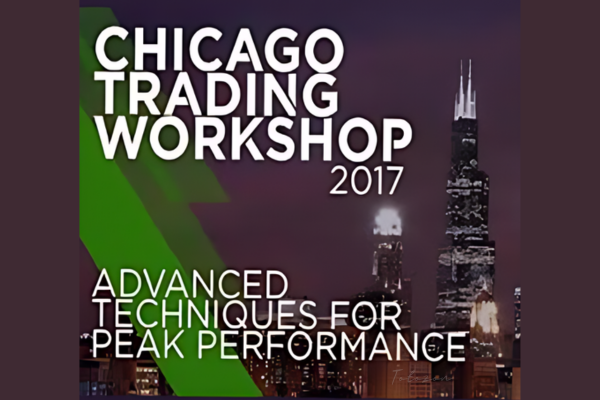 Chicago Trading Workshop 2017 with Marketdelta
1 × $23.00
Chicago Trading Workshop 2017 with Marketdelta
1 × $23.00 -
×
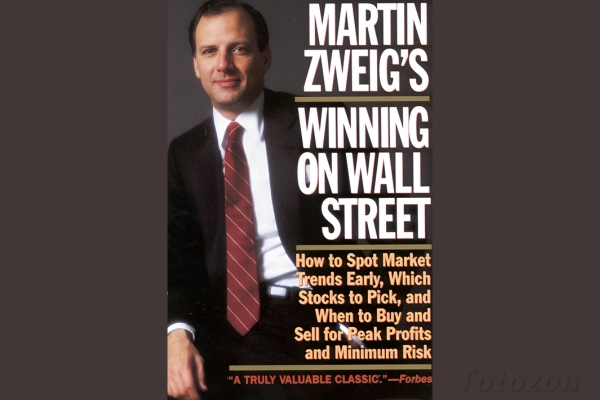 Winning on Wall Street (Updated & Revised Ed.) with Martin Zweig
1 × $6.00
Winning on Wall Street (Updated & Revised Ed.) with Martin Zweig
1 × $6.00 -
×
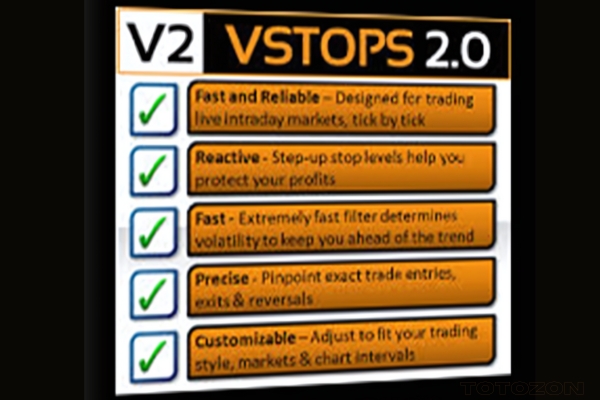 VSTOPS ProTrader Strategy (Nov 2013)
1 × $6.00
VSTOPS ProTrader Strategy (Nov 2013)
1 × $6.00 -
×
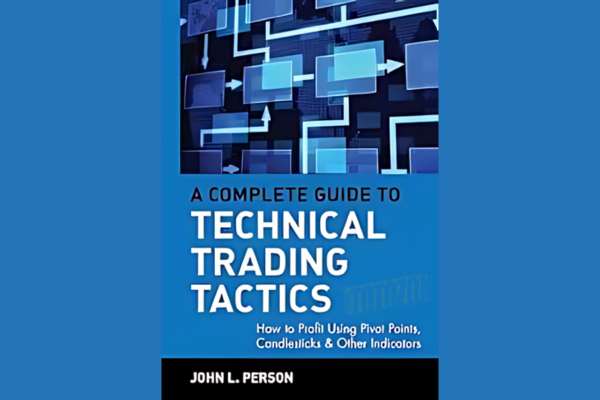 A Complete Guide to Technical Trading Tactics with John Person
1 × $6.00
A Complete Guide to Technical Trading Tactics with John Person
1 × $6.00 -
×
 Unusual Options Activity Master Course with Andrew Keene - AlphaShark
1 × $15.00
Unusual Options Activity Master Course with Andrew Keene - AlphaShark
1 × $15.00 -
×
 Advanced Management Strategies - Home Study with Pristine Capital
1 × $27.00
Advanced Management Strategies - Home Study with Pristine Capital
1 × $27.00 -
×
 Credit Spreads Deep Dive with Jay Bailey - Sheridan Options Mentoring
1 × $31.00
Credit Spreads Deep Dive with Jay Bailey - Sheridan Options Mentoring
1 × $31.00 -
×
 Academy - Pick Stocks Like A Pro
1 × $15.00
Academy - Pick Stocks Like A Pro
1 × $15.00 -
×
 The Indices Orderflow Masterclass with The Forex Scalpers
1 × $23.00
The Indices Orderflow Masterclass with The Forex Scalpers
1 × $23.00 -
×
 30 Trading Classics with 3T Live
1 × $5.00
30 Trading Classics with 3T Live
1 × $5.00 -
×
 WealthFRX Trading Mastery Course 2.0
1 × $5.00
WealthFRX Trading Mastery Course 2.0
1 × $5.00 -
×
 Winning – Zodiacal Timing Revised 1980 with Joyce Wehrman
1 × $6.00
Winning – Zodiacal Timing Revised 1980 with Joyce Wehrman
1 × $6.00 -
×
 Beginner to Intermediate Intensive Q and A with Rob Hoffman
1 × $6.00
Beginner to Intermediate Intensive Q and A with Rob Hoffman
1 × $6.00 -
×
 Winning With The Market with Douglas R.Sease
1 × $6.00
Winning With The Market with Douglas R.Sease
1 × $6.00 -
×
 Activedaytrader - Workshop Options For Income
1 × $15.00
Activedaytrader - Workshop Options For Income
1 × $15.00 -
×
 Weekly Playbook Workshop #1
1 × $31.00
Weekly Playbook Workshop #1
1 × $31.00 -
×
 WondaFX Signature Strategy with WondaFX
1 × $5.00
WondaFX Signature Strategy with WondaFX
1 × $5.00 -
×
 War Room Psychology Vol. 2 with Pat Mitchell – Trick Trades
1 × $23.00
War Room Psychology Vol. 2 with Pat Mitchell – Trick Trades
1 × $23.00 -
×
 ICT Prodigy Trading Course – $650K in Payouts with Alex Solignani
1 × $15.00
ICT Prodigy Trading Course – $650K in Payouts with Alex Solignani
1 × $15.00 -
×
 How to Trade a Vertical Market
1 × $93.00
How to Trade a Vertical Market
1 × $93.00 -
×
 Renko Profits Accelerator
1 × $15.00
Renko Profits Accelerator
1 × $15.00 -
×
 Adx Mastery Complete Course
1 × $6.00
Adx Mastery Complete Course
1 × $6.00 -
×
 Boomer Quick Profits Day Trading Course
1 × $23.00
Boomer Quick Profits Day Trading Course
1 × $23.00 -
×
 Learn how to trade Volatility 75 Index Technical Analysis with Patrick Muke
1 × $6.00
Learn how to trade Volatility 75 Index Technical Analysis with Patrick Muke
1 × $6.00 -
×
 $20 – 52k 20 pips a day challange with Rafał Zuchowicz - TopMasterTrader
1 × $5.00
$20 – 52k 20 pips a day challange with Rafał Zuchowicz - TopMasterTrader
1 × $5.00
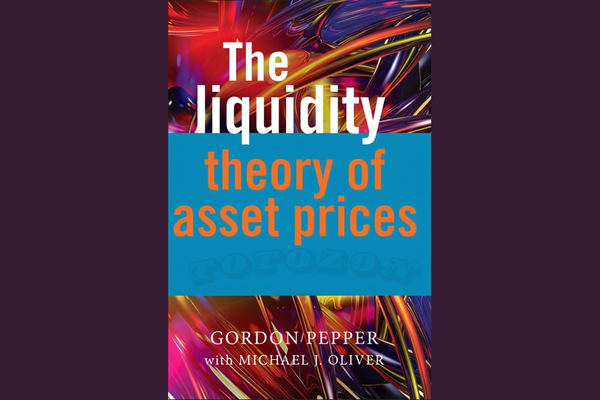
The Liquidity Theory of Asset Prices with Gordon Pepper & Michael Oliver
Original price was: $91.00.$6.00Current price is: $6.00.
File Size: Coming soon!
Delivery Time: 1–12 hours
Media Type: Online Course
The Liquidity Theory of Asset Prices with Gordon Pepper & Michael Oliver
In the ever-evolving field of financial markets, understanding the dynamics that drive asset prices is crucial. Gordon Pepper and Michael Oliver, through their seminal work on the liquidity theory of asset prices, offer profound insights that illuminate how liquidity—or the lack thereof—can significantly impact asset valuations. This article delves into their theory, exploring its key components, practical implications, and its relevance in today’s financial landscape.
Introduction to Liquidity Theory
Liquidity theory posits that the availability of liquid assets in the market can dramatically influence asset prices. Let’s unpack this concept to see how it applies to both traditional and contemporary markets.
What is Liquidity?
Simply put, liquidity refers to the ease with which an asset can be bought or sold in the market without affecting its price. High liquidity occurs when there are many buyers and sellers and transactions can occur quickly and at predictable prices.
Core Principles of Liquidity Theory
Gordon Pepper and Michael Oliver suggest that liquidity is not just a market feature but a central driver of asset price movements. This perspective shifts the focus from pure supply and demand dynamics to the availability of cash and liquid assets.
Key Aspects of the Liquidity Theory
The liquidity theory of asset prices encompasses several key aspects that are critical for traders and investors to understand.
Impact of Market Liquidity on Asset Prices
- Price Sensitivity: Assets in a liquid market are less prone to sharp price swings.
- Transaction Volume and Price Movement: Higher transaction volumes typically lead to more stable prices.
The Role of Central Banks
Central banks play a crucial role by affecting liquidity through monetary policy. Their decisions can lead to significant market movements.
Applying Liquidity Theory in Various Markets
Equity Markets
In equity markets, liquidity can determine the volatility of stock prices. During periods of high liquidity, stocks are generally less volatile.
Bond Markets
For bond markets, liquidity affects yields and bond prices inversely. More liquidity generally means lower yields and higher prices.
Real Estate and Illiquid Assets
In less liquid markets, such as real estate, prices are more sensitive to changes in liquidity.
Liquidity and Market Sentiment
Market sentiment can both influence and be influenced by liquidity. A positive market sentiment can increase liquidity as more participants engage in trading, thereby stabilizing prices.
Indicators of Liquidity
- Bid-Ask Spread: A lower spread typically indicates higher liquidity.
- Market Depth: Measures how orders at different prices are affecting the market.
Challenges and Considerations
While liquidity theory provides a robust framework, it comes with challenges:
- Prediction Limitations: Liquidity can be highly variable and difficult to predict.
- External Shocks: Sudden financial events can disrupt market liquidity.
Conclusion
The liquidity theory of asset prices, as presented by Gordon Pepper and Michael Oliver, offers invaluable insights into the mechanics of financial markets. By understanding the nuances of liquidity, investors and traders can better navigate the complexities of market dynamics.
FAQs About Liquidity Theory
- What is the best indicator of liquidity in the market?
- The bid-ask spread is often considered one of the most straightforward indicators of market liquidity.
- How does liquidity affect small-cap stocks?
- Small-cap stocks, typically having lower liquidity, are more vulnerable to large price swings due to the imbalance of buy and sell orders.
- Can liquidity theory be applied to cryptocurrency markets?
- Yes, liquidity is a critical factor in the cryptocurrency markets, affecting both price stability and the ability to execute large transactions without significant price impacts.
- What role do hedge funds play in market liquidity?
- Hedge funds can both provide and remove liquidity, depending on their trading strategies. They often increase liquidity by adding more transactions to the market.
- How can investors protect themselves from liquidity risk?
- Diversification and maintaining a portion of the portfolio in highly liquid assets can help mitigate liquidity risk.
Be the first to review “The Liquidity Theory of Asset Prices with Gordon Pepper & Michael Oliver”
You must be logged in to post a review.
Related products
Forex Trading
Quantamentals – The Next Great Forefront Of Trading and Investing with Trading Markets
Original price was: $1,495.00.$8.00Current price is: $8.00.
Forex Trading
Original price was: $2,997.00.$23.00Current price is: $23.00.
Original price was: $450.00.$23.00Current price is: $23.00.
Forex Trading
Original price was: $1,898.00.$10.00Current price is: $10.00.
Original price was: $895.00.$15.00Current price is: $15.00.
Original price was: $997.00.$8.00Current price is: $8.00.
Original price was: $497.00.$11.00Current price is: $11.00.
Original price was: $1,849.00.$15.00Current price is: $15.00.
Forex Trading
Original price was: $397.00.$31.00Current price is: $31.00.
Original price was: $139.00.$23.00Current price is: $23.00.
Original price was: $700.00.$39.00Current price is: $39.00.
Forex Trading
Original price was: $125.00.$17.00Current price is: $17.00.
Forex Trading
Original price was: $249.00.$15.00Current price is: $15.00.
Forex Trading
Original price was: $799.00.$15.00Current price is: $15.00.
Original price was: $999.00.$5.00Current price is: $5.00.
Forex Trading
The Complete Guide to Multiple Time Frame Analysis & Reading Price Action with Aiman Almansoori
Original price was: $1,399.00.$13.00Current price is: $13.00.
Forex Trading
Original price was: $2,995.00.$31.00Current price is: $31.00.
Forex Trading
Original price was: $499.00.$15.00Current price is: $15.00.
Forex Trading
Original price was: $697.00.$5.00Current price is: $5.00.
Original price was: $497.00.$31.00Current price is: $31.00.

Reviews
There are no reviews yet.