
-
×
 How to avoid the GAP
1 × $6.00
How to avoid the GAP
1 × $6.00 -
×
 Futures Commodity Trading with G. Scott Martin
1 × $6.00
Futures Commodity Trading with G. Scott Martin
1 × $6.00 -
×
 Pattern- Price & Time. Using Gann Theory in Trading Systems (2nd Ed.)
1 × $6.00
Pattern- Price & Time. Using Gann Theory in Trading Systems (2nd Ed.)
1 × $6.00 -
×
 Forex & Fibonacci Day Trading Seminar - $695
1 × $6.00
Forex & Fibonacci Day Trading Seminar - $695
1 × $6.00 -
×
 Quantitative Trading and Money Management, Revised Edition (5th Edition) with Fred Gehm
1 × $6.00
Quantitative Trading and Money Management, Revised Edition (5th Edition) with Fred Gehm
1 × $6.00 -
×
 30 Trading Classics with 3T Live
1 × $5.00
30 Trading Classics with 3T Live
1 × $5.00 -
×
 Master Trader - Advander Management Strategies
1 × $39.00
Master Trader - Advander Management Strategies
1 × $39.00 -
×
 Option Insanity Strategy with PDS Trader
1 × $69.00
Option Insanity Strategy with PDS Trader
1 × $69.00 -
×
 Naked Trading Mastery
1 × $39.00
Naked Trading Mastery
1 × $39.00 -
×
 Stock Market Crash of 1929 with Aron Abrams
1 × $6.00
Stock Market Crash of 1929 with Aron Abrams
1 × $6.00 -
×
 Options Academy Elevate with Simon Ree - Tao of Trading
1 × $109.00
Options Academy Elevate with Simon Ree - Tao of Trading
1 × $109.00 -
×
 Forex Trading Strategies Modules 1-3 Complete Set with Blake Young - Shadow Trader
1 × $54.00
Forex Trading Strategies Modules 1-3 Complete Set with Blake Young - Shadow Trader
1 × $54.00 -
×
 Advanced Strategies for Option Trading Success with James Bittman
1 × $6.00
Advanced Strategies for Option Trading Success with James Bittman
1 × $6.00 -
×
 SE ELITE COURSE with SE TRADINGX
1 × $5.00
SE ELITE COURSE with SE TRADINGX
1 × $5.00 -
×
 Bond Market Course with The Macro Compass
1 × $15.00
Bond Market Course with The Macro Compass
1 × $15.00 -
×
 How Do You Read Charts? A Guide to Classic Price Pattern Recognition Class with Professor Jeff Bierman
1 × $6.00
How Do You Read Charts? A Guide to Classic Price Pattern Recognition Class with Professor Jeff Bierman
1 × $6.00 -
×
 Cash In On Chaos with Hans Hannula
1 × $6.00
Cash In On Chaos with Hans Hannula
1 × $6.00 -
×
 Smart Money Trading Course with Prosperity Academy
1 × $5.00
Smart Money Trading Course with Prosperity Academy
1 × $5.00 -
×
 Making Sense of Price Action: Price Action Profits with Scott Foster
1 × $54.00
Making Sense of Price Action: Price Action Profits with Scott Foster
1 × $54.00 -
×
 Price Analysis Webinar with Carolyn Boroden
1 × $6.00
Price Analysis Webinar with Carolyn Boroden
1 × $6.00 -
×
 The Apple Way with Jeffrey Cruikshank
1 × $6.00
The Apple Way with Jeffrey Cruikshank
1 × $6.00 -
×
 Ron Wagner – Creating a Profitable Trading & Investing Plan. 6 Key Components with Pristine
1 × $4.00
Ron Wagner – Creating a Profitable Trading & Investing Plan. 6 Key Components with Pristine
1 × $4.00 -
×
 Deep Dive Butterfly Trading Strategy Class with SJG Trades
1 × $41.00
Deep Dive Butterfly Trading Strategy Class with SJG Trades
1 × $41.00 -
×
 Futures Spreads Crash Course with Base Camp Trading
1 × $54.00
Futures Spreads Crash Course with Base Camp Trading
1 × $54.00 -
×
 The House Always Wins with jasonbondpicks
1 × $6.00
The House Always Wins with jasonbondpicks
1 × $6.00 -
×
 Investment Leadership & Portfolio Management with Brian Singer
1 × $6.00
Investment Leadership & Portfolio Management with Brian Singer
1 × $6.00 -
×
 A Course in Trading with Donald Mack & Wetsel Market Bureau
1 × $6.00
A Course in Trading with Donald Mack & Wetsel Market Bureau
1 × $6.00 -
×
 The Orderflow Masterclass with PrimeTrading
1 × $17.00
The Orderflow Masterclass with PrimeTrading
1 × $17.00 -
×
 Sequence Trading Course with Kevin Haggerty
1 × $4.00
Sequence Trading Course with Kevin Haggerty
1 × $4.00 -
×
 Live in London (5 DVD) with Martin Pring
1 × $6.00
Live in London (5 DVD) with Martin Pring
1 × $6.00 -
×
 Profit in the Futures Markets! with Jack Bernstein
1 × $6.00
Profit in the Futures Markets! with Jack Bernstein
1 × $6.00 -
×
 Activedaytrader - Elite Earnings Pusuit
1 × $54.00
Activedaytrader - Elite Earnings Pusuit
1 × $54.00 -
×
 Master Fibonacci, Symmetry & Consistent Profitable Trading with Day Trading Zones
1 × $23.00
Master Fibonacci, Symmetry & Consistent Profitable Trading with Day Trading Zones
1 × $23.00 -
×
 How To Write High Converting Copy with Tej Dosa
1 × $6.00
How To Write High Converting Copy with Tej Dosa
1 × $6.00 -
×
 Spartan Renko 2.0 Workshop 2017
1 × $23.00
Spartan Renko 2.0 Workshop 2017
1 × $23.00 -
×
 How to Spot Trading Opportunities
1 × $6.00
How to Spot Trading Opportunities
1 × $6.00 -
×
 The Banker’s Edge Webinar & Extras
1 × $6.00
The Banker’s Edge Webinar & Extras
1 × $6.00 -
×
 The A to Z of Mathematics: A Basic Guide with Thomas Sidebotham
1 × $6.00
The A to Z of Mathematics: A Basic Guide with Thomas Sidebotham
1 × $6.00 -
×
 Slapped by the Invisible Hand: The Panic of 2007 with Gary Gorton
1 × $6.00
Slapped by the Invisible Hand: The Panic of 2007 with Gary Gorton
1 × $6.00 -
×
 Hedge Fund Market Wizards: How Winning Traders Win with Jack Schwager
1 × $6.00
Hedge Fund Market Wizards: How Winning Traders Win with Jack Schwager
1 × $6.00 -
×
 Masterclass 2.0 with Dave Teaches
1 × $31.00
Masterclass 2.0 with Dave Teaches
1 × $31.00 -
×
 Natural Squares Calculator with Lambert-Gann Educators
1 × $6.00
Natural Squares Calculator with Lambert-Gann Educators
1 × $6.00 -
×
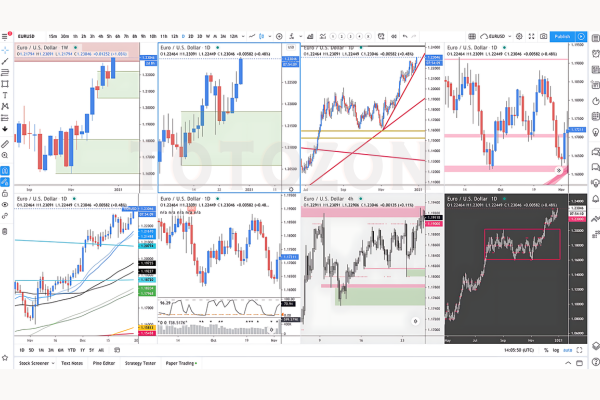 Supply And Demand Zone Trading Course with Trading180
1 × $5.00
Supply And Demand Zone Trading Course with Trading180
1 × $5.00 -
×
 The Reducing Risk and Maximizing Returns Blueprint (Atomic Hedge Strategy) with Don Kaufman
1 × $6.00
The Reducing Risk and Maximizing Returns Blueprint (Atomic Hedge Strategy) with Don Kaufman
1 × $6.00 -
×
 Stock Trader`s Almanac 2012 with Jeffrey Hirsch & Yale Hirsch
1 × $6.00
Stock Trader`s Almanac 2012 with Jeffrey Hirsch & Yale Hirsch
1 × $6.00 -
×
 Quantamentals - The Next Great Forefront Of Trading and Investing with Trading Markets
1 × $8.00
Quantamentals - The Next Great Forefront Of Trading and Investing with Trading Markets
1 × $8.00 -
×
 How To Be a Profitable Forex Trader with Corey Halliday
1 × $6.00
How To Be a Profitable Forex Trader with Corey Halliday
1 × $6.00 -
×
 Advanced Options Trading with Lucas Downey
1 × $15.00
Advanced Options Trading with Lucas Downey
1 × $15.00 -
×
 Get Rich with Dividends
1 × $6.00
Get Rich with Dividends
1 × $6.00 -
×
 Power Index Method for Profitable Futures Trading with Harold Goldberg
1 × $6.00
Power Index Method for Profitable Futures Trading with Harold Goldberg
1 × $6.00 -
×
 Path to Profits By Scott Redler - T3 Live
1 × $6.00
Path to Profits By Scott Redler - T3 Live
1 × $6.00 -
×
 Guidelines for Analysis and Establishing a Trading Plan with Charles Drummond
1 × $6.00
Guidelines for Analysis and Establishing a Trading Plan with Charles Drummond
1 × $6.00 -
×
 Investment Performance Measurement with Bruce Feibel
1 × $6.00
Investment Performance Measurement with Bruce Feibel
1 × $6.00 -
×
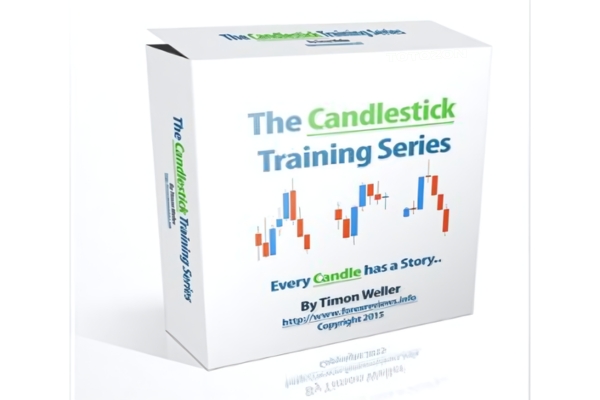 The Candlestick Training Series with Timon Weller
1 × $6.00
The Candlestick Training Series with Timon Weller
1 × $6.00 -
×
 Market Masters. How Traders Think Trade And Invest with Jake Bernstein
1 × $6.00
Market Masters. How Traders Think Trade And Invest with Jake Bernstein
1 × $6.00 -
×
 How to Trade Diagonal Triangles. Superior Risk Reward Trade Setups
1 × $6.00
How to Trade Diagonal Triangles. Superior Risk Reward Trade Setups
1 × $6.00 -
×
 Forex Trading Like Banks - Step by Step by Live Examples with Taher Assaf
1 × $6.00
Forex Trading Like Banks - Step by Step by Live Examples with Taher Assaf
1 × $6.00 -
×
 Guide to Scanning for Potential Stock Trades class with Jeff Bierman
1 × $6.00
Guide to Scanning for Potential Stock Trades class with Jeff Bierman
1 × $6.00 -
×
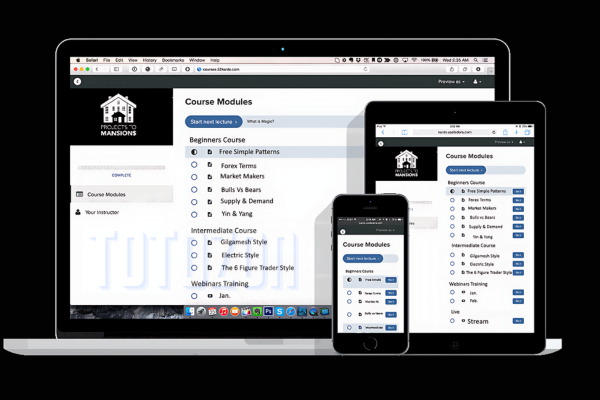 7 Figures Forex Course
1 × $15.00
7 Figures Forex Course
1 × $15.00 -
×
 Five Trading Trends of 2005 with Dan Denning
1 × $6.00
Five Trading Trends of 2005 with Dan Denning
1 × $6.00 -
×
 The Prop Trading Code with Brannigan Barrett - Axia Futures
1 × $23.00
The Prop Trading Code with Brannigan Barrett - Axia Futures
1 × $23.00 -
×
 Forecast 2024 Clarification with Larry Williams
1 × $15.00
Forecast 2024 Clarification with Larry Williams
1 × $15.00 -
×
 The Trader's Mindset Course with Chris Mathews
1 × $6.00
The Trader's Mindset Course with Chris Mathews
1 × $6.00 -
×
 Letal Forex System with Alex Seeni
1 × $6.00
Letal Forex System with Alex Seeni
1 × $6.00 -
×
 How to Avoid Tax on Your Stock Market Profits with Lee Hadnum
1 × $6.00
How to Avoid Tax on Your Stock Market Profits with Lee Hadnum
1 × $6.00 -
×
 Forex Trading with Ed Ponsi
1 × $6.00
Forex Trading with Ed Ponsi
1 × $6.00 -
×
 Master Moving Averages - Profit Multiplying Techniques with Nick Santiago - InTheMoneyStocks
1 × $54.00
Master Moving Averages - Profit Multiplying Techniques with Nick Santiago - InTheMoneyStocks
1 × $54.00 -
×
 How I Day Trade Course with Traderade
1 × $15.00
How I Day Trade Course with Traderade
1 × $15.00 -
×
 Pro Indicator Pack with Trade Confident
1 × $15.00
Pro Indicator Pack with Trade Confident
1 × $15.00 -
×
 SATYA 2 - Online Immersion - January 2023 By Tias Little
1 × $225.00
SATYA 2 - Online Immersion - January 2023 By Tias Little
1 × $225.00 -
×
 Capital with Charles D.Ellis
1 × $6.00
Capital with Charles D.Ellis
1 × $6.00 -
×
 How the Stock Market Works with Ramon DeGennaro
1 × $5.00
How the Stock Market Works with Ramon DeGennaro
1 × $5.00 -
×
 Money Attraction Bootcamp - Video + Audio + Workbook by Greg Habstritt
1 × $6.00
Money Attraction Bootcamp - Video + Audio + Workbook by Greg Habstritt
1 × $6.00 -
×
 How to Analyze Multifamily Investment Opportunities with Symon He & Brandon Young
1 × $6.00
How to Analyze Multifamily Investment Opportunities with Symon He & Brandon Young
1 × $6.00 -
×
 ProfileTraders - Swing and Price Analysis (May 2014)
1 × $6.00
ProfileTraders - Swing and Price Analysis (May 2014)
1 × $6.00 -
×
 Market Neutral Strategies with Bruce I.Jacobs & Kenneth N.Levy
1 × $6.00
Market Neutral Strategies with Bruce I.Jacobs & Kenneth N.Levy
1 × $6.00 -
×
 An Empirical Ananlysis of Stock Market Sentiment (Article) with Andrea Terzi
1 × $6.00
An Empirical Ananlysis of Stock Market Sentiment (Article) with Andrea Terzi
1 × $6.00 -
×
 Stock Selection Course with Dave Landry
1 × $6.00
Stock Selection Course with Dave Landry
1 × $6.00 -
×
 Forex Master Method Evolution with Russ Horn
1 × $6.00
Forex Master Method Evolution with Russ Horn
1 × $6.00 -
×
 Keynes & The Market with Justyn Walsh
1 × $6.00
Keynes & The Market with Justyn Walsh
1 × $6.00 -
×
 Ezaih Academy 2024 Mentorship with Ezaih
1 × $54.00
Ezaih Academy 2024 Mentorship with Ezaih
1 × $54.00 -
×
 Big Boy Volume Spread Analysis + Advanced Price Action Mastery Course with Kai Sheng Chew
1 × $15.00
Big Boy Volume Spread Analysis + Advanced Price Action Mastery Course with Kai Sheng Chew
1 × $15.00 -
×
 Short-Term Trading with Precision Timing - Jack Bernstein
1 × $6.00
Short-Term Trading with Precision Timing - Jack Bernstein
1 × $6.00 -
×
 Profit.ly - Bitcoin Basics
1 × $6.00
Profit.ly - Bitcoin Basics
1 × $6.00 -
×
 Neural Networks in Trading with Dr. Ernest P. Chan
1 × $31.00
Neural Networks in Trading with Dr. Ernest P. Chan
1 × $31.00 -
×
 Preparing for the Worst: Incorporating Downside Risk in Stock Market Investments with Hrishikesh Vinod & Derrick Reagle
1 × $6.00
Preparing for the Worst: Incorporating Downside Risk in Stock Market Investments with Hrishikesh Vinod & Derrick Reagle
1 × $6.00 -
×
 Passages To Profitability: A Comprehensive Guide To Channel Trading with Professor Jeff Bierman, CMT
1 × $6.00
Passages To Profitability: A Comprehensive Guide To Channel Trading with Professor Jeff Bierman, CMT
1 × $6.00 -
×
 How To Successfully Trade The Haggerty Slim Jim Strategy for Explosive Gains with Kevin Haggerty
1 × $6.00
How To Successfully Trade The Haggerty Slim Jim Strategy for Explosive Gains with Kevin Haggerty
1 × $6.00 -
×
 Murrey Math Trading System Book with Murrey Math
1 × $6.00
Murrey Math Trading System Book with Murrey Math
1 × $6.00 -
×
 Scalping the Nasdaq Emini Futures Method (Includes Indicators) with Ryan Watts
1 × $4.00
Scalping the Nasdaq Emini Futures Method (Includes Indicators) with Ryan Watts
1 × $4.00 -
×
 Stock Investing Strategies with Maria Crawford Scott, John Bajkowski
1 × $6.00
Stock Investing Strategies with Maria Crawford Scott, John Bajkowski
1 × $6.00 -
×
 How I've Achieved Triple-Digit Returns Daytrading: 4 Hours A Day with David Floyd
1 × $6.00
How I've Achieved Triple-Digit Returns Daytrading: 4 Hours A Day with David Floyd
1 × $6.00 -
×
 Momentum Mastery with Traderlion Richard Moglen & Ben Bennett
1 × $15.00
Momentum Mastery with Traderlion Richard Moglen & Ben Bennett
1 × $15.00 -
×
 Range Trading with D.Singleton
1 × $6.00
Range Trading with D.Singleton
1 × $6.00 -
×
 Starter Guide to Investing Stocks, Crypto & Precious Metals with Ryan Hogue
1 × $5.00
Starter Guide to Investing Stocks, Crypto & Precious Metals with Ryan Hogue
1 × $5.00 -
×
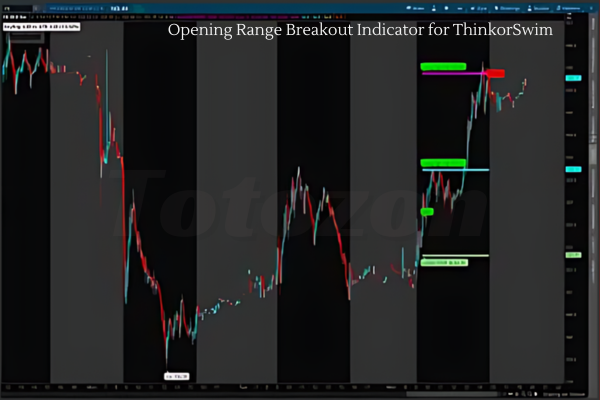 Opening Range Breakout Indicator for ThinkorSwim
1 × $6.00
Opening Range Breakout Indicator for ThinkorSwim
1 × $6.00 -
×
 High Probability Trading Using Elliott Wave And Fibonacci Analysis withVic Patel - Forex Training Group
1 × $10.00
High Probability Trading Using Elliott Wave And Fibonacci Analysis withVic Patel - Forex Training Group
1 × $10.00
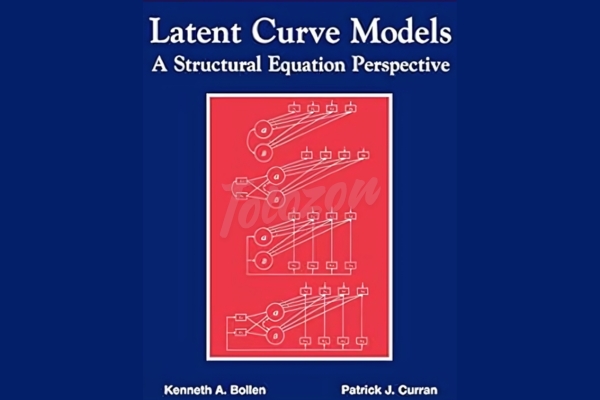
Latent Curve Models with Kenneth Bollen
$6.00
File Size: Coming soon!
Delivery Time: 1–12 hours
Media Type: Online Course
Content Proof: Watch Here!
You may check content proof of “Latent Curve Models with Kenneth Bollen” below:

Latent Curve Models with Kenneth Bollen
Understanding complex data patterns and trajectories over time is crucial in many fields, including psychology, education, and social sciences. Kenneth Bollen, a renowned statistician, offers profound insights into Latent Curve Models (LCMs), a powerful statistical technique used to analyze longitudinal data. Let’s delve into the intricacies of LCMs and how they can enhance our understanding of dynamic processes.
What are Latent Curve Models?
Defining Latent Curve Models
Latent Curve Models (LCMs) are a type of structural equation modeling used to estimate growth trajectories in longitudinal data. They help us understand how individuals change over time.
Why Use LCMs?
LCMs allow researchers to model the underlying growth processes, providing a more nuanced understanding of individual and group changes over time. This makes them invaluable in fields that rely on long-term data analysis.
Key Components of Latent Curve Models
1. Latent Variables
Latent variables are unobserved constructs inferred from observed data. In LCMs, they represent the underlying growth trajectory.
2. Observed Variables
Observed variables are the actual measurements collected over time. These are used to estimate the latent growth trajectories.
3. Growth Parameters
Growth parameters in LCMs include the intercept (initial status) and slope (rate of change). These parameters help in understanding the starting point and the rate of growth.
Applications of Latent Curve Models
1. Psychology
LCMs are widely used in psychology to study developmental changes, such as cognitive development in children or changes in mental health over time.
2. Education
In education, LCMs help in analyzing student progress and the effectiveness of educational interventions.
3. Social Sciences
LCMs provide insights into social phenomena, such as changes in public opinion or the impact of social policies over time.
Advantages of Latent Curve Models
1. Handling Missing Data
One of the significant advantages of LCMs is their ability to handle missing data effectively. This is crucial in longitudinal studies where missing data is a common issue.
2. Flexibility
LCMs offer flexibility in modeling different types of growth trajectories, including linear, quadratic, and exponential growth.
3. Individual Differences
LCMs allow for the analysis of individual differences in growth trajectories, helping to identify unique patterns of change.
Steps to Implement Latent Curve Models
1. Data Collection
The first step in implementing LCMs is collecting longitudinal data, ensuring consistent and accurate measurements over time.
2. Model Specification
Specify the LCM by defining the latent and observed variables, along with the growth parameters. This involves creating a model that accurately represents the data.
3. Model Estimation
Estimate the model parameters using software such as Mplus, LISREL, or R. This step involves fitting the model to the data to obtain the growth trajectories.
4. Model Evaluation
Evaluate the model’s fit using various goodness-of-fit indices. A good model fit indicates that the model accurately represents the data.
5. Interpretation
Interpret the results by examining the growth parameters and their significance. This step helps in understanding the underlying growth processes.
Common Challenges in Latent Curve Modeling
1. Model Complexity
The complexity of LCMs can be challenging, especially for beginners. It requires a thorough understanding of structural equation modeling.
2. Data Requirements
LCMs require large and high-quality longitudinal data, which can be difficult to obtain.
3. Software Proficiency
Proficiency in specialized software is necessary for implementing LCMs, adding to the learning curve.
Advanced Topics in Latent Curve Models
1. Multilevel LCMs
Multilevel LCMs account for nested data structures, such as students within schools or patients within clinics.
2. Growth Mixture Models
Growth Mixture Models (GMMs) extend LCMs by identifying subgroups with distinct growth trajectories within the population.
3. Nonlinear LCMs
Nonlinear LCMs model complex growth patterns that do not follow a straight line, providing a more accurate representation of certain data.
Practical Tips for Using Latent Curve Models
1. Start Simple
Begin with a simple LCM and gradually add complexity as you become more comfortable with the technique.
2. Collaborate
Work with a statistician or methodologist if you’re new to LCMs. Their expertise can help you avoid common pitfalls.
3. Continuous Learning
Stay updated with the latest research and advancements in LCMs. Continuous learning is key to mastering this powerful technique.
Conclusion
Latent Curve Models, as elucidated by Kenneth Bollen, offer a robust framework for analyzing longitudinal data. By understanding and applying LCMs, researchers can uncover hidden patterns of change and gain deeper insights into dynamic processes. Whether in psychology, education, or social sciences, LCMs provide invaluable tools for advancing our understanding of growth and development.
FAQs
1. What are Latent Curve Models?
Latent Curve Models are statistical techniques used to estimate growth trajectories in longitudinal data, revealing patterns of change over time.
2. Why are LCMs important in research?
LCMs are important because they provide a detailed understanding of how individuals and groups change over time, essential for many fields of study.
3. What software can be used to implement LCMs?
Common software for implementing LCMs includes Mplus, LISREL, and R, which offer specialized tools for structural equation modeling.
4. What are the key components of LCMs?
Key components of LCMs include latent variables, observed variables, and growth parameters such as intercepts and slopes.
5. What are the common challenges in using LCMs?
Common challenges include model complexity, data requirements, and the need for proficiency in specialized software.
Be the first to review “Latent Curve Models with Kenneth Bollen”
You must be logged in to post a review.
Related products

Original price was: $649.00.$20.00Current price is: $20.00.

Original price was: $1,800.00.$54.00Current price is: $54.00.

Original price was: $450.00.$23.00Current price is: $23.00.

Original price was: $799.00.$15.00Current price is: $15.00.

Original price was: $299.00.$8.00Current price is: $8.00.

Forex Trading
The Complete Guide to Multiple Time Frame Analysis & Reading Price Action with Aiman Almansoori
Original price was: $1,399.00.$13.00Current price is: $13.00.
Original price was: $695.00.$41.00Current price is: $41.00.

Original price was: $310.00.$23.00Current price is: $23.00.

Original price was: $4,995.00.$15.00Current price is: $15.00.

Forex Trading
Original price was: $500.00.$5.00Current price is: $5.00.

Forex Trading
Original price was: $799.00.$15.00Current price is: $15.00.

Forex Trading
Original price was: $4,997.00.$27.00Current price is: $27.00.

Forex Trading
Original price was: $1,098.00.$39.00Current price is: $39.00.

Forex Trading
Original price was: $239.00.$8.00Current price is: $8.00.

Forex Trading
Original price was: $2,000.00.$23.00Current price is: $23.00.
Forex Trading
Original price was: $797.00.$10.00Current price is: $10.00.
Forex Trading
Original price was: $499.00.$15.00Current price is: $15.00.

Forex Trading
Original price was: $2,995.00.$31.00Current price is: $31.00.

Original price was: $700.00.$39.00Current price is: $39.00.

Original price was: $139.00.$23.00Current price is: $23.00.
Reviews
There are no reviews yet.