
-
×
 Technical Analysis & The Nasdaq with Alan Rich
1 × $6.00
Technical Analysis & The Nasdaq with Alan Rich
1 × $6.00 -
×
 Trading with MORE Special Set-ups - Recorded Webinar
1 × $15.00
Trading with MORE Special Set-ups - Recorded Webinar
1 × $15.00 -
×
 Day Trading Systems & Methods with Charles Le Beau, David Lucas
1 × $6.00
Day Trading Systems & Methods with Charles Le Beau, David Lucas
1 × $6.00 -
×
 Traders Secret Code Complete Course with Mark McRae
1 × $6.00
Traders Secret Code Complete Course with Mark McRae
1 × $6.00 -
×
 Time Trap System with Alex Krzhechevsky
1 × $6.00
Time Trap System with Alex Krzhechevsky
1 × $6.00 -
×
 The Master Indicator 2023 with Lance Ippolito
1 × $101.00
The Master Indicator 2023 with Lance Ippolito
1 × $101.00 -
×
 Accelerated Learning Techniques in Action with Colin Rose, Jayne Nicholl & Malcolm Nicholl
1 × $6.00
Accelerated Learning Techniques in Action with Colin Rose, Jayne Nicholl & Malcolm Nicholl
1 × $6.00 -
×
 Sea Lanes & Pipelines with Bernard D.Cole
1 × $6.00
Sea Lanes & Pipelines with Bernard D.Cole
1 × $6.00 -
×
 Big Profit Patterns Using Candlestick Signals & Gaps with Stephen W.Bigalow
1 × $6.00
Big Profit Patterns Using Candlestick Signals & Gaps with Stephen W.Bigalow
1 × $6.00 -
×
 Cyclic Analysis. A BreakThrough in Transaction Timing with Cyclitec Services
1 × $6.00
Cyclic Analysis. A BreakThrough in Transaction Timing with Cyclitec Services
1 × $6.00 -
×
 The Handbook of Technical Analysis: A Comprehensive Guide to Analytical Methods, Trading Systems and Technical Indicators with Darrell R. Jobman
1 × $6.00
The Handbook of Technical Analysis: A Comprehensive Guide to Analytical Methods, Trading Systems and Technical Indicators with Darrell R. Jobman
1 × $6.00 -
×
 The Heretics of Finance with Andrew Lo & Jasmina Hasanhodzic
1 × $4.00
The Heretics of Finance with Andrew Lo & Jasmina Hasanhodzic
1 × $4.00 -
×
 Day One Trader with John Sussex
1 × $6.00
Day One Trader with John Sussex
1 × $6.00 -
×
 Andy’s EMini Bar – 40 Min System with Joe Ross
1 × $6.00
Andy’s EMini Bar – 40 Min System with Joe Ross
1 × $6.00 -
×
 The Complete Guide to Multiple Time Frame Analysis & Reading Price Action with Aiman Almansoori
1 × $13.00
The Complete Guide to Multiple Time Frame Analysis & Reading Price Action with Aiman Almansoori
1 × $13.00 -
×
 Developing the Psychological Trader’s Edge with Robin Dayne
1 × $6.00
Developing the Psychological Trader’s Edge with Robin Dayne
1 × $6.00 -
×
 Module III - Peak Formation Trades with FX MindShift
1 × $6.00
Module III - Peak Formation Trades with FX MindShift
1 × $6.00 -
×
 The Random Character of Interest Rates with Joseph Murphy
1 × $6.00
The Random Character of Interest Rates with Joseph Murphy
1 × $6.00 -
×
 European Members - March 2023 with Stockbee
1 × $5.00
European Members - March 2023 with Stockbee
1 × $5.00 -
×
 Unlocking the Mysteries of Trend Analysis - Rick Bensignor
1 × $6.00
Unlocking the Mysteries of Trend Analysis - Rick Bensignor
1 × $6.00 -
×
 Crash or Correction - Top 5 Patterns Every Trader Must Master with Todd Gordon
1 × $6.00
Crash or Correction - Top 5 Patterns Every Trader Must Master with Todd Gordon
1 × $6.00 -
×
 Forex in Five Full Time Strategies for Part Time Traders (fxstreet.com) - Raghee Horner
1 × $6.00
Forex in Five Full Time Strategies for Part Time Traders (fxstreet.com) - Raghee Horner
1 × $6.00 -
×
 The TradingKey - Mastering Elliott Wave by Rob Roy 2010 + Complete Workbooks with HUBB Financial
1 × $6.00
The TradingKey - Mastering Elliott Wave by Rob Roy 2010 + Complete Workbooks with HUBB Financial
1 × $6.00 -
×
 All About Bonds, Bond Mutual Funds & Bond ETFs (3rd Ed.) with Esme Faerber
1 × $6.00
All About Bonds, Bond Mutual Funds & Bond ETFs (3rd Ed.) with Esme Faerber
1 × $6.00 -
×
 Currency Strategy with Callum Henderson
1 × $6.00
Currency Strategy with Callum Henderson
1 × $6.00 -
×
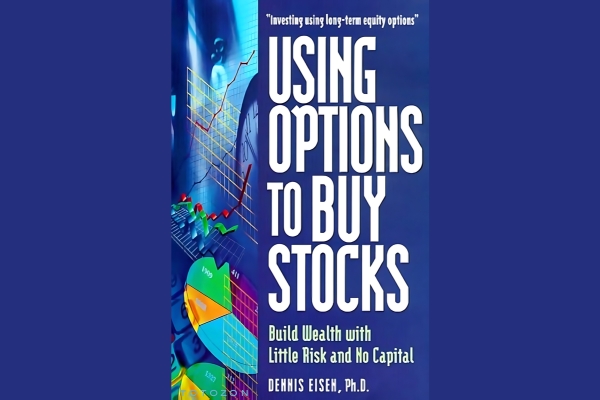 Using Options to Buy Stocks: Build Wealth with Little Risk and No Capital - Dennis Eisen
1 × $4.00
Using Options to Buy Stocks: Build Wealth with Little Risk and No Capital - Dennis Eisen
1 × $4.00 -
×
 Master Moving Averages - Profit Multiplying Techniques with Nick Santiago - InTheMoneyStocks
1 × $54.00
Master Moving Averages - Profit Multiplying Techniques with Nick Santiago - InTheMoneyStocks
1 × $54.00 -
×
 Formula to a Fortune with Steve Briese, Glen Ring
1 × $6.00
Formula to a Fortune with Steve Briese, Glen Ring
1 × $6.00 -
×
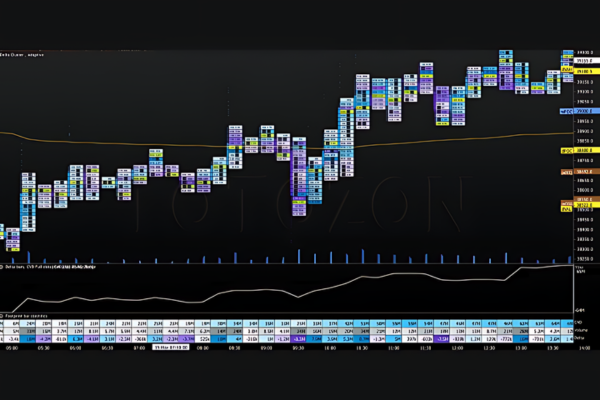 Advanced Trading Course - Footprint Charts, Market Profile & TPO with Jayson Casper
1 × $31.00
Advanced Trading Course - Footprint Charts, Market Profile & TPO with Jayson Casper
1 × $31.00 -
×
 OilTradingAcademy - Oil Trading Academy Code 1 + 2 + 3 Video Course
1 × $6.00
OilTradingAcademy - Oil Trading Academy Code 1 + 2 + 3 Video Course
1 × $6.00 -
×
 90 Days To Trade MasterClass with Jerremy Newsome & Matt Delong - Real Life Trading
1 × $104.00
90 Days To Trade MasterClass with Jerremy Newsome & Matt Delong - Real Life Trading
1 × $104.00 -
×
 Sun Tzu and the Art of War for Traders with Dean Lundell
1 × $6.00
Sun Tzu and the Art of War for Traders with Dean Lundell
1 × $6.00 -
×
 Advanced Scalping Techniques Home Study Course with Sami Abusaad - T3Live
1 × $31.00
Advanced Scalping Techniques Home Study Course with Sami Abusaad - T3Live
1 × $31.00 -
×
 Trade What You See How To Profit from Pattern Recognition with Larry Pesavento & Leslie Jouflas
1 × $6.00
Trade What You See How To Profit from Pattern Recognition with Larry Pesavento & Leslie Jouflas
1 × $6.00 -
×
 The Pocket Mortgage Guide: 60 of the Most Important Questions and Answers About Your Home Loan with Jack Guttentag
1 × $6.00
The Pocket Mortgage Guide: 60 of the Most Important Questions and Answers About Your Home Loan with Jack Guttentag
1 × $6.00 -
×
 Tape Reading & Market Tactics with Humphrey Neill
1 × $6.00
Tape Reading & Market Tactics with Humphrey Neill
1 × $6.00 -
×
 Hedged Strategy Series in Volatile Markets All 4 with Dan Sheridan
1 × $15.00
Hedged Strategy Series in Volatile Markets All 4 with Dan Sheridan
1 × $15.00 -
×
 War Room Technicals Vol. 3 with Trick Trades
1 × $6.00
War Room Technicals Vol. 3 with Trick Trades
1 × $6.00 -
×
 Hubert Senters’ Squeeze Play Strategy & Tradestation Code with Hubert Senters
1 × $6.00
Hubert Senters’ Squeeze Play Strategy & Tradestation Code with Hubert Senters
1 × $6.00 -
×
 DFX Scalping Strategy Course with Disciplined FX
1 × $23.00
DFX Scalping Strategy Course with Disciplined FX
1 × $23.00 -
×
 Momentum Mastery with Traderlion Richard Moglen & Ben Bennett
1 × $15.00
Momentum Mastery with Traderlion Richard Moglen & Ben Bennett
1 × $15.00 -
×
 Day Trading with Lines in the Sky By R.L.Muehlberg
1 × $6.00
Day Trading with Lines in the Sky By R.L.Muehlberg
1 × $6.00 -
×
 Elliott Wave Indicator Suite for ThinkorSwim
1 × $15.00
Elliott Wave Indicator Suite for ThinkorSwim
1 × $15.00 -
×
 Stupid Trader – Play Safe!
1 × $6.00
Stupid Trader – Play Safe!
1 × $6.00 -
×
 You can be a Stock Market Genious with Joel Greenblaat
1 × $6.00
You can be a Stock Market Genious with Joel Greenblaat
1 × $6.00 -
×
 Trading With an Edge with Bruce Gilmore
1 × $6.00
Trading With an Edge with Bruce Gilmore
1 × $6.00 -
×
 Profit Generating System with Brian Williams
1 × $6.00
Profit Generating System with Brian Williams
1 × $6.00 -
×
 Football Hedging System with Tony Langley
1 × $54.00
Football Hedging System with Tony Langley
1 × $54.00 -
×
 Diary of an Internet Trader with Alpesh Patel
1 × $6.00
Diary of an Internet Trader with Alpesh Patel
1 × $6.00 -
×
 Quantitative Business Valuation with Jay Abrams
1 × $6.00
Quantitative Business Valuation with Jay Abrams
1 × $6.00 -
×
 Trading Mindset, and Three Steps To Profitable Trading with Bruce Banks
1 × $6.00
Trading Mindset, and Three Steps To Profitable Trading with Bruce Banks
1 × $6.00 -
×
 The Complete Guide to Market Breadth Indicators: How to Analyze and Evaluate market Direction and Strength - Greg Morris
1 × $6.00
The Complete Guide to Market Breadth Indicators: How to Analyze and Evaluate market Direction and Strength - Greg Morris
1 × $6.00 -
×
 Trading Short TermSame Day Trades Sep 2023 with Dan Sheridan & Mark Fenton - Sheridan Options Mentoring
1 × $31.00
Trading Short TermSame Day Trades Sep 2023 with Dan Sheridan & Mark Fenton - Sheridan Options Mentoring
1 × $31.00 -
×
 ICT Prodigy Trading Course – $650K in Payouts with Alex Solignani
1 × $15.00
ICT Prodigy Trading Course – $650K in Payouts with Alex Solignani
1 × $15.00 -
×
 0 DTE Options Trading Workshop with Aeromir Corporation
1 × $15.00
0 DTE Options Trading Workshop with Aeromir Corporation
1 × $15.00 -
×
 Best of the Best: Collars with Amy Meissner & Scott Ruble
1 × $15.00
Best of the Best: Collars with Amy Meissner & Scott Ruble
1 × $15.00
Investment Mathematics with Andrew Adams
$6.00
File Size: Cooming soon!
Delivery Time: 1–12 hours
Media Type: Online Course
Content Proof: Watch Here!
You may check content proof of “Investment Mathematics with Andrew Adams” below:

Investment Mathematics with Andrew Adams
Introduction to Investment Mathematics
Understanding investment mathematics is crucial for making informed financial decisions. Andrew Adams, an expert in this field, provides valuable insights into the mathematical principles that drive successful investing. This article will explore key concepts and techniques in investment mathematics to help you enhance your investment strategies.
What is Investment Mathematics?
Definition and Importance
Investment mathematics involves the use of mathematical tools and techniques to analyze and manage investments. It helps investors understand the potential risks and returns, optimize portfolios, and make data-driven decisions.
Role in Financial Decisions
By applying mathematical principles, investors can evaluate different investment options, forecast financial outcomes, and mitigate risks. This analytical approach is essential for both individual investors and financial professionals.
Key Concepts in Investment Mathematics
1. Time Value of Money (TVM)
The time value of money is a fundamental concept that states money available now is worth more than the same amount in the future due to its earning potential.
Present Value (PV)
Present value calculates the current worth of a future sum of money. It helps in comparing investment options that provide returns at different times.
Future Value (FV)
Future value projects the value of a current sum of money at a future date, considering a specific interest rate. It is useful for planning long-term investments.
2. Compounding Interest
Compounding interest is the process where the value of an investment grows exponentially over time as interest is earned on both the initial principal and the accumulated interest.
3. Discounted Cash Flow (DCF)
DCF analysis estimates the value of an investment based on its expected future cash flows. It helps determine whether an investment is worth pursuing.
4. Risk and Return
Understanding the relationship between risk and return is vital. Higher potential returns often come with higher risks, and investment mathematics helps quantify and manage these risks.
5. Portfolio Optimization
Portfolio optimization involves selecting a mix of investments that maximizes returns while minimizing risk. This concept is grounded in modern portfolio theory.
Mathematical Tools and Techniques
1. Financial Ratios
Financial ratios are used to evaluate the performance and financial health of a company. Common ratios include the price-to-earnings (P/E) ratio, return on equity (ROE), and debt-to-equity (D/E) ratio.
2. Probability and Statistics
Probability and statistics are essential for assessing investment risks and returns. They help in modeling financial scenarios and making predictions based on historical data.
3. Regression Analysis
Regression analysis identifies the relationship between different financial variables. It is useful for forecasting stock prices, interest rates, and other economic indicators.
4. Monte Carlo Simulation
Monte Carlo simulation uses random sampling to model the probability of different outcomes in an uncertain environment. It is widely used in risk management and portfolio analysis.
Applying Investment Mathematics
1. Evaluating Investment Opportunities
Use investment mathematics to assess the potential returns and risks of different investment opportunities. Compare the present and future values, and consider the impact of compounding interest.
2. Diversifying Portfolios
Apply portfolio optimization techniques to diversify investments, balancing high-risk and low-risk assets to achieve a desirable risk-return profile.
3. Risk Management
Use statistical tools and probability models to identify and mitigate investment risks. Regularly review and adjust your portfolio based on changing market conditions.
Advanced Investment Strategies
1. Options Pricing Models
Options pricing models, such as the Black-Scholes model, use mathematical formulas to determine the fair value of options. These models help investors make informed decisions in the derivatives market.
2. Fixed Income Analysis
Fixed income analysis involves evaluating bonds and other debt securities. Mathematical models help determine the yield, duration, and convexity of these investments.
3. Quantitative Trading
Quantitative trading uses mathematical models and algorithms to identify trading opportunities. It involves analyzing large data sets to predict market movements and execute trades automatically.
Challenges in Investment Mathematics
1. Market Volatility
Market volatility can make it challenging to predict financial outcomes accurately. Using robust mathematical models helps in navigating uncertain markets.
2. Data Quality
Accurate data is crucial for reliable analysis. Ensure the data used in mathematical models is up-to-date and sourced from reputable providers.
3. Model Risk
Model risk arises when mathematical models do not accurately represent real-world conditions. Regularly validate and update models to ensure their reliability.
Conclusion
Mastering investment mathematics with insights from Andrew Adams can significantly enhance your ability to make informed financial decisions. By understanding key concepts like the time value of money, compounding interest, and portfolio optimization, you can optimize your investment strategies and achieve better financial outcomes. Embrace these mathematical principles, apply them diligently, and watch your investments grow.
Frequently Asked Questions:
What is investment mathematics?
Investment mathematics involves using mathematical tools and techniques to analyze and manage investments, helping investors make data-driven decisions.
Why is the time value of money important?
The time value of money concept states that money available now is worth more than the same amount in the future due to its earning potential, helping in comparing investment options.
How can compounding interest benefit investments?
Compounding interest allows investments to grow exponentially over time, as interest is earned on both the initial principal and the accumulated interest.
What is portfolio optimization?
Portfolio optimization involves selecting a mix of investments that maximizes returns while minimizing risk, based on modern portfolio theory.
How can Monte Carlo simulation be used in investing?
Monte Carlo simulation models the probability of different outcomes in an uncertain environment, helping in risk management and portfolio analysis.
Be the first to review “Investment Mathematics with Andrew Adams”
You must be logged in to post a review.
Related products

Original price was: $1,800.00.$54.00Current price is: $54.00.
Forex Trading
Original price was: $999.00.$15.00Current price is: $15.00.

Original price was: $299.00.$8.00Current price is: $8.00.

Forex Trading
Original price was: $4,997.00.$27.00Current price is: $27.00.

Original price was: $895.00.$15.00Current price is: $15.00.

Forex Trading
Original price was: $499.00.$15.00Current price is: $15.00.

Original price was: $695.00.$41.00Current price is: $41.00.

Forex Trading
Original price was: $797.00.$10.00Current price is: $10.00.

Forex Trading
Original price was: $249.00.$15.00Current price is: $15.00.

Original price was: $649.00.$20.00Current price is: $20.00.

Original price was: $197.00.$5.00Current price is: $5.00.

Original price was: $310.00.$23.00Current price is: $23.00.

Forex Trading
Original price was: $125.00.$17.00Current price is: $17.00.

Forex Trading
Original price was: $799.00.$15.00Current price is: $15.00.

Original price was: $1,849.00.$15.00Current price is: $15.00.

Original price was: $997.00.$13.00Current price is: $13.00.
Original price was: $2,120.00.$15.00Current price is: $15.00.

Original price was: $4,995.00.$15.00Current price is: $15.00.

Original price was: $1,200.00.$23.00Current price is: $23.00.

Original price was: $700.00.$39.00Current price is: $39.00.

Reviews
There are no reviews yet.