
-
×
 White Phoenix’s The Smart (Money) Approach to Trading with Jayson Casper
1 × $39.00
White Phoenix’s The Smart (Money) Approach to Trading with Jayson Casper
1 × $39.00 -
×
 The Complete Guide to Multiple Time Frame Analysis & Reading Price Action with Aiman Almansoori
1 × $13.00
The Complete Guide to Multiple Time Frame Analysis & Reading Price Action with Aiman Almansoori
1 × $13.00 -
×
 A Complete Course in Option Trading Fundamentals with Joseph Frey
1 × $6.00
A Complete Course in Option Trading Fundamentals with Joseph Frey
1 × $6.00 -
×
 Forecast 2024 Clarification with Larry Williams
1 × $15.00
Forecast 2024 Clarification with Larry Williams
1 × $15.00 -
×
 The Indices Orderflow Masterclass with The Forex Scalpers
1 × $23.00
The Indices Orderflow Masterclass with The Forex Scalpers
1 × $23.00 -
×
 The Aime Workshop with Clay Marafiote
1 × $6.00
The Aime Workshop with Clay Marafiote
1 × $6.00 -
×
 AllStreet Investing - Master the Market LEVEL 2 - DAYTRADING
1 × $23.00
AllStreet Investing - Master the Market LEVEL 2 - DAYTRADING
1 × $23.00 -
×
 SQX Mentorship with Tip Toe Hippo
1 × $23.00
SQX Mentorship with Tip Toe Hippo
1 × $23.00 -
×
 Trading Short TermSame Day Trades Sep 2023 with Dan Sheridan & Mark Fenton - Sheridan Options Mentoring
1 × $31.00
Trading Short TermSame Day Trades Sep 2023 with Dan Sheridan & Mark Fenton - Sheridan Options Mentoring
1 × $31.00 -
×
 8 Year Presidential Election Pattern (Article) with Adam White
1 × $6.00
8 Year Presidential Election Pattern (Article) with Adam White
1 × $6.00 -
×
 The Binary Trigger (Video, Books) with John Piper
1 × $6.00
The Binary Trigger (Video, Books) with John Piper
1 × $6.00 -
×
 After Hour Trading Made Easy with Joe Duarte & Roland Burke
1 × $6.00
After Hour Trading Made Easy with Joe Duarte & Roland Burke
1 × $6.00 -
×
 5 Steps to Investment Success with Tyler Bolhorn
1 × $6.00
5 Steps to Investment Success with Tyler Bolhorn
1 × $6.00 -
×
 Sector Rotation & Market Timing with Frank Barbera
1 × $6.00
Sector Rotation & Market Timing with Frank Barbera
1 × $6.00 -
×
 Crypto Trading Academy with Cheeky Investor - Aussie Day Trader
1 × $13.00
Crypto Trading Academy with Cheeky Investor - Aussie Day Trader
1 × $13.00 -
×
 Ultimate Trading Course with Dodgy's Dungeon
1 × $8.00
Ultimate Trading Course with Dodgy's Dungeon
1 × $8.00 -
×
 The Trading Blueprint with Brad Goh - The Trading Geek
1 × $5.00
The Trading Blueprint with Brad Goh - The Trading Geek
1 × $5.00 -
×
 The Prop Trading Code with Brannigan Barrett - Axia Futures
1 × $23.00
The Prop Trading Code with Brannigan Barrett - Axia Futures
1 × $23.00 -
×
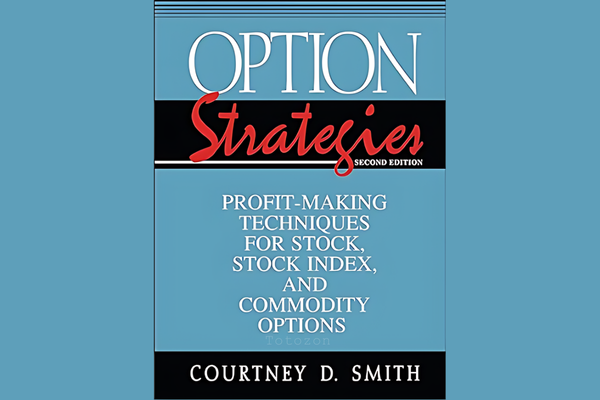 Option Strategies with Courtney Smith
1 × $6.00
Option Strategies with Courtney Smith
1 × $6.00 -
×
 How To Read The Market Professionally with TradeSmart
1 × $27.00
How To Read The Market Professionally with TradeSmart
1 × $27.00 -
×
 0 DTE Options Trading Workshop with Aeromir Corporation
1 × $15.00
0 DTE Options Trading Workshop with Aeromir Corporation
1 × $15.00 -
×
 THE ART OF ADJUSTING IN 2017
1 × $6.00
THE ART OF ADJUSTING IN 2017
1 × $6.00 -
×
 Home Run Options Trading Course with Dave Aquino - Base Camp Trading
1 × $11.00
Home Run Options Trading Course with Dave Aquino - Base Camp Trading
1 × $11.00 -
×
 Basic Options Course Cash Flow. Diversification. Flexibility with Michael Drew
1 × $6.00
Basic Options Course Cash Flow. Diversification. Flexibility with Michael Drew
1 × $6.00 -
×
 Advanced Strategies for Option Trading Success with James Bittman
1 × $6.00
Advanced Strategies for Option Trading Success with James Bittman
1 × $6.00 -
×
 Candlestick Charting Explained with Greg Morris
1 × $8.00
Candlestick Charting Explained with Greg Morris
1 × $8.00 -
×
 3 Volatility Strategies with Quantified Strategies
1 × $23.00
3 Volatility Strategies with Quantified Strategies
1 × $23.00 -
×
 Perfect Publishing System Elite with Johnny Andrews
1 × $6.00
Perfect Publishing System Elite with Johnny Andrews
1 × $6.00 -
×
 Master Class Recording 2019 with Oil Trading Academy
1 × $17.00
Master Class Recording 2019 with Oil Trading Academy
1 × $17.00 -
×
 TRADING NFX Course with Andrew NFX
1 × $5.00
TRADING NFX Course with Andrew NFX
1 × $5.00 -
×
 Matrix Spread Options Trading Course with Base Camp Trading
1 × $31.00
Matrix Spread Options Trading Course with Base Camp Trading
1 × $31.00 -
×
 4 Strategies That Will Make You a Professional Day Trader with Jerremy Newsome
1 × $6.00
4 Strategies That Will Make You a Professional Day Trader with Jerremy Newsome
1 × $6.00 -
×
 Advanced Course with Jtrader
1 × $6.00
Advanced Course with Jtrader
1 × $6.00 -
×
 Advanced Technical Strategies Home Study Course with T3 LIVE
1 × $31.00
Advanced Technical Strategies Home Study Course with T3 LIVE
1 × $31.00 -
×
 Volume Profile 2023 (Order Flow Pack) with Trader Dale
1 × $5.00
Volume Profile 2023 (Order Flow Pack) with Trader Dale
1 × $5.00 -
×
 The Orderflow Masterclass with PrimeTrading
1 × $17.00
The Orderflow Masterclass with PrimeTrading
1 × $17.00 -
×
 A Complete Guide to the Futures Market: Technical Analysis, Trading Systems, Fundamental Analysis, Options, Spreads, and Trading Principles (Wiley Trading) 2nd Edition - Jack Schwager
1 × $6.00
A Complete Guide to the Futures Market: Technical Analysis, Trading Systems, Fundamental Analysis, Options, Spreads, and Trading Principles (Wiley Trading) 2nd Edition - Jack Schwager
1 × $6.00 -
×
 Trading For A Living Course with Yvan Byeajee - Trading Composure
1 × $6.00
Trading For A Living Course with Yvan Byeajee - Trading Composure
1 × $6.00 -
×
 Wyckoff Unleashed Official Online Course (2018) with Wyckoffsmi
1 × $23.00
Wyckoff Unleashed Official Online Course (2018) with Wyckoffsmi
1 × $23.00 -
×
 Options Trading & Ultimate MasterClass With Tyrone Abela - FX Evolution
1 × $54.00
Options Trading & Ultimate MasterClass With Tyrone Abela - FX Evolution
1 × $54.00 -
×
 An Introduction to Capital Markets with Andrew M.Chisholm
1 × $6.00
An Introduction to Capital Markets with Andrew M.Chisholm
1 × $6.00 -
×
 Profits in the Stock Market with Harold Gartley
1 × $6.00
Profits in the Stock Market with Harold Gartley
1 × $6.00 -
×
 W. D Gann 's Square Of 9 Applied To Modern Markets with Sean Avidar - Hexatrade350
1 × $23.00
W. D Gann 's Square Of 9 Applied To Modern Markets with Sean Avidar - Hexatrade350
1 × $23.00 -
×
 How I Turned 500 USD to 6 Figures in 2 months Trading Options with The Money Printers
1 × $8.00
How I Turned 500 USD to 6 Figures in 2 months Trading Options with The Money Printers
1 × $8.00 -
×
 A Working Man's Forex Position Trading System 2010 with Alan Benefield
1 × $6.00
A Working Man's Forex Position Trading System 2010 with Alan Benefield
1 × $6.00 -
×
 Essentials in Quantitative Trading QT01 By HangukQuant's
1 × $23.00
Essentials in Quantitative Trading QT01 By HangukQuant's
1 × $23.00 -
×
 Technical Analysis for Short-Term Traders
1 × $6.00
Technical Analysis for Short-Term Traders
1 × $6.00 -
×
 Scalp Strategy and Flipping Small Accounts with Opes Trading Group
1 × $5.00
Scalp Strategy and Flipping Small Accounts with Opes Trading Group
1 × $5.00 -
×
 5 Day Program with Dimitri Wallace - Gold Minds Global
1 × $6.00
5 Day Program with Dimitri Wallace - Gold Minds Global
1 × $6.00 -
×
 Butterfly and Condor Workshop with Aeromir
1 × $15.00
Butterfly and Condor Workshop with Aeromir
1 × $15.00 -
×
 Algo Trading Masterclass with Ali Casey - StatOasis
1 × $23.00
Algo Trading Masterclass with Ali Casey - StatOasis
1 × $23.00 -
×
 Financial Astrology Course with Brian James Sklenka
1 × $6.00
Financial Astrology Course with Brian James Sklenka
1 × $6.00 -
×
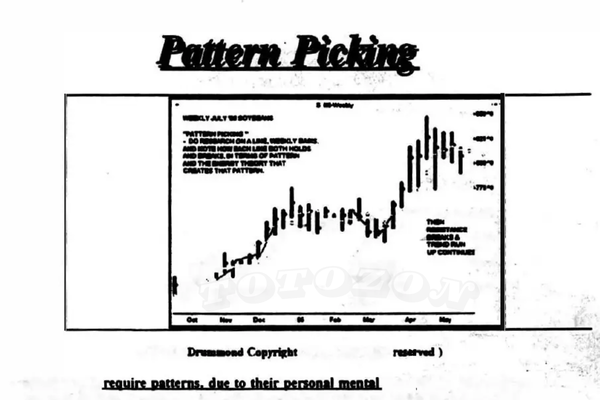 Pattern Picking with Charles Drummond
1 × $6.00
Pattern Picking with Charles Drummond
1 × $6.00 -
×
 Elliott Wave Indicator Suite for ThinkorSwim
1 × $15.00
Elliott Wave Indicator Suite for ThinkorSwim
1 × $15.00 -
×
 5-Week Portfolio (No Bonus) - Criticaltrading
1 × $39.00
5-Week Portfolio (No Bonus) - Criticaltrading
1 × $39.00 -
×
 ActiveBeta Indexes. Capturing Systematic Sources of Active Equity Returns (HTML) with Andrew Lo
1 × $6.00
ActiveBeta Indexes. Capturing Systematic Sources of Active Equity Returns (HTML) with Andrew Lo
1 × $6.00
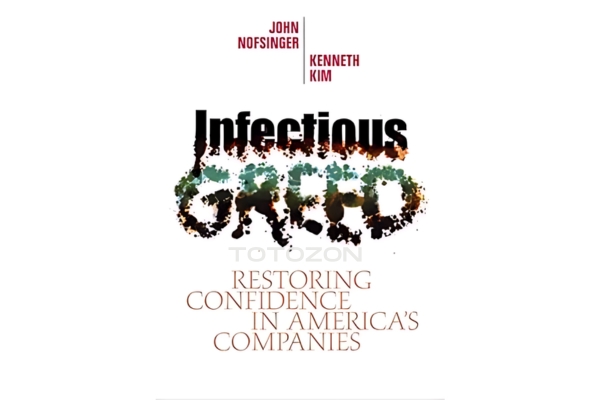
Infectious Greed with John Nofsinger & Kenneth Kim
$6.00
File Size: Coming soon!
Delivery Time: 1–12 hours
Media Type: Online Course
Content Proof: Watch Here!
You may check content proof of “Infectious Greed with John Nofsinger & Kenneth Kim” below:

Infectious Greed with John Nofsinger & Kenneth Kim
In the world of finance, few phenomena are as pervasive and damaging as greed. “Infectious Greed” by John Nofsinger and Kenneth Kim delves deep into this concept, exploring how it influences markets, investors, and the economy as a whole. This article provides a comprehensive overview of the book, highlighting key insights and practical lessons for navigating the financial landscape.
Understanding Infectious Greed
What is Infectious Greed?
Infectious greed refers to the widespread desire for excessive wealth and profit that can drive irrational behavior in financial markets. This phenomenon can lead to bubbles, crashes, and widespread economic instability.
The Authors: John Nofsinger & Kenneth Kim
John Nofsinger and Kenneth Kim are renowned experts in the field of finance. Their combined expertise provides a thorough analysis of greed’s impact on markets and individual behavior.
John Nofsinger’s Background
John Nofsinger is a prolific author and respected professor, known for his work on behavioral finance and investment strategies.
Kenneth Kim’s Contributions
Kenneth Kim is an accomplished academic and practitioner, bringing a wealth of practical experience to his analysis of financial markets.
The Core Themes of “Infectious Greed”
Greed in Financial Markets
The book examines how greed manifests in various financial markets, from stocks to real estate. It provides numerous examples of how excessive greed has led to market bubbles and crashes.
Historical Examples
- The Dot-com Bubble: A classic example of how greed drove the tech market to unsustainable heights in the late 1990s.
- The Housing Crisis: Greed played a significant role in the 2008 financial crisis, with investors and lenders pushing the housing market beyond its limits.
Behavioral Finance Insights
Nofsinger and Kim delve into behavioral finance, explaining how psychological factors influence investor decisions.
Key Behavioral Concepts
- Overconfidence: Investors often overestimate their knowledge and abilities, leading to poor decision-making.
- Herd Behavior: The tendency to follow the crowd, which can amplify market trends and create bubbles.
The Role of Institutions
The book also explores how financial institutions contribute to and are affected by infectious greed.
Institutional Behavior
- Risk Management: Institutions often take on excessive risk in pursuit of higher profits, contributing to financial instability.
- Regulatory Failures: Lapses in regulation can enable and exacerbate greedy behavior.
Practical Lessons for Investors
Identifying Greed in the Market
Nofsinger and Kim provide practical advice for recognizing signs of greed in the market.
Warning Signs
- Rapid Price Increases: Sudden, unexplained surges in asset prices can indicate a bubble driven by greed.
- High Leverage: Widespread use of borrowed money to invest suggests excessive risk-taking.
Strategies to Mitigate Greed
Investors can take steps to protect themselves from the negative effects of greed.
Diversification
Diversifying investments can help manage risk and reduce the impact of any one asset’s decline.
Long-term Perspective
Maintaining a long-term investment horizon can help investors avoid the pitfalls of short-term greed.
Behavioral Techniques
Adopting behavioral techniques can improve decision-making and reduce the influence of greed.
Mindfulness
Practicing mindfulness can help investors stay focused and make rational decisions, rather than being swayed by emotions.
Education
Continual learning and education about financial markets can enhance understanding and reduce susceptibility to greed-driven behavior.
Conclusion
“Infectious Greed” by John Nofsinger and Kenneth Kim offers a profound exploration of how greed affects financial markets and individual behavior. By understanding the dynamics of infectious greed, investors can better navigate the complexities of the financial world, making informed decisions that promote stability and long-term success.
FAQs
1. What is the main focus of “Infectious Greed”?
- The book explores how greed influences financial markets and investor behavior, leading to bubbles and crashes.
2. Who are the authors of the book?
- John Nofsinger and Kenneth Kim, both experts in finance and behavioral economics.
3. How does greed impact financial markets?
- Greed drives excessive risk-taking and irrational behavior, leading to market instability and financial crises.
4. What are some examples of greed in the markets?
- The Dot-com Bubble and the 2008 Housing Crisis are key examples where greed led to significant market disruptions.
5. How can investors protect themselves from greed?
- By diversifying investments, maintaining a long-term perspective, and using behavioral techniques to improve decision-making.
Be the first to review “Infectious Greed with John Nofsinger & Kenneth Kim”
You must be logged in to post a review.
Related products

Forex Trading
Original price was: $797.00.$10.00Current price is: $10.00.

Forex Trading
Original price was: $550.00.$5.00Current price is: $5.00.

Original price was: $299.00.$8.00Current price is: $8.00.

Original price was: $1,849.00.$15.00Current price is: $15.00.
Forex Trading
Original price was: $500.00.$5.00Current price is: $5.00.
Original price was: $497.00.$11.00Current price is: $11.00.

Original price was: $895.00.$15.00Current price is: $15.00.
Original price was: $1,800.00.$54.00Current price is: $54.00.
Original price was: $450.00.$23.00Current price is: $23.00.

Original price was: $197.00.$5.00Current price is: $5.00.
Original price was: $700.00.$39.00Current price is: $39.00.

Forex Trading
Original price was: $2,995.00.$31.00Current price is: $31.00.

Forex Trading
Original price was: $1,098.00.$39.00Current price is: $39.00.
Original price was: $497.00.$31.00Current price is: $31.00.

Original price was: $4,995.00.$15.00Current price is: $15.00.
Original price was: $1,200.00.$23.00Current price is: $23.00.
Forex Trading
Original price was: $2,000.00.$23.00Current price is: $23.00.
Forex Trading
Original price was: $125.00.$17.00Current price is: $17.00.
Original price was: $139.00.$23.00Current price is: $23.00.
Forex Trading
Original price was: $249.00.$15.00Current price is: $15.00.
Reviews
There are no reviews yet.