
-
×
 DFX Scalping Strategy Course with Disciplined FX
1 × $23.00
DFX Scalping Strategy Course with Disciplined FX
1 × $23.00 -
×
 Best of Livestock with Timothy Sykes
1 × $5.00
Best of Livestock with Timothy Sykes
1 × $5.00 -
×
 Exploring MetaStock Basic with Martin Pring
1 × $6.00
Exploring MetaStock Basic with Martin Pring
1 × $6.00 -
×
 EasyLanguage Home Study Course PDF Book + CD
1 × $6.00
EasyLanguage Home Study Course PDF Book + CD
1 × $6.00 -
×
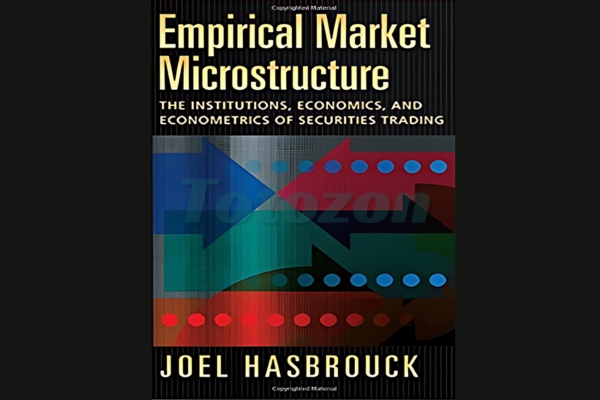 Empirical Market Microstructure
1 × $6.00
Empirical Market Microstructure
1 × $6.00 -
×
 Quantitative Trading and Money Management, Revised Edition (5th Edition) with Fred Gehm
1 × $6.00
Quantitative Trading and Money Management, Revised Edition (5th Edition) with Fred Gehm
1 × $6.00 -
×
 Elite Core Advance Course with Urban Forex
1 × $5.00
Elite Core Advance Course with Urban Forex
1 × $5.00 -
×
 Simpler Traders - Ultimate Guide to Debit Spreads (PREMIUM)
1 × $39.00
Simpler Traders - Ultimate Guide to Debit Spreads (PREMIUM)
1 × $39.00 -
×
 The Trading Blueprint with Brad Goh - The Trading Geek
1 × $5.00
The Trading Blueprint with Brad Goh - The Trading Geek
1 × $5.00 -
×
 Profit in the Futures Markets! with Jack Bernstein
1 × $6.00
Profit in the Futures Markets! with Jack Bernstein
1 × $6.00 -
×
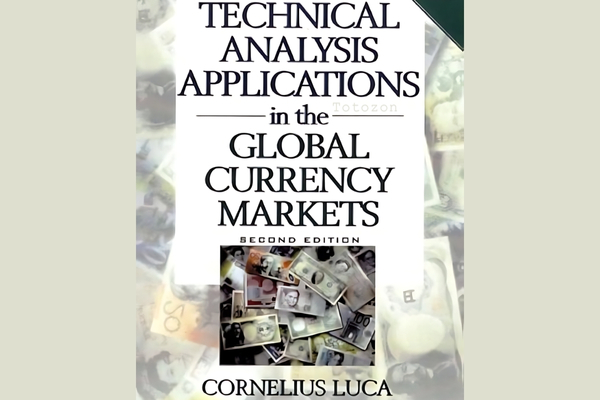 Technical Analysis Applications in the Global Currency Markets (2nd Ed.) with Cornelius Luca
1 × $6.00
Technical Analysis Applications in the Global Currency Markets (2nd Ed.) with Cornelius Luca
1 × $6.00 -
×
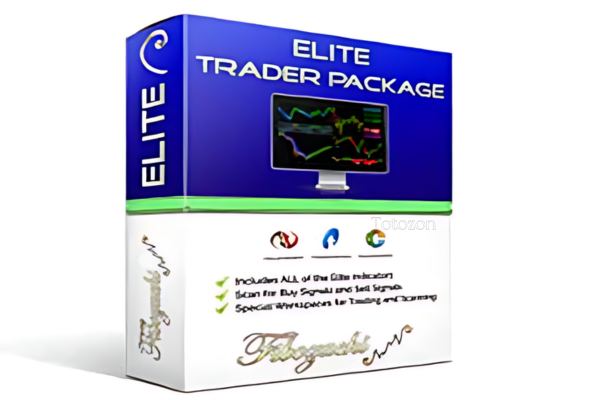 Elite Trader Package
1 × $31.00
Elite Trader Package
1 × $31.00 -
×
 Futures Trading Secrets Home Study with Bill McCready
1 × $6.00
Futures Trading Secrets Home Study with Bill McCready
1 × $6.00 -
×
 Guidelines for Analysis and Establishing a Trading Plan with Charles Drummond
1 × $6.00
Guidelines for Analysis and Establishing a Trading Plan with Charles Drummond
1 × $6.00 -
×
 The Handbook of Chaos Control with H.G.Schuster
1 × $6.00
The Handbook of Chaos Control with H.G.Schuster
1 × $6.00 -
×
 SATYA 2 - Online Immersion - January 2023 By Tias Little
1 × $225.00
SATYA 2 - Online Immersion - January 2023 By Tias Little
1 × $225.00 -
×
 The Dynamic Trading Master Course with Robert Miner
1 × $54.00
The Dynamic Trading Master Course with Robert Miner
1 × $54.00 -
×
 Equities Markets Certification (EMC©) with Eric Cheung - Wall Street Prep
1 × $46.00
Equities Markets Certification (EMC©) with Eric Cheung - Wall Street Prep
1 × $46.00 -
×
 How I Turned 500 USD to 6 Figures in 2 months Trading Options with The Money Printers
1 × $8.00
How I Turned 500 USD to 6 Figures in 2 months Trading Options with The Money Printers
1 × $8.00 -
×
 Advanced Trading Course with Edney Pinheiro
1 × $5.00
Advanced Trading Course with Edney Pinheiro
1 × $5.00 -
×
 Developing Mindfulness: The Observer of Thought with Traders State Of Mind
1 × $6.00
Developing Mindfulness: The Observer of Thought with Traders State Of Mind
1 × $6.00 -
×
 Earnings Power Play with Dave Aquino
1 × $15.00
Earnings Power Play with Dave Aquino
1 × $15.00 -
×
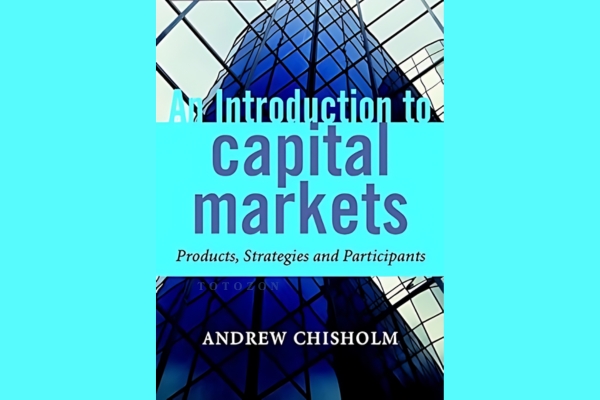 An Introduction to Capital Markets with Andrew M.Chisholm
1 × $6.00
An Introduction to Capital Markets with Andrew M.Chisholm
1 × $6.00 -
×
 Cash In On Chaos with Hans Hannula
1 × $6.00
Cash In On Chaos with Hans Hannula
1 × $6.00 -
×
 Technical Analysis 101: A Comprehensive Guide to Becoming a Better Trader Class with Jeff Bierman
1 × $6.00
Technical Analysis 101: A Comprehensive Guide to Becoming a Better Trader Class with Jeff Bierman
1 × $6.00 -
×
 Elite Gap Trading with Nick Santiago - InTheMoneyStocks
1 × $93.00
Elite Gap Trading with Nick Santiago - InTheMoneyStocks
1 × $93.00 -
×
 Butterfly and Condor Workshop with Aeromir
1 × $15.00
Butterfly and Condor Workshop with Aeromir
1 × $15.00 -
×
 The Complete Guide to Multiple Time Frame Analysis & Reading Price Action with Aiman Almansoori
1 × $13.00
The Complete Guide to Multiple Time Frame Analysis & Reading Price Action with Aiman Almansoori
1 × $13.00 -
×
 Essentials Course & Day Trading Strategies with Bear Bull Traders
1 × $13.00
Essentials Course & Day Trading Strategies with Bear Bull Traders
1 × $13.00 -
×
 The Prop Trading Code with Brannigan Barrett - Axia Futures
1 × $23.00
The Prop Trading Code with Brannigan Barrett - Axia Futures
1 × $23.00 -
×
 Private Mentorship with ANICO Capital
1 × $10.00
Private Mentorship with ANICO Capital
1 × $10.00 -
×
 How to Buy Stocks Before They Skyrocket
1 × $6.00
How to Buy Stocks Before They Skyrocket
1 × $6.00 -
×
 Simpler Options - Ultimate Guide to Debit Spreads – Nov 2014
1 × $6.00
Simpler Options - Ultimate Guide to Debit Spreads – Nov 2014
1 × $6.00 -
×
 EURUSD Trading System with CopperChips
1 × $6.00
EURUSD Trading System with CopperChips
1 × $6.00 -
×
 Short Skirt Trading, the Most Bang for the Buck with Linda Raschke
1 × $6.00
Short Skirt Trading, the Most Bang for the Buck with Linda Raschke
1 × $6.00 -
×
 Advanced Spread Trading with Guy Bower - MasterClass Trader
1 × $15.00
Advanced Spread Trading with Guy Bower - MasterClass Trader
1 × $15.00 -
×
 The All Put Flat Butterfly with Dan Sheridan - Sheridan Options Mentoring
1 × $6.00
The All Put Flat Butterfly with Dan Sheridan - Sheridan Options Mentoring
1 × $6.00 -
×
 Investment Strategies of Hedge Funds with Filippo Stefanini
1 × $6.00
Investment Strategies of Hedge Funds with Filippo Stefanini
1 × $6.00 -
×
 FruitFly For Consistent Income with Matt Williamson
1 × $6.00
FruitFly For Consistent Income with Matt Williamson
1 × $6.00 -
×
 You AreThe Indicator Online Course
1 × $31.00
You AreThe Indicator Online Course
1 × $31.00 -
×
 Compass Trading System with Right Line Trading
1 × $39.00
Compass Trading System with Right Line Trading
1 × $39.00 -
×
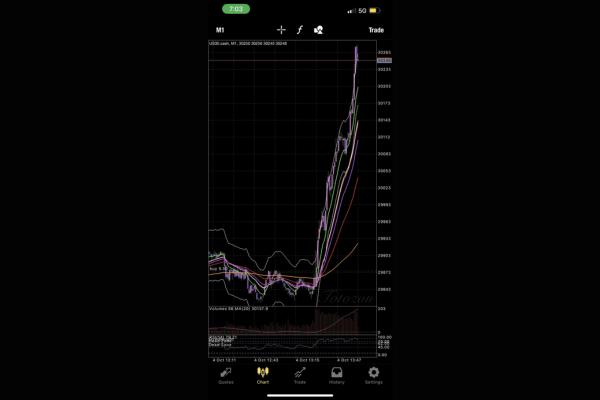 Cheatcode Trend System with Dominique Woodson
1 × $15.00
Cheatcode Trend System with Dominique Woodson
1 × $15.00 -
×
 Essential Skills for Consistency in Trading Class with Don Kaufman
1 × $6.00
Essential Skills for Consistency in Trading Class with Don Kaufman
1 × $6.00 -
×
 Ultimate Trading Course with Dodgy's Dungeon
1 × $8.00
Ultimate Trading Course with Dodgy's Dungeon
1 × $8.00 -
×
 Matrix Spread Options Trading Course with Base Camp Trading
1 × $31.00
Matrix Spread Options Trading Course with Base Camp Trading
1 × $31.00 -
×
 The Banker’s Edge Webinar & Extras
1 × $6.00
The Banker’s Edge Webinar & Extras
1 × $6.00 -
×
 Century Capital Group Course with Dylan Forexia
1 × $6.00
Century Capital Group Course with Dylan Forexia
1 × $6.00 -
×
 Engineering Analysis: Interactive Methods and Programs with FORTRAN, QuickBASIC, MATLAB, and Mathematica with Yen-Ching Pao
1 × $6.00
Engineering Analysis: Interactive Methods and Programs with FORTRAN, QuickBASIC, MATLAB, and Mathematica with Yen-Ching Pao
1 × $6.00 -
×
 FasTrack Premium with Note Conference
1 × $78.00
FasTrack Premium with Note Conference
1 × $78.00 -
×
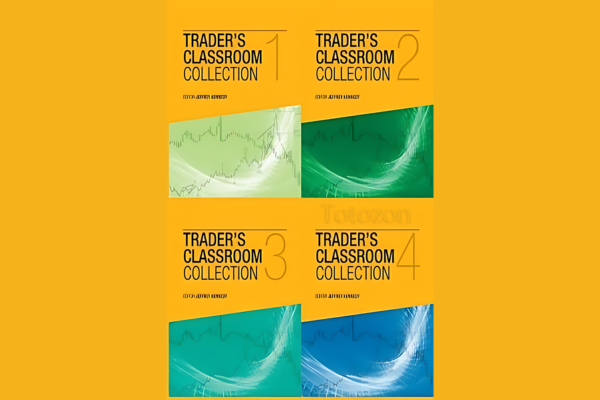 Traders Classroom Collection Volume 1-4 with Jeffrey Kennedy
1 × $15.00
Traders Classroom Collection Volume 1-4 with Jeffrey Kennedy
1 × $15.00 -
×
 Best of the Best: Collars with Amy Meissner & Scott Ruble
1 × $15.00
Best of the Best: Collars with Amy Meissner & Scott Ruble
1 × $15.00

How to Create Better Trading Opportunities through Hedging with Jon Najarian
$6.00
File Size: Coming soon!
Delivery Time: 1–12 hours
Media Type: Online Course
Content Proof: Watch Here!
You may check content proof of “How to Create Better Trading Opportunities through Hedging with Jon Najarian” below:
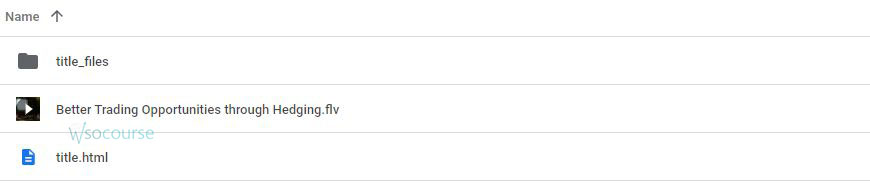
How to Create Better Trading Opportunities through Hedging with Jon Najarian
Introduction
In today’s volatile financial markets, finding ways to manage risk while maximizing returns is essential. Jon Najarian, a seasoned trader and market expert, emphasizes the importance of hedging as a strategy to create better trading opportunities. In this article, we will delve into the concepts of hedging, its benefits, and how you can apply it to enhance your trading strategy.
Understanding Hedging
What is Hedging?
Hedging involves taking an offsetting position in a related security to reduce the risk of adverse price movements. Essentially, it’s a protective measure to safeguard investments against market volatility.
Why is Hedging Important?
Hedging helps mitigate potential losses, providing a safety net in unpredictable markets. This strategy is crucial for maintaining portfolio stability and ensuring long-term profitability.
Types of Hedging Strategies
Forward Contracts
Forward contracts are agreements to buy or sell an asset at a future date for a predetermined price. These are commonly used in commodities and currency markets to lock in prices.
Futures Contracts
Futures contracts are similar to forward contracts but are standardized and traded on exchanges. They offer liquidity and transparency, making them a popular hedging tool.
Options
Options provide the right, but not the obligation, to buy or sell an asset at a specific price before a certain date. They are versatile and can be used for various hedging strategies.
Swaps
Swaps involve exchanging cash flows or financial instruments between parties. Interest rate swaps and currency swaps are common examples used to manage exposure to fluctuations.
How Hedging Works
Example of a Hedging Scenario
Imagine you own a portfolio of tech stocks. To protect against a potential downturn in the tech sector, you might purchase put options on a tech ETF. If the sector declines, the gains from the put options can offset the losses in your stock holdings.
Balancing Risk and Reward
Effective hedging requires balancing the cost of the hedge with the level of protection it provides. Over-hedging can erode profits, while under-hedging leaves you vulnerable to market swings.
Benefits of Hedging
Risk Management
Hedging is a powerful risk management tool, allowing traders to reduce exposure to adverse market movements. It provides peace of mind and financial security.
Enhancing Trading Opportunities
By mitigating risk, hedging enables traders to take on more aggressive positions. This can lead to better trading opportunities and higher potential returns.
Market Flexibility
Hedging offers flexibility to adapt to changing market conditions. Traders can adjust their hedging strategies based on market outlooks and investment goals.
Hedging Techniques for Better Trading Opportunities
Diversification
Diversifying your portfolio across different asset classes and sectors can naturally hedge against specific risks. It reduces the impact of a downturn in any single investment.
Using Derivatives
Derivatives like options and futures are effective hedging tools. They provide leverage and can be tailored to fit specific hedging needs.
Tactical Asset Allocation
Adjusting the allocation of assets in your portfolio based on market conditions can help manage risk. This dynamic approach ensures that your portfolio is aligned with current market trends.
Implementing Stop-Loss Orders
Stop-loss orders can act as a hedge by automatically selling a security when it reaches a predetermined price. This limits potential losses and protects gains.
Practical Tips for Hedging
Stay Informed
Keeping up with market news and trends is crucial for effective hedging. Understanding the macroeconomic environment helps you anticipate market movements.
Start Small
If you’re new to hedging, start with simple strategies and gradually expand as you gain experience. This approach minimizes risk and builds confidence.
Monitor and Adjust
Regularly review and adjust your hedging strategies to ensure they remain effective. Market conditions change, and your hedges should evolve accordingly.
Common Hedging Mistakes to Avoid
Over-Hedging
Hedging too much can lead to unnecessary costs and reduced returns. It’s essential to find the right balance.
Ignoring Costs
Hedging involves costs, such as premiums for options or margin requirements for futures. Always consider these expenses when planning your strategy.
Lack of Flexibility
Rigid hedging strategies can be detrimental. Stay flexible and be ready to adapt to new information and market changes.
Conclusion
Hedging, as highlighted by Jon Najarian, is a vital strategy for creating better trading opportunities. By understanding and implementing effective hedging techniques, traders can manage risk, enhance profitability, and navigate the complexities of financial markets with greater confidence. Remember, the key to successful hedging lies in balance, flexibility, and continuous learning.
FAQs
1. What is the primary purpose of hedging in trading?
The primary purpose of hedging is to mitigate risk and protect investments from adverse market movements.
2. How can options be used for hedging?
Options provide the right to buy or sell an asset at a specific price, allowing traders to offset potential losses in their investments.
3. What are the common types of hedging strategies?
Common hedging strategies include forward contracts, futures contracts, options, and swaps.
4. What should traders avoid when implementing hedging strategies?
Traders should avoid over-hedging, ignoring costs, and being inflexible with their strategies.
5. Why is diversification important in hedging?
Diversification reduces the impact of a downturn in any single investment, providing a natural hedge against specific risks.
Be the first to review “How to Create Better Trading Opportunities through Hedging with Jon Najarian”
You must be logged in to post a review.
Related products

Forex Trading
Original price was: $397.00.$31.00Current price is: $31.00.

Forex Trading
Original price was: $550.00.$5.00Current price is: $5.00.

Original price was: $649.00.$20.00Current price is: $20.00.
Forex Trading
The Complete Guide to Multiple Time Frame Analysis & Reading Price Action with Aiman Almansoori
Original price was: $1,399.00.$13.00Current price is: $13.00.

Forex Trading
Original price was: $999.00.$15.00Current price is: $15.00.

Forex Trading
Original price was: $249.00.$15.00Current price is: $15.00.

Original price was: $497.00.$11.00Current price is: $11.00.

Forex Trading
Original price was: $797.00.$10.00Current price is: $10.00.

Original price was: $2,120.00.$15.00Current price is: $15.00.

Original price was: $139.00.$23.00Current price is: $23.00.
Original price was: $1,200.00.$23.00Current price is: $23.00.

Original price was: $999.00.$5.00Current price is: $5.00.
Original price was: $497.00.$31.00Current price is: $31.00.

Forex Trading
Original price was: $500.00.$5.00Current price is: $5.00.

Forex Trading
Original price was: $2,995.00.$31.00Current price is: $31.00.

Forex Trading
Original price was: $2,000.00.$23.00Current price is: $23.00.
Forex Trading
Original price was: $697.00.$5.00Current price is: $5.00.

Forex Trading
Original price was: $850.00.$23.00Current price is: $23.00.

Forex Trading
Original price was: $125.00.$17.00Current price is: $17.00.

Original price was: $299.00.$8.00Current price is: $8.00.

Reviews
There are no reviews yet.