
-
×
 After Hour Trading Made Easy with Joe Duarte & Roland Burke
1 × $6.00
After Hour Trading Made Easy with Joe Duarte & Roland Burke
1 × $6.00 -
×
 Power Index Method for Profitable Futures Trading with Harold Goldberg
1 × $6.00
Power Index Method for Profitable Futures Trading with Harold Goldberg
1 × $6.00 -
×
 NY 6 - Jason McDonald – Why Shorts are Hard to Find and How You Can Find Great Shorts
1 × $6.00
NY 6 - Jason McDonald – Why Shorts are Hard to Find and How You Can Find Great Shorts
1 × $6.00 -
×
 3 Technical Indicators to Help You Ride the Elliott Wave Trend with Chris Carolan
1 × $6.00
3 Technical Indicators to Help You Ride the Elliott Wave Trend with Chris Carolan
1 × $6.00 -
×
 Traders Workshop – Forex Full Course with Jason Stapleton
1 × $6.00
Traders Workshop – Forex Full Course with Jason Stapleton
1 × $6.00 -
×
 RSI Basic with Andrew Cardwell
1 × $54.00
RSI Basic with Andrew Cardwell
1 × $54.00 -
×
 More on the Short Cycles of Interest Rates (Article) with Arie Melnik, Alan Kraus
1 × $6.00
More on the Short Cycles of Interest Rates (Article) with Arie Melnik, Alan Kraus
1 × $6.00 -
×
 A Complete Beginner to Advanced Trading Mentorship Program with Habby Forex Trading Academy
1 × $5.00
A Complete Beginner to Advanced Trading Mentorship Program with Habby Forex Trading Academy
1 × $5.00 -
×
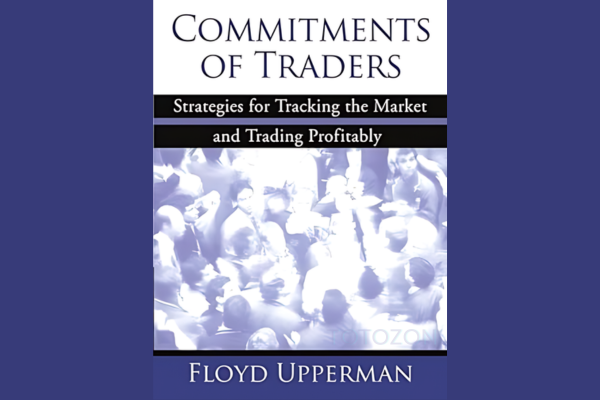 Commitments of Traders : Strategies for Tracking the Market and Trading Profitably with Floyd Upperman
1 × $6.00
Commitments of Traders : Strategies for Tracking the Market and Trading Profitably with Floyd Upperman
1 × $6.00 -
×
 VWAP Trading course with Trade With Trend
1 × $6.00
VWAP Trading course with Trade With Trend
1 × $6.00 -
×
 3-Day Day Trading Seminar Online CD with John Carter & Hubert Senters
1 × $6.00
3-Day Day Trading Seminar Online CD with John Carter & Hubert Senters
1 × $6.00 -
×
 Squeeze the Markets with Markay Latimer
1 × $6.00
Squeeze the Markets with Markay Latimer
1 × $6.00 -
×
 AllStreet Investing - Master the Market LEVEL 2 - DAYTRADING
1 × $23.00
AllStreet Investing - Master the Market LEVEL 2 - DAYTRADING
1 × $23.00 -
×
 The Naked Eye: Raw Data Analytics with Edgar Torres - Raw Data Analytics
1 × $8.00
The Naked Eye: Raw Data Analytics with Edgar Torres - Raw Data Analytics
1 × $8.00 -
×
 Advanced Group Analysis Turorial with David Vomund
1 × $6.00
Advanced Group Analysis Turorial with David Vomund
1 × $6.00 -
×
 Pricing of Bond Options with Detlef Repplinger
1 × $6.00
Pricing of Bond Options with Detlef Repplinger
1 × $6.00 -
×
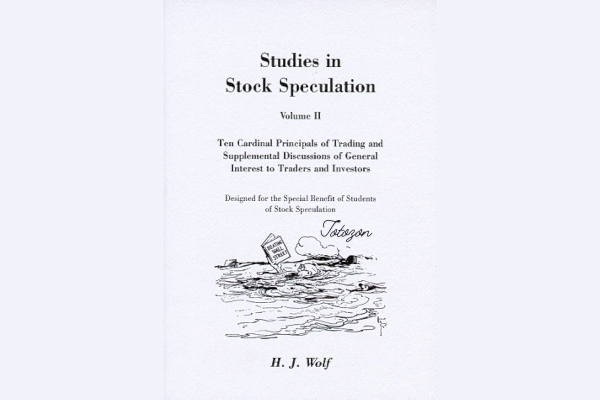 Studies in Stock Speculation (Volume I & II) with H.J.Wolf
1 × $6.00
Studies in Stock Speculation (Volume I & II) with H.J.Wolf
1 × $6.00 -
×
 Mastertrader – Mastering Swing Trading
1 × $31.00
Mastertrader – Mastering Swing Trading
1 × $31.00 -
×
 Pattern- Price & Time. Using Gann Theory in Trading Systems (2nd Ed.)
1 × $6.00
Pattern- Price & Time. Using Gann Theory in Trading Systems (2nd Ed.)
1 × $6.00 -
×
 Four Books with J.L.Lord
1 × $23.00
Four Books with J.L.Lord
1 × $23.00 -
×
 Making Sense of Price Action: Price Action Profits with Scott Foster
1 × $54.00
Making Sense of Price Action: Price Action Profits with Scott Foster
1 × $54.00 -
×
 Forex Candlestick System. High Profit Forex Trading with B.M.Davis
1 × $6.00
Forex Candlestick System. High Profit Forex Trading with B.M.Davis
1 × $6.00 -
×
 Investment Leadership & Portfolio Management with Brian Singer
1 × $6.00
Investment Leadership & Portfolio Management with Brian Singer
1 × $6.00 -
×
 Stock Patterns for Day Trading Home Study Course
1 × $23.00
Stock Patterns for Day Trading Home Study Course
1 × $23.00 -
×
 The Futures Edge with Joshua Martinez
1 × $155.00
The Futures Edge with Joshua Martinez
1 × $155.00 -
×
 Learn Investing & Trading with Danny Devan
1 × $23.00
Learn Investing & Trading with Danny Devan
1 × $23.00 -
×
 ICT Mastery with Casper SMC
1 × $14.00
ICT Mastery with Casper SMC
1 × $14.00 -
×
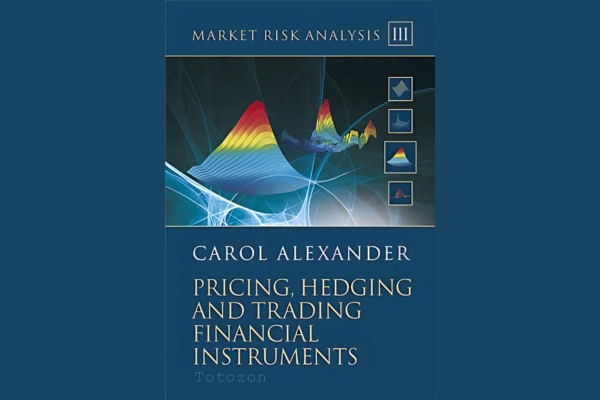 Market Risk Analysis, Volume III, Pricing, Hedging and Trading Financial Instruments with Carol Alexander
1 × $6.00
Market Risk Analysis, Volume III, Pricing, Hedging and Trading Financial Instruments with Carol Alexander
1 × $6.00 -
×
 The Complete Lot Flipper System
1 × $6.00
The Complete Lot Flipper System
1 × $6.00 -
×
 Smart Money Trading Course with Prosperity Academy
1 × $5.00
Smart Money Trading Course with Prosperity Academy
1 × $5.00 -
×
 Paradox Forex Course
1 × $5.00
Paradox Forex Course
1 × $5.00 -
×
 Options Trading & Ultimate MasterClass With Tyrone Abela - FX Evolution
1 × $54.00
Options Trading & Ultimate MasterClass With Tyrone Abela - FX Evolution
1 × $54.00 -
×
 Five Trading Trends of 2005 with Dan Denning
1 × $6.00
Five Trading Trends of 2005 with Dan Denning
1 × $6.00 -
×
 OTC Oracle Course - PENNY WHALE with Simple Trade
1 × $31.00
OTC Oracle Course - PENNY WHALE with Simple Trade
1 × $31.00 -
×
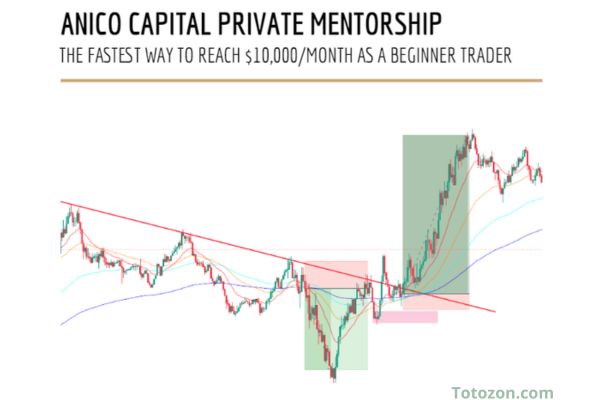 Private Mentorship with ANICO Capital
1 × $10.00
Private Mentorship with ANICO Capital
1 × $10.00 -
×
 Practical Portfolio Performance Measurement and Attribution (2nd Ed.) with Carl Bacon
1 × $6.00
Practical Portfolio Performance Measurement and Attribution (2nd Ed.) with Carl Bacon
1 × $6.00 -
×
 Practical Approach to Ninjatrader 8 Platform with Rajandran R
1 × $6.00
Practical Approach to Ninjatrader 8 Platform with Rajandran R
1 × $6.00 -
×
 Weekly Diagonal Spreads for Consistent Income By Doc Severson
1 × $6.00
Weekly Diagonal Spreads for Consistent Income By Doc Severson
1 × $6.00 -
×
 The Best Option Trading Course with David Jaffee - Best Stock Strategy
1 × $15.00
The Best Option Trading Course with David Jaffee - Best Stock Strategy
1 × $15.00 -
×
 Bond Market Course with The Macro Compass
1 × $15.00
Bond Market Course with The Macro Compass
1 × $15.00

The Great Divergence: China, Europe, and the Making of the Modern World Economy with Kenneth Pomeranz
$6.00
File Size: Coming soon!
Delivery Time: 1–12 hours
Media Type: Online Course
Content Proof: Watch Here!
You may check content proof of “The Great Divergence: China, Europe, and the Making of the Modern World Economy with Kenneth Pomeranz” below:

The Great Divergence: China, Europe, and the Making of the Modern World Economy with Kenneth Pomeranz
The economic histories of China and Europe have shaped the modern world economy in profound ways. Kenneth Pomeranz’s seminal work, “The Great Divergence,” explores the factors that led to the economic disparities between these two regions. This article delves into the key insights from Pomeranz’s book, examining how China and Europe diverged economically and the implications for the modern world economy.
Introduction to The Great Divergence
The term “Great Divergence” refers to the period when Western Europe, particularly Britain, experienced rapid economic growth while China did not, leading to the global economic dominance of Europe.
Why Study the Great Divergence?
- Understanding Economic History: Offers insights into the development of the modern world economy.
- Learning from the Past: Helps policymakers avoid past mistakes and make informed decisions.
- Comparative Analysis: Provides a comparative perspective on different economic trajectories.
Kenneth Pomeranz: An Overview
Kenneth Pomeranz is a distinguished historian and professor whose research focuses on economic history, particularly the comparative study of China and Europe.
Pomeranz’s Methodology
Pomeranz uses a multidisciplinary approach, combining economic theory, historical data, and comparative analysis to understand the economic divergence between China and Europe.
Factors Behind the Great Divergence
Geographic and Environmental Factors
Geography and environment played crucial roles in shaping the economic paths of China and Europe.
European Advantages
- Proximity to the Americas: Access to New World resources boosted European economies.
- Coal Deposits: Abundant coal deposits in Britain facilitated the Industrial Revolution.
Chinese Constraints
- Resource Distribution: Less accessible natural resources compared to Europe.
- Environmental Limits: Challenges like deforestation and soil depletion hindered sustainable growth.
Technological and Scientific Innovations
Technological advancements were pivotal in Europe’s economic rise.
European Breakthroughs
- Industrial Revolution: Innovations in manufacturing and production processes.
- Scientific Revolution: Advances in science and technology fueled economic growth.
Chinese Stagnation
- Slower Innovation: Technological progress in China was significant but slower compared to Europe.
Economic Institutions and Policies
Economic policies and institutional frameworks differed greatly between China and Europe.
European Institutions
- Capitalism: Emergence of capitalist economies facilitated investment and growth.
- Colonialism: Colonial expansion provided resources and markets for European goods.
Chinese Institutions
- Centralized Bureaucracy: A highly centralized system limited economic flexibility.
- Isolationist Policies: Periods of isolation hindered trade and technological exchange.
Implications of the Great Divergence
Global Economic Patterns
The Great Divergence set the stage for the current global economic order, with Western economies dominating global markets.
Impact on Modern Development
- Industrialization: Lessons from Europe’s industrialization can inform developing countries.
- Economic Policies: Understanding past policies helps in crafting better economic strategies today.
Critiques and Debates
Eurocentrism
Critics argue that the Great Divergence narrative is Eurocentric, emphasizing European achievements while downplaying Asian contributions.
Alternative Perspectives
Some scholars propose alternative explanations, highlighting factors like cultural differences and global trade networks.
Lessons from The Great Divergence
Adaptability and Innovation
The importance of adaptability and continuous innovation in sustaining economic growth.
Resource Management
Effective management of natural resources is crucial for long-term economic sustainability.
Institutional Flexibility
The need for flexible and adaptive economic institutions to respond to changing global conditions.
Conclusion
“The Great Divergence” by Kenneth Pomeranz offers a comprehensive analysis of the factors that led to the economic disparity between China and Europe. By understanding these historical dynamics, we can gain valuable insights into the development of the modern world economy and apply these lessons to contemporary economic challenges.
FAQs
1. What is the Great Divergence?
The Great Divergence refers to the economic divergence between Western Europe and China, leading to Europe’s dominance in the global economy.
2. Who is Kenneth Pomeranz?
Kenneth Pomeranz is a historian and professor known for his research on economic history and the comparative study of China and Europe.
3. What factors contributed to the Great Divergence?
Key factors include geographic advantages, technological innovations, and differing economic institutions and policies.
4. How does the Great Divergence impact modern economics?
The Great Divergence has shaped the current global economic order and offers lessons for contemporary economic development and policy-making.
5. What can we learn from the Great Divergence?
Lessons include the importance of innovation, resource management, and adaptable economic institutions for sustained economic growth.
Be the first to review “The Great Divergence: China, Europe, and the Making of the Modern World Economy with Kenneth Pomeranz”
You must be logged in to post a review.
Related products

Original price was: $497.00.$31.00Current price is: $31.00.

Forex Trading
Original price was: $799.00.$15.00Current price is: $15.00.

Original price was: $997.00.$13.00Current price is: $13.00.

Original price was: $450.00.$23.00Current price is: $23.00.

Original price was: $139.00.$23.00Current price is: $23.00.

Forex Trading
Original price was: $125.00.$17.00Current price is: $17.00.

Forex Trading
Quantamentals – The Next Great Forefront Of Trading and Investing with Trading Markets
Original price was: $1,495.00.$8.00Current price is: $8.00.

Forex Trading
The Complete Guide to Multiple Time Frame Analysis & Reading Price Action with Aiman Almansoori
Original price was: $1,399.00.$13.00Current price is: $13.00.

Original price was: $695.00.$41.00Current price is: $41.00.

Original price was: $299.00.$8.00Current price is: $8.00.

Original price was: $310.00.$23.00Current price is: $23.00.

Original price was: $799.00.$15.00Current price is: $15.00.

Forex Trading
Original price was: $500.00.$5.00Current price is: $5.00.
Forex Trading
Original price was: $499.00.$15.00Current price is: $15.00.

Original price was: $197.00.$5.00Current price is: $5.00.

Forex Trading
Original price was: $249.00.$15.00Current price is: $15.00.

Original price was: $999.00.$5.00Current price is: $5.00.

Forex Trading
Original price was: $239.00.$8.00Current price is: $8.00.
Original price was: $1,800.00.$54.00Current price is: $54.00.

Forex Trading
Original price was: $4,997.00.$27.00Current price is: $27.00.

Reviews
There are no reviews yet.