
-
×
 Advanced Spread Trading with Guy Bower - MasterClass Trader
1 × $15.00
Advanced Spread Trading with Guy Bower - MasterClass Trader
1 × $15.00 -
×
 Quantifiable Edges – Gold Subscription with Rob Hanna
1 × $54.00
Quantifiable Edges – Gold Subscription with Rob Hanna
1 × $54.00 -
×
 Quantitative Trading: How to Build Your Own Algorithmic Trading Business (1st Edition) with Ernest Chan
1 × $6.00
Quantitative Trading: How to Build Your Own Algorithmic Trading Business (1st Edition) with Ernest Chan
1 × $6.00 -
×
 Cash Flow Investing Course
1 × $20.00
Cash Flow Investing Course
1 × $20.00 -
×
 Diary of an Internet Trader with Alpesh Patel
1 × $6.00
Diary of an Internet Trader with Alpesh Patel
1 × $6.00 -
×
 $20 – 52k 20 pips a day challange with Rafał Zuchowicz - TopMasterTrader
1 × $5.00
$20 – 52k 20 pips a day challange with Rafał Zuchowicz - TopMasterTrader
1 × $5.00 -
×
 THE ART OF ADJUSTING IN 2017
1 × $6.00
THE ART OF ADJUSTING IN 2017
1 × $6.00 -
×
 RSI Unleashed: Building a Comprehensive Trading Framework By Doc Severson
1 × $6.00
RSI Unleashed: Building a Comprehensive Trading Framework By Doc Severson
1 × $6.00 -
×
 Options Trading & Ultimate MasterClass With Tyrone Abela - FX Evolution
1 × $54.00
Options Trading & Ultimate MasterClass With Tyrone Abela - FX Evolution
1 × $54.00 -
×
 Gann Trade Real Time with Larry B.Jacobs
1 × $6.00
Gann Trade Real Time with Larry B.Jacobs
1 × $6.00 -
×
 How To Read The Market Professionally with TradeSmart
1 × $27.00
How To Read The Market Professionally with TradeSmart
1 × $27.00 -
×
 Trading as a Business with Alexander Elder
1 × $6.00
Trading as a Business with Alexander Elder
1 × $6.00 -
×
 Quantamentals - The Next Great Forefront Of Trading and Investing with Trading Markets
1 × $8.00
Quantamentals - The Next Great Forefront Of Trading and Investing with Trading Markets
1 × $8.00 -
×
 The Indices Orderflow Masterclass with The Forex Scalpers
1 × $23.00
The Indices Orderflow Masterclass with The Forex Scalpers
1 × $23.00 -
×
 Relationship of the StockMarket Fluctuations to the Lunarcycle with Frank J.Guarino
1 × $6.00
Relationship of the StockMarket Fluctuations to the Lunarcycle with Frank J.Guarino
1 × $6.00 -
×
 The Adventures of the Cycle Hunter. The Analyst with Craig Bttlc
1 × $6.00
The Adventures of the Cycle Hunter. The Analyst with Craig Bttlc
1 × $6.00 -
×
 Fast Start Barter System with Bob Meyer
1 × $31.00
Fast Start Barter System with Bob Meyer
1 × $31.00 -
×
 TradeCraft: Your Path to Peak Performance Trading By Adam Grimes
1 × $15.00
TradeCraft: Your Path to Peak Performance Trading By Adam Grimes
1 × $15.00 -
×
 The HV7 Option Trading System with Amy Meissner – Aeromir
1 × $8.00
The HV7 Option Trading System with Amy Meissner – Aeromir
1 × $8.00 -
×
 EFT – The Art of Delivery with Gary Craig
1 × $5.00
EFT – The Art of Delivery with Gary Craig
1 × $5.00 -
×
 Investment Madness with John Nofsinger
1 × $6.00
Investment Madness with John Nofsinger
1 × $6.00 -
×
 Market Neutral Strategies with Bruce I.Jacobs & Kenneth N.Levy
1 × $6.00
Market Neutral Strategies with Bruce I.Jacobs & Kenneth N.Levy
1 × $6.00 -
×
 Mathematical Problems in Image Processing with Charles E.Chidume
1 × $6.00
Mathematical Problems in Image Processing with Charles E.Chidume
1 × $6.00 -
×
 How Do You See Risk? A Guide to Evaluating & Applying Technical Volatility Indicators class with Jeff Bierman
1 × $6.00
How Do You See Risk? A Guide to Evaluating & Applying Technical Volatility Indicators class with Jeff Bierman
1 × $6.00 -
×
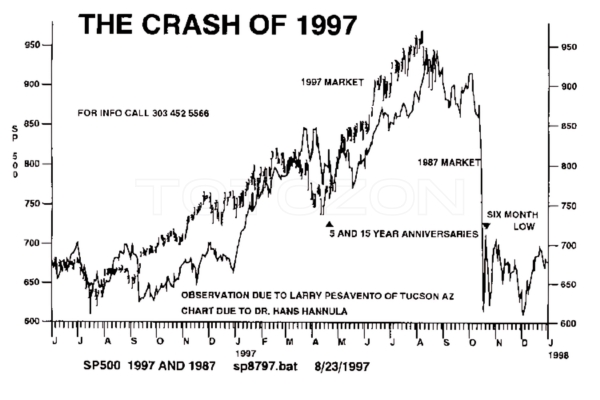 The Crash of 1997 (Article) with Hans Hannula
1 × $6.00
The Crash of 1997 (Article) with Hans Hannula
1 × $6.00 -
×
 The Loyalty Effect with Frederick Reichheld
1 × $6.00
The Loyalty Effect with Frederick Reichheld
1 × $6.00 -
×
 WondaFX Signature Strategy with WondaFX
1 × $5.00
WondaFX Signature Strategy with WondaFX
1 × $5.00 -
×
 Traders: Risks, Decisions, and Management in Financial Markets - Mark Fenton-O’Creevy, Nigel Nicholson, Emma Soane & Paul Willman
1 × $6.00
Traders: Risks, Decisions, and Management in Financial Markets - Mark Fenton-O’Creevy, Nigel Nicholson, Emma Soane & Paul Willman
1 × $6.00 -
×
 Simpler Options - Ultimate Guide to Debit Spreads – Nov 2014
1 × $6.00
Simpler Options - Ultimate Guide to Debit Spreads – Nov 2014
1 × $6.00 -
×
 0 DTE Options Trading Workshop with Aeromir Corporation
1 × $15.00
0 DTE Options Trading Workshop with Aeromir Corporation
1 × $15.00 -
×
 Quantitative Trading Strategies (1st Edition) with Lars Kestner
1 × $6.00
Quantitative Trading Strategies (1st Edition) with Lars Kestner
1 × $6.00 -
×
 Crystal Ball Pack PLUS bonus Live Trade By Pat Mitchell - Trick Trades
1 × $20.00
Crystal Ball Pack PLUS bonus Live Trade By Pat Mitchell - Trick Trades
1 × $20.00 -
×
 Capital with Charles D.Ellis
1 × $6.00
Capital with Charles D.Ellis
1 × $6.00 -
×
 The Best Option Trading Course with David Jaffee - Best Stock Strategy
1 × $15.00
The Best Option Trading Course with David Jaffee - Best Stock Strategy
1 × $15.00 -
×
 The Compleat DayTrader I & II with Jack Bernstein
1 × $6.00
The Compleat DayTrader I & II with Jack Bernstein
1 × $6.00 -
×
 Core Concepts Mastery with DreamsFX
1 × $5.00
Core Concepts Mastery with DreamsFX
1 × $5.00 -
×
 Earnings Engine Class with Sami Abusaad - T3 Live
1 × $23.00
Earnings Engine Class with Sami Abusaad - T3 Live
1 × $23.00 -
×
 AllStreet Investing - Master the Market LEVEL 2 - DAYTRADING
1 × $23.00
AllStreet Investing - Master the Market LEVEL 2 - DAYTRADING
1 × $23.00 -
×
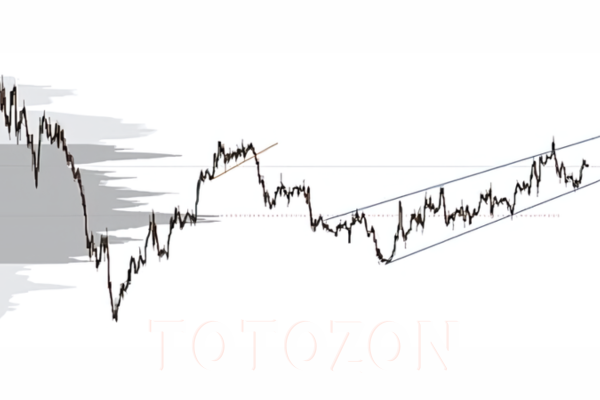 Complete Price Action, Volume Profile and Orderflow Trading Bundle with Price Action Volume Trader
1 × $78.00
Complete Price Action, Volume Profile and Orderflow Trading Bundle with Price Action Volume Trader
1 × $78.00 -
×
 Profit.ly - Bitcoin Basics
1 × $6.00
Profit.ly - Bitcoin Basics
1 × $6.00 -
×
 Compass Trading System with Right Line Trading
1 × $39.00
Compass Trading System with Right Line Trading
1 × $39.00 -
×
 Trading MoneyTides & Chaos in the Stock Market with Hans Hannula
1 × $6.00
Trading MoneyTides & Chaos in the Stock Market with Hans Hannula
1 × $6.00 -
×
 The Binary Trigger (Video, Books) with John Piper
1 × $6.00
The Binary Trigger (Video, Books) with John Piper
1 × $6.00 -
×
 Global Equity Investing By Alberto Vivanti & Perry Kaufman
1 × $6.00
Global Equity Investing By Alberto Vivanti & Perry Kaufman
1 × $6.00 -
×
 Financial Fortress with TradeSmart University
1 × $6.00
Financial Fortress with TradeSmart University
1 × $6.00 -
×
 AI For Traders with Trading Markets
1 × $31.00
AI For Traders with Trading Markets
1 × $31.00 -
×
 The Complete Guide to Market Breadth Indicators: How to Analyze and Evaluate market Direction and Strength - Greg Morris
1 × $6.00
The Complete Guide to Market Breadth Indicators: How to Analyze and Evaluate market Direction and Strength - Greg Morris
1 × $6.00 -
×
 Street-Smart Chart Reading – Volume 2 – Digging Deeper with Donald G.Worden
1 × $6.00
Street-Smart Chart Reading – Volume 2 – Digging Deeper with Donald G.Worden
1 × $6.00 -
×
 Best of AM Review (Volume 1-3) with Peter Bain
1 × $6.00
Best of AM Review (Volume 1-3) with Peter Bain
1 × $6.00 -
×
 Predators & Profits with Martin Howell & John Bogle
1 × $6.00
Predators & Profits with Martin Howell & John Bogle
1 × $6.00 -
×
 Fibonnacci Trader WorkShop (Video 2.38 GB) with Dennis Bolze, Thom Hartle
1 × $6.00
Fibonnacci Trader WorkShop (Video 2.38 GB) with Dennis Bolze, Thom Hartle
1 × $6.00 -
×
 Gap Trading for Stock and Options Traders with Damon Verial
1 × $6.00
Gap Trading for Stock and Options Traders with Damon Verial
1 × $6.00 -
×
 A Complete Guide to the Futures Market: Technical Analysis, Trading Systems, Fundamental Analysis, Options, Spreads, and Trading Principles (Wiley Trading) 2nd Edition - Jack Schwager
1 × $6.00
A Complete Guide to the Futures Market: Technical Analysis, Trading Systems, Fundamental Analysis, Options, Spreads, and Trading Principles (Wiley Trading) 2nd Edition - Jack Schwager
1 × $6.00 -
×
 Deep Dive Butterfly Trading Strategy Class with SJG Trades
1 × $41.00
Deep Dive Butterfly Trading Strategy Class with SJG Trades
1 × $41.00

Trading the Elliott Waves with Robert Prechter
Original price was: $79.00.$15.00Current price is: $15.00.
File Size: Coming soon!
Delivery Time: 1–12 hours
Media Type: Online Course
Trading the Elliott Waves with Robert Prechter
Introduction to Elliott Wave Theory
The financial markets are often seen as unpredictable and chaotic. However, Ralph Nelson Elliott proposed a theory that markets move in repetitive patterns or waves. Trading the Elliott Waves with Robert Prechter delves deep into this theory, offering traders valuable insights and strategies to capitalize on these patterns.
What is Elliott Wave Theory?
Basic Concepts
Elliott Wave Theory suggests that market prices move in predictable patterns called waves. These waves are a reflection of the collective investor psychology, which swings between optimism and pessimism.
Structure of Waves
- Impulse Waves: Move in the direction of the overall trend and consist of five waves.
- Corrective Waves: Move against the trend and consist of three waves.
Who is Robert Prechter?
A Pioneer in Elliott Wave Theory
Robert Prechter is one of the most renowned experts in Elliott Wave Theory. He popularized the theory through his books and founded Elliott Wave International, providing comprehensive market analysis and forecasts based on the theory.
Prechter’s Contributions
- Educational Resources: Authored numerous books and articles on Elliott Wave Theory.
- Market Forecasting: Provided accurate market predictions using wave analysis.
Understanding Impulse Waves
Five-Wave Structure
Impulse waves are composed of five distinct waves: three motive waves (1, 3, and 5) and two corrective waves (2 and 4).
Wave Characteristics
- Wave 1: The initial move up.
- Wave 2: A retracement that never goes beyond the start of wave 1.
- Wave 3: Typically the longest and strongest wave.
- Wave 4: Another retracement.
- Wave 5: The final leg up in the direction of the trend.
Understanding Corrective Waves
Three-Wave Structure
Corrective waves consist of three waves labeled A, B, and C.
Types of Corrective Waves
- Zigzag: A simple 5-3-5 pattern.
- Flat: A 3-3-5 pattern where wave B ends near the start of wave A.
- Triangle: A sideways corrective pattern.
Trading Strategies Using Elliott Wave Theory
Identifying Wave Patterns
The first step in trading with Elliott Waves is to identify the wave patterns. This involves analyzing market charts to distinguish between impulse and corrective waves.
Entry and Exit Points
- Entry Points: Often at the beginning of wave 3 or wave 5.
- Exit Points: Near the end of wave 5 or during corrective wave patterns.
Risk Management
- Stop-Loss Orders: Place stop-loss orders below the beginning of wave 1 for long positions.
- Position Sizing: Adjust position sizes based on the wave structure and market conditions.
Combining Elliott Wave with Other Indicators
Moving Averages
Moving averages can help confirm wave patterns by smoothing out price data and highlighting the trend direction.
Fibonacci Retracements
Fibonacci retracement levels often correspond with the end of corrective waves, providing potential entry points.
Relative Strength Index (RSI)
RSI can help identify overbought or oversold conditions, aligning with the end of impulse or corrective waves.
Common Challenges in Elliott Wave Trading
Subjectivity
Elliott Wave Theory is somewhat subjective, as identifying wave patterns can vary between analysts.
Complexity
The theory requires a deep understanding and practice to apply effectively, as wave patterns can be complex and multifaceted.
Market Volatility
High market volatility can make wave patterns less clear and harder to interpret.
Case Studies and Real-World Examples
Historical Market Movements
Examining historical market movements through the lens of Elliott Wave Theory can provide insights into its effectiveness.
Success Stories
Traders who have successfully used Elliott Wave Theory to predict market movements and make profitable trades.
Educational Resources for Elliott Wave Theory
Books by Robert Prechter
- Elliott Wave Principle: Prechter’s definitive guide to the theory.
- Conquer the Crash: A guide to surviving and prospering during a deflationary depression.
Online Courses and Seminars
Elliott Wave International offers a variety of online courses, webinars, and seminars to help traders master the theory.
Software and Tools for Elliott Wave Analysis
Charting Software
Many charting software programs include tools specifically for Elliott Wave analysis, making it easier to identify and track wave patterns.
Automated Wave Counting Tools
Some platforms offer automated wave counting tools to help traders identify wave patterns without manual charting.
Future Trends in Elliott Wave Theory
Integration with AI
AI and machine learning are beginning to play a role in Elliott Wave analysis, providing more precise and automated wave identification.
Increased Adoption
As more traders recognize the value of Elliott Wave Theory, its adoption continues to grow in the trading community.
Conclusion
Trading the Elliott Waves with Robert Prechter provides traders with a powerful framework for understanding and predicting market movements. By mastering the principles of Elliott Wave Theory and applying them in conjunction with other technical indicators, traders can enhance their market analysis and improve their trading success. Whether you are a novice or an experienced trader, the insights offered by Robert Prechter can help you navigate the complexities of the financial markets with greater confidence.
Frequently Asked Questions
1. What is Elliott Wave Theory?
Elliott Wave Theory is a technical analysis framework that suggests market prices move in predictable patterns or waves.
2. Who is Robert Prechter?
Robert Prechter is a renowned expert in Elliott Wave Theory, known for his educational contributions and market forecasts.
3. How can I use Elliott Wave Theory in trading?
Identify wave patterns to determine entry and exit points, and use additional indicators like moving averages and RSI for confirmation.
4. What are the main challenges in using Elliott Wave Theory?
The theory can be subjective and complex, requiring practice and deep understanding to apply effectively.
5. Where can I learn more about Elliott Wave Theory?
Books by Robert Prechter and online co
Be the first to review “Trading the Elliott Waves with Robert Prechter”
You must be logged in to post a review.
Related products

Forex Trading
Original price was: $797.00.$10.00Current price is: $10.00.
Forex Trading
Original price was: $4,997.00.$27.00Current price is: $27.00.

Forex Trading
Original price was: $249.00.$15.00Current price is: $15.00.

Original price was: $997.00.$13.00Current price is: $13.00.

Original price was: $700.00.$39.00Current price is: $39.00.

Forex Trading
Original price was: $1,898.00.$10.00Current price is: $10.00.

Original price was: $1,200.00.$23.00Current price is: $23.00.
Original price was: $197.00.$5.00Current price is: $5.00.
Forex Trading
Original price was: $550.00.$5.00Current price is: $5.00.

Forex Trading
Original price was: $239.00.$8.00Current price is: $8.00.

Original price was: $2,120.00.$15.00Current price is: $15.00.
Forex Trading
Original price was: $999.00.$15.00Current price is: $15.00.
Original price was: $4,995.00.$15.00Current price is: $15.00.

Original price was: $999.00.$5.00Current price is: $5.00.
Forex Trading
Original price was: $2,995.00.$31.00Current price is: $31.00.

Original price was: $299.00.$8.00Current price is: $8.00.

Original price was: $497.00.$11.00Current price is: $11.00.

Forex Trading
Original price was: $799.00.$15.00Current price is: $15.00.
Original price was: $895.00.$15.00Current price is: $15.00.
Forex Trading
Quantamentals – The Next Great Forefront Of Trading and Investing with Trading Markets
Original price was: $1,495.00.$8.00Current price is: $8.00.

Reviews
There are no reviews yet.