
-
×
 The Practical Fractal with Bill Williams
1 × $6.00
The Practical Fractal with Bill Williams
1 × $6.00 -
×
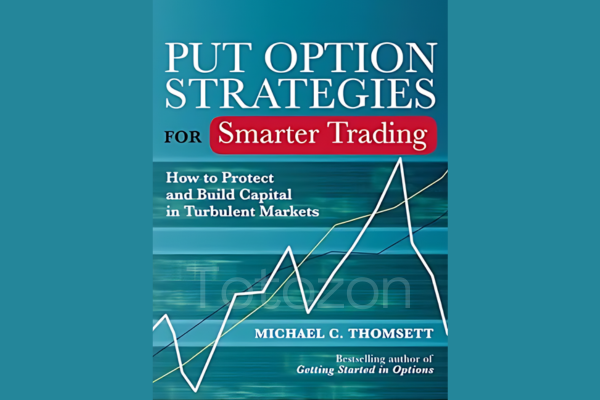 Put Option Strategies for Smarter Trading with Michael Thomsett
1 × $6.00
Put Option Strategies for Smarter Trading with Michael Thomsett
1 × $6.00 -
×
 5 Week Live Web Seminar (Video & WorkBook ) with Larry Connors
1 × $6.00
5 Week Live Web Seminar (Video & WorkBook ) with Larry Connors
1 × $6.00 -
×
 3 Technical Indicators to Help You Ride the Elliott Wave Trend with Chris Carolan
1 × $6.00
3 Technical Indicators to Help You Ride the Elliott Wave Trend with Chris Carolan
1 × $6.00 -
×
 Ultimate Trading Course with Dodgy's Dungeon
1 × $8.00
Ultimate Trading Course with Dodgy's Dungeon
1 × $8.00 -
×
 Optimize Funding Program 2023 with Solo Network Courses
1 × $13.00
Optimize Funding Program 2023 with Solo Network Courses
1 × $13.00 -
×
 Sixpart Study Guide to Market Profile
1 × $6.00
Sixpart Study Guide to Market Profile
1 × $6.00 -
×
 Astro Gann Charting Software Wave59 V 3.6
1 × $6.00
Astro Gann Charting Software Wave59 V 3.6
1 × $6.00 -
×
 AI For Traders with Trading Markets
1 × $31.00
AI For Traders with Trading Markets
1 × $31.00 -
×
 Euro Trading Course with Bkforex
1 × $6.00
Euro Trading Course with Bkforex
1 × $6.00 -
×
 Activedaytrader - Workshop: Practical Money Management
1 × $23.00
Activedaytrader - Workshop: Practical Money Management
1 × $23.00 -
×
 Advanced Gap Trading Strategies with Master Trader
1 × $31.00
Advanced Gap Trading Strategies with Master Trader
1 × $31.00 -
×
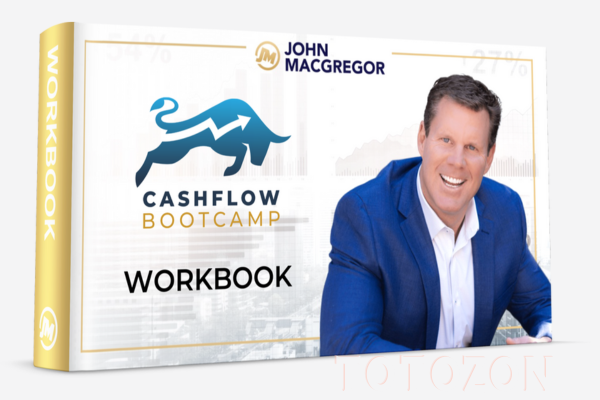 The Cash Flow Bootcamp with John Macgregor
1 × $233.00
The Cash Flow Bootcamp with John Macgregor
1 × $233.00 -
×
 Order flow self-study training program with iMFtracker
1 × $10.00
Order flow self-study training program with iMFtracker
1 × $10.00 -
×
 High Probability Trading Using Elliott Wave And Fibonacci Analysis withVic Patel - Forex Training Group
1 × $10.00
High Probability Trading Using Elliott Wave And Fibonacci Analysis withVic Patel - Forex Training Group
1 × $10.00 -
×
 5-Step-Trading Stocks II - Avoid Common Trading Mistakes - Online Course (April 2014)
1 × $23.00
5-Step-Trading Stocks II - Avoid Common Trading Mistakes - Online Course (April 2014)
1 × $23.00 -
×
 7 DAY INTENSIVE ONLINE TRADER TRAINING PROGRAMME with The Trading Framework
1 × $15.00
7 DAY INTENSIVE ONLINE TRADER TRAINING PROGRAMME with The Trading Framework
1 × $15.00 -
×
 Dan Sheridan Delta Force
1 × $6.00
Dan Sheridan Delta Force
1 × $6.00 -
×
 Advanced Spread Trading with Guy Bower - MasterClass Trader
1 × $15.00
Advanced Spread Trading with Guy Bower - MasterClass Trader
1 × $15.00 -
×
 3 Steps To Supply/Demand + 3 Steps To Market Profile 10% Off Combined Price
1 × $23.00
3 Steps To Supply/Demand + 3 Steps To Market Profile 10% Off Combined Price
1 × $23.00 -
×
 MAP. Moving Average Patterns CD with David Elliott
1 × $6.00
MAP. Moving Average Patterns CD with David Elliott
1 × $6.00 -
×
 Crash Profits Make Money When Stocks Sink and Soar with Martin D.Weiss
1 × $6.00
Crash Profits Make Money When Stocks Sink and Soar with Martin D.Weiss
1 × $6.00 -
×
 The House Always Wins with jasonbondpicks
1 × $6.00
The House Always Wins with jasonbondpicks
1 × $6.00 -
×
 Traders Secret Code Complete Course with Mark McRae
1 × $6.00
Traders Secret Code Complete Course with Mark McRae
1 × $6.00 -
×
 Annual Forecast Reports - Forecast 2023 with Larry Williams
1 × $8.00
Annual Forecast Reports - Forecast 2023 with Larry Williams
1 × $8.00 -
×
 WondaFX Signature Strategy with WondaFX
1 × $5.00
WondaFX Signature Strategy with WondaFX
1 × $5.00 -
×
 Ahead of the Curve with Joseph Ellis
1 × $6.00
Ahead of the Curve with Joseph Ellis
1 × $6.00 -
×
 Algo Wizard Essentials Course with Srategy Quant
1 × $13.00
Algo Wizard Essentials Course with Srategy Quant
1 × $13.00 -
×
 All About Mutual Funds with Bruce Jacobs
1 × $6.00
All About Mutual Funds with Bruce Jacobs
1 × $6.00 -
×
 The Master Trader Bundle with Gareth Soloway
1 × $39.00
The Master Trader Bundle with Gareth Soloway
1 × $39.00 -
×
 Day Trading and Swing Trading Futures with Price Action by Humberto Malaspina
1 × $5.00
Day Trading and Swing Trading Futures with Price Action by Humberto Malaspina
1 × $5.00 -
×
 W. D Gann 's Square Of 9 Applied To Modern Markets with Sean Avidar - Hexatrade350
1 × $23.00
W. D Gann 's Square Of 9 Applied To Modern Markets with Sean Avidar - Hexatrade350
1 × $23.00 -
×
 Dow Theory for the 21st Century: Technical Indicators for Improving Your Investment Results with Jack Schannep
1 × $6.00
Dow Theory for the 21st Century: Technical Indicators for Improving Your Investment Results with Jack Schannep
1 × $6.00 -
×
 All About Bonds, Bond Mutual Funds & Bond ETFs (3rd Ed.) with Esme Faerber
1 × $6.00
All About Bonds, Bond Mutual Funds & Bond ETFs (3rd Ed.) with Esme Faerber
1 × $6.00 -
×
 How To Become StressFree Trader with Jason Starzec
1 × $4.00
How To Become StressFree Trader with Jason Starzec
1 × $4.00 -
×
 How to avoid the GAP
1 × $6.00
How to avoid the GAP
1 × $6.00 -
×
 Master The Art of Technical Analysis with Raul Gonzalez
1 × $31.00
Master The Art of Technical Analysis with Raul Gonzalez
1 × $31.00 -
×
 All About Dividend Investing with Don Schreiber & Gary Stroik
1 × $6.00
All About Dividend Investing with Don Schreiber & Gary Stroik
1 × $6.00 -
×
 ProfileTraders - Advanced Market Profile (May 2014)
1 × $6.00
ProfileTraders - Advanced Market Profile (May 2014)
1 × $6.00 -
×
 Market Masters. How Traders Think Trade And Invest with Jake Bernstein
1 × $6.00
Market Masters. How Traders Think Trade And Invest with Jake Bernstein
1 × $6.00 -
×
 TradeCraft: Your Path to Peak Performance Trading By Adam Grimes
1 × $15.00
TradeCraft: Your Path to Peak Performance Trading By Adam Grimes
1 × $15.00 -
×
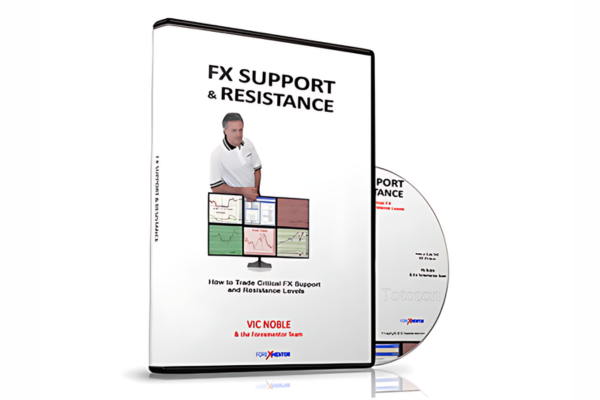 How To Trade Forex Using Support & Resistance Levels with Vic Noble
1 × $6.00
How To Trade Forex Using Support & Resistance Levels with Vic Noble
1 × $6.00 -
×
 Learn To Profit From The Forex Market with FX Hustle
1 × $6.00
Learn To Profit From The Forex Market with FX Hustle
1 × $6.00 -
×
 Trading a Living Thing (Article) with David Bowden
1 × $6.00
Trading a Living Thing (Article) with David Bowden
1 × $6.00 -
×
 Passages To Profitability: A Comprehensive Guide To Channel Trading with Professor Jeff Bierman, CMT
1 × $6.00
Passages To Profitability: A Comprehensive Guide To Channel Trading with Professor Jeff Bierman, CMT
1 × $6.00 -
×
 4-Hour Income Strategy with Todd Mitchell & Craig Hill
1 × $62.00
4-Hour Income Strategy with Todd Mitchell & Craig Hill
1 × $62.00 -
×
 3_8’s to Wealth (Audio 84 MB+ WorkBooks) with Darlene Nelson
1 × $6.00
3_8’s to Wealth (Audio 84 MB+ WorkBooks) with Darlene Nelson
1 × $6.00 -
×
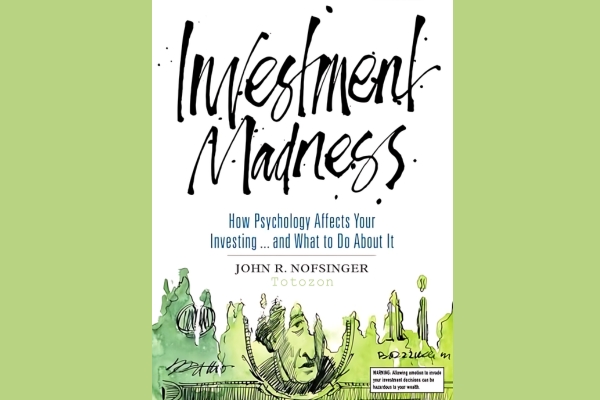 Investment Madness with John Nofsinger
1 × $6.00
Investment Madness with John Nofsinger
1 × $6.00 -
×
 E75 Forex System with James de Wet
1 × $6.00
E75 Forex System with James de Wet
1 × $6.00 -
×
 After Hour Trading Made Easy with Joe Duarte & Roland Burke
1 × $6.00
After Hour Trading Made Easy with Joe Duarte & Roland Burke
1 × $6.00 -
×
 FXS Analytics Training and Q&A Access with FXS Analytics
1 × $6.00
FXS Analytics Training and Q&A Access with FXS Analytics
1 × $6.00 -
×
 The Loyalty Effect with Frederick Reichheld
1 × $6.00
The Loyalty Effect with Frederick Reichheld
1 × $6.00 -
×
 Square The Range Trading System with Michael Jenkins
1 × $6.00
Square The Range Trading System with Michael Jenkins
1 × $6.00 -
×
 501 Stock Market Tips & Guidelines with Arshad Khan
1 × $6.00
501 Stock Market Tips & Guidelines with Arshad Khan
1 × $6.00 -
×
 Profit Before Work System with John Piper
1 × $6.00
Profit Before Work System with John Piper
1 × $6.00 -
×
 Fisher Investments on Telecom with Dan Sinton, Andrew S.Teufel
1 × $6.00
Fisher Investments on Telecom with Dan Sinton, Andrew S.Teufel
1 × $6.00 -
×
 Secret Income with James Altucher
1 × $62.00
Secret Income with James Altucher
1 × $62.00 -
×
 OPTIONS FOR BEGINNERS
1 × $6.00
OPTIONS FOR BEGINNERS
1 × $6.00 -
×
 Core Strategy Program + Extended Learning Track with Ota Courses
1 × $124.00
Core Strategy Program + Extended Learning Track with Ota Courses
1 × $124.00 -
×
 SATYA 2 - Online Immersion - January 2023 By Tias Little
1 × $225.00
SATYA 2 - Online Immersion - January 2023 By Tias Little
1 × $225.00 -
×
 How To Read The Market Professionally with TradeSmart
1 × $27.00
How To Read The Market Professionally with TradeSmart
1 × $27.00
Deflaction with A.Gary Shilling
$6.00
File Size: Cooming soon!
Delivery Time: 1–12 hours
Media Type: Online Course
Content Proof: Watch Here!
You may check content proof of “Deflaction with A.Gary Shilling” below:

Deflation with A. Gary Shilling
Introduction to Deflation
Deflation, the persistent decrease in the general price level of goods and services, can have profound impacts on the economy. A. Gary Shilling, an esteemed economist and author, has extensively studied and written about deflation. This article delves into Shilling’s insights on deflation, its causes, effects, and how to navigate through it.
Who is A. Gary Shilling?
A. Gary Shilling is a renowned economist and financial analyst. With decades of experience, Shilling has made significant contributions to the understanding of macroeconomic trends, particularly deflation. His works offer valuable perspectives for both investors and policymakers.
Understanding Deflation
What is Deflation?
Deflation occurs when the inflation rate falls below 0%, leading to a decrease in the general price level of goods and services. It is the opposite of inflation.
Causes of Deflation
- Reduced Demand: A decline in consumer demand can lead to deflation.
- Increased Supply: Excessive production without a corresponding increase in demand.
- Technological Advances: Improvements that lower production costs and prices.
- Monetary Policies: Tight monetary policies can reduce money supply, contributing to deflation.
Historical Examples of Deflation
The Great Depression
The most notable period of deflation occurred during the Great Depression in the 1930s, leading to severe economic downturns and widespread unemployment.
Japan’s Lost Decade
In the 1990s, Japan experienced prolonged deflation, known as the “Lost Decade,” characterized by stagnant economic growth and falling prices.
Effects of Deflation
Positive Effects
- Increased Purchasing Power: Consumers can buy more with the same amount of money.
- Lower Costs: Businesses may experience lower costs due to decreased prices for raw materials and inputs.
Negative Effects
- Reduced Consumer Spending: Expectation of lower prices in the future can lead to reduced spending.
- Increased Debt Burden: The real value of debt increases, making it harder for borrowers to repay.
- Economic Stagnation: Deflation can lead to a decrease in business investments and economic activity.
A. Gary Shilling’s Perspective on Deflation
Predictions and Analysis
Shilling has been a vocal advocate of the view that deflation is a significant threat to the global economy. He argues that several factors, including technological advancements and excessive debt, contribute to deflationary pressures.
Investment Strategies
Shilling suggests that during deflationary periods, investors should focus on assets that preserve value, such as bonds and cash. He also recommends avoiding assets that are highly leveraged or dependent on rising prices.
Navigating Deflation: Practical Tips
For Consumers
- Pay Down Debt: Reduce liabilities to mitigate the impact of increased debt burden.
- Save More: Focus on saving to take advantage of increased purchasing power.
For Businesses
- Cost Management: Implement cost-cutting measures to maintain profitability.
- Innovation: Invest in technology and innovation to stay competitive despite falling prices.
For Investors
- Diversify Portfolio: Include assets that perform well during deflation, such as high-quality bonds.
- Focus on Quality: Invest in companies with strong balance sheets and stable cash flows.
Monetary Policies to Combat Deflation
Expansionary Policies
Central banks can implement expansionary monetary policies, such as lowering interest rates and quantitative easing, to increase the money supply and stimulate demand.
Fiscal Stimulus
Governments can use fiscal stimulus measures, such as increased public spending and tax cuts, to boost economic activity and counteract deflationary pressures.
Global Implications of Deflation
Impact on International Trade
Deflation in one country can affect global trade patterns, leading to reduced demand for imports and increased pressure on exporting countries.
Currency Valuations
Deflation can lead to currency appreciation, making exports more expensive and imports cheaper, affecting trade balances.
Technological Innovation and Deflation
Role of Technology
Technological advancements can lead to cost reductions and increased productivity, contributing to deflationary pressures.
Balancing Innovation and Economic Stability
Policymakers need to balance the benefits of technological innovation with measures to ensure economic stability and prevent deflation.
Case Studies of Deflation Management
United States (1930s)
The U.S. implemented several measures during the Great Depression, including the New Deal programs, to combat deflation and stimulate economic recovery.
Japan (1990s)
Japan’s response to deflation included significant monetary easing and fiscal stimulus, though with mixed results.
Conclusion
Deflation presents unique challenges and opportunities for consumers, businesses, and investors. A. Gary Shilling’s insights provide valuable guidance on navigating deflationary periods. By understanding the causes, effects, and strategies to manage deflation, we can better prepare for its impacts on the economy.
Frequently Asked Questions
1. What is deflation?
Deflation is the persistent decrease in the general price level of goods and services, leading to an increase in the real value of money.
2. What causes deflation?
Deflation can be caused by reduced demand, increased supply, technological advancements, and tight monetary policies.
3. How does deflation affect the economy?
Deflation can lead to reduced consumer spending, increased debt burdens, and economic stagnation, though it also increases purchasing power.
4. What are A. Gary Shilling’s views on deflation?
Shilling views deflation as a significant economic threat and suggests investment strategies focusing on value-preserving assets during deflationary periods.
5. How can consumers and businesses navigate deflation?
Consumers should pay down debt and save more, while businesses should manage costs and invest in innovation to remain competitive.
Be the first to review “Deflaction with A.Gary Shilling”
You must be logged in to post a review.
Related products

Original price was: $2,120.00.$15.00Current price is: $15.00.

Forex Trading
Original price was: $125.00.$17.00Current price is: $17.00.

Forex Trading
Original price was: $850.00.$23.00Current price is: $23.00.

Original price was: $1,200.00.$23.00Current price is: $23.00.

Forex Trading
Original price was: $249.00.$15.00Current price is: $15.00.
Original price was: $139.00.$23.00Current price is: $23.00.
Forex Trading
Original price was: $2,995.00.$31.00Current price is: $31.00.

Original price was: $197.00.$5.00Current price is: $5.00.

Original price was: $799.00.$15.00Current price is: $15.00.

Forex Trading
The Complete Guide to Multiple Time Frame Analysis & Reading Price Action with Aiman Almansoori
Original price was: $1,399.00.$13.00Current price is: $13.00.

Original price was: $450.00.$23.00Current price is: $23.00.

Original price was: $695.00.$41.00Current price is: $41.00.

Original price was: $497.00.$31.00Current price is: $31.00.

Forex Trading
Original price was: $1,098.00.$39.00Current price is: $39.00.
Forex Trading
Original price was: $1,898.00.$10.00Current price is: $10.00.
Forex Trading
Original price was: $239.00.$8.00Current price is: $8.00.
Original price was: $4,995.00.$15.00Current price is: $15.00.

Original price was: $700.00.$39.00Current price is: $39.00.

Original price was: $497.00.$11.00Current price is: $11.00.

Forex Trading
Original price was: $697.00.$5.00Current price is: $5.00.

Reviews
There are no reviews yet.