
 12 Strategies for Picking Tops & Bottoms
  2017 Plan or Get Slaughtered Class with Doc Severson
  Crypto Trading Academy with Cheeky Investor - Aussie Day Trader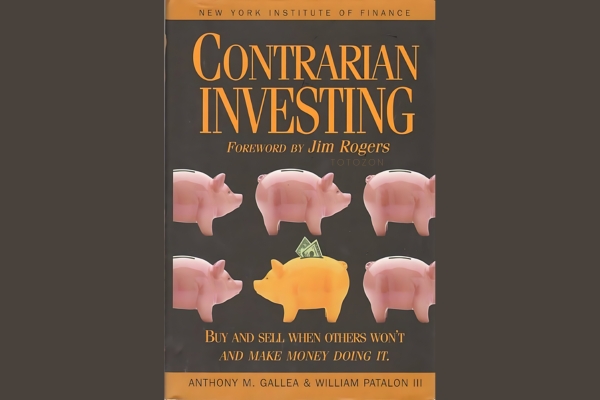
Contrarian Investing with Anthony M.Gallea, William Patalon
$6.00
File Size: Coming soon!
Delivery Time: 1–12 hours
Media Type: Online Course
Content Proof: Watch Here!
You may check content proof of “Contrarian Investing with Anthony M.Gallea, William Patalon” below:

Contrarian Investing with Anthony M.Gallea and William Patalon
Investing often involves following trends and making decisions based on the prevailing market sentiment. However, contrarian investing, championed by Anthony M. Gallea and William Patalon, takes a different approach. It involves going against the grain, buying when others are selling, and selling when others are buying. This method requires a deep understanding of market psychology and a firm belief in one’s analysis. In this article, we’ll explore the principles of contrarian investing, its benefits, and how Gallea and Patalon implement this strategy.
Understanding Contrarian Investing
What is Contrarian Investing?
Contrarian investing is a strategy where investors go against the prevailing market trends. Instead of following the crowd, contrarians make investment decisions based on their independent analysis and beliefs.
Historical Context of Contrarian Investing
The roots of contrarian investing can be traced back to legendary investors like Warren Buffett and John Templeton, who made fortunes by buying undervalued assets during market downturns.
Key Principles of Contrarian Investing
- Buy Low, Sell High: Contrarians seek to buy assets that are undervalued by the market and sell them when they become overvalued.
- Independent Thinking: This strategy requires a strong sense of independence and confidence in one’s analysis.
- Market Psychology: Understanding the psychology of the market and recognizing when fear or greed has caused prices to deviate from their true value is crucial.
Anthony M.Gallea and William Patalon: Contrarian Experts
Anthony M.Gallea’s Approach
Anthony M. Gallea, a seasoned investment manager, emphasizes the importance of patience and thorough research. He believes that market overreactions create opportunities for savvy investors.
William Patalon’s Insights
William Patalon, a renowned financial journalist, and editor, provides practical insights into identifying market mispricings. His experience in analyzing market trends offers valuable guidance for contrarian investors.
Implementing Contrarian Strategies
Research and Analysis
A contrarian investor must conduct extensive research to identify undervalued stocks. This involves analyzing financial statements, industry trends, and macroeconomic indicators.
Patience and Discipline
Contrarian investing requires patience. Markets can remain irrational longer than one might expect, and it takes discipline to stick to your investment thesis during turbulent times.
Risk Management
Like any investment strategy, contrarian investing carries risks. Diversifying your portfolio and setting stop-loss orders can help manage these risks.
Market Timing
Timing the market is challenging, but contrarian investors must develop a keen sense of when market sentiment is at an extreme. Tools like the Relative Strength Index (RSI) and moving averages can be helpful.
Benefits of Contrarian Investing
Potential for High Returns
Buying undervalued assets can lead to significant returns when the market corrects itself.
Reduced Competition
Since contrarian investors go against the crowd, they often face less competition when buying undervalued assets.
Psychological Advantage
Contrarian investors who can stay calm and rational during market panics have a psychological edge over the general investing public.
Challenges of Contrarian Investing
Market Volatility
Contrarian investors must be prepared for short-term losses as the market continues to move against their positions.
Emotional Resilience
Sticking to a contrarian strategy requires emotional resilience, as it often involves enduring negative market sentiment.
Extensive Research
This strategy demands a significant amount of time and effort spent on research and analysis.
Steps to Becoming a Successful Contrarian Investor
Educate Yourself
Read books and articles by experienced contrarian investors like Gallea and Patalon. Knowledge is your most powerful tool.
Develop a Strong Thesis
Base your investments on a well-researched thesis rather than market sentiment.
Monitor Market Trends
Stay informed about market trends and economic indicators to identify when the market is overreacting.
Practice Patience
Understand that contrarian investments may take time to yield results. Patience is key.
Diversify Your Portfolio
Diversification helps mitigate risks and increases the chances of achieving steady returns.
Case Studies in Contrarian Investing
The Dot-Com Bubble
During the late 1990s, contrarians who avoided overvalued tech stocks and invested in undervalued traditional companies saw significant gains when the bubble burst.
The 2008 Financial Crisis
Investors who bought undervalued assets during the 2008 financial crisis experienced substantial returns as the market recovered.
COVID-19 Market Crash
Contrarian investors who purchased stocks in sectors like travel and hospitality during the COVID-19 crash reaped rewards as these sectors began to recover.
Conclusion
Contrarian investing, as practiced by Anthony M. Gallea and William Patalon, offers a unique and potentially rewarding approach to the market. By going against the crowd, conducting thorough research, and maintaining patience and discipline, investors can uncover opportunities that others may overlook. While this strategy is not without its challenges, the potential for high returns makes it an attractive option for those willing to think independently and manage risk effectively.
Frequently Asked Questions:
1. What is the main principle of contrarian investing?
The main principle of contrarian investing is to buy undervalued assets when others are selling and sell overvalued assets when others are buying.
2. How do contrarian investors identify undervalued assets?
Contrarian investors conduct extensive research, analyzing financial statements, industry trends, and macroeconomic indicators to identify undervalued assets.
3. What are the risks associated with contrarian investing?
Risks include market volatility, emotional stress, and the potential for short-term losses as the market may continue to move against the investor’s position.
4. Can contrarian investing be combined with other strategies?
Yes, contrarian investing can be combined with other strategies such as value investing or growth investing to enhance portfolio performance.
5. How can I start practicing contrarian investing?
Start by educating yourself through books and articles by experienced contrarian investors, develop a strong investment thesis, and practice patience and discipline in your investment decisions.
Be the first to review “Contrarian Investing with Anthony M.Gallea, William Patalon”
You must be logged in to post a review.
Related products


Forex Trading

Forex Trading

Forex Trading




Forex Trading


Forex Trading


Forex Trading


Forex Trading


Forex Trading

Forex Trading

Forex Trading
The Complete Guide to Multiple Time Frame Analysis & Reading Price Action with Aiman Almansoori

Forex Trading
Quantamentals – The Next Great Forefront Of Trading and Investing with Trading Markets

Forex Trading
Reviews
There are no reviews yet.