
-
×
 Investing with LEAPS. What You Should Know About Long Term Investing with James Bittman
1 × $6.00
Investing with LEAPS. What You Should Know About Long Term Investing with James Bittman
1 × $6.00 -
×
 Electronic Trading "TNT" II How - To Win Trading Stuff with Joe Ross & Mark Cherlin
1 × $6.00
Electronic Trading "TNT" II How - To Win Trading Stuff with Joe Ross & Mark Cherlin
1 × $6.00 -
×
 Home Run Options Trading Course with Dave Aquino - Base Camp Trading
1 × $11.00
Home Run Options Trading Course with Dave Aquino - Base Camp Trading
1 × $11.00 -
×
 Matrix Spread Options Trading Course with Base Camp Trading
1 × $31.00
Matrix Spread Options Trading Course with Base Camp Trading
1 × $31.00 -
×
 A-Z Course with InvestiTrade Academy
1 × $5.00
A-Z Course with InvestiTrade Academy
1 × $5.00 -
×
 Accelerated Learning Techniques in Action with Colin Rose, Jayne Nicholl & Malcolm Nicholl
1 × $6.00
Accelerated Learning Techniques in Action with Colin Rose, Jayne Nicholl & Malcolm Nicholl
1 × $6.00 -
×
 The Great Depression with David Burg
1 × $6.00
The Great Depression with David Burg
1 × $6.00 -
×
 Lazy Emini Trader Master Class Course - David Frost
1 × $10.00
Lazy Emini Trader Master Class Course - David Frost
1 × $10.00 -
×
 The Orderflow Masterclass with PrimeTrading
1 × $17.00
The Orderflow Masterclass with PrimeTrading
1 × $17.00 -
×
 SQX Mentorship with Tip Toe Hippo
1 × $23.00
SQX Mentorship with Tip Toe Hippo
1 × $23.00 -
×
 WondaFX Signature Strategy with WondaFX
1 × $5.00
WondaFX Signature Strategy with WondaFX
1 × $5.00 -
×
 7 Day FX Mastery Course with Market Masters
1 × $6.00
7 Day FX Mastery Course with Market Masters
1 × $6.00 -
×
 TradeCraft: Your Path to Peak Performance Trading By Adam Grimes
1 × $15.00
TradeCraft: Your Path to Peak Performance Trading By Adam Grimes
1 × $15.00 -
×
 An Introduction to Market Risk Measurement with Kevin Dowd
1 × $6.00
An Introduction to Market Risk Measurement with Kevin Dowd
1 × $6.00 -
×
 The Day Traders Fast Track Program
1 × $23.00
The Day Traders Fast Track Program
1 × $23.00 -
×
 7 Figures Forex Course
1 × $15.00
7 Figures Forex Course
1 × $15.00 -
×
 Stock Patterns for Day Trading Home Study Course
1 × $23.00
Stock Patterns for Day Trading Home Study Course
1 × $23.00 -
×
 The Geography of Money with Benjamin J.Cohen
1 × $6.00
The Geography of Money with Benjamin J.Cohen
1 × $6.00 -
×
 Pristine Seminar - Guerrilla Trading Tactics with Oliver Velez
1 × $6.00
Pristine Seminar - Guerrilla Trading Tactics with Oliver Velez
1 × $6.00 -
×
 ActiveBeta Indexes. Capturing Systematic Sources of Active Equity Returns (HTML) with Andrew Lo
1 × $6.00
ActiveBeta Indexes. Capturing Systematic Sources of Active Equity Returns (HTML) with Andrew Lo
1 × $6.00 -
×
 TRADING NFX Course with Andrew NFX
1 × $5.00
TRADING NFX Course with Andrew NFX
1 × $5.00 -
×
 Principles of Artificial Neural Networks (2nd Ed.) with Daniel Graupe
1 × $6.00
Principles of Artificial Neural Networks (2nd Ed.) with Daniel Graupe
1 × $6.00 -
×
 Psycho-Paper 96 with Charles Drummond
1 × $6.00
Psycho-Paper 96 with Charles Drummond
1 × $6.00 -
×
 How Do You Read Charts? A Guide to Classic Price Pattern Recognition Class with Professor Jeff Bierman
1 × $6.00
How Do You Read Charts? A Guide to Classic Price Pattern Recognition Class with Professor Jeff Bierman
1 × $6.00 -
×
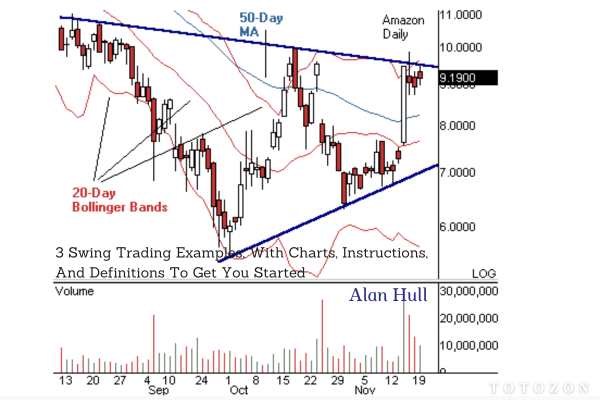 3 Swing Trading Examples, With Charts, Instructions, And Definitions To Get You Started by Alan Farley
1 × $6.00
3 Swing Trading Examples, With Charts, Instructions, And Definitions To Get You Started by Alan Farley
1 × $6.00 -
×
 Guide to Getting Short and Collecting Income with Don Kaufman
1 × $6.00
Guide to Getting Short and Collecting Income with Don Kaufman
1 × $6.00 -
×
 Quantamentals - The Next Great Forefront Of Trading and Investing with Trading Markets
1 × $8.00
Quantamentals - The Next Great Forefront Of Trading and Investing with Trading Markets
1 × $8.00 -
×
 The Internet Trading Course with Alpesh Patel
1 × $6.00
The Internet Trading Course with Alpesh Patel
1 × $6.00 -
×
 5 Day Program with Dimitri Wallace - Gold Minds Global
1 × $6.00
5 Day Program with Dimitri Wallace - Gold Minds Global
1 × $6.00 -
×
 Trading Masterclass XVII with Wysetrade
1 × $6.00
Trading Masterclass XVII with Wysetrade
1 × $6.00 -
×
 Crypto Trading Academy with Cheeky Investor - Aussie Day Trader
1 × $13.00
Crypto Trading Academy with Cheeky Investor - Aussie Day Trader
1 × $13.00 -
×
 How To Become StressFree Trader with Jason Starzec
1 × $4.00
How To Become StressFree Trader with Jason Starzec
1 × $4.00 -
×
 Larry Williams Newsletters (1994-1997)
1 × $6.00
Larry Williams Newsletters (1994-1997)
1 × $6.00 -
×
 The Trading Blueprint with Brad Goh - The Trading Geek
1 × $5.00
The Trading Blueprint with Brad Goh - The Trading Geek
1 × $5.00 -
×
 Traders Secret Library
1 × $6.00
Traders Secret Library
1 × $6.00 -
×
 Pairs Trading The Final Frontier with Don Kaufman
1 × $6.00
Pairs Trading The Final Frontier with Don Kaufman
1 × $6.00 -
×
 3 Short Selling Strategies - Trading Strategy Bundles – Quantified Strategies
1 × $39.00
3 Short Selling Strategies - Trading Strategy Bundles – Quantified Strategies
1 × $39.00 -
×
 Royal Exchange Forex with Jan Teslar
1 × $6.00
Royal Exchange Forex with Jan Teslar
1 × $6.00 -
×
 Advanced Trading Applications of Candlestick Charting with Gary S.Wagner & Bradley L.Matheny
1 × $6.00
Advanced Trading Applications of Candlestick Charting with Gary S.Wagner & Bradley L.Matheny
1 × $6.00 -
×
 Fibonacci Analysis with Constance Brown
1 × $6.00
Fibonacci Analysis with Constance Brown
1 × $6.00 -
×
 Profitable Strategies with Gemify Academy
1 × $10.00
Profitable Strategies with Gemify Academy
1 × $10.00 -
×
 The Best Option Trading Course with David Jaffee - Best Stock Strategy
1 × $15.00
The Best Option Trading Course with David Jaffee - Best Stock Strategy
1 × $15.00 -
×
 The AB-CD Secret Pattern
1 × $4.00
The AB-CD Secret Pattern
1 × $4.00 -
×
 Signals
1 × $6.00
Signals
1 × $6.00 -
×
 Traders Seminars – 7 CD
1 × $31.00
Traders Seminars – 7 CD
1 × $31.00 -
×
 Capital Asset Investment with Anthony F.Herbst
1 × $6.00
Capital Asset Investment with Anthony F.Herbst
1 × $6.00 -
×
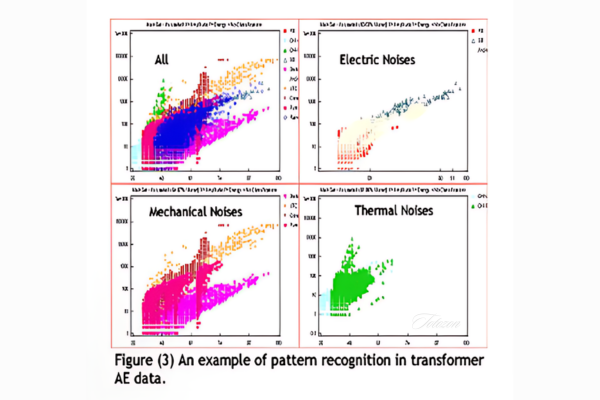 Advanced Pattern Recognition with John Cameron
1 × $23.00
Advanced Pattern Recognition with John Cameron
1 × $23.00 -
×
 5-Step-Trading Stocks I and II with Lex Van Dam
1 × $4.00
5-Step-Trading Stocks I and II with Lex Van Dam
1 × $4.00 -
×
 ABCs of Trading and Tech Analysis (Online Investor Expo, Las Vegas 2000) with Tom Bierovic
1 × $6.00
ABCs of Trading and Tech Analysis (Online Investor Expo, Las Vegas 2000) with Tom Bierovic
1 × $6.00 -
×
 0 DTE Options Trading Workshop with Aeromir Corporation
1 × $15.00
0 DTE Options Trading Workshop with Aeromir Corporation
1 × $15.00 -
×
 $20 – 52k 20 pips a day challange with Rafał Zuchowicz - TopMasterTrader
1 × $5.00
$20 – 52k 20 pips a day challange with Rafał Zuchowicz - TopMasterTrader
1 × $5.00 -
×
 How I Trade Growth Stocks In Bull And Bear Markets
1 × $54.00
How I Trade Growth Stocks In Bull And Bear Markets
1 × $54.00 -
×
 Forecast 2024 Clarification with Larry Williams
1 × $15.00
Forecast 2024 Clarification with Larry Williams
1 × $15.00 -
×
 Advanced Spread Trading with Guy Bower - MasterClass Trader
1 × $15.00
Advanced Spread Trading with Guy Bower - MasterClass Trader
1 × $15.00 -
×
 Traders Classroom Collection Volume 1-4 with Jeffrey Kennedy
1 × $15.00
Traders Classroom Collection Volume 1-4 with Jeffrey Kennedy
1 × $15.00 -
×
 Five Trading Trends of 2005 with Dan Denning
1 × $6.00
Five Trading Trends of 2005 with Dan Denning
1 × $6.00 -
×
 The Binary Trigger (Video, Books) with John Piper
1 × $6.00
The Binary Trigger (Video, Books) with John Piper
1 × $6.00 -
×
 Pattern Recognition: A Fundamental Introduction to Japanese Candlestick Charting Techniques Class with Jeff Bierman
1 × $6.00
Pattern Recognition: A Fundamental Introduction to Japanese Candlestick Charting Techniques Class with Jeff Bierman
1 × $6.00 -
×
 Follow the Fed to Investment Success with Douglas Roberts
1 × $6.00
Follow the Fed to Investment Success with Douglas Roberts
1 × $6.00 -
×
 A Momentum Based Approach to Swing Trading with Dave Landry
1 × $6.00
A Momentum Based Approach to Swing Trading with Dave Landry
1 × $6.00 -
×
 Fibonnacci Trader WorkShop (Video 2.38 GB) with Dennis Bolze, Thom Hartle
1 × $6.00
Fibonnacci Trader WorkShop (Video 2.38 GB) with Dennis Bolze, Thom Hartle
1 × $6.00 -
×
 Fierce 10 with Mandi Rafsendjani
1 × $5.00
Fierce 10 with Mandi Rafsendjani
1 × $5.00 -
×
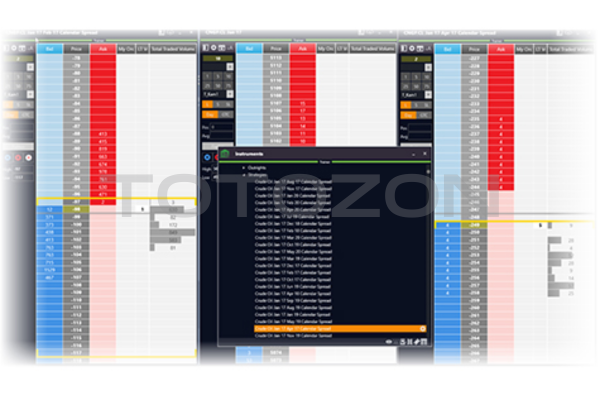 Futures Spread Trading Intro Course with Thetradingframework
1 × $6.00
Futures Spread Trading Intro Course with Thetradingframework
1 × $6.00 -
×
 Simple Methods for Detecting Buying and Selling Points in Securities with James Liveright
1 × $6.00
Simple Methods for Detecting Buying and Selling Points in Securities with James Liveright
1 × $6.00 -
×
 3 Steps To Supply/Demand + 3 Steps To Market Profile 10% Off Combined Price
1 × $23.00
3 Steps To Supply/Demand + 3 Steps To Market Profile 10% Off Combined Price
1 × $23.00 -
×
 The Precision Profit Float Indicator (TS Code & Setups) with Steve Woods
1 × $6.00
The Precision Profit Float Indicator (TS Code & Setups) with Steve Woods
1 × $6.00 -
×
 Star Traders Forex Intermediate Course I with Karen Foo
1 × $8.00
Star Traders Forex Intermediate Course I with Karen Foo
1 × $8.00 -
×
 Advent Forex Course with Cecil Robles
1 × $6.00
Advent Forex Course with Cecil Robles
1 × $6.00 -
×
 Active Investing courses notes with Alan Hull
1 × $6.00
Active Investing courses notes with Alan Hull
1 × $6.00 -
×
 How To Flip All Those “Hard To Flip” Deals
1 × $6.00
How To Flip All Those “Hard To Flip” Deals
1 × $6.00 -
×
 Futures Trading (German)
1 × $6.00
Futures Trading (German)
1 × $6.00 -
×
 Order flow self-study training program with iMFtracker
1 × $10.00
Order flow self-study training program with iMFtracker
1 × $10.00 -
×
 Mapping the Markets: A Guide to Stock Market Analysis with Deborah Owen & Robin Griffiths
1 × $6.00
Mapping the Markets: A Guide to Stock Market Analysis with Deborah Owen & Robin Griffiths
1 × $6.00 -
×
 PRO COURSE Order Flow Strategy with Gova Trading Academy
1 × $5.00
PRO COURSE Order Flow Strategy with Gova Trading Academy
1 × $5.00 -
×
 Futures Trading Secrets Home Study Course 2008 with Bill McCready
1 × $6.00
Futures Trading Secrets Home Study Course 2008 with Bill McCready
1 × $6.00 -
×
 Euro Fractal Trading System with Cynthia Marcy, Erol Bortucene
1 × $6.00
Euro Fractal Trading System with Cynthia Marcy, Erol Bortucene
1 × $6.00 -
×
 Essentials Course & Day Trading Strategies with Bear Bull Traders
1 × $13.00
Essentials Course & Day Trading Strategies with Bear Bull Traders
1 × $13.00 -
×
 War Room Technicals Volume 2 with Pat Mitchell – Trick Trades
1 × $6.00
War Room Technicals Volume 2 with Pat Mitchell – Trick Trades
1 × $6.00 -
×
 5 Day Volume Profile Analysis Indicator Course with Mark Stone
1 × $54.00
5 Day Volume Profile Analysis Indicator Course with Mark Stone
1 × $54.00 -
×
 SATYA 2 - Online Immersion - January 2023 By Tias Little
1 × $225.00
SATYA 2 - Online Immersion - January 2023 By Tias Little
1 × $225.00 -
×
 Trading Volatility - The Ultimate Course with Master Trader
1 × $69.00
Trading Volatility - The Ultimate Course with Master Trader
1 × $69.00 -
×
 Market Tide indicator with Alphashark
1 × $54.00
Market Tide indicator with Alphashark
1 × $54.00 -
×
 The A to Z of Mathematics: A Basic Guide with Thomas Sidebotham
1 × $6.00
The A to Z of Mathematics: A Basic Guide with Thomas Sidebotham
1 × $6.00 -
×
 P.A.T Trading Course (Low Video Quality) with Martin Cole
1 × $6.00
P.A.T Trading Course (Low Video Quality) with Martin Cole
1 × $6.00 -
×
 How Do You See Risk? A Guide to Evaluating & Applying Technical Volatility Indicators class with Theotrade
1 × $4.00
How Do You See Risk? A Guide to Evaluating & Applying Technical Volatility Indicators class with Theotrade
1 × $4.00 -
×
 How To Trade Forex Using Support & Resistance Levels with Vic Noble
1 × $6.00
How To Trade Forex Using Support & Resistance Levels with Vic Noble
1 × $6.00 -
×
 Bond Market Course with The Macro Compass
1 × $15.00
Bond Market Course with The Macro Compass
1 × $15.00 -
×
 The Indices Orderflow Masterclass with The Forex Scalpers
1 × $23.00
The Indices Orderflow Masterclass with The Forex Scalpers
1 × $23.00 -
×
 Consistently Profitable Trader with Pollinate Trading
1 × $13.00
Consistently Profitable Trader with Pollinate Trading
1 × $13.00 -
×
 Forex Retracement Theory with CopperChips
1 × $6.00
Forex Retracement Theory with CopperChips
1 × $6.00 -
×
 Algo Trading Masterclass with Ali Casey - StatOasis
1 × $23.00
Algo Trading Masterclass with Ali Casey - StatOasis
1 × $23.00
Advanced Forex Trading Momentum vs Reversals with Indicators Webinar – Mark Whistler
$6.00
File Size: Coming soon!
Delivery Time: 1–12 hours
Media Type: Online Course
Content Proof: Watch Here!
You may check content proof of “Advanced Forex Trading Momentum vs Reversals with Indicators Webinar – Mark Whistler” below:

Advanced Forex Trading: Momentum vs Reversals with Indicators Webinar by Mark Whistler
Introduction to Advanced Forex Trading
In the fast-paced world of forex trading, understanding the difference between momentum and reversals is crucial for success. Mark Whistler, a seasoned forex trader and educator, offers an insightful webinar on how to leverage indicators to identify and trade these market conditions effectively. This article explores the key concepts and strategies discussed in Whistler’s webinar, providing a comprehensive guide to advanced forex trading.
Who is Mark Whistler?
Expert in Forex Trading
Mark Whistler is a respected figure in the forex trading community, known for his deep knowledge of market dynamics and technical analysis. He has authored several books and conducted numerous webinars aimed at helping traders enhance their skills.
Educational Contributions
Whistler’s educational resources, including webinars, books, and workshops, focus on practical strategies for trading forex. His insights into momentum and reversals are particularly valuable for advanced traders.
Understanding Forex Momentum
What is Momentum in Forex Trading?
Momentum refers to the strength and speed of a price movement in a particular direction. It indicates the continuation of a trend, driven by factors such as market sentiment, economic data, and geopolitical events.
Key Indicators for Momentum
- Relative Strength Index (RSI): Measures the speed and change of price movements.
- Moving Average Convergence Divergence (MACD): Shows the relationship between two moving averages.
- Stochastic Oscillator: Compares a security’s closing price to its price range over a specified period.
Why Trade Momentum?
Trading momentum allows traders to capitalize on strong, sustained price movements. It provides opportunities for significant profits by following the trend until signs of reversal appear.
Understanding Forex Reversals
What is a Reversal in Forex Trading?
A reversal occurs when the price direction changes, signaling the end of a trend and the beginning of a new one. Identifying reversals early can help traders exit positions before losses occur or enter new positions to profit from the emerging trend.
Key Indicators for Reversals
- Bollinger Bands: Identify overbought or oversold conditions.
- Parabolic SAR: Indicates potential reversal points.
- Candlestick Patterns: Such as Doji, Hammer, and Engulfing patterns.
Why Trade Reversals?
Trading reversals can be highly profitable if identified correctly. It allows traders to enter new trends at the beginning, maximizing potential gains while minimizing risks.
Combining Momentum and Reversal Indicators
Synergy of Indicators
Using a combination of momentum and reversal indicators can provide a more comprehensive view of market conditions. This approach helps in confirming signals and reducing false positives.
Example Setup
- Momentum Indicator: Use RSI to confirm the strength of a trend.
- Reversal Indicator: Use Bollinger Bands to identify potential reversal points.
- Confirmation: Wait for a candlestick pattern that supports the reversal signal.
Benefits of Combining Indicators
- Enhanced Accuracy: Combining indicators improves the reliability of signals.
- Reduced Risk: Helps in identifying false signals and avoiding unnecessary trades.
- Increased Profitability: Allows traders to capitalize on both trending and reversing markets.
Strategies for Trading Momentum
Breakout Strategy
Breakout trading involves entering a position when the price breaks through a significant level of support or resistance, indicating strong momentum.
Steps for Breakout Trading
- Identify Key Levels: Use support and resistance levels to find potential breakout points.
- Confirm with Indicators: Use RSI or MACD to confirm the momentum.
- Enter the Trade: Enter the trade once the price breaks the key level with strong volume.
- Set Stop-Loss: Place a stop-loss order below the breakout level to manage risk.
Trend Following Strategy
Trend following involves entering trades in the direction of the prevailing trend, relying on the momentum to continue.
Steps for Trend Following
- Identify the Trend: Use moving averages to determine the trend direction.
- Confirm with Indicators: Use MACD or Stochastic Oscillator to confirm the trend strength.
- Enter the Trade: Enter the trade in the direction of the trend.
- Set Profit Targets: Use previous highs or lows to set realistic profit targets.
Strategies for Trading Reversals
Divergence Strategy
Divergence occurs when the price moves in the opposite direction of an indicator, signaling a potential reversal.
Steps for Divergence Trading
- Identify Divergence: Look for divergence between the price and indicators like RSI or MACD.
- Confirm with Patterns: Use candlestick patterns to confirm the reversal signal.
- Enter the Trade: Enter the trade once the reversal is confirmed.
- Set Stop-Loss: Place a stop-loss order above or below the reversal point.
Fading Strategy
Fading involves trading against the prevailing trend, expecting a reversal.
Steps for Fading
- Identify Overbought/Oversold Conditions: Use Bollinger Bands or RSI to identify extreme conditions.
- Confirm with Reversal Indicators: Use Parabolic SAR or candlestick patterns for confirmation.
- Enter the Trade: Enter the trade against the trend once confirmation is received.
- Set Profit Targets: Use support or resistance levels to set profit targets.
Risk Management in Advanced Forex Trading
Importance of Risk Management
Effective risk management is crucial in advanced forex trading to protect capital and ensure long-term success.
Risk Management Techniques
- Position Sizing: Risk a fixed percentage of your trading capital on each trade.
- Stop-Loss Orders: Use stop-loss orders to limit potential losses.
- Diversification: Spread risk by trading multiple currency pairs and using various strategies.
Maintaining Discipline
Discipline is key to successful forex trading. Stick to your trading plan and avoid emotional decisions.
Strategies for Maintaining Discipline
- Follow Your Plan: Adhere to your predefined trading strategies and rules.
- Avoid Overtrading: Only trade high-probability setups.
- Keep Emotions in Check: Make decisions based on analysis, not emotions.
Practical Tips for Success
Continuous Learning
Stay updated with new strategies, market trends, and trading tools to maintain an edge.
Educational Resources
- Books: Read books on advanced forex trading.
- Online Courses: Enroll in courses that focus on momentum and reversal strategies.
- Webinars: Attend webinars hosted by experienced traders like Mark Whistler.
Networking with Other Traders
Join trading communities to share experiences and learn from others.
Benefits of Networking
- Knowledge Sharing: Exchange ideas and strategies with fellow traders.
- Support: Gain motivation and support from a community of like-minded individuals.
Common Mistakes to Avoid
Ignoring Risk Management
Neglecting risk management can lead to significant losses.
Solution
Always implement stop-loss orders and adhere to your risk management rules.
Chasing Performance
Avoid the temptation to chase the latest high-performing currency pairs.
Solution
Stick to your trading plan and make decisions based on thorough analysis.
Overtrading
Overtrading can lead to increased costs and reduced profitability.
Solution
Limit the number of trades you make per day or week and focus on quality setups.
Conclusion
Advanced forex trading requires a deep understanding of momentum and reversal strategies. Mark Whistler’s webinar provides valuable insights into using indicators to capture profitable trades while managing risk effectively. By combining technical analysis, disciplined execution, and continuous learning, traders can enhance their trading performance and achieve long-term success in the forex market.
FAQs
1. What is momentum in forex trading?
Momentum refers to the strength and speed of a price movement in a particular direction, indicating the continuation of a trend.
2. What is a reversal in forex trading?
A reversal occurs when the price direction changes, signaling the end of a trend and the beginning of a new one.
3. How can indicators help in trading momentum and reversals?
Indicators like RSI, MACD, Bollinger Bands, and candlestick patterns help identify and confirm momentum and reversal signals, improving trading accuracy.
4. Why is risk management important in forex trading?
Risk management protects your capital and ensures long-term success by limiting potential losses and spreading risk.
5. How can I start using momentum and reversal strategies?
Begin by learning about key indicators, developing a trading plan, and practicing with a demo account before trading with real capital.
Be the first to review “Advanced Forex Trading Momentum vs Reversals with Indicators Webinar – Mark Whistler”
You must be logged in to post a review.
Related products

Forex Trading
Original price was: $397.00.$31.00Current price is: $31.00.
Original price was: $997.00.$13.00Current price is: $13.00.
Original price was: $895.00.$15.00Current price is: $15.00.

Forex Trading
Original price was: $1,098.00.$39.00Current price is: $39.00.
Forex Trading
Original price was: $550.00.$5.00Current price is: $5.00.
Forex Trading
Original price was: $1,898.00.$10.00Current price is: $10.00.
Original price was: $4,995.00.$15.00Current price is: $15.00.
Original price was: $450.00.$23.00Current price is: $23.00.

Original price was: $695.00.$41.00Current price is: $41.00.
Forex Trading
Original price was: $499.00.$15.00Current price is: $15.00.

Original price was: $649.00.$20.00Current price is: $20.00.

Forex Trading
Original price was: $850.00.$23.00Current price is: $23.00.

Original price was: $700.00.$39.00Current price is: $39.00.
Original price was: $497.00.$11.00Current price is: $11.00.

Forex Trading
Original price was: $4,997.00.$27.00Current price is: $27.00.
Original price was: $497.00.$31.00Current price is: $31.00.
Original price was: $1,849.00.$15.00Current price is: $15.00.

Original price was: $310.00.$23.00Current price is: $23.00.
Forex Trading
Original price was: $500.00.$5.00Current price is: $5.00.

Forex Trading
The Complete Guide to Multiple Time Frame Analysis & Reading Price Action with Aiman Almansoori
Original price was: $1,399.00.$13.00Current price is: $13.00.
Reviews
There are no reviews yet.