
-
×
 Rise Precision Latest Course
1 × $10.00
Rise Precision Latest Course
1 × $10.00 -
×
 6-2-4 Winning Strategies & Systems with Jack Bernstein
1 × $6.00
6-2-4 Winning Strategies & Systems with Jack Bernstein
1 × $6.00 -
×
 Four Dimensional Stock Market Structures & Cycles with Bradley Cowan
1 × $6.00
Four Dimensional Stock Market Structures & Cycles with Bradley Cowan
1 × $6.00 -
×
 Investing In Fixer-Uppers 2003 with Jay DeCima
1 × $6.00
Investing In Fixer-Uppers 2003 with Jay DeCima
1 × $6.00 -
×
 After Hour Trading Made Easy with Joe Duarte & Roland Burke
1 × $6.00
After Hour Trading Made Easy with Joe Duarte & Roland Burke
1 × $6.00 -
×
 A Momentum Based Approach to Swing Trading with Dave Landry
1 × $6.00
A Momentum Based Approach to Swing Trading with Dave Landry
1 × $6.00 -
×
 Home Run Options Trading Course with Dave Aquino - Base Camp Trading
1 × $11.00
Home Run Options Trading Course with Dave Aquino - Base Camp Trading
1 × $11.00 -
×
 Investing in 401k Plans with Cliffsnotes
1 × $6.00
Investing in 401k Plans with Cliffsnotes
1 × $6.00 -
×
 Shawn Sharma Mentorship Program
1 × $34.00
Shawn Sharma Mentorship Program
1 × $34.00 -
×
 Geometric Angles Applied To Modern Markets with Sean Avidar
1 × $39.00
Geometric Angles Applied To Modern Markets with Sean Avidar
1 × $39.00 -
×
 Masterclass 5.0 with RockzFX
1 × $5.00
Masterclass 5.0 with RockzFX
1 × $5.00 -
×
 Options Bootcamp with Sid Woolfolk
1 × $6.00
Options Bootcamp with Sid Woolfolk
1 × $6.00 -
×
 The Adventures of the Cycle Hunter. The Cyclist with Craig Bttlc
1 × $6.00
The Adventures of the Cycle Hunter. The Cyclist with Craig Bttlc
1 × $6.00 -
×
 Guidelines for Analysis and Establishing a Trading Plan with Charles Drummond
1 × $6.00
Guidelines for Analysis and Establishing a Trading Plan with Charles Drummond
1 × $6.00 -
×
 6 (The Proper BackGround)
1 × $6.00
6 (The Proper BackGround)
1 × $6.00 -
×
 The A to Z of Mathematics: A Basic Guide with Thomas Sidebotham
1 × $6.00
The A to Z of Mathematics: A Basic Guide with Thomas Sidebotham
1 × $6.00 -
×
 The Aftermath + Jack Savage Extras (How To Trade Gold) with FXSavages
1 × $6.00
The Aftermath + Jack Savage Extras (How To Trade Gold) with FXSavages
1 × $6.00 -
×
 Foundations of Technical Analysis (Article) with Andrew W.Lo
1 × $6.00
Foundations of Technical Analysis (Article) with Andrew W.Lo
1 × $6.00 -
×
 How to Avoid Tax on Your Stock Market Profits with Lee Hadnum
1 × $6.00
How to Avoid Tax on Your Stock Market Profits with Lee Hadnum
1 × $6.00 -
×
 Master Stock Course
1 × $6.00
Master Stock Course
1 × $6.00 -
×
 Equity Valuation for Analysts and Investors: A Unique Stock Valuation Tool for Financial Statement Analysis and Model-Building with James Kelleher
1 × $6.00
Equity Valuation for Analysts and Investors: A Unique Stock Valuation Tool for Financial Statement Analysis and Model-Building with James Kelleher
1 × $6.00 -
×
 Advanced Trading Techniques 2 CDs with Sammy Chua
1 × $6.00
Advanced Trading Techniques 2 CDs with Sammy Chua
1 × $6.00 -
×
 Getting Started in Forex Trading Strategies with Michael Duane Archer
1 × $6.00
Getting Started in Forex Trading Strategies with Michael Duane Archer
1 × $6.00 -
×
 7 Days Options Masters Course with John Carter
1 × $54.00
7 Days Options Masters Course with John Carter
1 × $54.00 -
×
 Spread Trading E-Trading Stagionale (Italian) with Joe Ross
1 × $6.00
Spread Trading E-Trading Stagionale (Italian) with Joe Ross
1 × $6.00 -
×
 Power Cycle Trading The Ultimate Option Guide: When & How to Use Which Option Strategy For the Best Results - Powercycletrading
1 × $69.00
Power Cycle Trading The Ultimate Option Guide: When & How to Use Which Option Strategy For the Best Results - Powercycletrading
1 × $69.00 -
×
 ICT Mentorship – 2019
1 × $13.00
ICT Mentorship – 2019
1 × $13.00 -
×
 Stock Market Winners with Maria Crawford Scott, John Bajkowski
1 × $6.00
Stock Market Winners with Maria Crawford Scott, John Bajkowski
1 × $6.00 -
×
 The Handbook of Risk with Ben Warwick
1 × $6.00
The Handbook of Risk with Ben Warwick
1 × $6.00 -
×
 From Walden to Wall Street: Frontiers of Conservation Finance with James Levitt
1 × $6.00
From Walden to Wall Street: Frontiers of Conservation Finance with James Levitt
1 × $6.00 -
×
 Fractal Energy Trading with Doc Severson
1 × $6.00
Fractal Energy Trading with Doc Severson
1 × $6.00 -
×
 The Trader’s Book of Volume with Mark Leibovit
1 × $6.00
The Trader’s Book of Volume with Mark Leibovit
1 × $6.00 -
×
 Fibonacci – CCI Workshop Recording Series (2006 & 2008)
1 × $6.00
Fibonacci – CCI Workshop Recording Series (2006 & 2008)
1 × $6.00 -
×
 How to be a Sector Investor with Larry Hungerford & Steve Hungerford
1 × $4.00
How to be a Sector Investor with Larry Hungerford & Steve Hungerford
1 × $4.00 -
×
 Best of Livestock with Timothy Sykes
1 × $5.00
Best of Livestock with Timothy Sykes
1 × $5.00 -
×
 Matrix Spread Options Trading Course with Base Camp Trading
1 × $31.00
Matrix Spread Options Trading Course with Base Camp Trading
1 × $31.00 -
×
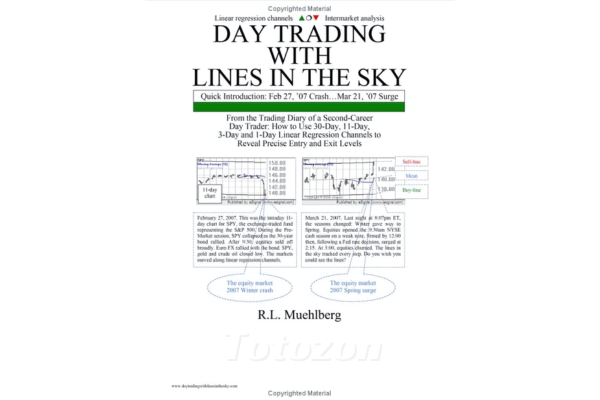 Day Trading with Lines in the Sky By R.L.Muehlberg
1 × $6.00
Day Trading with Lines in the Sky By R.L.Muehlberg
1 × $6.00 -
×
 Simpler Options - Weekly Butterflies for Income
1 × $6.00
Simpler Options - Weekly Butterflies for Income
1 × $6.00 -
×
 The Janus Factor with Gary Anderson
1 × $6.00
The Janus Factor with Gary Anderson
1 × $6.00 -
×
 Systems Mastery Course with Chris Dover - Pollinate Trading
1 × $5.00
Systems Mastery Course with Chris Dover - Pollinate Trading
1 × $5.00 -
×
 Ahead of the Curve with Joseph Ellis
1 × $6.00
Ahead of the Curve with Joseph Ellis
1 × $6.00 -
×
 ProfileTraders - Swing and Price Analysis (May 2014)
1 × $6.00
ProfileTraders - Swing and Price Analysis (May 2014)
1 × $6.00 -
×
 Fierce 10 with Mandi Rafsendjani
1 × $5.00
Fierce 10 with Mandi Rafsendjani
1 × $5.00 -
×
 System Building Masterclass
1 × $31.00
System Building Masterclass
1 × $31.00 -
×
 Fibonnacci Trader WorkShop (Video 2.38 GB) with Dennis Bolze, Thom Hartle
1 × $6.00
Fibonnacci Trader WorkShop (Video 2.38 GB) with Dennis Bolze, Thom Hartle
1 × $6.00 -
×
 The Best Option Trading Course with David Jaffee - Best Stock Strategy
1 × $15.00
The Best Option Trading Course with David Jaffee - Best Stock Strategy
1 × $15.00 -
×
 The Trader's Mindset Course with Chris Mathews
1 × $6.00
The Trader's Mindset Course with Chris Mathews
1 × $6.00 -
×
 SATYA 2 - Online Immersion - January 2023 By Tias Little
1 × $225.00
SATYA 2 - Online Immersion - January 2023 By Tias Little
1 × $225.00 -
×
 The Q’s (2nd Ed.) with Darlene Nelson
1 × $6.00
The Q’s (2nd Ed.) with Darlene Nelson
1 × $6.00 -
×
 Creating the Optimal Trade for Explosive Profits with George A.Fontanills
1 × $6.00
Creating the Optimal Trade for Explosive Profits with George A.Fontanills
1 × $6.00 -
×
 Advanced Option Trading with Broken Wing Butterflys with Greg Loehr
1 × $9.00
Advanced Option Trading with Broken Wing Butterflys with Greg Loehr
1 × $9.00 -
×
 Complete Best Practices - Weekly Options Income Trading System with Weekly Options Academy
1 × $23.00
Complete Best Practices - Weekly Options Income Trading System with Weekly Options Academy
1 × $23.00 -
×
 DAY TRADING COURSE 2018
1 × $6.00
DAY TRADING COURSE 2018
1 × $6.00 -
×
 Stock Market 101 with Sabrina Peterson
1 × $4.00
Stock Market 101 with Sabrina Peterson
1 × $4.00 -
×
 Day Trader Course
1 × $6.00
Day Trader Course
1 × $6.00 -
×
 The Apple Way with Jeffrey Cruikshank
1 × $6.00
The Apple Way with Jeffrey Cruikshank
1 × $6.00 -
×
 Electronic Day Traders' Secrets: Learn From the Best of the Best DayTraders with Burton Friedfertig
1 × $6.00
Electronic Day Traders' Secrets: Learn From the Best of the Best DayTraders with Burton Friedfertig
1 × $6.00 -
×
 Fundamental & Technical Analysis Mini Course with Colin Nicholson
1 × $6.00
Fundamental & Technical Analysis Mini Course with Colin Nicholson
1 × $6.00 -
×
 Investment Performance Measurement with Bruce Feibel
1 × $6.00
Investment Performance Measurement with Bruce Feibel
1 × $6.00 -
×
 How To Backtest Bootcamp
1 × $17.00
How To Backtest Bootcamp
1 × $17.00 -
×
 Euro Fractal Trading System with Cynthia Marcy, Erol Bortucene
1 × $6.00
Euro Fractal Trading System with Cynthia Marcy, Erol Bortucene
1 × $6.00 -
×
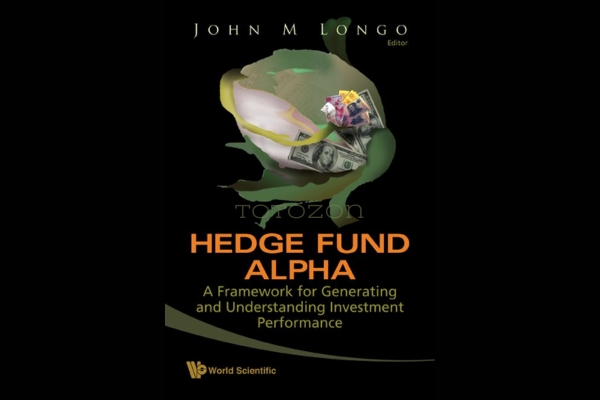 Hedge Fund Alpha with John Longo - World Scientific
1 × $6.00
Hedge Fund Alpha with John Longo - World Scientific
1 × $6.00 -
×
 PRO COURSE Order Flow Strategy with Gova Trading Academy
1 × $5.00
PRO COURSE Order Flow Strategy with Gova Trading Academy
1 × $5.00 -
×
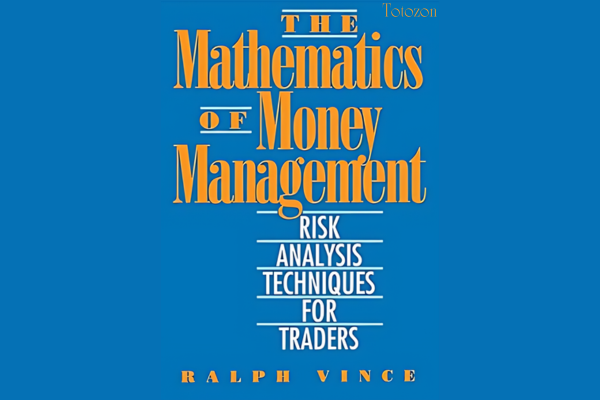 The Mathematics of Money Management. Risk Analysis Techniques for Traders
1 × $6.00
The Mathematics of Money Management. Risk Analysis Techniques for Traders
1 × $6.00 -
×
 A Game Plan for Investing in the 21st Century with Thomas J.Dorsey
1 × $6.00
A Game Plan for Investing in the 21st Century with Thomas J.Dorsey
1 × $6.00 -
×
 Price Action Manual (2nd Ed.) with Bruce Gilmore
1 × $6.00
Price Action Manual (2nd Ed.) with Bruce Gilmore
1 × $6.00 -
×
 Trading - Candlelight - Ryan Litchfield
1 × $6.00
Trading - Candlelight - Ryan Litchfield
1 × $6.00 -
×
 DFX Scalping Strategy Course with Disciplined FX
1 × $23.00
DFX Scalping Strategy Course with Disciplined FX
1 × $23.00 -
×
 Sea Lanes & Pipelines with Bernard D.Cole
1 × $6.00
Sea Lanes & Pipelines with Bernard D.Cole
1 × $6.00 -
×
 The Afluent Desktop Currency Trader with Amin Sadak
1 × $6.00
The Afluent Desktop Currency Trader with Amin Sadak
1 × $6.00 -
×
 Empirical Market Microstructure
1 × $6.00
Empirical Market Microstructure
1 × $6.00 -
×
 Ron Wagner - Creating a Profitable Trading & Investing Plan + Techniques to Perfect Your Intraday GAP
1 × $6.00
Ron Wagner - Creating a Profitable Trading & Investing Plan + Techniques to Perfect Your Intraday GAP
1 × $6.00 -
×
 Smart Money Trading Course with Prosperity Academy
1 × $5.00
Smart Money Trading Course with Prosperity Academy
1 × $5.00 -
×
 Harmonic Vibrations with Larry Pesavento
1 × $6.00
Harmonic Vibrations with Larry Pesavento
1 × $6.00 -
×
 ICT Prodigy Trading Course – $650K in Payouts with Alex Solignani
1 × $15.00
ICT Prodigy Trading Course – $650K in Payouts with Alex Solignani
1 × $15.00 -
×
 The Box Strategy with Blue Capital Academy
1 × $23.00
The Box Strategy with Blue Capital Academy
1 × $23.00 -
×
 ActiveBeta Indexes. Capturing Systematic Sources of Active Equity Returns (HTML) with Andrew Lo
1 × $6.00
ActiveBeta Indexes. Capturing Systematic Sources of Active Equity Returns (HTML) with Andrew Lo
1 × $6.00 -
×
 Channel Analysis. The Key to Improved Timing of Trades with Brian J.Millard
1 × $6.00
Channel Analysis. The Key to Improved Timing of Trades with Brian J.Millard
1 × $6.00 -
×
 The Amazing Common Sense Guide To Investment Success with John Thomchick
1 × $6.00
The Amazing Common Sense Guide To Investment Success with John Thomchick
1 × $6.00 -
×
 The Complete Guide to Spread Trading
1 × $6.00
The Complete Guide to Spread Trading
1 × $6.00 -
×
 The Logical Trader: Applying a Method to the Madness with Mark Fisher
1 × $6.00
The Logical Trader: Applying a Method to the Madness with Mark Fisher
1 × $6.00 -
×
 Fractal Flow Strategy Video Course with Fractal Flow Pro
1 × $6.00
Fractal Flow Strategy Video Course with Fractal Flow Pro
1 × $6.00 -
×
 War Room Technicals Volume 2 with Pat Mitchell – Trick Trades
1 × $6.00
War Room Technicals Volume 2 with Pat Mitchell – Trick Trades
1 × $6.00 -
×
 Candlestick Secrets For Profiting In Options
1 × $23.00
Candlestick Secrets For Profiting In Options
1 × $23.00 -
×
 PFAZoneSuite [Trading Indicator] 2017
1 × $109.00
PFAZoneSuite [Trading Indicator] 2017
1 × $109.00 -
×
 Who is Afraid of Word Trade Organization with Kent Jones
1 × $6.00
Who is Afraid of Word Trade Organization with Kent Jones
1 × $6.00 -
×
 Team Bull Trading Academy
1 × $5.00
Team Bull Trading Academy
1 × $5.00 -
×
 Basic Options Course Cash Flow. Diversification. Flexibility with Michael Drew
1 × $6.00
Basic Options Course Cash Flow. Diversification. Flexibility with Michael Drew
1 × $6.00 -
×
 A Convicted Stock Manipulators Guide to Investing with Marino Specogna
1 × $6.00
A Convicted Stock Manipulators Guide to Investing with Marino Specogna
1 × $6.00 -
×
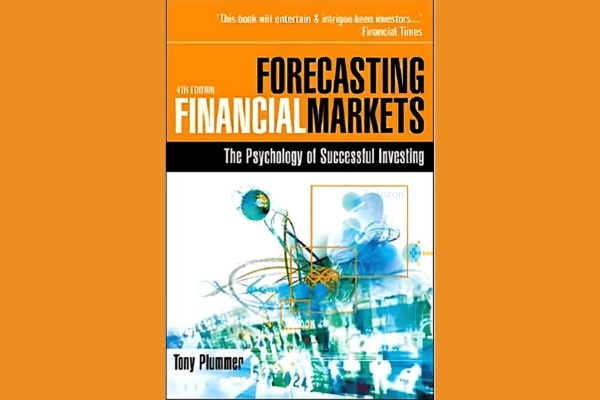 Forecasting Financial Markets (2nd Ed.)
1 × $6.00
Forecasting Financial Markets (2nd Ed.)
1 × $6.00 -
×
 The Stock Market Trading Secrets of the Late (1940, scaned)
1 × $6.00
The Stock Market Trading Secrets of the Late (1940, scaned)
1 × $6.00 -
×
 Developing Mindfulness: The Observer of Thought with Traders State Of Mind
1 × $6.00
Developing Mindfulness: The Observer of Thought with Traders State Of Mind
1 × $6.00 -
×
 The Kiloby Inquiries Online with Scott Kiloby
1 × $39.00
The Kiloby Inquiries Online with Scott Kiloby
1 × $39.00 -
×
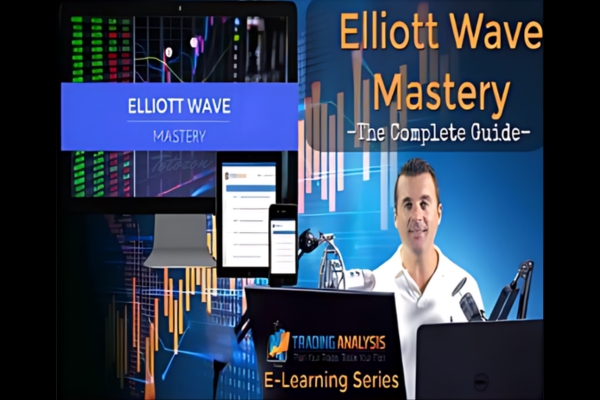 Elliott Wave Mastery Course with Todd Gordon
1 × $54.00
Elliott Wave Mastery Course with Todd Gordon
1 × $54.00 -
×
 Gap Trading for Stock and Options Traders with Damon Verial
1 × $6.00
Gap Trading for Stock and Options Traders with Damon Verial
1 × $6.00 -
×
 A14 Weekly Options Strategy Workshop 2023 with Amy Meissner - Aeromir
1 × $23.00
A14 Weekly Options Strategy Workshop 2023 with Amy Meissner - Aeromir
1 × $23.00 -
×
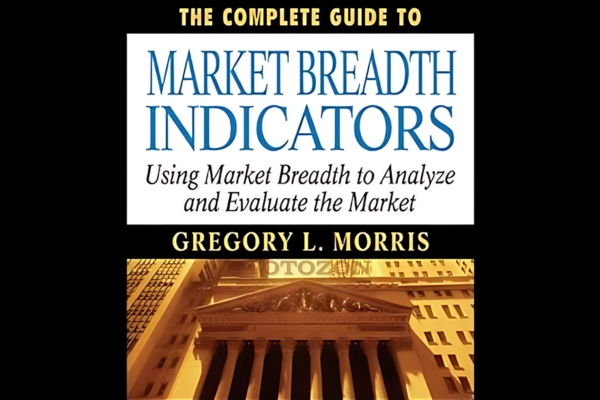 The Complete Guide to Market Breadth Indicators: How to Analyze and Evaluate market Direction and Strength - Greg Morris
1 × $6.00
The Complete Guide to Market Breadth Indicators: How to Analyze and Evaluate market Direction and Strength - Greg Morris
1 × $6.00 -
×
 Simple Methods for Detecting Buying and Selling Points in Securities with James Liveright
1 × $6.00
Simple Methods for Detecting Buying and Selling Points in Securities with James Liveright
1 × $6.00 -
×
 The Beginners Guide to Commodities Investing with Brian & Gayle Rice
1 × $6.00
The Beginners Guide to Commodities Investing with Brian & Gayle Rice
1 × $6.00 -
×
 Best of the Best: Collars with Amy Meissner & Scott Ruble
1 × $15.00
Best of the Best: Collars with Amy Meissner & Scott Ruble
1 × $15.00
The Investors Guide to Active Asset Allocation with Martin Pring
$6.00
File Size: Coming soon!
Delivery Time: 1–12 hours
Media Type: Online Course
Content Proof: Watch Here!
You may check content proof of “The Investors Guide to Active Asset Allocation with Martin Pring” below:
The Investor’s Guide to Active Asset Allocation with Martin Pring
Navigating the financial markets can be daunting, but Martin Pring’s insights on active asset allocation can provide a strategic edge. In this guide, we’ll explore the principles and strategies behind active asset allocation and how we can apply them to optimize our investment portfolios.
Understanding Active Asset Allocation
What is Active Asset Allocation?
Active asset allocation involves continuously adjusting the proportions of different asset classes in a portfolio based on market conditions and economic trends. This dynamic approach contrasts with passive asset allocation, where proportions remain fixed.
The Importance of Active Asset Allocation
Active asset allocation aims to enhance returns and manage risk by responding to changing market environments. It allows investors to capitalize on opportunities and avoid potential downturns.
Core Principles of Active Asset Allocation
Diversification
Diversification involves spreading investments across various asset classes, such as stocks, bonds, and commodities, to reduce risk. A well-diversified portfolio can weather market volatility more effectively.
Market Analysis
Active asset allocation requires thorough market analysis, including technical and fundamental analysis. Understanding market trends, economic indicators, and geopolitical events is crucial for making informed decisions.
Risk Management
Effective risk management involves identifying, assessing, and mitigating risks. This can include setting stop-loss orders, adjusting asset allocations based on market conditions, and continuously monitoring the portfolio.
Martin Pring’s Strategies for Active Asset Allocation
Technical Analysis
Martin Pring is a pioneer in technical analysis, which involves studying historical market data to forecast future price movements. Technical indicators, such as moving averages and relative strength index (RSI), can help identify trends and entry/exit points.
Cycle Analysis
Pring emphasizes the importance of understanding market cycles. Recognizing the phases of bull and bear markets can help investors adjust their asset allocations to maximize returns and minimize risks.
Economic Indicators
Monitoring economic indicators, such as GDP growth, inflation rates, and unemployment figures, provides insights into the broader economic environment. These indicators can influence asset class performance and guide allocation decisions.
Sentiment Analysis
Sentiment analysis involves gauging investor sentiment through surveys, social media, and market data. Understanding market sentiment can help anticipate market movements and adjust allocations accordingly.
Implementing Active Asset Allocation
Developing a Strategy
Creating a clear and actionable strategy is essential. This strategy should outline investment goals, risk tolerance, and the criteria for adjusting asset allocations.
Regular Portfolio Reviews
Regularly reviewing and rebalancing the portfolio ensures that asset allocations remain aligned with market conditions and investment goals. This practice helps maintain an optimal risk-return balance.
Staying Informed
Staying informed about market trends, economic developments, and geopolitical events is crucial for active asset allocation. Continuous learning and adaptation are key to staying ahead.
Benefits of Active Asset Allocation
Enhanced Returns
By actively adjusting asset allocations based on market conditions, investors can potentially achieve higher returns compared to a passive strategy.
Risk Mitigation
Active asset allocation allows for proactive risk management, helping to avoid significant losses during market downturns.
Flexibility
This approach offers flexibility to adapt to changing market environments, allowing investors to seize opportunities and mitigate risks more effectively.
Challenges of Active Asset Allocation
Complexity
Active asset allocation can be complex and time-consuming, requiring continuous monitoring and analysis of market conditions.
Costs
Frequent trading and portfolio adjustments can lead to higher transaction costs, which may impact overall returns.
Emotional Discipline
Staying disciplined and avoiding emotional decisions is crucial. Emotional reactions to market fluctuations can lead to poor investment choices.
Practical Tips for Active Asset Allocation
Set Clear Goals
Define your investment goals and risk tolerance. Knowing what you aim to achieve helps guide your allocation decisions.
Use Technical and Fundamental Analysis
Combine technical and fundamental analysis to make informed decisions. This approach provides a comprehensive view of market conditions.
Monitor Economic Indicators
Keep an eye on key economic indicators. These indicators provide valuable insights into the broader economic environment and asset class performance.
Stay Flexible
Be prepared to adjust your strategy as market conditions change. Flexibility is crucial for capitalizing on opportunities and mitigating risks.
Consult a Financial Advisor
Working with a financial advisor can provide valuable insights and help develop a robust active asset allocation strategy tailored to your goals.
Conclusion
Active asset allocation, as championed by Martin Pring, offers a dynamic approach to investing that can enhance returns and manage risk. By understanding and applying the principles of diversification, market analysis, risk management, and staying informed, we can optimize our portfolios and achieve our financial goals. Remember, the key to successful investing lies in continuous learning, adaptation, and maintaining emotional discipline.
FAQs
1. What is the difference between active and passive asset allocation?
Active asset allocation involves continuously adjusting asset proportions based on market conditions, while passive asset allocation keeps proportions fixed.
2. How does technical analysis help in active asset allocation?
Technical analysis helps identify market trends and entry/exit points, guiding allocation adjustments to optimize returns.
3. Why is diversification important in active asset allocation?
Diversification spreads risk across various asset classes, reducing the impact of market volatility on the overall portfolio.
4. What role do economic indicators play in active asset allocation?
Economic indicators provide insights into the broader economic environment, influencing asset class performance and guiding allocation decisions.
5. How can I manage emotions while practicing active asset allocation?
Maintain discipline, stick to your strategy, and avoid making impulsive decisions based on short-term market fluctuations.
Be the first to review “The Investors Guide to Active Asset Allocation with Martin Pring”
You must be logged in to post a review.
Related products

Forex Trading
Original price was: $239.00.$8.00Current price is: $8.00.

Original price was: $997.00.$8.00Current price is: $8.00.

Forex Trading
Original price was: $249.00.$15.00Current price is: $15.00.
Original price was: $799.00.$15.00Current price is: $15.00.

Forex Trading
Original price was: $125.00.$17.00Current price is: $17.00.

Forex Trading
Original price was: $4,997.00.$27.00Current price is: $27.00.

Forex Trading
Original price was: $2,997.00.$23.00Current price is: $23.00.

Original price was: $4,995.00.$15.00Current price is: $15.00.

Forex Trading
Original price was: $999.00.$15.00Current price is: $15.00.

Original price was: $695.00.$41.00Current price is: $41.00.

Forex Trading
Original price was: $697.00.$5.00Current price is: $5.00.

Original price was: $700.00.$39.00Current price is: $39.00.

Forex Trading
Original price was: $797.00.$10.00Current price is: $10.00.

Forex Trading
Original price was: $397.00.$31.00Current price is: $31.00.

Forex Trading
Quantamentals – The Next Great Forefront Of Trading and Investing with Trading Markets
Original price was: $1,495.00.$8.00Current price is: $8.00.
Original price was: $497.00.$31.00Current price is: $31.00.
Original price was: $497.00.$11.00Current price is: $11.00.

Forex Trading
Original price was: $500.00.$5.00Current price is: $5.00.

Forex Trading
Original price was: $1,098.00.$39.00Current price is: $39.00.

Forex Trading
Original price was: $1,898.00.$10.00Current price is: $10.00.
Reviews
There are no reviews yet.