
-
×
 Portfolio Management in Practice with Christine Brentani
1 × $6.00
Portfolio Management in Practice with Christine Brentani
1 × $6.00 -
×
 Day One Trader with John Sussex
1 × $6.00
Day One Trader with John Sussex
1 × $6.00 -
×
 The Naked Eye: Raw Data Analytics with Edgar Torres - Raw Data Analytics
1 × $8.00
The Naked Eye: Raw Data Analytics with Edgar Torres - Raw Data Analytics
1 × $8.00 -
×
 Risk Management Toolkit with Peter Bain
1 × $6.00
Risk Management Toolkit with Peter Bain
1 × $6.00 -
×
 Crystal Ball Pack PLUS bonus Live Trade By Pat Mitchell - Trick Trades
1 × $20.00
Crystal Ball Pack PLUS bonus Live Trade By Pat Mitchell - Trick Trades
1 × $20.00 -
×
 Bond Market Course with The Macro Compass
1 × $15.00
Bond Market Course with The Macro Compass
1 × $15.00 -
×
 ICT Prodigy Trading Course – $650K in Payouts with Alex Solignani
1 × $15.00
ICT Prodigy Trading Course – $650K in Payouts with Alex Solignani
1 × $15.00 -
×
 Rockwell Trading - Money Management - 2 DVDs
1 × $6.00
Rockwell Trading - Money Management - 2 DVDs
1 × $6.00 -
×
 Advanced Spread Trading with Guy Bower - MasterClass Trader
1 × $15.00
Advanced Spread Trading with Guy Bower - MasterClass Trader
1 × $15.00 -
×
 Star Traders Forex Intermediate Course I with Karen Foo
1 × $8.00
Star Traders Forex Intermediate Course I with Karen Foo
1 × $8.00 -
×
 Royal Exchange Forex with Jan Teslar
1 × $6.00
Royal Exchange Forex with Jan Teslar
1 × $6.00 -
×
 All About Mutual Funds with Bruce Jacobs
1 × $6.00
All About Mutual Funds with Bruce Jacobs
1 × $6.00 -
×
 The Prop Trading Code with Brannigan Barrett - Axia Futures
1 × $23.00
The Prop Trading Code with Brannigan Barrett - Axia Futures
1 × $23.00 -
×
 Precision Pattern Trading with Daryl Guppy
1 × $6.00
Precision Pattern Trading with Daryl Guppy
1 × $6.00 -
×
 Matrix Spread Options Trading Course with Base Camp Trading
1 × $31.00
Matrix Spread Options Trading Course with Base Camp Trading
1 × $31.00 -
×
 Neural Networks in Trading with Dr. Ernest P. Chan
1 × $31.00
Neural Networks in Trading with Dr. Ernest P. Chan
1 × $31.00 -
×
 3 Hour Calendar Class With Bonus 3 Months Daily Analysis!
1 × $23.00
3 Hour Calendar Class With Bonus 3 Months Daily Analysis!
1 × $23.00 -
×
 WondaFX Signature Strategy with WondaFX
1 × $5.00
WondaFX Signature Strategy with WondaFX
1 × $5.00 -
×
 Advanced Trader with Nikos Trading Academy
1 × $5.00
Advanced Trader with Nikos Trading Academy
1 × $5.00 -
×
 Online Course - Why Wave Analysis Belongs in Every Trader's Toolbox with Jeffrey Kennedy - Elliott Wave
1 × $15.00
Online Course - Why Wave Analysis Belongs in Every Trader's Toolbox with Jeffrey Kennedy - Elliott Wave
1 × $15.00 -
×
 Advanced Group Analysis Turorial with David Vomund
1 × $6.00
Advanced Group Analysis Turorial with David Vomund
1 × $6.00 -
×
 George Bayer Squarring the Circle for Excel
1 × $6.00
George Bayer Squarring the Circle for Excel
1 × $6.00 -
×
 Price Action Trading Manual 2010
1 × $6.00
Price Action Trading Manual 2010
1 × $6.00 -
×
 Guide to Getting Short and Collecting Income with Don Kaufman
1 × $6.00
Guide to Getting Short and Collecting Income with Don Kaufman
1 × $6.00 -
×
 Wealth Management with Dimitris Chorafas
1 × $6.00
Wealth Management with Dimitris Chorafas
1 × $6.00 -
×
 Ultimate Trading Course with Dodgy's Dungeon
1 × $8.00
Ultimate Trading Course with Dodgy's Dungeon
1 × $8.00 -
×
 Creating the Optimal Trade for Explosive Profits with George A.Fontanills
1 × $6.00
Creating the Optimal Trade for Explosive Profits with George A.Fontanills
1 × $6.00 -
×
 Essentials in Quantitative Trading QT01 By HangukQuant's
1 × $23.00
Essentials in Quantitative Trading QT01 By HangukQuant's
1 × $23.00 -
×
 The Orderflows Trade Opportunities Encyclopedia with Michael Valtos
1 × $8.00
The Orderflows Trade Opportunities Encyclopedia with Michael Valtos
1 × $8.00 -
×
 SQX Mentorship with Tip Toe Hippo
1 × $23.00
SQX Mentorship with Tip Toe Hippo
1 × $23.00 -
×
 AI For Traders with Trading Markets
1 × $31.00
AI For Traders with Trading Markets
1 × $31.00 -
×
 Secrets of a Winning Trader with Gareth Soloway
1 × $871.00
Secrets of a Winning Trader with Gareth Soloway
1 × $871.00 -
×
 Active Investing courses notes with Alan Hull
1 × $6.00
Active Investing courses notes with Alan Hull
1 × $6.00 -
×
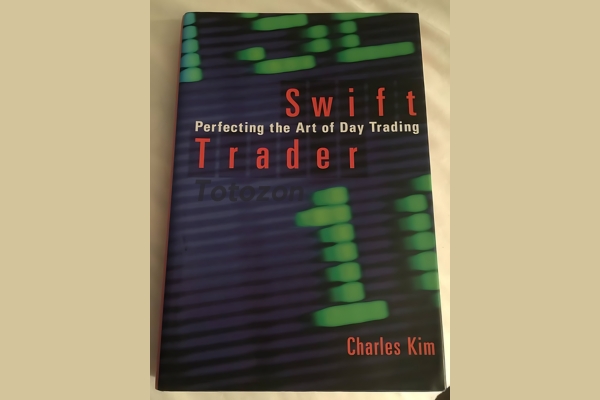 Swift Trader, Perfecting the Art of DayTrading with Charles Kim
1 × $6.00
Swift Trader, Perfecting the Art of DayTrading with Charles Kim
1 × $6.00 -
×
 All About Stock Market Strategies: The Easy Way To Get Started (All About Series) with David Brown
1 × $6.00
All About Stock Market Strategies: The Easy Way To Get Started (All About Series) with David Brown
1 × $6.00 -
×
 4×4 Course with Gregoire Dupont
1 × $6.00
4×4 Course with Gregoire Dupont
1 × $6.00 -
×
 Home Run Options Trading Course with Dave Aquino - Base Camp Trading
1 × $11.00
Home Run Options Trading Course with Dave Aquino - Base Camp Trading
1 × $11.00 -
×
 SPIKED COLLARS (Dynamic Hedging)
1 × $15.00
SPIKED COLLARS (Dynamic Hedging)
1 × $15.00 -
×
 Traders Workshop – Forex Full Course with Jason Stapleton
1 × $6.00
Traders Workshop – Forex Full Course with Jason Stapleton
1 × $6.00 -
×
 The Complete Guide to Multiple Time Frame Analysis & Reading Price Action with Aiman Almansoori
1 × $13.00
The Complete Guide to Multiple Time Frame Analysis & Reading Price Action with Aiman Almansoori
1 × $13.00 -
×
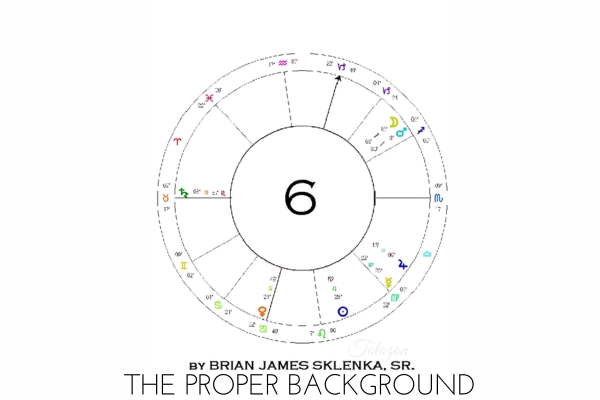 6 (The Proper BackGround)
1 × $6.00
6 (The Proper BackGround)
1 × $6.00 -
×
 How To Read The Market Professionally with TradeSmart
1 × $27.00
How To Read The Market Professionally with TradeSmart
1 × $27.00

Zulu Trading Method for the Soybeans with Joe Ross
$6.00
File Size: Coming soon!
Delivery Time: 1–12 hours
Media Type: Online Course
Content Proof: Watch Here!
You may check content proof of “Zulu Trading Method for the Soybeans with Joe Ross” below:

Zulu Trading Method for the Soybeans with Joe Ross
Trading soybeans can be a lucrative endeavor, especially when utilizing effective strategies like the Zulu Trading Method developed by Joe Ross. This method combines technical analysis and market psychology to identify profitable trading opportunities in the soybean market. Let’s explore how you can apply the Zulu Trading Method to enhance your soybean trading.
Introduction to Joe Ross
Who is Joe Ross?
Joe Ross is a seasoned trader and educator with decades of experience in the commodity markets. He is known for his practical trading strategies and clear teaching style, which have helped countless traders succeed.
Overview of the Zulu Trading Method
The Zulu Trading Method focuses on identifying market trends and making trades based on those trends. It uses specific technical indicators and patterns to pinpoint entry and exit points, ensuring that traders capitalize on significant price movements.
Understanding the Soybean Market
Importance of Soybeans in Global Trade
Soybeans are a critical commodity in global trade, used for producing oil, animal feed, and various food products. The demand for soybeans is influenced by factors such as weather conditions, geopolitical events, and changes in consumer preferences.
Factors Affecting Soybean Prices
Several factors can impact soybean prices, including:
- Weather Conditions: Adverse weather can reduce crop yields, driving up prices.
- Geopolitical Events: Trade agreements and tariffs can influence supply and demand.
- Market Sentiment: Investor sentiment and speculation can cause price fluctuations.
Key Components of the Zulu Trading Method
Technical Indicators
The Zulu Trading Method relies on several key technical indicators to analyze the soybean market:
Moving Averages
Moving averages help smooth out price data, making it easier to identify trends. The method typically uses a combination of short-term and long-term moving averages.
Relative Strength Index (RSI)
The RSI measures the speed and change of price movements, indicating whether a market is overbought or oversold. This can help traders make informed decisions about when to enter or exit a trade.
Market Patterns
Identifying specific market patterns is crucial in the Zulu Trading Method:
Trend Reversals
Recognizing when a trend is about to reverse can provide profitable trading opportunities. Look for signals such as price breakouts and divergences between price and indicators.
Continuation Patterns
Continuation patterns indicate that a trend is likely to continue. Examples include flags, pennants, and triangles.
Risk Management
Effective risk management is essential for successful trading. The Zulu Trading Method emphasizes the importance of:
Setting Stop-Loss Orders
Stop-loss orders help protect your capital by automatically closing a trade if the price moves against you. This minimizes potential losses and preserves your trading capital.
Position Sizing
Determining the appropriate size for each trade based on your account balance and risk tolerance is crucial. This ensures that no single trade can significantly impact your overall portfolio.
Applying the Zulu Trading Method
Step-by-Step Guide
To apply the Zulu Trading Method, follow these steps:
- Analyze the Market: Use technical indicators to assess the current market conditions and identify potential trends.
- Identify Entry Points: Look for signals such as moving average crossovers and RSI levels to determine the best times to enter a trade.
- Place Your Trades: Execute your trades based on the identified entry points, ensuring that you set appropriate stop-loss orders.
- Monitor the Market: Continuously monitor your trades and adjust your stop-loss orders as needed to lock in profits and minimize losses.
- Exit the Trade: Use technical indicators and market patterns to determine the best times to exit your trades.
Practical Tips for Success
- Stay Informed: Keep up-to-date with the latest market news and developments that could impact soybean prices.
- Practice Patience: Avoid making impulsive trades and wait for clear signals before entering or exiting the market.
- Maintain Discipline: Stick to your trading plan and risk management strategies to ensure consistent results.
Conclusion
The Zulu Trading Method, developed by Joe Ross, provides a comprehensive approach to trading soybeans. By combining technical analysis with market psychology, traders can identify profitable opportunities and manage their risks effectively. Whether you are a seasoned trader or just starting, applying the principles of the Zulu Trading Method can help you achieve success in the soybean market.
FAQs
1. What is the Zulu Trading Method?
- The Zulu Trading Method is a trading strategy developed by Joe Ross that focuses on identifying trends and making trades based on technical analysis and market patterns.
2. How do moving averages help in the Zulu Trading Method?
- Moving averages smooth out price data, making it easier to identify trends and potential entry and exit points for trades.
3. Why is risk management important in trading?
- Risk management is crucial to protect your capital and ensure that no single trade can significantly impact your overall portfolio.
4. What factors affect soybean prices?
- Soybean prices are influenced by weather conditions, geopolitical events, market sentiment, and other factors.
5. Can beginners use the Zulu Trading Method?
- Yes, the Zulu Trading Method is designed to be accessible to traders of all experience levels, providing clear guidelines for analyzing the market and making trades.
Be the first to review “Zulu Trading Method for the Soybeans with Joe Ross”
You must be logged in to post a review.
Related products
Forex Trading
Original price was: $2,995.00.$31.00Current price is: $31.00.

Forex Trading
Original price was: $799.00.$15.00Current price is: $15.00.

Forex Trading
Original price was: $1,898.00.$10.00Current price is: $10.00.
Original price was: $649.00.$20.00Current price is: $20.00.
Forex Trading
Original price was: $4,997.00.$27.00Current price is: $27.00.
Forex Trading
Original price was: $239.00.$8.00Current price is: $8.00.

Original price was: $700.00.$39.00Current price is: $39.00.

Original price was: $310.00.$23.00Current price is: $23.00.

Forex Trading
Original price was: $125.00.$17.00Current price is: $17.00.

Original price was: $799.00.$15.00Current price is: $15.00.
Forex Trading
Original price was: $850.00.$23.00Current price is: $23.00.

Original price was: $695.00.$41.00Current price is: $41.00.
Original price was: $997.00.$8.00Current price is: $8.00.
Original price was: $895.00.$15.00Current price is: $15.00.

Original price was: $1,800.00.$54.00Current price is: $54.00.
Forex Trading
Original price was: $2,997.00.$23.00Current price is: $23.00.
Original price was: $299.00.$8.00Current price is: $8.00.

Forex Trading
Original price was: $999.00.$15.00Current price is: $15.00.

Original price was: $4,995.00.$15.00Current price is: $15.00.
Original price was: $1,200.00.$23.00Current price is: $23.00.

Reviews
There are no reviews yet.