
-
×
 JimDandy’s Mql4 Courses - All Lessons
1 × $6.00
JimDandy’s Mql4 Courses - All Lessons
1 × $6.00 -
×
 Forex Trading: Comprehensive & Concise Forex Trading Course with Luciano Kelly & Learn Forex Mentor
1 × $6.00
Forex Trading: Comprehensive & Concise Forex Trading Course with Luciano Kelly & Learn Forex Mentor
1 × $6.00 -
×
 Trading Psychology with Barry Burns
1 × $4.00
Trading Psychology with Barry Burns
1 × $4.00 -
×
 Ultimate Trading Systems 2.0 with David Jenyns
1 × $6.00
Ultimate Trading Systems 2.0 with David Jenyns
1 × $6.00 -
×
 The Option Trader Handbook. Strategies and Trade Adjustments with George Jabbour
1 × $6.00
The Option Trader Handbook. Strategies and Trade Adjustments with George Jabbour
1 × $6.00 -
×
 Trade Like a Bookie
1 × $6.00
Trade Like a Bookie
1 × $6.00 -
×
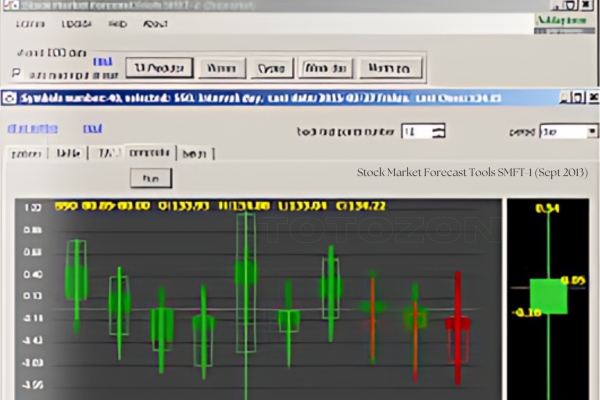 Stock Market Forecast Tools SMFT-1 (Sept 2013)
1 × $6.00
Stock Market Forecast Tools SMFT-1 (Sept 2013)
1 × $6.00 -
×
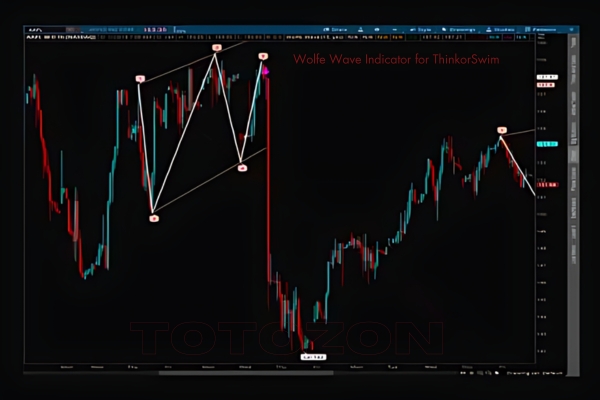 Wolfe Wave Indicator for ThinkorSwim
1 × $6.00
Wolfe Wave Indicator for ThinkorSwim
1 × $6.00 -
×
 Zm Capitals Full course + Ebook with Zain Mokhles - ZmCapitals
1 × $31.00
Zm Capitals Full course + Ebook with Zain Mokhles - ZmCapitals
1 × $31.00 -
×
 A Forex System For Catching Pips All Day Long with Forex Pip Fishing
1 × $4.00
A Forex System For Catching Pips All Day Long with Forex Pip Fishing
1 × $4.00 -
×
 The Mango Trade 2017
1 × $6.00
The Mango Trade 2017
1 × $6.00 -
×
 SQX Mentorship with Tip Toe Hippo
1 × $23.00
SQX Mentorship with Tip Toe Hippo
1 × $23.00 -
×
 BookMap Advanced v6.1
1 × $6.00
BookMap Advanced v6.1
1 × $6.00 -
×
 AI For Traders with Trading Markets
1 × $31.00
AI For Traders with Trading Markets
1 × $31.00 -
×
 Comfort Zone Investing: How to Tailor Your Portfolio for High Returns and Peace of Mind with Gillette Edmunds
1 × $6.00
Comfort Zone Investing: How to Tailor Your Portfolio for High Returns and Peace of Mind with Gillette Edmunds
1 × $6.00 -
×
 The Complete Penny Stock Course: Learn How To Generate Profits Consistently By Trading Penny Stocks With Jamil Ben Alluch
1 × $6.00
The Complete Penny Stock Course: Learn How To Generate Profits Consistently By Trading Penny Stocks With Jamil Ben Alluch
1 × $6.00 -
×
 Woodies Collection and AutoTrader 7.0.1.6
1 × $31.00
Woodies Collection and AutoTrader 7.0.1.6
1 × $31.00 -
×
 Fear Factor Breakout Trading System with Wbprofittrader
1 × $31.00
Fear Factor Breakout Trading System with Wbprofittrader
1 × $31.00 -
×
 War Room Technicals Vol 1 with Trick Traders
1 × $6.00
War Room Technicals Vol 1 with Trick Traders
1 × $6.00 -
×
 The Ed Ponsi Forex Playbook: Strategies and Trade Set-Ups with Ed Ponsi
1 × $6.00
The Ed Ponsi Forex Playbook: Strategies and Trade Set-Ups with Ed Ponsi
1 × $6.00 -
×
 The Econometrics of Macroeconomic Modelling with Gunnar Bardsen
1 × $6.00
The Econometrics of Macroeconomic Modelling with Gunnar Bardsen
1 × $6.00 -
×
 Winning on the Stock Market with Brian J.Millard
1 × $6.00
Winning on the Stock Market with Brian J.Millard
1 × $6.00 -
×
 Trading Indicators for the 21th Century
1 × $15.00
Trading Indicators for the 21th Century
1 × $15.00 -
×
 Ninja Order Flow Trader (NOFT)
1 × $39.00
Ninja Order Flow Trader (NOFT)
1 × $39.00 -
×
 Trading Price Action Reversals (Kindle) with Al Brooks
1 × $6.00
Trading Price Action Reversals (Kindle) with Al Brooks
1 × $6.00 -
×
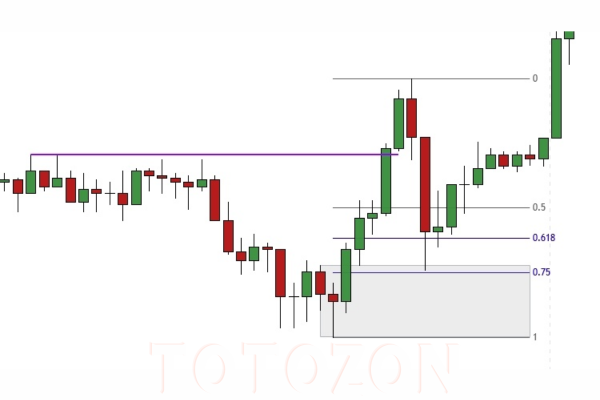 Trading with Fibonacci and Market Structure - Price Action Volume Trader
1 × $23.00
Trading with Fibonacci and Market Structure - Price Action Volume Trader
1 × $23.00 -
×
 Illuminati Trader
1 × $31.00
Illuminati Trader
1 × $31.00 -
×
 Elliott Wave DNA with Nicola Delic
1 × $31.00
Elliott Wave DNA with Nicola Delic
1 × $31.00 -
×
 Momentum Options Trading Course with Eric Jellerson
1 × $272.00
Momentum Options Trading Course with Eric Jellerson
1 × $272.00 -
×
 Catching Trend Reversals
1 × $6.00
Catching Trend Reversals
1 × $6.00 -
×
 Trading Floor Training
1 × $6.00
Trading Floor Training
1 × $6.00 -
×
 The A14 Weekly Option Strategy Workshop with Amy Meissner
1 × $23.00
The A14 Weekly Option Strategy Workshop with Amy Meissner
1 × $23.00 -
×
 The In-N-Out Butterfly
1 × $6.00
The In-N-Out Butterfly
1 × $6.00 -
×
 Harmonic Multi-Patterns with Scan Watchlist for Thinkorswim and Mobile
1 × $6.00
Harmonic Multi-Patterns with Scan Watchlist for Thinkorswim and Mobile
1 × $6.00 -
×
 TRADER SMILE MANAGEMENT TRAINING COURSE
1 × $31.00
TRADER SMILE MANAGEMENT TRAINING COURSE
1 × $31.00 -
×
 Astro FX 2.0
1 × $6.00
Astro FX 2.0
1 × $6.00 -
×
 Active Trader Program (Smarter Starter Pack + the Number One Trading Plan)
1 × $15.00
Active Trader Program (Smarter Starter Pack + the Number One Trading Plan)
1 × $15.00 -
×
 Ultimate Candlestick Bootcamp & B2 Reversal Indicator & Scanner with Steady Trader Secrets
1 × $23.00
Ultimate Candlestick Bootcamp & B2 Reversal Indicator & Scanner with Steady Trader Secrets
1 × $23.00 -
×
 The Six Sigma Handbook with Thomas Pyzdek
1 × $6.00
The Six Sigma Handbook with Thomas Pyzdek
1 × $6.00 -
×
 Introduction to Stocks & Forex
1 × $15.00
Introduction to Stocks & Forex
1 × $15.00 -
×
 Tom Williams Final Mentorship Course
1 × $6.00
Tom Williams Final Mentorship Course
1 × $6.00 -
×
 The Active Investor Blueprint with Steve Nison - Candle Charts
1 × $23.00
The Active Investor Blueprint with Steve Nison - Candle Charts
1 × $23.00 -
×
 Basic Astrotech
1 × $6.00
Basic Astrotech
1 × $6.00 -
×
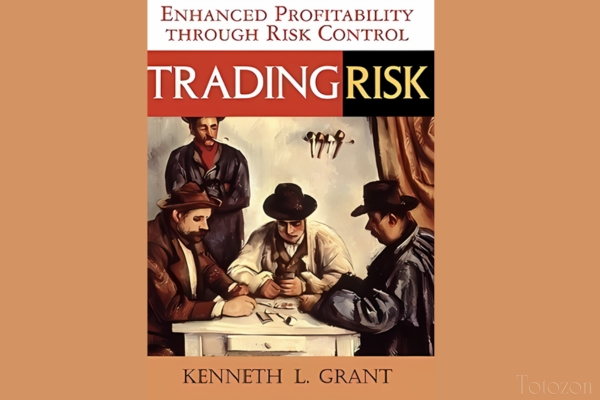 Trading Risk: Enhanced Profitability through Risk Control with Kenneth Grant
1 × $6.00
Trading Risk: Enhanced Profitability through Risk Control with Kenneth Grant
1 × $6.00 -
×
 FXCharger
1 × $23.00
FXCharger
1 × $23.00 -
×
 ART Trading - Fine Tuning Your Money Management Skills & Controlling Your Trade Risk
1 × $15.00
ART Trading - Fine Tuning Your Money Management Skills & Controlling Your Trade Risk
1 × $15.00 -
×
 Twelve Ways to Survive the Next Twelve Months with Adam Lass
1 × $6.00
Twelve Ways to Survive the Next Twelve Months with Adam Lass
1 × $6.00 -
×
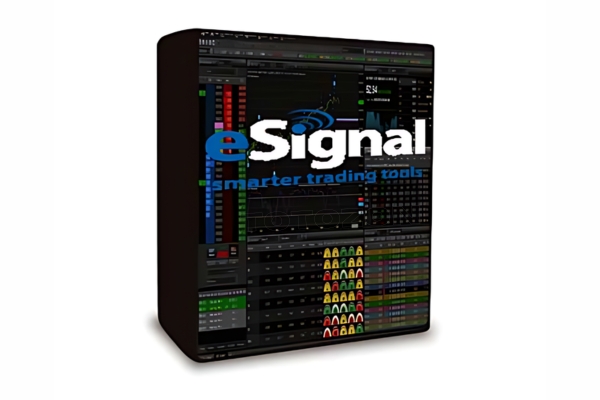 Teresa Lo's PowerTools for eSignal (Dec. 2006) (powerswings.com)
1 × $6.00
Teresa Lo's PowerTools for eSignal (Dec. 2006) (powerswings.com)
1 × $6.00 -
×
 Professional Training Program with OpenTrader
1 × $6.00
Professional Training Program with OpenTrader
1 × $6.00 -
×
 TTM Slingshot
1 × $6.00
TTM Slingshot
1 × $6.00 -
×
 Trend Hunter Strategy
1 × $5.00
Trend Hunter Strategy
1 × $5.00 -
×
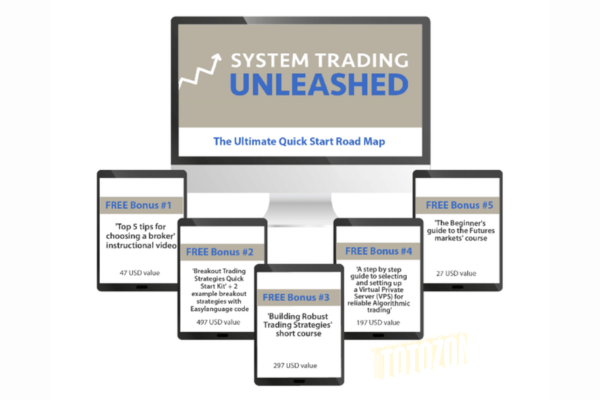 System Trading Unleashed with Better System Trader
1 × $5.00
System Trading Unleashed with Better System Trader
1 × $5.00 -
×
 Complete Book Set
1 × $8.00
Complete Book Set
1 × $8.00 -
×
 New Generation Market Profile (May 2014)
1 × $15.00
New Generation Market Profile (May 2014)
1 × $15.00 -
×
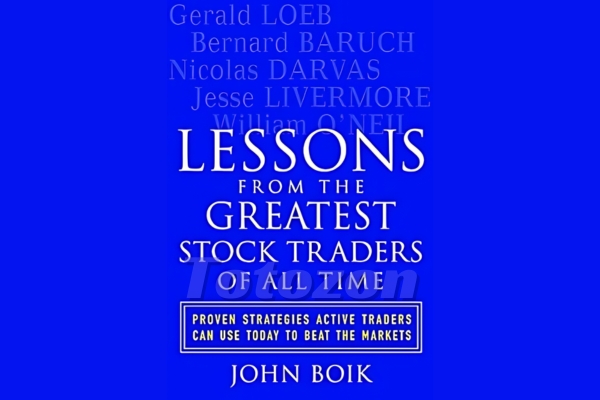 Lessons from the Greatest Stock Traders of all Time with John Boik
1 × $6.00
Lessons from the Greatest Stock Traders of all Time with John Boik
1 × $6.00 -
×
 Trend Trading Course
1 × $15.00
Trend Trading Course
1 × $15.00 -
×
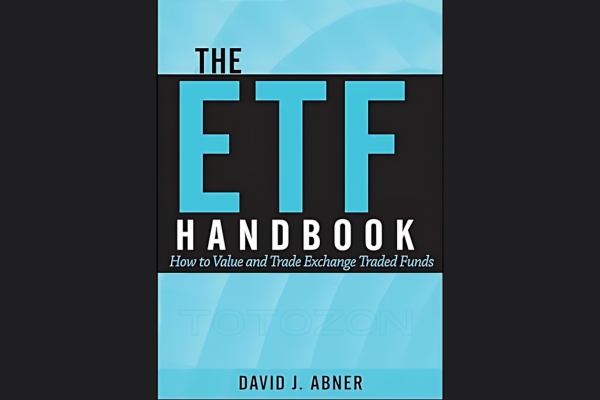 The ETF Handbook, + website: How to Value and Trade Exchange Traded Funds (1st Edition) with David Abner
1 × $6.00
The ETF Handbook, + website: How to Value and Trade Exchange Traded Funds (1st Edition) with David Abner
1 × $6.00 -
×
 Complete Set of Members Area Files
1 × $6.00
Complete Set of Members Area Files
1 × $6.00 -
×
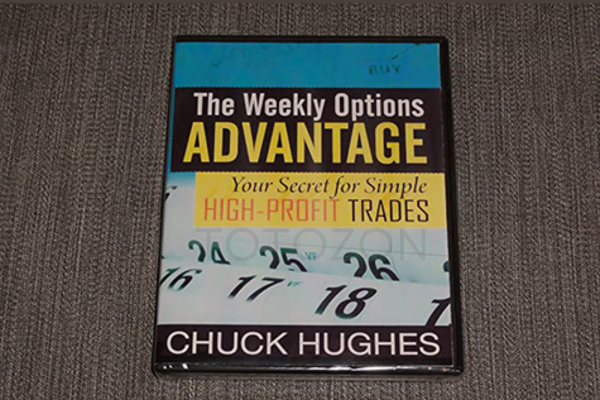 The Weekly Options Advantage with Chuck Hughes
1 × $6.00
The Weekly Options Advantage with Chuck Hughes
1 × $6.00 -
×
 Back to the Futures
1 × $31.00
Back to the Futures
1 × $31.00 -
×
 Vajex Trading Mentorship Program
1 × $13.00
Vajex Trading Mentorship Program
1 × $13.00 -
×
 Winter 2016 Ignite Trading Conference (2016)
1 × $23.00
Winter 2016 Ignite Trading Conference (2016)
1 × $23.00 -
×
 Trading Psychology Mastery Course - Trading Composure
1 × $6.00
Trading Psychology Mastery Course - Trading Composure
1 × $6.00 -
×
 Advanced Price Action Techniques with Andrew Jeken
1 × $6.00
Advanced Price Action Techniques with Andrew Jeken
1 × $6.00 -
×
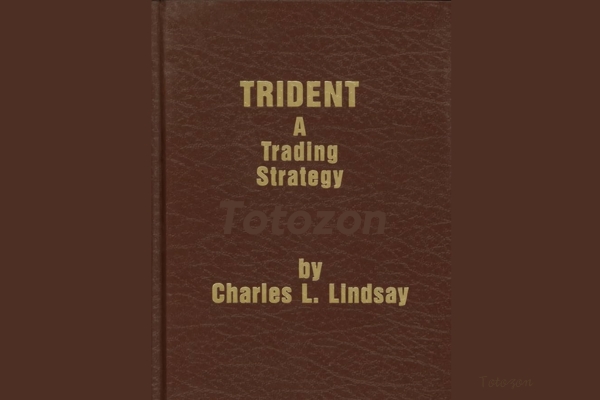 Trident. A Trading Strategy with Charles L.Lindsay
1 × $6.00
Trident. A Trading Strategy with Charles L.Lindsay
1 × $6.00 -
×
 High Probability Trading Using Elliott Wave And Fibonacci Analysis withVic Patel - Forex Training Group
1 × $10.00
High Probability Trading Using Elliott Wave And Fibonacci Analysis withVic Patel - Forex Training Group
1 × $10.00 -
×
 Crystal Ball Pack PLUS bonus Live Trade By Pat Mitchell - Trick Trades
1 × $20.00
Crystal Ball Pack PLUS bonus Live Trade By Pat Mitchell - Trick Trades
1 × $20.00
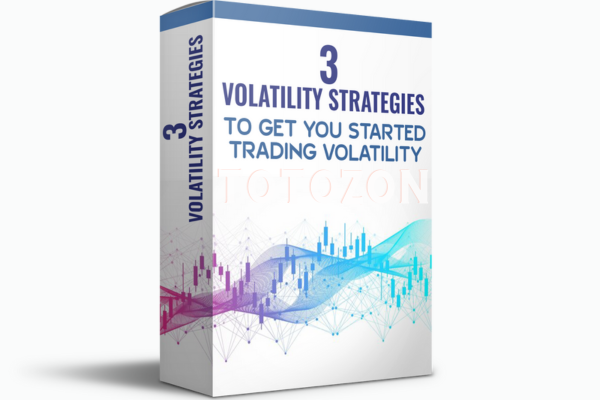
3 Volatility Strategies with Quantified Strategies
Original price was: $349.00.$23.00Current price is: $23.00.
File Size: 5.01 MB
Delivery Time: 1–12 hours
Media Type: Online Course
Content Proof: Watch Here!
You may check content proof of “3 Volatility Strategies with Quantified Strategies” below:
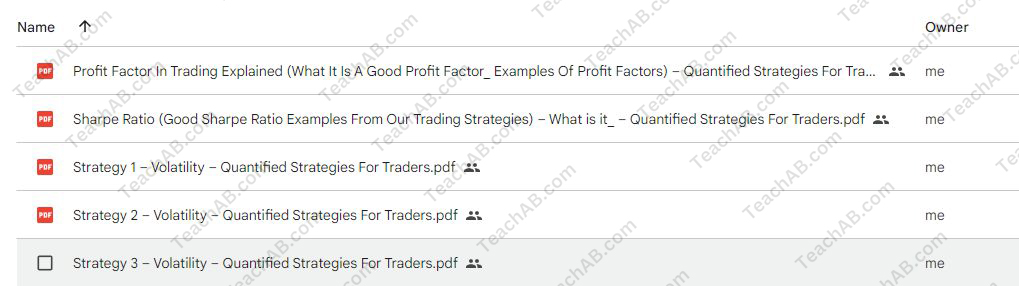
3 Volatility Strategies with Quantified Strategies
Introduction
In the dynamic world of trading, understanding and leveraging volatility can lead to significant gains. We explore three quantified strategies designed to help traders not just survive but thrive in volatile markets. Each strategy is backed by data-driven insights, providing a robust foundation for making informed trading decisions.
Understanding Market Volatility
Before diving into the strategies, it’s crucial to grasp what market volatility is and why it matters. Volatility refers to the rate at which the price of a security increases or decreases for a given set of returns. High volatility means that a security’s price can change dramatically over a short period in either direction, which can be both an opportunity and a risk.
Why Trade Volatility?
Trading volatility offers the potential for high returns, especially when markets are unpredictable. By mastering volatility trading strategies, we can capitalize on market inefficiencies.
Strategy 1: The Mean Reversion Setup
The mean reversion theory is based on the premise that prices and returns eventually move back towards the mean or average. This strategy is particularly effective in volatile markets.
How to Implement the Mean Reversion Strategy
- Identify Overextended Prices: Look for prices that have moved significantly away from their historical averages.
- Setup Entry and Exit Points: Use technical indicators to determine when to enter and exit trades.
- Risk Management: Set stop-loss orders to manage potential losses effectively.
Tools and Indicators
- Bollinger Bands
- Moving Average Convergence Divergence (MACD)
- Relative Strength Index (RSI)
Strategy 2: The Breakout Strategy
This strategy capitalizes on moments when the price breaks out from its existing range or pattern, often due to increased volatility.
Implementing the Breakout Strategy
- Identify Key Levels: Focus on levels of support and resistance.
- Wait for the Breakout: Enter the trade when the price moves beyond these levels.
- Follow Through: Ensure the breakout is supported by high volume, indicating strength.
Key Considerations
- False breakouts can occur, so it’s important to confirm breakouts with additional signals.
Strategy 3: The Momentum Ignition Strategy
Momentum ignition strategies aim to capitalize on the acceleration of an asset’s price movement in a particular direction.
Steps to Execute the Momentum Ignition Strategy
- Identify Momentum Build-Up: Look for signs that the price is about to make a big move.
- Entry Strategy: Enter the trade after confirming the momentum direction.
- Monitoring and Exit: Monitor the trade closely and exit at pre-defined profit targets.
Effective Tools for Momentum Trading
- Stochastic Oscillator
- Average Directional Index (ADI)
Integrating Advanced Technology
Leveraging advanced technology such as algorithmic trading can enhance the effectiveness of these strategies by increasing execution speed and minimizing errors.
Algorithmic Trading and Its Benefits
- Speed: Faster order execution.
- Precision: Accurate entry and exit points.
- Consistency: Reduces human emotional involvement.
Conclusion
Understanding and implementing these three volatility trading strategies can significantly enhance your trading performance. Whether it’s the mean reversion, the breakout strategy, or momentum ignition, each has its unique approach to capitalizing on market movements. With the right tools and a disciplined approach, these strategies offer a pathway to potential profitability in volatile markets.
FAQs
- What is market volatility? Market volatility refers to the fluctuation in the price of securities within a short period.
- Which volatility strategy is best for beginners? The mean reversion strategy is often recommended for beginners due to its straightforward approach.
- How important is risk management in volatility trading? Extremely important; it helps mitigate potential losses during unexpected market movements.
- Can these strategies be automated? Yes, all three strategies can be automated using algorithmic trading systems.
- How do I test these strategies without risking capital? Simulated trading or paper trading platforms allow for risk-free strategy testing.
Be the first to review “3 Volatility Strategies with Quantified Strategies”
You must be logged in to post a review.
Related products

Forex Trading
Quantamentals – The Next Great Forefront Of Trading and Investing with Trading Markets
Original price was: $1,495.00.$8.00Current price is: $8.00.

Original price was: $1,849.00.$15.00Current price is: $15.00.

Forex Trading
Original price was: $500.00.$5.00Current price is: $5.00.

Original price was: $997.00.$8.00Current price is: $8.00.

Original price was: $895.00.$15.00Current price is: $15.00.

Forex Trading
The Complete Guide to Multiple Time Frame Analysis & Reading Price Action with Aiman Almansoori
Original price was: $1,399.00.$13.00Current price is: $13.00.

Original price was: $999.00.$5.00Current price is: $5.00.

Forex Trading
Original price was: $799.00.$15.00Current price is: $15.00.

Original price was: $695.00.$41.00Current price is: $41.00.
Forex Trading
Original price was: $2,995.00.$31.00Current price is: $31.00.

Original price was: $1,800.00.$54.00Current price is: $54.00.

Forex Trading
Original price was: $125.00.$17.00Current price is: $17.00.

Forex Trading
Original price was: $999.00.$15.00Current price is: $15.00.

Forex Trading
Original price was: $397.00.$31.00Current price is: $31.00.

Original price was: $2,120.00.$15.00Current price is: $15.00.
Forex Trading
Original price was: $797.00.$10.00Current price is: $10.00.

Forex Trading
Original price was: $239.00.$8.00Current price is: $8.00.
Original price was: $310.00.$23.00Current price is: $23.00.

Original price was: $497.00.$31.00Current price is: $31.00.

Forex Trading
Original price was: $697.00.$5.00Current price is: $5.00.
Reviews
There are no reviews yet.