
-
×
 Professional Swing Trading College with Steven Primo
1 × $15.00
Professional Swing Trading College with Steven Primo
1 × $15.00 -
×
 Monthly Income with Short Strangles, Dan's Way - Dan Sheridan - Sheridan Options Mentoring
1 × $69.00
Monthly Income with Short Strangles, Dan's Way - Dan Sheridan - Sheridan Options Mentoring
1 × $69.00 -
×
 Trading Freak Academy (Full Course) with JP - Trading Freak
1 × $5.00
Trading Freak Academy (Full Course) with JP - Trading Freak
1 × $5.00 -
×
 How to Trade Better with Larry Williams
1 × $6.00
How to Trade Better with Larry Williams
1 × $6.00 -
×
 FOREX Master Blueprint 2010 - 1 DVD + Manual with Forexmentor Frank Paul
1 × $6.00
FOREX Master Blueprint 2010 - 1 DVD + Manual with Forexmentor Frank Paul
1 × $6.00 -
×
 TRADING NFX Course with Andrew NFX
1 × $5.00
TRADING NFX Course with Andrew NFX
1 × $5.00 -
×
 The Trading Vault with Anne-Marie Baiynd
1 × $54.00
The Trading Vault with Anne-Marie Baiynd
1 × $54.00 -
×
 How To Read The Market Professionally with TradeSmart
1 × $27.00
How To Read The Market Professionally with TradeSmart
1 × $27.00 -
×
 Guide to Winning with Automated Trading Systems with Jack Schwager
1 × $6.00
Guide to Winning with Automated Trading Systems with Jack Schwager
1 × $6.00 -
×
 Behavioral Trading with Woody Dorsey
1 × $6.00
Behavioral Trading with Woody Dorsey
1 × $6.00 -
×
 Crash or Correction - Top 5 Patterns Every Trader Must Master with Todd Gordon
1 × $6.00
Crash or Correction - Top 5 Patterns Every Trader Must Master with Todd Gordon
1 × $6.00 -
×
 Market Forecasting. Stocks and Grain
1 × $6.00
Market Forecasting. Stocks and Grain
1 × $6.00 -
×
 Technical Analysis 201: From Chart Setups to Trading Execution Methodology Class with Jeff Bierman
1 × $6.00
Technical Analysis 201: From Chart Setups to Trading Execution Methodology Class with Jeff Bierman
1 × $6.00 -
×
 F.A.M.E. Home Study Course with Doug Sutton
1 × $6.00
F.A.M.E. Home Study Course with Doug Sutton
1 × $6.00 -
×
 WITS Turbo Seminars with Brian James Sklenka
1 × $6.00
WITS Turbo Seminars with Brian James Sklenka
1 × $6.00 -
×
 Toni’s Market Club with Toni Turner
1 × $6.00
Toni’s Market Club with Toni Turner
1 × $6.00 -
×
 Selective Forex Trading with Don Snellgrove
1 × $6.00
Selective Forex Trading with Don Snellgrove
1 × $6.00 -
×
 3 Technical Indicators to Help You Ride the Elliott Wave Trend with Chris Carolan
1 × $6.00
3 Technical Indicators to Help You Ride the Elliott Wave Trend with Chris Carolan
1 × $6.00 -
×
 Practical Elliott Wave Trading Strategies with Robert Miner
1 × $6.00
Practical Elliott Wave Trading Strategies with Robert Miner
1 × $6.00 -
×
 TradeCraft: Your Path to Peak Performance Trading By Adam Grimes
1 × $15.00
TradeCraft: Your Path to Peak Performance Trading By Adam Grimes
1 × $15.00 -
×
 Master Class with Gerald Appel
1 × $6.00
Master Class with Gerald Appel
1 × $6.00 -
×
 Ultimate Trading Course with Dodgy's Dungeon
1 × $8.00
Ultimate Trading Course with Dodgy's Dungeon
1 × $8.00 -
×
 Commodity Trading Video Course with Bob Buran
1 × $6.00
Commodity Trading Video Course with Bob Buran
1 × $6.00 -
×
 Metastock Online Traders Summit
1 × $5.00
Metastock Online Traders Summit
1 × $5.00 -
×
 Edz Currency Trading Package with EDZ Trading Academy
1 × $5.00
Edz Currency Trading Package with EDZ Trading Academy
1 × $5.00 -
×
 A Mathematician Plays The Stock Market with John Allen Paulos
1 × $6.00
A Mathematician Plays The Stock Market with John Allen Paulos
1 × $6.00 -
×
 CMT Association Entire Webinars
1 × $31.00
CMT Association Entire Webinars
1 × $31.00 -
×
 The Futures Edge with Joshua Martinez
1 × $155.00
The Futures Edge with Joshua Martinez
1 × $155.00 -
×
 ICT Prodigy Trading Course – $650K in Payouts with Alex Solignani
1 × $15.00
ICT Prodigy Trading Course – $650K in Payouts with Alex Solignani
1 × $15.00
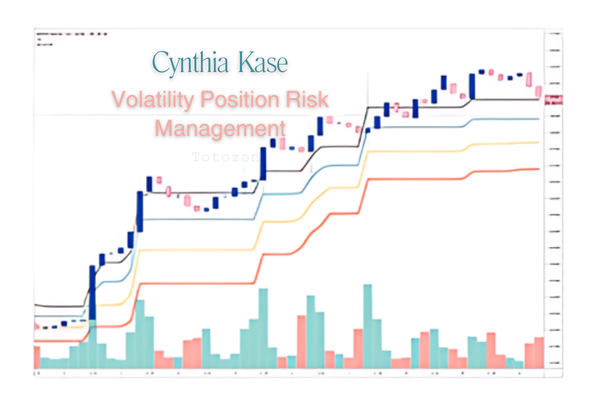
Volatility Position Risk Management with Cynthia Kase
$6.00
File Size: Coming soon!
Delivery Time: 1–12 hours
Media Type: Online Course
Content Proof: Watch Here!
You may check content proof of “Volatility Position Risk Management with Cynthia Kase” below:
Volatility Position Risk Management by Cynthia Kase
Navigating the volatile waters of financial markets requires robust risk management strategies. Cynthia Kase, a renowned expert in trading and technical analysis, has developed comprehensive approaches to volatility position risk management. This article delves into her methodologies, offering insights and actionable strategies for traders and investors to mitigate risks effectively.
Introduction
Who is Cynthia Kase?
Cynthia Kase is a highly respected trader and technical analyst known for her expertise in market volatility and risk management. Her innovative techniques and tools have been widely adopted by traders seeking to improve their market performance.
Why Focus on Volatility Position Risk Management?
Volatility can significantly impact trading outcomes. Proper risk management strategies are essential to protect investments and ensure long-term profitability, especially in unpredictable market conditions.
Understanding Market Volatility
What is Market Volatility?
Market volatility refers to the rate at which the price of a security increases or decreases for a given set of returns. High volatility means significant price movements, while low volatility indicates stable prices.
Types of Volatility
Historical Volatility
Historical volatility measures past market fluctuations over a specific period. It provides insights into how much the price of a security has varied historically.
Implied Volatility
Implied volatility is derived from the market price of a financial instrument, reflecting the market’s expectations of future volatility.
Key Concepts in Volatility Risk Management
Risk Assessment
Volatility Indexes
Indexes like the VIX (Volatility Index) provide a measure of market risk and investor sentiment, helping traders gauge market conditions.
Standard Deviation
Standard deviation quantifies the amount of variation in a set of data points, indicating the volatility of an asset.
Position Sizing
Why Position Sizing Matters
Position sizing involves determining the number of units to trade based on account size and risk tolerance. It helps manage potential losses and maintain portfolio stability.
Methods of Position Sizing
- Fixed Fractional Method: Risk a fixed percentage of your account on each trade.
- Volatility-Based Position Sizing: Adjust position size based on the asset’s volatility, trading smaller positions in more volatile markets.
Cynthia Kase’s Volatility Risk Management Strategies
Kase StatWare Indicators
Kase DevStops
Kase DevStops use standard deviations to set dynamic stop-loss levels, adjusting to market volatility and protecting against significant losses.
Kase PeakOscillator
This oscillator helps identify market turning points and gauge the strength of price movements, providing valuable insights for risk management.
Kase Permission Stochastic
How it Works
Kase Permission Stochastic filters out false signals in volatile markets, ensuring trades are only taken in favorable conditions.
Benefits
This tool helps maintain discipline by preventing trades during unfavorable market conditions, reducing the risk of losses.
Implementing Volatility Risk Management
Setting Stop-Loss and Take-Profit Levels
Dynamic Stop-Loss Orders
Use dynamic stop-loss orders that adjust based on market volatility, providing better protection against adverse price movements.
Take-Profit Strategies
Set take-profit levels based on realistic targets and market conditions, locking in profits while minimizing risk.
Diversification
Importance of Diversification
Diversification spreads risk across various assets, reducing the impact of volatility on the overall portfolio.
How to Diversify
Invest in a mix of asset classes, sectors, and geographies to balance risk and potential returns.
Hedging Strategies
Using Options
Options can hedge against potential losses in volatile markets, providing insurance for your positions.
Inverse ETFs
Inverse ETFs gain value when the underlying asset declines, offering protection during market downturns.
Monitoring and Adjusting Your Strategy
Regular Performance Reviews
Monthly and Quarterly Reviews
Conduct regular reviews of your trading performance to identify strengths and weaknesses, allowing for continuous improvement.
Adjusting Strategies
Adapt your risk management strategies based on market conditions and performance reviews to stay aligned with your financial goals.
Staying Informed
Market News and Analysis
Stay updated with market news and analysis to anticipate volatility and adjust your strategies accordingly.
Continuous Learning
Invest in ongoing education to enhance your understanding of volatility and risk management techniques.
Conclusion
Why Cynthia Kase’s Strategies Matter
Cynthia Kase’s volatility position risk management strategies offer a robust framework for navigating the complexities of the financial markets. By incorporating her tools and methodologies, traders can effectively manage risk, protect their investments, and achieve long-term success.
FAQs
1. What is market volatility?
Market volatility refers to the rate at which the price of a security increases or decreases, indicating the level of price fluctuations.
2. How does Cynthia Kase’s Kase StatWare help in risk management?
Kase StatWare includes indicators like Kase DevStops and Kase PeakOscillator, which provide dynamic stop-loss levels and identify market turning points, aiding in risk management.
3. Why is position sizing important in volatility risk management?
Position sizing helps manage potential losses and maintain portfolio stability by determining the number of units to trade based on account size and risk tolerance.
4. How can diversification reduce risk?
Diversification spreads risk across various assets, sectors, and geographies, reducing the impact of volatility on the overall portfolio.
5. What are dynamic stop-loss orders?
Dynamic stop-loss orders adjust based on market volatility, providing better protection against adverse price movements compared to static stop-loss orders.
Be the first to review “Volatility Position Risk Management with Cynthia Kase”
You must be logged in to post a review.
Related products

Original price was: $700.00.$39.00Current price is: $39.00.
Forex Trading
Original price was: $500.00.$5.00Current price is: $5.00.

Original price was: $999.00.$5.00Current price is: $5.00.
Original price was: $4,995.00.$15.00Current price is: $15.00.

Original price was: $197.00.$5.00Current price is: $5.00.

Forex Trading
Quantamentals – The Next Great Forefront Of Trading and Investing with Trading Markets
Original price was: $1,495.00.$8.00Current price is: $8.00.

Forex Trading
Original price was: $999.00.$15.00Current price is: $15.00.

Forex Trading
Original price was: $1,898.00.$10.00Current price is: $10.00.

Original price was: $695.00.$41.00Current price is: $41.00.

Original price was: $497.00.$11.00Current price is: $11.00.

Forex Trading
Original price was: $799.00.$15.00Current price is: $15.00.

Forex Trading
Original price was: $397.00.$31.00Current price is: $31.00.

Original price was: $895.00.$15.00Current price is: $15.00.

Original price was: $997.00.$8.00Current price is: $8.00.

Forex Trading
The Complete Guide to Multiple Time Frame Analysis & Reading Price Action with Aiman Almansoori
Original price was: $1,399.00.$13.00Current price is: $13.00.

Forex Trading
Original price was: $2,997.00.$23.00Current price is: $23.00.

Forex Trading
Original price was: $850.00.$23.00Current price is: $23.00.

Forex Trading
Original price was: $2,995.00.$31.00Current price is: $31.00.

Original price was: $997.00.$13.00Current price is: $13.00.

Forex Trading
Original price was: $249.00.$15.00Current price is: $15.00.
Reviews
There are no reviews yet.