
-
×
 SNR Trader Course with Ariff T
1 × $6.00
SNR Trader Course with Ariff T
1 × $6.00 -
×
 Crypto Trading Academy with Cheeky Investor - Aussie Day Trader
1 × $13.00
Crypto Trading Academy with Cheeky Investor - Aussie Day Trader
1 × $13.00 -
×
 The 30-Day Cash Flow Blueprint with Andy Tanner
1 × $31.00
The 30-Day Cash Flow Blueprint with Andy Tanner
1 × $31.00 -
×
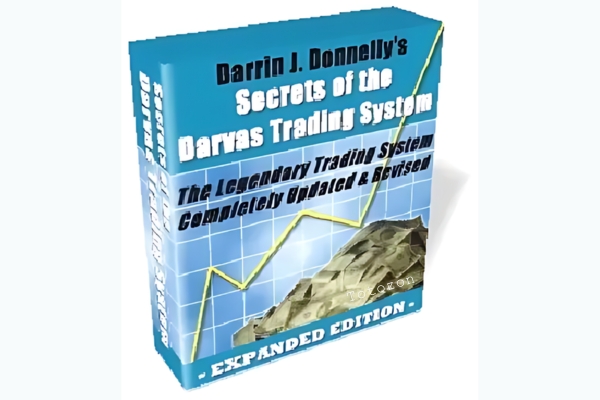 Secrets of the Darvas Trading System
1 × $6.00
Secrets of the Darvas Trading System
1 × $6.00 -
×
 Examination Morning Session – Essay (2003) with CFA Level 3
1 × $6.00
Examination Morning Session – Essay (2003) with CFA Level 3
1 × $6.00 -
×
 W. D Gann 's Square Of 9 Applied To Modern Markets with Sean Avidar - Hexatrade350
1 × $23.00
W. D Gann 's Square Of 9 Applied To Modern Markets with Sean Avidar - Hexatrade350
1 × $23.00 -
×
 Startup Trading Masterclass with Jack Gleason
1 × $93.00
Startup Trading Masterclass with Jack Gleason
1 × $93.00 -
×
 European Members - March 2023 with Stockbee
1 × $5.00
European Members - March 2023 with Stockbee
1 × $5.00 -
×
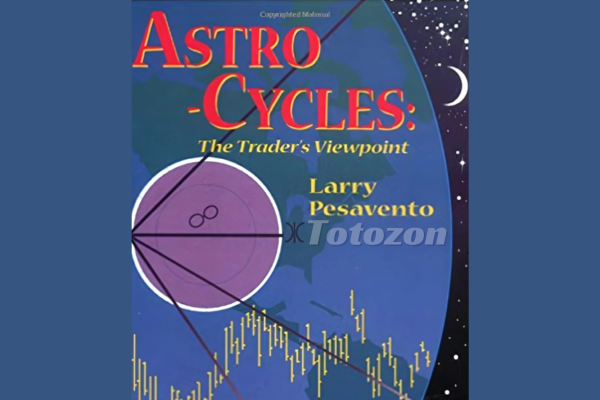 Astro Cycles with Larry Pesavento
1 × $6.00
Astro Cycles with Larry Pesavento
1 × $6.00 -
×
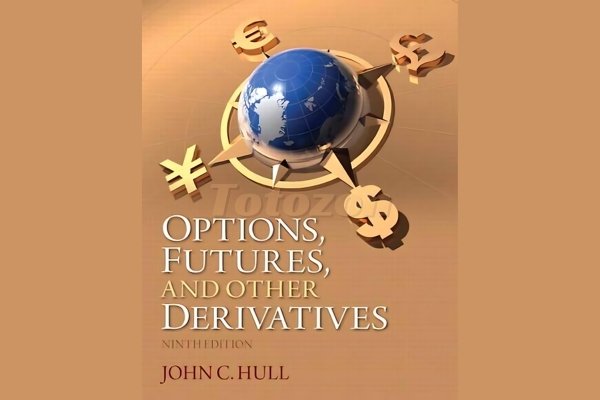 Option, Futures and Other Derivates 9th Edition
1 × $6.00
Option, Futures and Other Derivates 9th Edition
1 × $6.00 -
×
 Home Run Options Trading Course with Dave Aquino - Base Camp Trading
1 × $11.00
Home Run Options Trading Course with Dave Aquino - Base Camp Trading
1 × $11.00 -
×
 How to Spot a Trade Before it Happens (marketsmastered.com) with Markets Mastered
1 × $6.00
How to Spot a Trade Before it Happens (marketsmastered.com) with Markets Mastered
1 × $6.00 -
×
 Options Trading & Ultimate MasterClass With Tyrone Abela - FX Evolution
1 × $54.00
Options Trading & Ultimate MasterClass With Tyrone Abela - FX Evolution
1 × $54.00 -
×
 The Trading Blueprint with Brad Goh - The Trading Geek
1 × $5.00
The Trading Blueprint with Brad Goh - The Trading Geek
1 × $5.00 -
×
 The Naked Eye: Raw Data Analytics with Edgar Torres - Raw Data Analytics
1 × $8.00
The Naked Eye: Raw Data Analytics with Edgar Torres - Raw Data Analytics
1 × $8.00 -
×
 Gann Masters II with Hallikers Inc
1 × $6.00
Gann Masters II with Hallikers Inc
1 × $6.00 -
×
 Reality Based Trading with Matt Petrallia - Trading Equilibrium
1 × $17.00
Reality Based Trading with Matt Petrallia - Trading Equilibrium
1 × $17.00 -
×
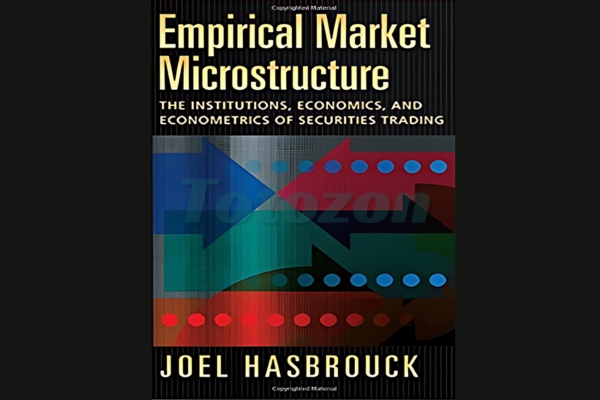 Empirical Market Microstructure
1 × $6.00
Empirical Market Microstructure
1 × $6.00 -
×
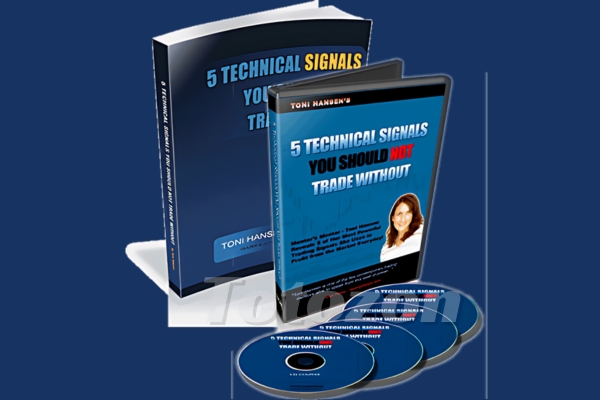 5 Technical Signals You Should Not Trade Without (4 CDs) with Toni Hansen
1 × $6.00
5 Technical Signals You Should Not Trade Without (4 CDs) with Toni Hansen
1 × $6.00 -
×
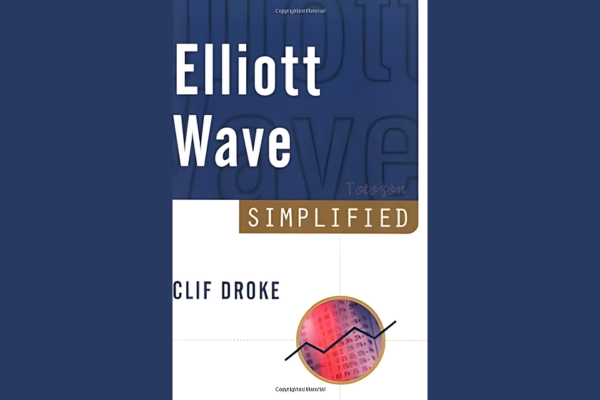 Elliott Wave Simplified with Clif Droke
1 × $6.00
Elliott Wave Simplified with Clif Droke
1 × $6.00 -
×
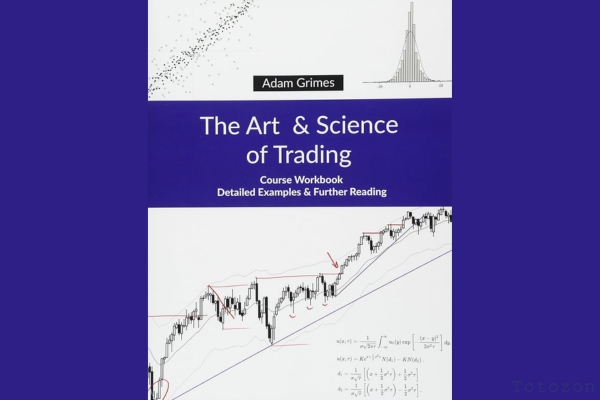 The Art And Science Of Trading with Adam Grimes
1 × $6.00
The Art And Science Of Trading with Adam Grimes
1 × $6.00 -
×
 Advanced Spread Trading with Guy Bower - MasterClass Trader
1 × $15.00
Advanced Spread Trading with Guy Bower - MasterClass Trader
1 × $15.00 -
×
 How to Invest in ETFs By The Investors Podcast
1 × $6.00
How to Invest in ETFs By The Investors Podcast
1 × $6.00 -
×
 Steidlmayer On Markets. A New Approach to Trading with J.Peter Steidlmayer
1 × $6.00
Steidlmayer On Markets. A New Approach to Trading with J.Peter Steidlmayer
1 × $6.00 -
×
 Option Hydra - Mar 2020 Edition - Basics with Rajandran R
1 × $23.00
Option Hydra - Mar 2020 Edition - Basics with Rajandran R
1 × $23.00 -
×
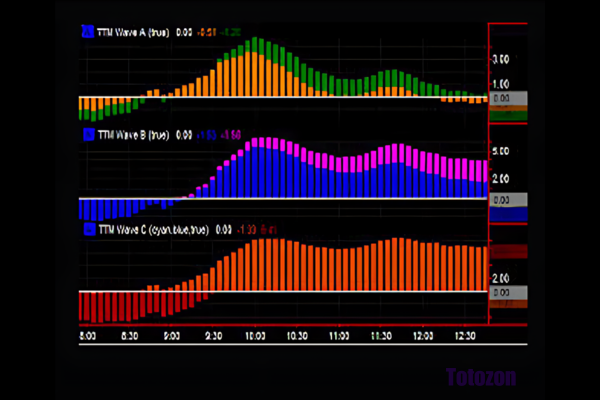 ABC Waves TOS Indicator & Live Class with Simpler Options
1 × $6.00
ABC Waves TOS Indicator & Live Class with Simpler Options
1 × $6.00 -
×
 CarterFX Membership with Duran Carter
1 × $23.00
CarterFX Membership with Duran Carter
1 × $23.00 -
×
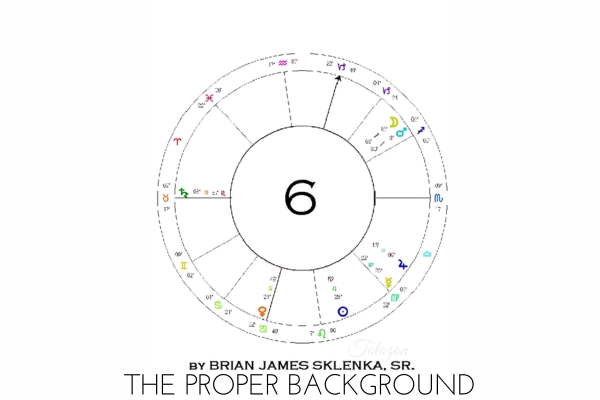 6 (The Proper BackGround)
1 × $6.00
6 (The Proper BackGround)
1 × $6.00 -
×
 Mastering Amibroker Formula Language
1 × $15.00
Mastering Amibroker Formula Language
1 × $15.00 -
×
 Perfect Publishing System Elite with Johnny Andrews
1 × $6.00
Perfect Publishing System Elite with Johnny Andrews
1 × $6.00 -
×
 Forecast 2012 Report with Larry Williams
1 × $6.00
Forecast 2012 Report with Larry Williams
1 × $6.00 -
×
 The Orderflow Masterclass with PrimeTrading
1 × $17.00
The Orderflow Masterclass with PrimeTrading
1 × $17.00 -
×
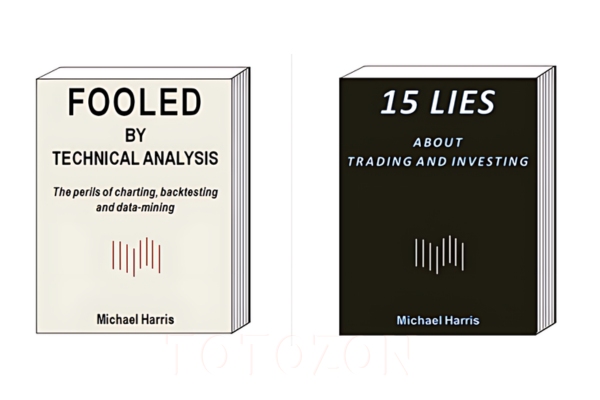 Trading Books with Michael Harris
1 × $6.00
Trading Books with Michael Harris
1 × $6.00 -
×
 Altucher’s Top 1% Advisory Newsletter 2016 with James Altucher
1 × $6.00
Altucher’s Top 1% Advisory Newsletter 2016 with James Altucher
1 × $6.00 -
×
 Options For Gold, Oil and Other Commodities
1 × $6.00
Options For Gold, Oil and Other Commodities
1 × $6.00 -
×
 Master Trader - Advander Management Strategies
1 × $39.00
Master Trader - Advander Management Strategies
1 × $39.00 -
×
 Game-Maker Forex Trading System
1 × $6.00
Game-Maker Forex Trading System
1 × $6.00 -
×
 Affinity Foundation Option Course with Affinitytrading
1 × $6.00
Affinity Foundation Option Course with Affinitytrading
1 × $6.00 -
×
 Best of the Best: Collars with Amy Meissner & Scott Ruble
1 × $15.00
Best of the Best: Collars with Amy Meissner & Scott Ruble
1 × $15.00
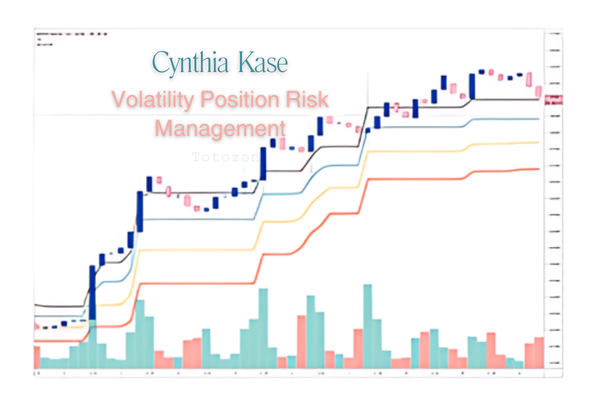
Volatility Position Risk Management with Cynthia Kase
$6.00
File Size: Coming soon!
Delivery Time: 1–12 hours
Media Type: Online Course
Content Proof: Watch Here!
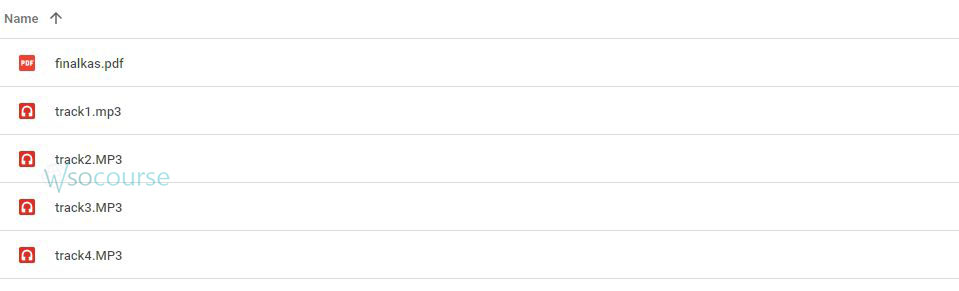
You may check content proof of “Volatility Position Risk Management with Cynthia Kase” below:
Volatility Position Risk Management by Cynthia Kase
Navigating the volatile waters of financial markets requires robust risk management strategies. Cynthia Kase, a renowned expert in trading and technical analysis, has developed comprehensive approaches to volatility position risk management. This article delves into her methodologies, offering insights and actionable strategies for traders and investors to mitigate risks effectively.
Introduction
Who is Cynthia Kase?
Cynthia Kase is a highly respected trader and technical analyst known for her expertise in market volatility and risk management. Her innovative techniques and tools have been widely adopted by traders seeking to improve their market performance.
Why Focus on Volatility Position Risk Management?
Volatility can significantly impact trading outcomes. Proper risk management strategies are essential to protect investments and ensure long-term profitability, especially in unpredictable market conditions.
Understanding Market Volatility
What is Market Volatility?
Market volatility refers to the rate at which the price of a security increases or decreases for a given set of returns. High volatility means significant price movements, while low volatility indicates stable prices.
Types of Volatility
Historical Volatility
Historical volatility measures past market fluctuations over a specific period. It provides insights into how much the price of a security has varied historically.
Implied Volatility
Implied volatility is derived from the market price of a financial instrument, reflecting the market’s expectations of future volatility.
Key Concepts in Volatility Risk Management
Risk Assessment
Volatility Indexes
Indexes like the VIX (Volatility Index) provide a measure of market risk and investor sentiment, helping traders gauge market conditions.
Standard Deviation
Standard deviation quantifies the amount of variation in a set of data points, indicating the volatility of an asset.
Position Sizing
Why Position Sizing Matters
Position sizing involves determining the number of units to trade based on account size and risk tolerance. It helps manage potential losses and maintain portfolio stability.
Methods of Position Sizing
- Fixed Fractional Method: Risk a fixed percentage of your account on each trade.
- Volatility-Based Position Sizing: Adjust position size based on the asset’s volatility, trading smaller positions in more volatile markets.
Cynthia Kase’s Volatility Risk Management Strategies
Kase StatWare Indicators
Kase DevStops
Kase DevStops use standard deviations to set dynamic stop-loss levels, adjusting to market volatility and protecting against significant losses.
Kase PeakOscillator
This oscillator helps identify market turning points and gauge the strength of price movements, providing valuable insights for risk management.
Kase Permission Stochastic
How it Works
Kase Permission Stochastic filters out false signals in volatile markets, ensuring trades are only taken in favorable conditions.
Benefits
This tool helps maintain discipline by preventing trades during unfavorable market conditions, reducing the risk of losses.
Implementing Volatility Risk Management
Setting Stop-Loss and Take-Profit Levels
Dynamic Stop-Loss Orders
Use dynamic stop-loss orders that adjust based on market volatility, providing better protection against adverse price movements.
Take-Profit Strategies
Set take-profit levels based on realistic targets and market conditions, locking in profits while minimizing risk.
Diversification
Importance of Diversification
Diversification spreads risk across various assets, reducing the impact of volatility on the overall portfolio.
How to Diversify
Invest in a mix of asset classes, sectors, and geographies to balance risk and potential returns.
Hedging Strategies
Using Options
Options can hedge against potential losses in volatile markets, providing insurance for your positions.
Inverse ETFs
Inverse ETFs gain value when the underlying asset declines, offering protection during market downturns.
Monitoring and Adjusting Your Strategy
Regular Performance Reviews
Monthly and Quarterly Reviews
Conduct regular reviews of your trading performance to identify strengths and weaknesses, allowing for continuous improvement.
Adjusting Strategies
Adapt your risk management strategies based on market conditions and performance reviews to stay aligned with your financial goals.
Staying Informed
Market News and Analysis
Stay updated with market news and analysis to anticipate volatility and adjust your strategies accordingly.
Continuous Learning
Invest in ongoing education to enhance your understanding of volatility and risk management techniques.
Conclusion
Why Cynthia Kase’s Strategies Matter
Cynthia Kase’s volatility position risk management strategies offer a robust framework for navigating the complexities of the financial markets. By incorporating her tools and methodologies, traders can effectively manage risk, protect their investments, and achieve long-term success.
FAQs
1. What is market volatility?
Market volatility refers to the rate at which the price of a security increases or decreases, indicating the level of price fluctuations.
2. How does Cynthia Kase’s Kase StatWare help in risk management?
Kase StatWare includes indicators like Kase DevStops and Kase PeakOscillator, which provide dynamic stop-loss levels and identify market turning points, aiding in risk management.
3. Why is position sizing important in volatility risk management?
Position sizing helps manage potential losses and maintain portfolio stability by determining the number of units to trade based on account size and risk tolerance.
4. How can diversification reduce risk?
Diversification spreads risk across various assets, sectors, and geographies, reducing the impact of volatility on the overall portfolio.
5. What are dynamic stop-loss orders?
Dynamic stop-loss orders adjust based on market volatility, providing better protection against adverse price movements compared to static stop-loss orders.
Be the first to review “Volatility Position Risk Management with Cynthia Kase”
You must be logged in to post a review.
Related products

Forex Trading
Original price was: $850.00.$23.00Current price is: $23.00.
Original price was: $497.00.$11.00Current price is: $11.00.
Original price was: $997.00.$8.00Current price is: $8.00.

Forex Trading
Original price was: $397.00.$31.00Current price is: $31.00.

Forex Trading
Original price was: $2,000.00.$23.00Current price is: $23.00.

Original price was: $450.00.$23.00Current price is: $23.00.
Original price was: $799.00.$15.00Current price is: $15.00.

Original price was: $649.00.$20.00Current price is: $20.00.

Original price was: $695.00.$41.00Current price is: $41.00.
Original price was: $895.00.$15.00Current price is: $15.00.

Original price was: $197.00.$5.00Current price is: $5.00.

Forex Trading
Original price was: $550.00.$5.00Current price is: $5.00.

Forex Trading
Original price was: $1,098.00.$39.00Current price is: $39.00.

Original price was: $310.00.$23.00Current price is: $23.00.

Original price was: $299.00.$8.00Current price is: $8.00.

Forex Trading
Quantamentals – The Next Great Forefront Of Trading and Investing with Trading Markets
Original price was: $1,495.00.$8.00Current price is: $8.00.

Forex Trading
Original price was: $999.00.$15.00Current price is: $15.00.
Original price was: $139.00.$23.00Current price is: $23.00.

Forex Trading
Original price was: $249.00.$15.00Current price is: $15.00.

Forex Trading
Original price was: $2,997.00.$23.00Current price is: $23.00.
Reviews
There are no reviews yet.