
-
×
 European Fixed Income Markets with Jonathan Batten
1 × $6.00
European Fixed Income Markets with Jonathan Batten
1 × $6.00 -
×
 Analysis Of Entry Signals (Technicals) with Joe Marwood
1 × $15.00
Analysis Of Entry Signals (Technicals) with Joe Marwood
1 × $15.00 -
×
 The Trading Blueprint with Brad Goh - The Trading Geek
1 × $5.00
The Trading Blueprint with Brad Goh - The Trading Geek
1 × $5.00 -
×
 Gann Simplified with Clif Droke
1 × $6.00
Gann Simplified with Clif Droke
1 × $6.00 -
×
 Crypto Trading Academy with Cheeky Investor - Aussie Day Trader
1 × $13.00
Crypto Trading Academy with Cheeky Investor - Aussie Day Trader
1 × $13.00 -
×
 FX Money Mentor Academy with KobenFX
1 × $6.00
FX Money Mentor Academy with KobenFX
1 × $6.00 -
×
 WondaFX Signature Strategy with WondaFX
1 × $5.00
WondaFX Signature Strategy with WondaFX
1 × $5.00 -
×
 Adaptation in Sports Training (1995) with Atko Viru
1 × $23.00
Adaptation in Sports Training (1995) with Atko Viru
1 × $23.00 -
×
 The Orderflows Trade Opportunities Encyclopedia with Michael Valtos
1 × $8.00
The Orderflows Trade Opportunities Encyclopedia with Michael Valtos
1 × $8.00 -
×
 Advanced Forex Patterns with Vic Noble & Darko Ali
1 × $39.00
Advanced Forex Patterns with Vic Noble & Darko Ali
1 × $39.00 -
×
 Forex Mastermind with FOREX4NOOBS
1 × $5.00
Forex Mastermind with FOREX4NOOBS
1 × $5.00 -
×
 The Ultimate Guide to the Stealth Forex System (stealthforexguide.com)
1 × $6.00
The Ultimate Guide to the Stealth Forex System (stealthforexguide.com)
1 × $6.00 -
×
 Wealthpress Jump Trade Package (Course Only, None-elert)
1 × $85.00
Wealthpress Jump Trade Package (Course Only, None-elert)
1 × $85.00 -
×
 Scalp Strategy and Flipping Small Accounts with Opes Trading Group
1 × $5.00
Scalp Strategy and Flipping Small Accounts with Opes Trading Group
1 × $5.00 -
×
 GLOBAL MACRO PRO TRADING COURSE
1 × $31.00
GLOBAL MACRO PRO TRADING COURSE
1 × $31.00 -
×
 Out of the Pits with Caitlin Zaloom
1 × $6.00
Out of the Pits with Caitlin Zaloom
1 × $6.00 -
×
 Advanced Options Trading with Lucas Downey
1 × $15.00
Advanced Options Trading with Lucas Downey
1 × $15.00 -
×
 The Bull Hunter with Dan Denning
1 × $6.00
The Bull Hunter with Dan Denning
1 × $6.00 -
×
 AbleTrend with John Wang & Grace Wang
1 × $6.00
AbleTrend with John Wang & Grace Wang
1 × $6.00 -
×
 Trading Masterclass POTM + PFTM + PTMI with Anton Kreil
1 × $6.00
Trading Masterclass POTM + PFTM + PTMI with Anton Kreil
1 × $6.00 -
×
 Best of the Best: Collars with Amy Meissner & Scott Ruble
1 × $15.00
Best of the Best: Collars with Amy Meissner & Scott Ruble
1 × $15.00 -
×
 High Probability Trading Using Elliott Wave And Fibonacci Analysis withVic Patel - Forex Training Group
1 × $10.00
High Probability Trading Using Elliott Wave And Fibonacci Analysis withVic Patel - Forex Training Group
1 × $10.00 -
×
 Investing in stocks: Avoid stock market loss
1 × $15.00
Investing in stocks: Avoid stock market loss
1 × $15.00 -
×
 How To Win 97% Of Your Options Trader with Jeff Tompkins
1 × $6.00
How To Win 97% Of Your Options Trader with Jeff Tompkins
1 × $6.00 -
×
 How to Overlay Technical Indicators with Keith Raphael
1 × $6.00
How to Overlay Technical Indicators with Keith Raphael
1 × $6.00 -
×
 Steve Nison Member Files
1 × $6.00
Steve Nison Member Files
1 × $6.00 -
×
 The Naked Eye: Raw Data Analytics with Edgar Torres - Raw Data Analytics
1 × $8.00
The Naked Eye: Raw Data Analytics with Edgar Torres - Raw Data Analytics
1 × $8.00 -
×
 The Indices Orderflow Masterclass with The Forex Scalpers
1 × $23.00
The Indices Orderflow Masterclass with The Forex Scalpers
1 × $23.00 -
×
 HOW TO TRADE GAPS
1 × $15.00
HOW TO TRADE GAPS
1 × $15.00 -
×
 FOUS4 with Cameron Fous
1 × $5.00
FOUS4 with Cameron Fous
1 × $5.00 -
×
 Forex Patterns and Probabilities: Trading Strategies for Trending and Range-Bound Markets with Ed Ponsi
1 × $6.00
Forex Patterns and Probabilities: Trading Strategies for Trending and Range-Bound Markets with Ed Ponsi
1 × $6.00 -
×
 Trading Short TermSame Day Trades Sep 2023 with Dan Sheridan & Mark Fenton - Sheridan Options Mentoring
1 × $31.00
Trading Short TermSame Day Trades Sep 2023 with Dan Sheridan & Mark Fenton - Sheridan Options Mentoring
1 × $31.00 -
×
 Introduction to Position Sizing Strategies with Van Tharp Institute
1 × $6.00
Introduction to Position Sizing Strategies with Van Tharp Institute
1 × $6.00 -
×
 AI For Traders with Trading Markets
1 × $31.00
AI For Traders with Trading Markets
1 × $31.00 -
×
 $20 – 52k 20 pips a day challange with Rafał Zuchowicz - TopMasterTrader
1 × $5.00
$20 – 52k 20 pips a day challange with Rafał Zuchowicz - TopMasterTrader
1 × $5.00 -
×
 Quantamentals - The Next Great Forefront Of Trading and Investing with Trading Markets
1 × $8.00
Quantamentals - The Next Great Forefront Of Trading and Investing with Trading Markets
1 × $8.00 -
×
 WickOrTreat Trading Course with WickOrTreat
1 × $6.00
WickOrTreat Trading Course with WickOrTreat
1 × $6.00 -
×
 Tradeguider - Wyckoff VSA eBook Collection
1 × $23.00
Tradeguider - Wyckoff VSA eBook Collection
1 × $23.00 -
×
 Home Run Options Trading Course with Dave Aquino - Base Camp Trading
1 × $11.00
Home Run Options Trading Course with Dave Aquino - Base Camp Trading
1 × $11.00 -
×
 0 DTE Options Trading Workshop with Aeromir Corporation
1 × $15.00
0 DTE Options Trading Workshop with Aeromir Corporation
1 × $15.00 -
×
 Order Flow Analysis
1 × $15.00
Order Flow Analysis
1 × $15.00 -
×
 POS+ Hindi 30 Days Subscription with Surjeetkakkar
1 × $62.00
POS+ Hindi 30 Days Subscription with Surjeetkakkar
1 × $62.00 -
×
 CrewFX Group Course Package with Language Of The Markets
1 × $6.00
CrewFX Group Course Package with Language Of The Markets
1 × $6.00 -
×
 Ichimokutrade - Elliot Wave 101
1 × $15.00
Ichimokutrade - Elliot Wave 101
1 × $15.00 -
×
 James Dalton Mind Over Markets Expanded Intensive Series 2018
1 × $6.00
James Dalton Mind Over Markets Expanded Intensive Series 2018
1 × $6.00 -
×
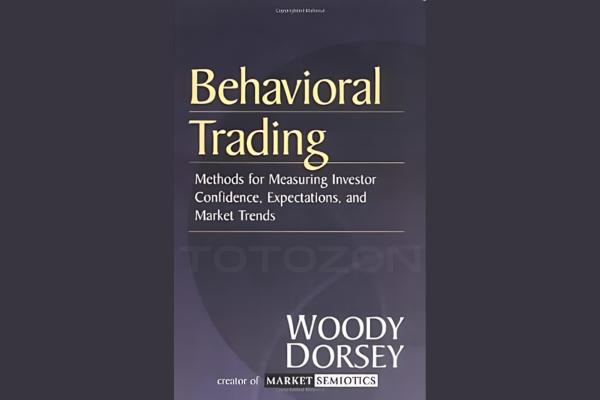 Behavioral Trading with Woody Dorsey
1 × $6.00
Behavioral Trading with Woody Dorsey
1 × $6.00 -
×
 If You Are So Smart Why Aren’t You Rich with Ben Branch
1 × $6.00
If You Are So Smart Why Aren’t You Rich with Ben Branch
1 × $6.00 -
×
 High Probability Patterns and Rule Based Trading with Jake Bernstein
1 × $6.00
High Probability Patterns and Rule Based Trading with Jake Bernstein
1 × $6.00 -
×
 Advance Courses for Members
1 × $15.00
Advance Courses for Members
1 × $15.00 -
×
 The Risk-Wise Investor: How to Better Understand and Manage Risk with Michael Carpenter
1 × $6.00
The Risk-Wise Investor: How to Better Understand and Manage Risk with Michael Carpenter
1 × $6.00 -
×
 Order flow self-study training program with iMFtracker
1 × $10.00
Order flow self-study training program with iMFtracker
1 × $10.00 -
×
 Zap Seminar - Ablesys
1 × $6.00
Zap Seminar - Ablesys
1 × $6.00 -
×
 Trading Economic Data System with CopperChips
1 × $6.00
Trading Economic Data System with CopperChips
1 × $6.00 -
×
 Code 1 with Oil Trading Academy
1 × $31.00
Code 1 with Oil Trading Academy
1 × $31.00 -
×
 Gann’s Scientific Methods Unveiled (Vol I, II)
1 × $6.00
Gann’s Scientific Methods Unveiled (Vol I, II)
1 × $6.00 -
×
 The Orderflow Masterclass with PrimeTrading
1 × $17.00
The Orderflow Masterclass with PrimeTrading
1 × $17.00 -
×
 5 Basic Elliott Wave Patterns + Technical Tools = Trading Success with Jeffrey Kennedy
1 × $15.00
5 Basic Elliott Wave Patterns + Technical Tools = Trading Success with Jeffrey Kennedy
1 × $15.00 -
×
 How to Predict and Prepare for a Stock Market Crash with Damon Verial
1 × $6.00
How to Predict and Prepare for a Stock Market Crash with Damon Verial
1 × $6.00 -
×
 Flipping Markets Video Course (2022)
1 × $5.00
Flipping Markets Video Course (2022)
1 × $5.00 -
×
 How Big Money Trades A Key Aspect of Systems Thinking - Van Tharp and Chuck Whitman – Van Tharp
1 × $46.00
How Big Money Trades A Key Aspect of Systems Thinking - Van Tharp and Chuck Whitman – Van Tharp
1 × $46.00 -
×
 W. D Gann 's Square Of 9 Applied To Modern Markets with Sean Avidar - Hexatrade350
1 × $23.00
W. D Gann 's Square Of 9 Applied To Modern Markets with Sean Avidar - Hexatrade350
1 × $23.00

Streetsmart Guide To Valuing a Stock (2nd Ed.) with Gary Gray
$6.00
File Size: Coming soon!
Delivery Time: 1–12 hours
Media Type: Online Course
Content Proof: Watch Here!
You may check content proof of “Streetsmart Guide To Valuing a Stock (2nd Ed.) with Gary Gray” below:

Streetsmart Guide To Valuing a Stock (2nd Ed.) with Gary Gray
Valuing a stock accurately is crucial for making informed investment decisions. The “Streetsmart Guide to Valuing a Stock (2nd Ed.)” by Gary Gray provides comprehensive strategies and methodologies to help investors determine the true worth of a stock. In this article, we’ll delve into the key concepts and techniques outlined in Gray’s guide, offering practical insights to enhance your stock valuation skills.
Introduction to Stock Valuation
Why Valuation Matters
Stock valuation is essential for identifying investment opportunities and making informed decisions. It helps investors understand whether a stock is overvalued, undervalued, or fairly priced.
Who is Gary Gray?
Gary Gray is a seasoned financial analyst and author with extensive experience in stock valuation. His expertise has helped many investors achieve their financial goals through strategic stock analysis.
Fundamental Concepts of Stock Valuation
1. Intrinsic Value
Definition
Intrinsic value refers to the actual worth of a stock based on its fundamentals, including earnings, dividends, and growth potential.
Importance
Understanding intrinsic value helps investors make decisions based on a stock’s true worth rather than market speculation.
2. Market Value
Definition
Market value is the current price at which a stock is trading on the market.
Comparison with Intrinsic Value
Comparing market value to intrinsic value helps determine whether a stock is overvalued, undervalued, or fairly priced.
Valuation Methods
1. Discounted Cash Flow (DCF) Analysis
Overview
DCF analysis estimates the value of a stock based on its expected future cash flows, discounted back to their present value.
Steps Involved
- Project Future Cash Flows
- Determine the Discount Rate
- Calculate Present Value
2. Price-to-Earnings (P/E) Ratio
Overview
The P/E ratio compares a company’s current share price to its per-share earnings.
Usage
A high P/E ratio may indicate that a stock is overvalued, while a low P/E ratio may suggest it is undervalued.
3. Price-to-Book (P/B) Ratio
Overview
The P/B ratio compares a stock’s market value to its book value.
Usage
A lower P/B ratio may indicate a stock is undervalued, while a higher ratio could suggest overvaluation.
4. Dividend Discount Model (DDM)
Overview
DDM values a stock based on the present value of its expected future dividends.
Steps Involved
- Estimate Future Dividends
- Determine the Discount Rate
- Calculate Present Value
Applying Valuation Techniques
Step-by-Step Guide
Step 1: Gather Financial Data
Collect relevant financial data, including earnings reports, cash flow statements, and balance sheets.
Step 2: Choose Appropriate Valuation Method
Select the valuation method that best suits the stock and industry.
Step 3: Perform Calculations
Perform the necessary calculations to determine the intrinsic value of the stock.
Step 4: Compare with Market Value
Compare the intrinsic value with the current market value to assess whether the stock is overvalued, undervalued, or fairly priced.
Practical Examples
Example 1: DCF Analysis
Scenario
Applying DCF analysis to a technology company with high growth potential.
Process
- Project future cash flows based on past performance and growth forecasts.
- Determine an appropriate discount rate.
- Calculate the present value of future cash flows.
Example 2: P/E Ratio
Scenario
Evaluating a consumer goods company using the P/E ratio.
Process
- Obtain the current share price and earnings per share (EPS).
- Calculate the P/E ratio and compare it to industry averages.
Common Mistakes in Stock Valuation
1. Over-Reliance on a Single Method
Issue
Relying solely on one valuation method can lead to inaccurate assessments.
Solution
Use multiple valuation methods to get a comprehensive view of a stock’s value.
2. Ignoring Market Conditions
Issue
Market conditions can significantly impact stock prices and valuation accuracy.
Solution
Consider current market trends and economic factors when performing valuations.
3. Inaccurate Financial Projections
Issue
Incorrect financial projections can skew valuation results.
Solution
Use conservative estimates and validate projections with historical data.
Advanced Valuation Techniques
1. Earnings Yield
Overview
Earnings yield compares a company’s earnings to its market value, providing an alternative to the P/E ratio.
2. Economic Value Added (EVA)
Overview
EVA measures a company’s financial performance based on residual wealth, calculated by deducting the cost of capital from operating profit.
Implementing Valuation in Your Investment Strategy
Building a Valuation Model
Software and Tools
Use financial software and tools to build detailed valuation models.
Regular Updates
Continuous Monitoring
Regularly update your valuation models with the latest financial data and market trends.
Conclusion
Valuing a stock accurately is a crucial skill for successful investing. The “Streetsmart Guide to Valuing a Stock (2nd Ed.)” by Gary Gray provides a thorough framework for understanding and applying various valuation methods. By mastering these techniques, you can make informed investment decisions and achieve your financial goals.
FAQs
1. What is the intrinsic value of a stock?
Intrinsic value is the actual worth of a stock based on its fundamentals, such as earnings, dividends, and growth potential.
2. How does the P/E ratio help in valuing a stock?
The P/E ratio compares a company’s current share price to its per-share earnings, helping determine if a stock is overvalued or undervalued.
3. What is the purpose of DCF analysis?
DCF analysis estimates the value of a stock based on its expected future cash flows, discounted back to their present value.
4. Why is diversification important in stock valuation?
Diversification helps manage risk by spreading investments across various asset classes, reducing the impact of poor-performing stocks.
5. How can I improve my stock valuation skills?
Continuous learning, using multiple valuation methods, and staying informed about market trends and economic factors can enhance your stock valuation skills.
Be the first to review “Streetsmart Guide To Valuing a Stock (2nd Ed.) with Gary Gray”
You must be logged in to post a review.
Related products

Original price was: $1,800.00.$54.00Current price is: $54.00.
Original price was: $197.00.$5.00Current price is: $5.00.

Original price was: $695.00.$41.00Current price is: $41.00.

Original price was: $4,995.00.$15.00Current price is: $15.00.

Original price was: $895.00.$15.00Current price is: $15.00.
Forex Trading
Original price was: $697.00.$5.00Current price is: $5.00.

Forex Trading
Original price was: $799.00.$15.00Current price is: $15.00.

Original price was: $649.00.$20.00Current price is: $20.00.

Original price was: $310.00.$23.00Current price is: $23.00.

Forex Trading
Original price was: $499.00.$15.00Current price is: $15.00.
Original price was: $999.00.$5.00Current price is: $5.00.
Original price was: $450.00.$23.00Current price is: $23.00.
Original price was: $299.00.$8.00Current price is: $8.00.
Forex Trading
Original price was: $1,898.00.$10.00Current price is: $10.00.
Forex Trading
Original price was: $999.00.$15.00Current price is: $15.00.
Forex Trading
Original price was: $125.00.$17.00Current price is: $17.00.

Forex Trading
Original price was: $500.00.$5.00Current price is: $5.00.

Forex Trading
Original price was: $2,997.00.$23.00Current price is: $23.00.

Original price was: $2,120.00.$15.00Current price is: $15.00.

Original price was: $1,849.00.$15.00Current price is: $15.00.

Reviews
There are no reviews yet.