
-
×
 Most Woke Trading Methods with Hunter FX
1 × $5.00
Most Woke Trading Methods with Hunter FX
1 × $5.00 -
×
 Baby Blue Trading Technique for the E-Minis with Dave Wright
1 × $6.00
Baby Blue Trading Technique for the E-Minis with Dave Wright
1 × $6.00 -
×
 Trading for a Bright Future with Martin Cole
1 × $6.00
Trading for a Bright Future with Martin Cole
1 × $6.00 -
×
 Cyber trading university - Pro Strategies for Trading Stocks or Options Workshop
1 × $15.00
Cyber trading university - Pro Strategies for Trading Stocks or Options Workshop
1 × $15.00 -
×
 Edges For Ledges 2 with Trader Dante
1 × $5.00
Edges For Ledges 2 with Trader Dante
1 × $5.00 -
×
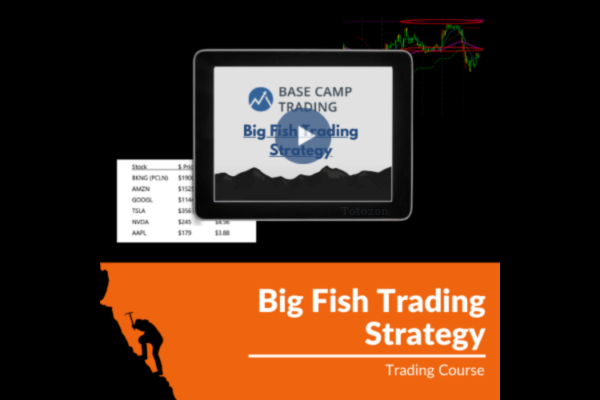 Big Fish Trading Strategy with Dave Aquino
1 × $6.00
Big Fish Trading Strategy with Dave Aquino
1 × $6.00 -
×
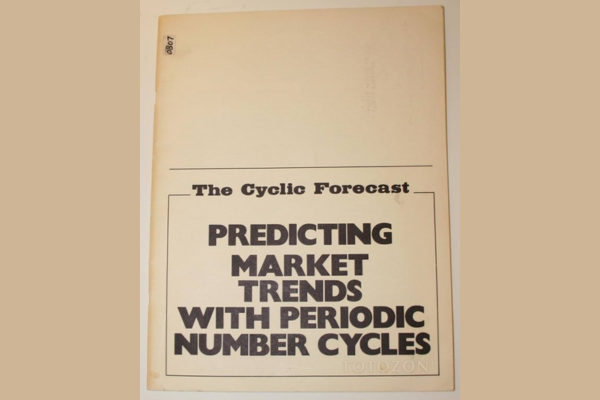 Predicting Market Trends with Periodic Number Cycle
1 × $6.00
Predicting Market Trends with Periodic Number Cycle
1 × $6.00 -
×
 Trading in the Bluff with John Templeton
1 × $6.00
Trading in the Bluff with John Templeton
1 × $6.00 -
×
 Best of the Best: Collars with Amy Meissner & Scott Ruble
1 × $15.00
Best of the Best: Collars with Amy Meissner & Scott Ruble
1 × $15.00 -
×
 Growth Traders Toolbox Course with Julian Komar
1 × $5.00
Growth Traders Toolbox Course with Julian Komar
1 × $5.00 -
×
 Point and Figure Mentorship Course
1 × $54.00
Point and Figure Mentorship Course
1 × $54.00 -
×
 Practical Introduction to Bollinger Bands 2013
1 × $6.00
Practical Introduction to Bollinger Bands 2013
1 × $6.00 -
×
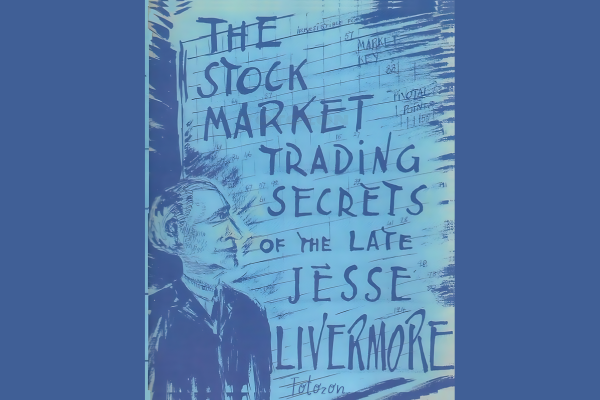 The Stock Market Trading Secrets of the Late (1940, scaned)
1 × $6.00
The Stock Market Trading Secrets of the Late (1940, scaned)
1 × $6.00 -
×
 Forex Xl Course (1.0+2.0+3.0)
1 × $10.00
Forex Xl Course (1.0+2.0+3.0)
1 × $10.00 -
×
 4 Day Trading Bootcamp
1 × $31.00
4 Day Trading Bootcamp
1 × $31.00 -
×
 0 DTE Options Trading Workshop with Aeromir Corporation
1 × $15.00
0 DTE Options Trading Workshop with Aeromir Corporation
1 × $15.00 -
×
 The A14 Weekly Option Strategy Workshop with Amy Meissner
1 × $23.00
The A14 Weekly Option Strategy Workshop with Amy Meissner
1 × $23.00 -
×
 Edges For Ledges with Trader Dante
1 × $4.00
Edges For Ledges with Trader Dante
1 × $4.00 -
×
 Overnight Profit Strategy PRO with Allison Ostrander
1 × $6.00
Overnight Profit Strategy PRO with Allison Ostrander
1 × $6.00 -
×
 Japenese Candlesticks Charting, Analysis & Trading with Irwin Porter
1 × $6.00
Japenese Candlesticks Charting, Analysis & Trading with Irwin Porter
1 × $6.00 -
×
 Alternative Assets and Strategic Allocation with John Abbink
1 × $6.00
Alternative Assets and Strategic Allocation with John Abbink
1 × $6.00 -
×
 Module 3 – Short Term Time Frame Trading In The Bund
1 × $6.00
Module 3 – Short Term Time Frame Trading In The Bund
1 × $6.00 -
×
 Forex Education Trading System (Video 469 MB)
1 × $23.00
Forex Education Trading System (Video 469 MB)
1 × $23.00 -
×
 Building Automated Trading Systems C++.NET with Benjamin Van Vliet
1 × $6.00
Building Automated Trading Systems C++.NET with Benjamin Van Vliet
1 × $6.00 -
×
 Contrarian Trading Class with Jeff Bierman
1 × $6.00
Contrarian Trading Class with Jeff Bierman
1 × $6.00 -
×
 Theo Trade - 128 Course Bundle
1 × $93.00
Theo Trade - 128 Course Bundle
1 × $93.00 -
×
![Robert Miner-Complete Price Tutorial Series [5 Videos (AVI)] img](https://www.totozon.com/wp-content/uploads/2024/05/Robert-Miner-Complete-Price-Tutorial-Series-5-Videos-AVI-img.png) Robert Miner-Complete Price Tutorial Series [5 Videos (AVI)]
1 × $6.00
Robert Miner-Complete Price Tutorial Series [5 Videos (AVI)]
1 × $6.00 -
×
 Forex Strategies Guide for Day and Swing Traders with Cory Mitchell - Vantage Point Trading
1 × $4.00
Forex Strategies Guide for Day and Swing Traders with Cory Mitchell - Vantage Point Trading
1 × $4.00 -
×
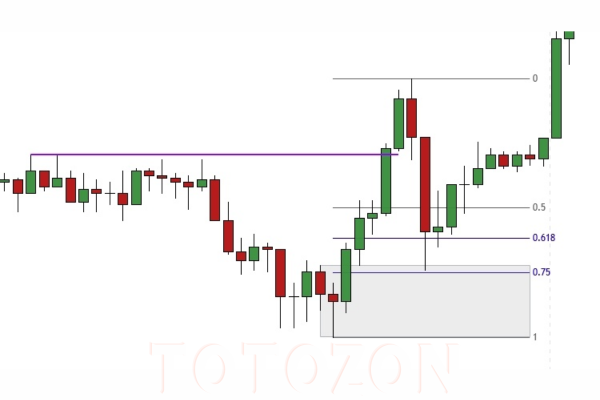 Trading with Fibonacci and Market Structure - Price Action Volume Trader
1 × $23.00
Trading with Fibonacci and Market Structure - Price Action Volume Trader
1 × $23.00 -
×
 Options Trading Course with Consistent Options Income
1 × $5.00
Options Trading Course with Consistent Options Income
1 × $5.00 -
×
 How To Successfully Trade The Haggerty Slim Jim Strategy for Explosive Gains with Kevin Haggerty
1 × $6.00
How To Successfully Trade The Haggerty Slim Jim Strategy for Explosive Gains with Kevin Haggerty
1 × $6.00 -
×
 White Phoenix’s The Smart (Money) Approach to Trading with Jayson Casper
1 × $39.00
White Phoenix’s The Smart (Money) Approach to Trading with Jayson Casper
1 × $39.00

Road Congestion Pricing in Europe: Implications for the United States with Harry Richardson & Chang-Hee Christine Bae
$6.00
File Size: Coming soon!
Delivery Time: 1–12 hours
Media Type: Online Course
Road Congestion Pricing in Europe: Implications for the United States with Harry Richardson & Chang-Hee Christine Bae
Introduction
In our bustling world, road congestion is a challenge that urban centers globally continue to face and tackle. Europe has been a pioneer in employing congestion pricing mechanisms to manage urban traffic and improve air quality. But what can the United States learn from these European models? Let’s delve into this topic with insights from experts Harry Richardson and Chang-Hee Christine Bae.
What is Congestion Pricing?
Definition and Purpose
Congestion pricing involves charging drivers a fee to use roadways during peak traffic times. The primary aim is to reduce road congestion, decrease greenhouse gas emissions, and fund public transportation improvements.
How It Works
- Time-Varying Fees: Higher charges during peak hours and lower or no charges at off-peak times.
- Automated Tolling: Utilizing technology to manage the system efficiently.
European Models of Congestion Pricing
Case Study: London
London introduced its congestion charge in 2003, leading to a significant reduction in traffic volumes and an improvement in air quality.
Case Study: Stockholm
Stockholm’s congestion pricing scheme has been successful in reducing traffic and increasing public transit usage since its permanent implementation in 2007.
Comparative Analysis: Europe vs. United States
Urban Structure Differences
European cities, often older and with more narrow streets, differ significantly from the sprawling urban areas common in the U.S.
Public Transport Availability
European cities generally have more robust public transport systems than many U.S. cities, supporting the effectiveness of congestion pricing.
Implications for the United States
Potential Benefits
- Reduced Traffic Congestion: Less congestion during peak times.
- Environmental Gains: Lower emissions from fewer idling vehicles.
- Economic Advantages: Revenue generation for city improvements.
Challenges to Implementation
- Public Resistance: Concerns about additional costs and privacy.
- Infrastructure Needs: Necessity for investment in public transportation.
Expert Insights: Harry Richardson & Chang-Hee Christine Bae
Harry Richardson and Chang-Hee Christine Bae discuss the nuanced application of European principles in the U.S. context, emphasizing the need for tailored approaches based on local conditions.
U.S. Cities Leading the Charge
New York City
Plans to implement congestion pricing in Manhattan as a measure to fund transit improvements and reduce traffic volumes.
San Francisco
Exploring dynamic pricing models to manage congestion on its busiest roads.
Future Outlook
Technological Innovations
Advancements in vehicle technology and traffic management systems could enhance the effectiveness of congestion pricing.
Policy Considerations
Need for comprehensive policy frameworks that address equity and accessibility, ensuring fair access to congested areas.
Conclusion
Congestion pricing in Europe offers valuable lessons for the United States as cities increasingly consider this tool to manage urban congestion. With expert guidance from figures like Harry Richardson and Chang-Hee Christine Bae, U.S. urban planners can adapt and refine European models to suit American contexts, paving the way for smarter, more sustainable cities.
FAQs
1. What is congestion pricing?
Congestion pricing involves charging drivers a fee to use busy roads during peak times to reduce traffic and pollution.
2. How successful has congestion pricing been in Europe?
Cities like London and Stockholm have seen reduced congestion and environmental improvements.
3. Could congestion pricing work in all U.S. cities?
The success depends on factors like urban layout and public transit availability.
4. What are the main barriers to implementing congestion pricing in the U.S.?
Challenges include public opposition, privacy concerns, and the need for infrastructure investment.
5. How could future technologies impact congestion pricing?
Emerging technologies could make these systems more efficient and widely acceptable.
Be the first to review “Road Congestion Pricing in Europe: Implications for the United States with Harry Richardson & Chang-Hee Christine Bae”
You must be logged in to post a review.
Related products
Original price was: $799.00.$15.00Current price is: $15.00.

Forex Trading
Original price was: $239.00.$8.00Current price is: $8.00.

Original price was: $1,849.00.$15.00Current price is: $15.00.

Forex Trading
Original price was: $125.00.$17.00Current price is: $17.00.
Forex Trading
Original price was: $999.00.$15.00Current price is: $15.00.

Forex Trading
Original price was: $799.00.$15.00Current price is: $15.00.

Forex Trading
Original price was: $697.00.$5.00Current price is: $5.00.
Original price was: $310.00.$23.00Current price is: $23.00.

Forex Trading
Quantamentals – The Next Great Forefront Of Trading and Investing with Trading Markets
Original price was: $1,495.00.$8.00Current price is: $8.00.

Original price was: $197.00.$5.00Current price is: $5.00.

Forex Trading
Original price was: $249.00.$15.00Current price is: $15.00.

Original price was: $695.00.$41.00Current price is: $41.00.

Forex Trading
Original price was: $550.00.$5.00Current price is: $5.00.

Forex Trading
Original price was: $850.00.$23.00Current price is: $23.00.

Forex Trading
Original price was: $397.00.$31.00Current price is: $31.00.

Original price was: $139.00.$23.00Current price is: $23.00.

Original price was: $4,995.00.$15.00Current price is: $15.00.

Original price was: $2,120.00.$15.00Current price is: $15.00.

Forex Trading
Original price was: $2,997.00.$23.00Current price is: $23.00.

Original price was: $999.00.$5.00Current price is: $5.00.

Reviews
There are no reviews yet.