
-
×
 Algo Trading Masterclass with Ali Casey - StatOasis
1 × $23.00
Algo Trading Masterclass with Ali Casey - StatOasis
1 × $23.00 -
×
 Advanced Bond Trading Course
1 × $62.00
Advanced Bond Trading Course
1 × $62.00 -
×
 Profit.ly - Bitcoin Basics
1 × $6.00
Profit.ly - Bitcoin Basics
1 × $6.00 -
×
 SQX Mentorship with Tip Toe Hippo
1 × $23.00
SQX Mentorship with Tip Toe Hippo
1 × $23.00 -
×
 The Dynamic Trading Master Course with Robert Miner
1 × $54.00
The Dynamic Trading Master Course with Robert Miner
1 × $54.00 -
×
 Butterfly and Condor Workshop with Aeromir
1 × $15.00
Butterfly and Condor Workshop with Aeromir
1 × $15.00 -
×
 Best of the Best: Collars with Amy Meissner & Scott Ruble
1 × $15.00
Best of the Best: Collars with Amy Meissner & Scott Ruble
1 × $15.00 -
×
 Arcane 2.0 Course
1 × $6.00
Arcane 2.0 Course
1 × $6.00 -
×
 Concerning The More Certain Fundamentals Of Astrology
1 × $6.00
Concerning The More Certain Fundamentals Of Astrology
1 × $6.00 -
×
 Mastermind Bootcamp + Core Concepts Mastery with DreamsFX
1 × $6.00
Mastermind Bootcamp + Core Concepts Mastery with DreamsFX
1 × $6.00 -
×
 Essentials in Quantitative Trading QT01 By HangukQuant's
1 × $23.00
Essentials in Quantitative Trading QT01 By HangukQuant's
1 × $23.00 -
×
 The Prop Trading Code with Brannigan Barrett - Axia Futures
1 × $23.00
The Prop Trading Code with Brannigan Barrett - Axia Futures
1 × $23.00 -
×
 Investment Leadership & Portfolio Management with Brian Singer
1 × $6.00
Investment Leadership & Portfolio Management with Brian Singer
1 × $6.00 -
×
 Day One Trader with John Sussex
1 × $6.00
Day One Trader with John Sussex
1 × $6.00 -
×
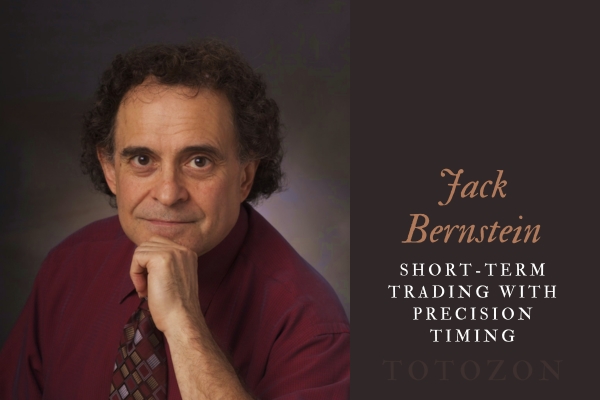 Short-Term Trading with Precision Timing - Jack Bernstein
1 × $6.00
Short-Term Trading with Precision Timing - Jack Bernstein
1 × $6.00 -
×
 Power Cycle Trading - Boot Camp for Swing Trading
1 × $6.00
Power Cycle Trading - Boot Camp for Swing Trading
1 × $6.00 -
×
 Fierce 10 On Demand Coaching Program with High Performance Trading
1 × $5.00
Fierce 10 On Demand Coaching Program with High Performance Trading
1 × $5.00 -
×
 Affinity Foundation Stocks Course with Affinitytrading
1 × $6.00
Affinity Foundation Stocks Course with Affinitytrading
1 × $6.00 -
×
 The 80% Solution S&P Systems with Bruce Babcock
1 × $6.00
The 80% Solution S&P Systems with Bruce Babcock
1 × $6.00 -
×
 Pattern- Price & Time. Using Gann Theory in Trading Systems (2nd Ed.)
1 × $6.00
Pattern- Price & Time. Using Gann Theory in Trading Systems (2nd Ed.)
1 × $6.00 -
×
 Advance Gap Trading with Master Trader
1 × $39.00
Advance Gap Trading with Master Trader
1 × $39.00 -
×
 WondaFX Signature Strategy with WondaFX
1 × $5.00
WondaFX Signature Strategy with WondaFX
1 × $5.00 -
×
 7 Day FX Mastery Course with Market Masters
1 × $6.00
7 Day FX Mastery Course with Market Masters
1 × $6.00 -
×
 The Best Option Trading Course with David Jaffee - Best Stock Strategy
1 × $15.00
The Best Option Trading Course with David Jaffee - Best Stock Strategy
1 × $15.00 -
×
 Universal Clock with Jeanne Long
1 × $6.00
Universal Clock with Jeanne Long
1 × $6.00 -
×
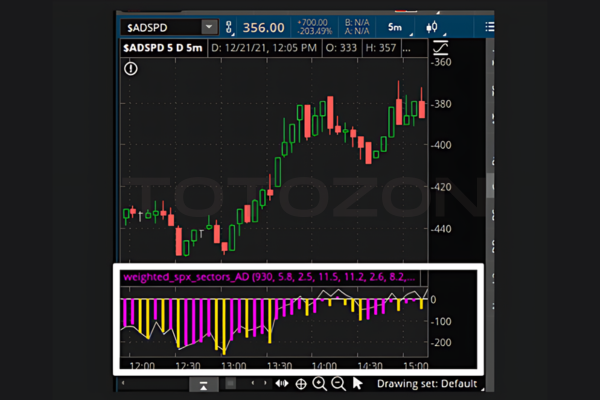 ShadowTrader Weighted S&P Advance Decline Line thinkScript with Peter Reznicek - ShadowTrader
1 × $23.00
ShadowTrader Weighted S&P Advance Decline Line thinkScript with Peter Reznicek - ShadowTrader
1 × $23.00 -
×
 How To Read The Market Professionally with TradeSmart
1 × $27.00
How To Read The Market Professionally with TradeSmart
1 × $27.00 -
×
 The Naked Eye: Raw Data Analytics with Edgar Torres - Raw Data Analytics
1 × $8.00
The Naked Eye: Raw Data Analytics with Edgar Torres - Raw Data Analytics
1 × $8.00 -
×
 Activedaytrader - Elite Earnings Pusuit
1 × $54.00
Activedaytrader - Elite Earnings Pusuit
1 × $54.00 -
×
 The New Trading For a Living with Alexander Elder
1 × $23.00
The New Trading For a Living with Alexander Elder
1 × $23.00 -
×
 Weekly Options Boot Camp with Price Headley
1 × $15.00
Weekly Options Boot Camp with Price Headley
1 × $15.00 -
×
 The Psychology of Investing with John Nofsinger
1 × $6.00
The Psychology of Investing with John Nofsinger
1 × $6.00 -
×
 ICT Prodigy Trading Course – $650K in Payouts with Alex Solignani
1 × $15.00
ICT Prodigy Trading Course – $650K in Payouts with Alex Solignani
1 × $15.00 -
×
 Handbook on the Knowledge Economy with David Rooney
1 × $6.00
Handbook on the Knowledge Economy with David Rooney
1 × $6.00 -
×
 Crypto Trading Academy with Cheeky Investor - Aussie Day Trader
1 × $13.00
Crypto Trading Academy with Cheeky Investor - Aussie Day Trader
1 × $13.00 -
×
 Advanced Trading Course with Edney Pinheiro
1 × $5.00
Advanced Trading Course with Edney Pinheiro
1 × $5.00 -
×
 The All Put Flat Butterfly with Dan Sheridan - Sheridan Options Mentoring
1 × $6.00
The All Put Flat Butterfly with Dan Sheridan - Sheridan Options Mentoring
1 × $6.00 -
×
 A Working Man's Forex Position Trading System 2010 with Alan Benefield
1 × $6.00
A Working Man's Forex Position Trading System 2010 with Alan Benefield
1 × $6.00 -
×
 SNR Trader Course with Ariff T
1 × $6.00
SNR Trader Course with Ariff T
1 × $6.00 -
×
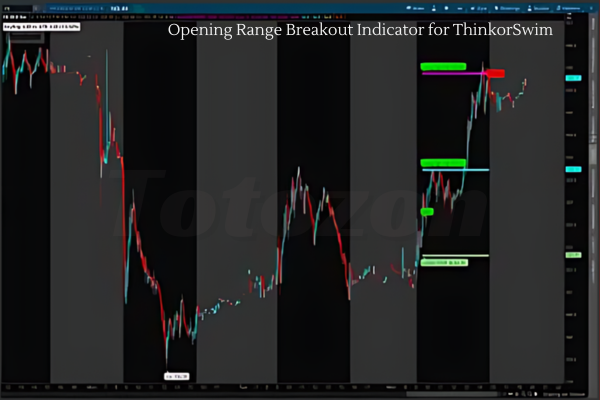 Opening Range Breakout Indicator for ThinkorSwim
1 × $6.00
Opening Range Breakout Indicator for ThinkorSwim
1 × $6.00 -
×
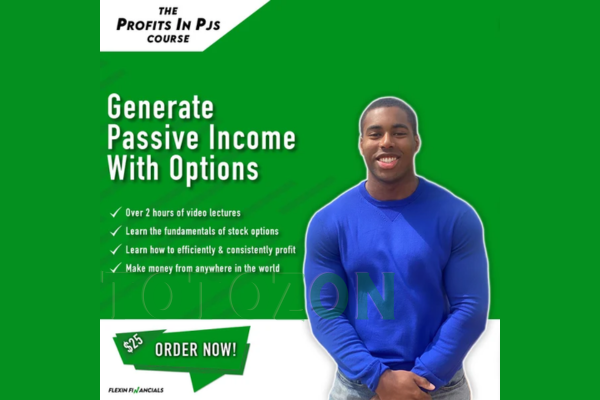 Profits In PJs - Profitably Selling Stock Options for Passive Income with Cam Tucker
1 × $6.00
Profits In PJs - Profitably Selling Stock Options for Passive Income with Cam Tucker
1 × $6.00 -
×
 SJG Trading - Butterflies Class with Steve Ganz
1 × $31.00
SJG Trading - Butterflies Class with Steve Ganz
1 × $31.00 -
×
 TradeCraft: Your Path to Peak Performance Trading By Adam Grimes
1 × $15.00
TradeCraft: Your Path to Peak Performance Trading By Adam Grimes
1 × $15.00 -
×
 TRADING NFX Course with Andrew NFX
1 × $5.00
TRADING NFX Course with Andrew NFX
1 × $5.00

The Triple Bottom Line
$6.00
File Size: Coming soon!
Delivery Time: 1–12 hours
Media Type: Online Course
The Triple Bottom Line
Introduction to the Triple Bottom Line
The Triple Bottom Line (TBL) is a transformative concept in business that broadens the focus beyond traditional financial metrics to include social and environmental impact. This holistic approach encourages companies to evaluate their performance based on three key dimensions: People, Planet, and Profit.
Understanding the Triple Bottom Line
The TBL framework is a sustainability-based accounting method that considers the full cost of doing business. Let’s break down each component.
People
The “People” aspect of TBL focuses on the social responsibility of a business. It involves considering the impact of company operations on all stakeholders, including employees, customers, suppliers, and the community.
Planet
The “Planet” dimension emphasizes environmental stewardship. Businesses assess their ecological footprint and strive to minimize negative impacts on the environment through sustainable practices.
Profit
While profit remains a crucial metric, within the TBL framework, it is considered alongside social and environmental responsibilities. This approach encourages sustainable economic growth.
The Origins of the Triple Bottom Line
The term “Triple Bottom Line” was coined by John Elkington in 1994. Elkington, a sustainability expert, proposed that businesses should prepare three different (and quite separate) bottom lines.
Historical Context
- 1990s: Growing awareness of corporate social responsibility.
- 2000s: Increasing adoption of sustainability practices in business.
Implementing the Triple Bottom Line
Adopting the TBL approach involves integrating it into the core strategy of a business. Here’s how companies can implement it effectively.
Set Clear Objectives
Define what you aim to achieve in each TBL dimension. For instance, reduce carbon emissions, enhance employee well-being, and maintain profitability.
Develop Sustainable Practices
Implement practices that support TBL goals, such as energy-efficient processes, fair labor policies, and community engagement initiatives.
Measure and Report Performance
Use metrics and reporting standards to evaluate and communicate your TBL performance. Tools like the Global Reporting Initiative (GRI) can help.
Benefits of the Triple Bottom Line
Embracing the TBL framework offers several benefits to businesses.
Enhanced Reputation
Companies that prioritize TBL often enjoy a better reputation, which can attract customers, investors, and talent.
Risk Management
Sustainable practices help mitigate risks associated with environmental regulations, social issues, and market fluctuations.
Long-Term Viability
By balancing profit with people and planet, businesses ensure long-term sustainability and resilience.
Challenges in Adopting the Triple Bottom Line
Despite its benefits, there are challenges to implementing the TBL approach.
Measurement Difficulties
Quantifying social and environmental impacts can be complex and subjective.
Balancing Priorities
Finding the right balance between economic, social, and environmental goals can be challenging.
Resource Allocation
Implementing TBL practices often requires significant time, effort, and financial investment.
Case Studies of Triple Bottom Line Success
Several companies have successfully adopted the TBL framework, showcasing its potential.
Patagonia
This outdoor apparel company is renowned for its commitment to environmental sustainability and social responsibility while maintaining profitability.
Unilever
Unilever’s Sustainable Living Plan integrates TBL principles, aiming to improve health and well-being, reduce environmental impact, and enhance livelihoods.
Strategies for Successful TBL Integration
For businesses looking to adopt the TBL framework, the following strategies can be helpful.
Engage Stakeholders
Involve employees, customers, suppliers, and the community in your sustainability initiatives.
Continuous Improvement
Regularly review and refine your TBL practices to adapt to changing conditions and improve performance.
Leadership Commitment
Ensure that top management is committed to TBL principles, as their support is crucial for successful implementation.
Future of the Triple Bottom Line
The future of TBL looks promising as more businesses recognize the importance of sustainability.
Increasing Adoption
Expect more companies to adopt TBL as stakeholders demand greater accountability and transparency.
Technological Advancements
Innovations in technology will provide new tools for measuring and enhancing TBL performance.
Regulatory Support
Governments and regulatory bodies are likely to introduce policies that encourage or mandate TBL practices.
Conclusion
The Triple Bottom Line offers a robust framework for businesses to achieve sustainable success. By balancing the needs of people, planet, and profit, companies can build a resilient and responsible enterprise that benefits all stakeholders.
Frequently Asked Questions:
1. What is the Triple Bottom Line?
The Triple Bottom Line is a sustainability framework that evaluates a business’s impact on people, planet, and profit.
2. Why is the Triple Bottom Line important?
It promotes a holistic approach to business, encouraging sustainable and responsible practices that benefit all stakeholders.
3. How can businesses implement the Triple Bottom Line?
Businesses can implement TBL by setting clear objectives, developing sustainable practices, and measuring and reporting their performance.
4. What are the challenges of adopting the Triple Bottom Line?
Challenges include measurement difficulties, balancing priorities, and resource allocation.
5. Can small businesses adopt the Triple Bottom Line?
Yes, small businesses can adopt TBL principles by integrating sustainable practices into their operations and engaging with their communities.
Be the first to review “The Triple Bottom Line”
You must be logged in to post a review.
Related products

Original price was: $695.00.$41.00Current price is: $41.00.

Original price was: $497.00.$11.00Current price is: $11.00.
Forex Trading
Original price was: $2,997.00.$23.00Current price is: $23.00.

Forex Trading
Original price was: $797.00.$10.00Current price is: $10.00.

Forex Trading
Original price was: $999.00.$15.00Current price is: $15.00.

Forex Trading
Original price was: $125.00.$17.00Current price is: $17.00.
Original price was: $2,120.00.$15.00Current price is: $15.00.

Forex Trading
The Complete Guide to Multiple Time Frame Analysis & Reading Price Action with Aiman Almansoori
Original price was: $1,399.00.$13.00Current price is: $13.00.
Forex Trading
Original price was: $500.00.$5.00Current price is: $5.00.

Forex Trading
Original price was: $1,898.00.$10.00Current price is: $10.00.
Original price was: $4,995.00.$15.00Current price is: $15.00.

Forex Trading
Original price was: $697.00.$5.00Current price is: $5.00.

Original price was: $700.00.$39.00Current price is: $39.00.
Original price was: $997.00.$8.00Current price is: $8.00.

Original price was: $450.00.$23.00Current price is: $23.00.

Original price was: $895.00.$15.00Current price is: $15.00.

Original price was: $310.00.$23.00Current price is: $23.00.
Original price was: $1,200.00.$23.00Current price is: $23.00.

Forex Trading
Original price was: $239.00.$8.00Current price is: $8.00.

Original price was: $1,800.00.$54.00Current price is: $54.00.
Reviews
There are no reviews yet.