
-
×
 The Practical Handbook of Genetic Algorithms with Lance Chambers
1 × $6.00
The Practical Handbook of Genetic Algorithms with Lance Chambers
1 × $6.00 -
×
 SPX All Put Flat ButterFly with Mark Fenton - Sheridan Options Mentoring
1 × $39.00
SPX All Put Flat ButterFly with Mark Fenton - Sheridan Options Mentoring
1 × $39.00 -
×
 eASCTrend Trading Manual (not including 6 trading methods) with Ablesys
1 × $6.00
eASCTrend Trading Manual (not including 6 trading methods) with Ablesys
1 × $6.00 -
×
 Computerized Trading. Maximizing Day Trading and Overnight Profits with Mark Jurik
1 × $6.00
Computerized Trading. Maximizing Day Trading and Overnight Profits with Mark Jurik
1 × $6.00 -
×
 The Indices Orderflow Masterclass with The Forex Scalpers
1 × $23.00
The Indices Orderflow Masterclass with The Forex Scalpers
1 × $23.00 -
×
 Traders Guide to Emotional Management with Brian McAboy
1 × $4.00
Traders Guide to Emotional Management with Brian McAboy
1 × $4.00 -
×
 Tradingriot Bootcamp + Blueprint 3.0
1 × $6.00
Tradingriot Bootcamp + Blueprint 3.0
1 × $6.00 -
×
 Trading MasterMind Course
1 × $23.00
Trading MasterMind Course
1 × $23.00 -
×
 Investing Classroom 2022 with Danny Devan
1 × $15.00
Investing Classroom 2022 with Danny Devan
1 × $15.00 -
×
 Steve Nison Member Files
1 × $6.00
Steve Nison Member Files
1 × $6.00 -
×
 Commitment Workshop for Traders by Adrienne Laris Toghraie
1 × $6.00
Commitment Workshop for Traders by Adrienne Laris Toghraie
1 × $6.00 -
×
 W. D Gann 's Square Of 9 Applied To Modern Markets with Sean Avidar - Hexatrade350
1 × $23.00
W. D Gann 's Square Of 9 Applied To Modern Markets with Sean Avidar - Hexatrade350
1 × $23.00 -
×
 Renko Profits Accelerator
1 × $15.00
Renko Profits Accelerator
1 × $15.00 -
×
 Core Strategy Program with Ota Courses
1 × $174.00
Core Strategy Program with Ota Courses
1 × $174.00 -
×
 Bond Market Course with The Macro Compass
1 × $15.00
Bond Market Course with The Macro Compass
1 × $15.00 -
×
 Options Trading & Ultimate MasterClass With Tyrone Abela - FX Evolution
1 × $54.00
Options Trading & Ultimate MasterClass With Tyrone Abela - FX Evolution
1 × $54.00 -
×
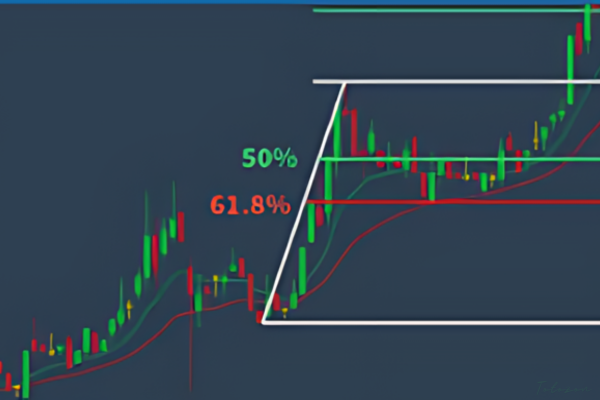 Advanced Fibonacci Course with Major League Trading
1 × $23.00
Advanced Fibonacci Course with Major League Trading
1 × $23.00 -
×
 Duxinator: High Odds Penny Trading Presented with Steven Dux
1 × $6.00
Duxinator: High Odds Penny Trading Presented with Steven Dux
1 × $6.00 -
×
 The Fundamentals of Options Trading Basis with Joseph Frey
1 × $6.00
The Fundamentals of Options Trading Basis with Joseph Frey
1 × $6.00 -
×
 Buying and Selling Volatility with Kevin B.Connolly
1 × $6.00
Buying and Selling Volatility with Kevin B.Connolly
1 × $6.00 -
×
 AM Trader - Strategy Training Course
1 × $23.00
AM Trader - Strategy Training Course
1 × $23.00 -
×
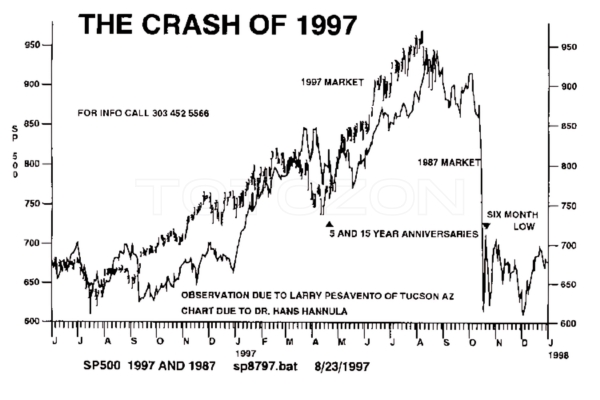 The Crash of 1997 (Article) with Hans Hannula
1 × $6.00
The Crash of 1997 (Article) with Hans Hannula
1 × $6.00 -
×
 The Orderflows Trade Opportunities Encyclopedia with Michael Valtos
1 × $8.00
The Orderflows Trade Opportunities Encyclopedia with Michael Valtos
1 × $8.00
Trading Without Gambling with Marcel Link
Original price was: $43.00.$6.00Current price is: $6.00.
File Size: Coming soon!
Delivery Time: 1–12 hours
Media Type: Online Course
Trading Without Gambling with Marcel Link
Introduction to Trading Without Gambling
Trading can often feel like gambling if approached without a solid strategy. Marcel Link, a seasoned trader and author, provides valuable insights on how to trade responsibly and profitably without falling into the pitfalls of gambling. His methods emphasize discipline, risk management, and a structured approach to the markets.
The Core Philosophy
Understanding the Difference
One of the key lessons from Marcel Link is understanding the difference between trading and gambling. While both involve risk, trading should be a calculated endeavor based on analysis and strategy, not luck.
Setting Realistic Goals
Setting achievable goals is crucial. Unlike gambling, where the allure of quick riches can be overwhelming, trading requires a long-term perspective with incremental gains.
Building a Strong Foundation
Education and Knowledge
Knowledge is power in trading. Marcel Link stresses the importance of continuous learning and staying updated with market trends and economic indicators.
Technical Analysis
Technical analysis involves studying price charts and market data to make informed trading decisions. Understanding patterns, trends, and signals is vital for success.
Key Technical Indicators
- Moving Averages: Help smooth out price data and identify trends.
- Relative Strength Index (RSI): Measures the speed and change of price movements.
- Bollinger Bands: Indicate market volatility and potential price breakouts.
Fundamental Analysis
Fundamental analysis focuses on evaluating a company’s financial health and economic factors. It helps traders understand the intrinsic value of an asset.
Essential Elements of Fundamental Analysis
- Earnings Reports: Provide insights into a company’s profitability.
- Economic Indicators: Include GDP, unemployment rates, and inflation.
- Market Sentiment: Gauges the overall mood of investors and traders.
Developing a Trading Plan
Defining Your Strategy
A well-defined trading strategy is crucial. It should include entry and exit points, risk tolerance, and the types of securities to trade.
Risk Management
Risk management is about protecting your capital. Marcel Link advises using stop-loss orders and position sizing to minimize potential losses.
Stop-Loss Orders
A stop-loss order automatically sells a security when it reaches a certain price, limiting losses.
Position Sizing
Position sizing involves determining how much capital to allocate to each trade, balancing risk and reward.
Diversification
Diversification reduces risk by spreading investments across various asset classes. This approach ensures that the poor performance of one asset does not heavily impact the overall portfolio.
Emotional Discipline
Controlling Emotions
Emotions can cloud judgment and lead to impulsive decisions. Marcel Link emphasizes the need for emotional discipline and sticking to the trading plan.
Avoiding Overtrading
Overtrading, or making too many trades in a short period, can increase transaction costs and reduce profitability. It’s essential to be patient and wait for the right opportunities.
Tools and Resources
Trading Platforms
Choosing the right trading platform is important for executing trades efficiently. Look for platforms with robust analytical tools and real-time data.
Educational Resources
Books, webinars, and online courses can provide valuable knowledge. Marcel Link’s own book, “High Probability Trading,” is a recommended read.
Mentorship and Community
Engaging with a trading community or finding a mentor can provide support, feedback, and new perspectives.
Conclusion
Trading without gambling is about adopting a disciplined, informed, and strategic approach. Marcel Link’s insights help traders navigate the markets with confidence, reducing the risk of emotional and impulsive decisions. By focusing on education, analysis, and risk management, traders can achieve consistent and sustainable success.
FAQs
1. What is the key difference between trading and gambling?
The key difference lies in strategy and analysis. Trading involves calculated decisions based on research, while gambling relies on chance.
2. How important is risk management in trading?
Risk management is crucial. It protects your capital and helps you stay in the game for the long term.
3. What are some recommended resources for learning about trading?
Marcel Link’s book “High Probability Trading,” online courses, webinars, and financial news websites are excellent resources.
4. How can I control my emotions while trading?
Sticking to a well-defined trading plan and setting strict rules for entry and exit points can help control emotions.
5. Why is diversification important in trading?
Diversification spreads risk across different assets, reducing the impact of poor performance from any single investment.
Be the first to review “Trading Without Gambling with Marcel Link”
You must be logged in to post a review.
Related products
Original price was: $450.00.$23.00Current price is: $23.00.

Original price was: $997.00.$8.00Current price is: $8.00.

Original price was: $497.00.$31.00Current price is: $31.00.
Original price was: $1,800.00.$54.00Current price is: $54.00.

Original price was: $2,120.00.$15.00Current price is: $15.00.

Forex Trading
Original price was: $999.00.$15.00Current price is: $15.00.

Original price was: $497.00.$11.00Current price is: $11.00.

Forex Trading
Original price was: $239.00.$8.00Current price is: $8.00.

Forex Trading
Original price was: $797.00.$10.00Current price is: $10.00.

Original price was: $700.00.$39.00Current price is: $39.00.

Original price was: $1,200.00.$23.00Current price is: $23.00.

Forex Trading
Original price was: $550.00.$5.00Current price is: $5.00.

Forex Trading
Original price was: $2,997.00.$23.00Current price is: $23.00.

Forex Trading
Original price was: $850.00.$23.00Current price is: $23.00.

Original price was: $310.00.$23.00Current price is: $23.00.

Original price was: $1,849.00.$15.00Current price is: $15.00.

Forex Trading
Original price was: $249.00.$15.00Current price is: $15.00.

Original price was: $197.00.$5.00Current price is: $5.00.
Original price was: $139.00.$23.00Current price is: $23.00.

Forex Trading
Original price was: $799.00.$15.00Current price is: $15.00.

Reviews
There are no reviews yet.