
-
×
 Longlived Information & Intraday Pattern (Article) with Back and Andersen
1 × $6.00
Longlived Information & Intraday Pattern (Article) with Back and Andersen
1 × $6.00 -
×
 AmiBroker Ultimate Pack Pro v6.20.1 x64 (Feb 2017)
1 × $6.00
AmiBroker Ultimate Pack Pro v6.20.1 x64 (Feb 2017)
1 × $6.00 -
×
 Bank Financial Model with Cash Flow Investing Pro
1 × $15.00
Bank Financial Model with Cash Flow Investing Pro
1 × $15.00 -
×
 Building Automated Trading Systems C++.NET with Benjamin Van Vliet
1 × $6.00
Building Automated Trading Systems C++.NET with Benjamin Van Vliet
1 × $6.00 -
×
 The Complete Guide to Option Selling, 2nd 2009 with James Cordier & Michael Gross
1 × $6.00
The Complete Guide to Option Selling, 2nd 2009 with James Cordier & Michael Gross
1 × $6.00 -
×
 Mastering the Geometry of Market Energy with Charles Drummond
1 × $6.00
Mastering the Geometry of Market Energy with Charles Drummond
1 × $6.00 -
×
 Weekly Credit Spreads for Income
1 × $6.00
Weekly Credit Spreads for Income
1 × $6.00 -
×
 Trading Masterclass 2.0 with Irek Piekarski
1 × $5.00
Trading Masterclass 2.0 with Irek Piekarski
1 × $5.00 -
×
 Advance Courses for Members
1 × $15.00
Advance Courses for Members
1 × $15.00 -
×
 Cracking The Forex Code with Kevin Adams
1 × $6.00
Cracking The Forex Code with Kevin Adams
1 × $6.00 -
×
 Maximum Returns with Infinity Spreads Class with Don Kaufman
1 × $6.00
Maximum Returns with Infinity Spreads Class with Don Kaufman
1 × $6.00 -
×
 WealthFRX Trading Mastery 3.0
1 × $5.00
WealthFRX Trading Mastery 3.0
1 × $5.00 -
×
 We Fund Traders - The Whale Order
1 × $5.00
We Fund Traders - The Whale Order
1 × $5.00 -
×
 NFTMastermind with Charting Wizards
1 × $5.00
NFTMastermind with Charting Wizards
1 × $5.00 -
×
 The Orderflow Masterclass with PrimeTrading
1 × $17.00
The Orderflow Masterclass with PrimeTrading
1 × $17.00 -
×
 Trade Your Way to Wealth with Bill Kraft
1 × $6.00
Trade Your Way to Wealth with Bill Kraft
1 × $6.00 -
×
 The Aime Workshop with Clay Marafiote
1 × $6.00
The Aime Workshop with Clay Marafiote
1 × $6.00 -
×
 Advanced AmiBroker Coding with Matt Radtke & Connors Research
1 × $23.00
Advanced AmiBroker Coding with Matt Radtke & Connors Research
1 × $23.00 -
×
 Deep Dive Butterfly Trading Strategy Class with SJG Trades
1 × $41.00
Deep Dive Butterfly Trading Strategy Class with SJG Trades
1 × $41.00 -
×
 Bootcamp and eBook with Jjwurldin
1 × $24.00
Bootcamp and eBook with Jjwurldin
1 × $24.00 -
×
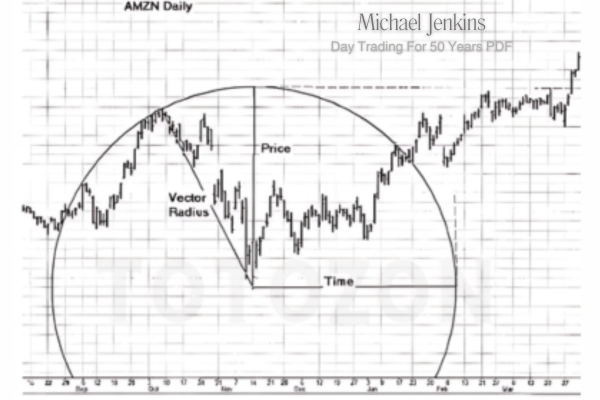 Day Trading For 50 Years PDF with Michael Jenkins
1 × $6.00
Day Trading For 50 Years PDF with Michael Jenkins
1 × $6.00 -
×
 Coulda, woulda, shoulda with Charles Cottle
1 × $6.00
Coulda, woulda, shoulda with Charles Cottle
1 × $6.00 -
×
 Weekly Options Boot Camp with Price Headley
1 × $15.00
Weekly Options Boot Camp with Price Headley
1 × $15.00 -
×
 Active Trading Course Notes with Alan Hull
1 × $6.00
Active Trading Course Notes with Alan Hull
1 × $6.00 -
×
 Traders Workshop – Forex Full Course with Jason Stapleton
1 × $6.00
Traders Workshop – Forex Full Course with Jason Stapleton
1 × $6.00 -
×
 Price Action Stock Day Trading Course with Trade That Swing
1 × $62.00
Price Action Stock Day Trading Course with Trade That Swing
1 × $62.00 -
×
 The Naked Eye: Raw Data Analytics with Edgar Torres - Raw Data Analytics
1 × $8.00
The Naked Eye: Raw Data Analytics with Edgar Torres - Raw Data Analytics
1 × $8.00 -
×
 How To Invest By Instinct: Instinctively Self Guided Investments with Lin Eldridge
1 × $6.00
How To Invest By Instinct: Instinctively Self Guided Investments with Lin Eldridge
1 × $6.00 -
×
 Momentum Signals Training Course with Fulcum Trader
1 × $5.00
Momentum Signals Training Course with Fulcum Trader
1 × $5.00 -
×
 Electronic Trading "TNT" IV Tips Tricks and Other Trading Stuff with Joe Ross & Mark Cherlin
1 × $6.00
Electronic Trading "TNT" IV Tips Tricks and Other Trading Stuff with Joe Ross & Mark Cherlin
1 × $6.00 -
×
 Ambush Trading Method (EBOOK) with MARCO MAYER - Trading Educators
1 × $256.00
Ambush Trading Method (EBOOK) with MARCO MAYER - Trading Educators
1 × $256.00 -
×
 Price Ladder Training
1 × $15.00
Price Ladder Training
1 × $15.00 -
×
 Ultimate Trading Course with Dodgy's Dungeon
1 × $8.00
Ultimate Trading Course with Dodgy's Dungeon
1 × $8.00

Five Trading Trends of 2005 with Dan Denning
$6.00
File Size: Coming soon!
Delivery Time: 1–12 hours
Media Type: Online Course
Content Proof: Watch Here!
You may check content proof of “Five Trading Trends of 2005 with Dan Denning” below:

Five Trading Trends of 2005 with Dan Denning
The year 2005 was a significant period in the financial markets, marked by notable trading trends that influenced investment strategies and market behavior. Dan Denning, a renowned financial analyst, provided valuable insights into these trends. In this article, we explore the five key trading trends of 2005 as analyzed by Dan Denning, offering a comprehensive guide to understanding their impact and relevance.
Introduction
Who is Dan Denning?
Dan Denning is a respected financial author and investment strategist known for his deep insights into global markets. With a keen eye for identifying market trends, Denning has guided many investors through the complexities of financial markets.
Why Focus on 2005 Trading Trends?
Understanding the trading trends of 2005 provides valuable lessons for current and future market conditions. These trends offer insights into market dynamics, helping investors make informed decisions.
Trend 1: The Rise of Commodities
What Fueled the Commodity Boom?
In 2005, commodities experienced a significant boom driven by increased demand from emerging markets, particularly China and India. This demand surge led to higher prices for oil, metals, and agricultural products.
Impact on Markets
The rise in commodity prices had a ripple effect on global markets. Investors flocked to commodity-related stocks and ETFs, seeking to capitalize on the upward trend.
Oil Prices Surge
Oil prices hit record highs in 2005, affecting various sectors, including transportation and manufacturing. This trend underscored the importance of energy resources in the global economy.
Metals and Mining
Metals like gold, silver, and copper saw substantial price increases. Mining companies benefited significantly, leading to a bullish market for mining stocks.
Trend 2: Growth of Emerging Markets
Why Emerging Markets?
Emerging markets like China, India, and Brazil showed robust economic growth, attracting investors looking for higher returns compared to developed markets.
Investment Opportunities
Stock Market Performance
Emerging market stock indices outperformed their developed market counterparts, providing lucrative investment opportunities.
Foreign Direct Investment (FDI)
Increased FDI flows into emerging markets fueled infrastructure development and economic expansion, further enhancing their attractiveness to investors.
Trend 3: Technology and Innovation
Technological Advancements
2005 witnessed rapid advancements in technology, particularly in the fields of telecommunications and information technology. These innovations spurred growth in tech stocks.
Key Tech Trends
Internet Expansion
The internet continued to expand its reach, with increasing numbers of users and businesses going online. This growth supported the rise of e-commerce and digital advertising.
Mobile Technology
Mobile technology saw significant improvements, leading to the proliferation of smartphones and mobile applications. Companies in the mobile tech space experienced substantial growth.
Trend 4: Interest Rate Policies
Central Bank Actions
Central banks, particularly the Federal Reserve, adjusted interest rates to manage economic growth and inflation. These policy changes influenced market behavior and investment strategies.
Impact on Bonds and Equities
Bond Market Reactions
Interest rate hikes typically lead to lower bond prices. Investors adjusted their portfolios accordingly, shifting towards equities and other asset classes.
Equity Market Dynamics
Equity markets responded to interest rate changes with increased volatility. Investors sought to balance their portfolios to mitigate the impact of rate fluctuations.
Trend 5: Real Estate Boom
Housing Market Surge
The real estate market experienced a boom in 2005, driven by low interest rates and increased demand for housing. This trend led to rising property prices and increased construction activity.
Investment Implications
REITs Performance
Real Estate Investment Trusts (REITs) performed exceptionally well, providing investors with attractive returns through dividends and capital appreciation.
Homebuilders and Developers
Companies involved in homebuilding and property development saw significant growth, benefiting from the robust housing market.
Lessons from 2005
Diversification is Key
One of the key lessons from the 2005 trading trends is the importance of diversification. Spreading investments across different asset classes helps mitigate risk and capitalize on various market opportunities.
Stay Informed
Staying informed about global economic trends and market dynamics is crucial for making sound investment decisions. Regularly monitoring market developments can help identify emerging opportunities.
Conclusion
Why Study Past Trends?
Studying past trading trends, such as those from 2005, provides valuable insights into market behavior and helps investors develop strategies for future market conditions. Dan Denning’s analysis of these trends offers a comprehensive understanding of the factors that drive market movements.
FAQs
1. What were the major trading trends in 2005?
The major trading trends in 2005 included the rise of commodities, growth of emerging markets, technological advancements, interest rate policies, and the real estate boom.
2. How did commodities perform in 2005?
Commodities experienced a significant boom in 2005, driven by increased demand from emerging markets, particularly China and India.
3. Why were emerging markets attractive to investors in 2005?
Emerging markets showed robust economic growth, offering higher returns compared to developed markets. Increased FDI and infrastructure development further enhanced their attractiveness.
4. How did interest rate policies affect the markets in 2005?
Interest rate adjustments by central banks influenced bond and equity markets, leading to increased volatility and shifts in investment strategies.
5. What was the impact of the real estate boom in 2005?
The real estate boom led to rising property prices and increased construction activity. REITs and homebuilding companies benefited significantly from this trend.
Be the first to review “Five Trading Trends of 2005 with Dan Denning”
You must be logged in to post a review.
Related products

Forex Trading
Original price was: $850.00.$23.00Current price is: $23.00.
Original price was: $695.00.$41.00Current price is: $41.00.

Original price was: $895.00.$15.00Current price is: $15.00.

Forex Trading
Original price was: $2,000.00.$23.00Current price is: $23.00.

Original price was: $310.00.$23.00Current price is: $23.00.

Original price was: $497.00.$31.00Current price is: $31.00.

Original price was: $299.00.$8.00Current price is: $8.00.

Original price was: $197.00.$5.00Current price is: $5.00.

Forex Trading
Original price was: $697.00.$5.00Current price is: $5.00.

Original price was: $997.00.$13.00Current price is: $13.00.

Original price was: $799.00.$15.00Current price is: $15.00.
Forex Trading
Original price was: $239.00.$8.00Current price is: $8.00.

Forex Trading
The Complete Guide to Multiple Time Frame Analysis & Reading Price Action with Aiman Almansoori
Original price was: $1,399.00.$13.00Current price is: $13.00.

Forex Trading
Original price was: $4,997.00.$27.00Current price is: $27.00.

Forex Trading
Original price was: $2,997.00.$23.00Current price is: $23.00.
Original price was: $997.00.$8.00Current price is: $8.00.

Forex Trading
Original price was: $999.00.$15.00Current price is: $15.00.

Forex Trading
Quantamentals – The Next Great Forefront Of Trading and Investing with Trading Markets
Original price was: $1,495.00.$8.00Current price is: $8.00.

Original price was: $139.00.$23.00Current price is: $23.00.

Original price was: $1,200.00.$23.00Current price is: $23.00.

Reviews
There are no reviews yet.