
-
×
 Building Your E-Mini Trading Strategy with Daniel Gramza
1 × $6.00
Building Your E-Mini Trading Strategy with Daniel Gramza
1 × $6.00 -
×
 Principles of Artificial Neural Networks (2nd Ed.) with Daniel Graupe
1 × $6.00
Principles of Artificial Neural Networks (2nd Ed.) with Daniel Graupe
1 × $6.00 -
×
 MAP. Moving Average Patterns CD with David Elliott
1 × $6.00
MAP. Moving Average Patterns CD with David Elliott
1 × $6.00 -
×
 Fractal Markets SFX with Tyson Bieniek
1 × $5.00
Fractal Markets SFX with Tyson Bieniek
1 × $5.00 -
×
 Advanced Strategies for Option Trading Success with James Bittman
1 × $6.00
Advanced Strategies for Option Trading Success with James Bittman
1 × $6.00 -
×
 Short Term Trading. Integrated Pithfork Analysis with Dr. Mircea Dologa
1 × $6.00
Short Term Trading. Integrated Pithfork Analysis with Dr. Mircea Dologa
1 × $6.00 -
×
 Proven Chart Patterns: Key Indicators for Success in Today’s Markets with Chris Manning
1 × $6.00
Proven Chart Patterns: Key Indicators for Success in Today’s Markets with Chris Manning
1 × $6.00 -
×
 Making Sense of Price Action: Price Action Profits with Scott Foster
1 × $54.00
Making Sense of Price Action: Price Action Profits with Scott Foster
1 × $54.00 -
×
 Adz Trading Academy
1 × $5.00
Adz Trading Academy
1 × $5.00 -
×
 Pro Indicator Pack with Trade Confident
1 × $15.00
Pro Indicator Pack with Trade Confident
1 × $15.00 -
×
 Passages To Profitability: A Comprehensive Guide To Channel Trading with Professor Jeff Bierman, CMT
1 × $6.00
Passages To Profitability: A Comprehensive Guide To Channel Trading with Professor Jeff Bierman, CMT
1 × $6.00 -
×
 From Walden to Wall Street: Frontiers of Conservation Finance with James Levitt
1 × $6.00
From Walden to Wall Street: Frontiers of Conservation Finance with James Levitt
1 × $6.00 -
×
 The Ultimate Forex Structure Course
1 × $31.00
The Ultimate Forex Structure Course
1 × $31.00 -
×
 Trading MoneyTides & Chaos in the Stock Market with Hans Hannula
1 × $6.00
Trading MoneyTides & Chaos in the Stock Market with Hans Hannula
1 × $6.00 -
×
 Introduction to the Elliot Wave Principle Seminar - Robert Prechter
1 × $6.00
Introduction to the Elliot Wave Principle Seminar - Robert Prechter
1 × $6.00 -
×
 Perfect Strategy - SPX Daily Options Income with Peter Titus - Marwood Research
1 × $15.00
Perfect Strategy - SPX Daily Options Income with Peter Titus - Marwood Research
1 × $15.00 -
×
 Psycho-Paper 96 with Charles Drummond
1 × $6.00
Psycho-Paper 96 with Charles Drummond
1 × $6.00 -
×
 Matrix Spread Options Trading Course with Base Camp Trading
1 × $31.00
Matrix Spread Options Trading Course with Base Camp Trading
1 × $31.00 -
×
 Naked Trading Part 1 with Base Camp Trading
1 × $6.00
Naked Trading Part 1 with Base Camp Trading
1 × $6.00 -
×
 Stock Market Strategies That Work with Jack Bernstein
1 × $6.00
Stock Market Strategies That Work with Jack Bernstein
1 × $6.00 -
×
 Profitable Strategies with Gemify Academy
1 × $10.00
Profitable Strategies with Gemify Academy
1 × $10.00 -
×
 How I Trade for a Living with Gary Smith
1 × $6.00
How I Trade for a Living with Gary Smith
1 × $6.00 -
×
 Master The Markets 2.0 with French Trader
1 × $6.00
Master The Markets 2.0 with French Trader
1 × $6.00 -
×
 The Beginners Guide to Commodities Investing with Brian & Gayle Rice
1 × $6.00
The Beginners Guide to Commodities Investing with Brian & Gayle Rice
1 × $6.00 -
×
 SOAP. Served On A Platter CD with David Elliott
1 × $6.00
SOAP. Served On A Platter CD with David Elliott
1 × $6.00 -
×
 Profinacci Complete Course with Stephen A.Pierce
1 × $6.00
Profinacci Complete Course with Stephen A.Pierce
1 × $6.00 -
×
 Hedge Funds for Dummies
1 × $6.00
Hedge Funds for Dummies
1 × $6.00 -
×
 Sea Lanes & Pipelines with Bernard D.Cole
1 × $6.00
Sea Lanes & Pipelines with Bernard D.Cole
1 × $6.00 -
×
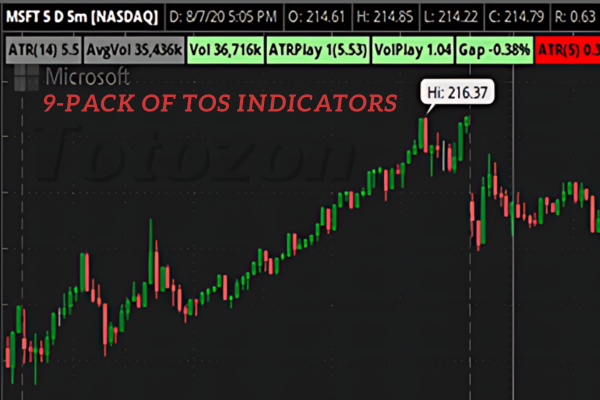 9-Pack of TOS Indicators
1 × $6.00
9-Pack of TOS Indicators
1 × $6.00 -
×
 Quantum Stone Capital
1 × $15.00
Quantum Stone Capital
1 × $15.00 -
×
 Traders Classroom Collection Volume 1-4 with Jeffrey Kennedy
1 × $15.00
Traders Classroom Collection Volume 1-4 with Jeffrey Kennedy
1 × $15.00 -
×
 Market Mindfields. Dancing with Gorilla
1 × $6.00
Market Mindfields. Dancing with Gorilla
1 × $6.00 -
×
 Algohub 2023 Full Completed with Algohub
1 × $5.00
Algohub 2023 Full Completed with Algohub
1 × $5.00 -
×
 MTI - Trend Trader Course (Feb 2014)
1 × $23.00
MTI - Trend Trader Course (Feb 2014)
1 × $23.00 -
×
 The Art and Application of Technical Analysis with Cynthia Kase
1 × $6.00
The Art and Application of Technical Analysis with Cynthia Kase
1 × $6.00 -
×
 2 Trades A Day with Jason Hale
1 × $15.00
2 Trades A Day with Jason Hale
1 × $15.00 -
×
 Compass Trading System with Right Line Trading
1 × $39.00
Compass Trading System with Right Line Trading
1 × $39.00 -
×
 White Phoenix’s The Smart (Money) Approach to Trading with Jayson Casper
1 × $39.00
White Phoenix’s The Smart (Money) Approach to Trading with Jayson Casper
1 × $39.00 -
×
 101 Option Trading Secrets with Kenneth Trester
1 × $6.00
101 Option Trading Secrets with Kenneth Trester
1 × $6.00 -
×
 3 Day Bootcamp EXPERT LEVEL with FX Savages
1 × $6.00
3 Day Bootcamp EXPERT LEVEL with FX Savages
1 × $6.00 -
×
 10 Best Swing Trading Patterns & Strategies with Dave Landry
1 × $4.00
10 Best Swing Trading Patterns & Strategies with Dave Landry
1 × $4.00 -
×
 11 Elements of Prudent Investing with Andy Karabinos
1 × $6.00
11 Elements of Prudent Investing with Andy Karabinos
1 × $6.00 -
×
 The Orderflow Masterclass with PrimeTrading
1 × $17.00
The Orderflow Masterclass with PrimeTrading
1 × $17.00 -
×
 How To Read The Market Professionally with TradeSmart
1 × $27.00
How To Read The Market Professionally with TradeSmart
1 × $27.00 -
×
 Order flow self-study training program with iMFtracker
1 × $10.00
Order flow self-study training program with iMFtracker
1 × $10.00 -
×
 Forecast 2024 Clarification with Larry Williams
1 × $15.00
Forecast 2024 Clarification with Larry Williams
1 × $15.00 -
×
 The A14 Weekly Option Strategy Workshop with Amy Meissner
1 × $23.00
The A14 Weekly Option Strategy Workshop with Amy Meissner
1 × $23.00
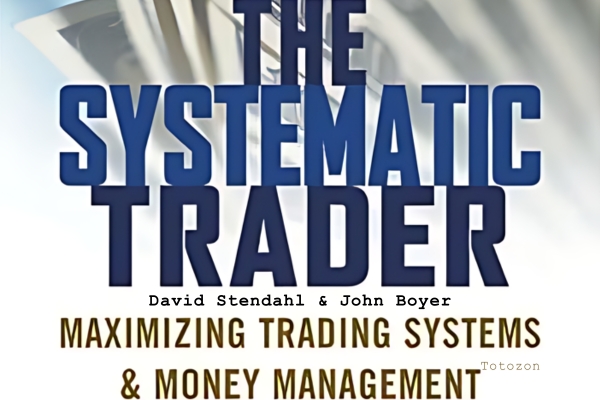
The Systematic Trader: Maximizing Trading Systems and Money Management with David Stendahl & John Boyer
$6.00
File Size: Coming soon!
Delivery Time: 1–12 hours
Media Type: Online Course
The Systematic Trader: Maximizing Trading Systems and Money Management with David Stendahl & John Boyer
In the world of trading, having a systematic approach and effective money management strategies are crucial for achieving consistent success. David Stendahl and John Boyer, both renowned for their expertise in trading systems and risk management, offer valuable insights into maximizing trading performance. This article explores their methodologies and provides a comprehensive guide for serious traders.
Introduction to Systematic Trading
What is Systematic Trading?
Systematic trading involves using predefined rules and algorithms to make trading decisions. This approach removes emotions from trading and ensures consistency.
Who are David Stendahl and John Boyer?
David Stendahl and John Boyer are respected figures in the trading community. They specialize in developing and optimizing trading systems and money management techniques to help traders achieve better results.
Core Principles of Systematic Trading
1. Rule-Based Trading
Consistency and Discipline
Systematic trading relies on a set of predefined rules, which ensures consistency and discipline in trading decisions.
2. Backtesting and Optimization
Historical Performance
Backtesting involves testing trading strategies on historical data to evaluate their effectiveness and refine the rules.
3. Risk Management
Capital Preservation
Effective risk management techniques, such as setting stop-loss orders and proper position sizing, are essential to preserve capital and protect against significant losses.
David Stendahl’s Approach to Trading Systems
1. Developing Trading Systems
Identifying Market Patterns
Stendahl emphasizes identifying and leveraging market patterns and trends to develop robust trading systems.
Algorithmic Rules
Creating algorithmic rules based on technical indicators and price action to automate trading decisions.
2. Testing and Refining
Backtesting on Historical Data
Backtesting trading systems on historical data helps identify potential weaknesses and areas for improvement.
Forward Testing
Forward testing involves applying the trading system to live market conditions using a demo account to validate its performance.
3. Continuous Improvement
Regular Review
Regularly reviewing and optimizing the trading system based on performance data and changing market conditions is crucial for long-term success.
John Boyer’s Money Management Strategies
1. Position Sizing
Fixed Fractional Method
The fixed fractional method involves allocating a fixed percentage of the trading capital to each trade, ensuring controlled risk.
Volatility-Based Sizing
Adjusting position sizes based on market volatility helps manage risk and avoid overexposure during turbulent market conditions.
2. Risk-Reward Ratio
Balancing Risk and Reward
Boyer emphasizes maintaining a favorable risk-reward ratio, aiming for a higher potential reward relative to the risk taken on each trade.
3. Diversification
Spreading Risk
Diversifying investments across different asset classes, sectors, and instruments reduces overall risk and mitigates the impact of adverse movements in any single market.
Implementing Systematic Trading and Money Management
1. Developing a Trading Plan
Clear Objectives
A comprehensive trading plan includes clear objectives, risk tolerance, and specific rules for entering and exiting trades.
2. Utilizing Technical Indicators
Effective Tools
Incorporate technical indicators such as moving averages, RSI, and MACD to enhance trading decisions.
3. Monitoring Performance
Regular Evaluation
Regularly monitor and evaluate the performance of trading systems and money management strategies to identify areas for improvement.
Advanced Techniques for Systematic Trading
1. Algorithmic Trading
Automating Strategies
Algorithmic trading involves using computer algorithms to automate trading strategies, ensuring quick and efficient execution.
2. High-Frequency Trading
Capitalizing on Micro Movements
High-frequency trading takes advantage of small price movements, executing numerous trades within milliseconds.
3. Machine Learning
Predictive Models
Incorporate machine learning techniques to develop predictive models that enhance trading strategies based on historical and real-time data.
Challenges and Solutions in Systematic Trading
1. Market Volatility
Adapting Strategies
Be prepared to adapt trading strategies in response to changing market conditions and increased volatility.
2. Emotional Decision-Making
Maintaining Discipline
Systematic trading helps eliminate emotional decision-making by adhering to predefined rules and strategies.
3. Overfitting
Avoiding Over-Optimization
Avoid over-optimization by ensuring that trading systems are not excessively tailored to historical data, which can lead to poor performance in live trading.
Case Studies: Success with Stendahl and Boyer’s Strategies
1. Trend-Following System
Leveraging Trends
A trend-following system developed by Stendahl successfully identifies and captures long-term market trends, generating consistent returns.
2. Volatility-Based Position Sizing
Managing Risk
Boyer’s volatility-based position sizing method helps manage risk during volatile market periods, preserving capital and reducing drawdowns.
Practical Tips for Traders
1. Start Simple
Basic Indicators
Begin with simple trading systems and gradually incorporate more complex strategies as you gain experience.
2. Document Everything
Trading Journal
Maintain a trading journal to document all trades, including entry and exit points, reasons for the trade, and outcomes. This helps in continuous improvement.
3. Continuous Learning
Stay Updated
Stay updated with the latest developments in technical analysis, trading systems, and money management strategies to maintain an edge in the market.
Conclusion
The systematic approach to trading, combined with effective money management strategies from David Stendahl and John Boyer, provides a robust framework for achieving consistent success in the financial markets. By implementing their methodologies, traders can enhance their performance, manage risk effectively, and navigate the complexities of the market with greater confidence.
FAQs
1. What is systematic trading?
Systematic trading involves using predefined rules and algorithms to make trading decisions, ensuring consistency and discipline.
2. Who are David Stendahl and John Boyer?
David Stendahl and John Boyer are experts in trading systems and money management, known for their contributions to the trading community.
3. What is the fixed fractional method?
The fixed fractional method is a position sizing technique where a fixed percentage of trading capital is allocated to each trade to manage risk.
4. How does algorithmic trading work?
Algorithmic trading uses computer algorithms to automate trading strategies, ensuring quick and efficient execution of trades.
5. Why is diversification important in trading?
Diversification spreads investments across different asset classes and sectors, reducing overall risk and mitigating the impact of adverse movements in any single market.
Be the first to review “The Systematic Trader: Maximizing Trading Systems and Money Management with David Stendahl & John Boyer”
You must be logged in to post a review.
Related products

Original price was: $695.00.$41.00Current price is: $41.00.

Original price was: $497.00.$11.00Current price is: $11.00.

Original price was: $139.00.$23.00Current price is: $23.00.
Forex Trading
Original price was: $4,997.00.$27.00Current price is: $27.00.

Forex Trading
Original price was: $797.00.$10.00Current price is: $10.00.

Original price was: $299.00.$8.00Current price is: $8.00.

Forex Trading
Original price was: $697.00.$5.00Current price is: $5.00.
Original price was: $497.00.$31.00Current price is: $31.00.

Original price was: $997.00.$13.00Current price is: $13.00.

Forex Trading
Original price was: $850.00.$23.00Current price is: $23.00.
Original price was: $700.00.$39.00Current price is: $39.00.

Forex Trading
Original price was: $239.00.$8.00Current price is: $8.00.
Forex Trading
Original price was: $1,898.00.$10.00Current price is: $10.00.

Original price was: $999.00.$5.00Current price is: $5.00.

Forex Trading
Original price was: $999.00.$15.00Current price is: $15.00.
Forex Trading
Original price was: $1,098.00.$39.00Current price is: $39.00.

Original price was: $197.00.$5.00Current price is: $5.00.

Forex Trading
Original price was: $2,995.00.$31.00Current price is: $31.00.

Original price was: $895.00.$15.00Current price is: $15.00.

Original price was: $1,849.00.$15.00Current price is: $15.00.
Reviews
There are no reviews yet.