
-
×
 Profit in the Futures Markets! with Jack Bernstein
1 × $6.00
Profit in the Futures Markets! with Jack Bernstein
1 × $6.00 -
×
 Scalp Strategy and Flipping Small Accounts with Opes Trading Group
1 × $5.00
Scalp Strategy and Flipping Small Accounts with Opes Trading Group
1 × $5.00 -
×
 The A14 Weekly Option Strategy Workshop with Amy Meissner
1 × $23.00
The A14 Weekly Option Strategy Workshop with Amy Meissner
1 × $23.00 -
×
 Wyckoff Analysis Series. Module 1. Wyckoff Volume Analysis
1 × $6.00
Wyckoff Analysis Series. Module 1. Wyckoff Volume Analysis
1 × $6.00 -
×
 Options Trading & Ultimate MasterClass With Tyrone Abela - FX Evolution
1 × $54.00
Options Trading & Ultimate MasterClass With Tyrone Abela - FX Evolution
1 × $54.00 -
×
 Developing Mindfulness: The Observer of Thought with Traders State Of Mind
1 × $6.00
Developing Mindfulness: The Observer of Thought with Traders State Of Mind
1 × $6.00 -
×
 Fundamentals of the Securities Industry with William A.Rini
1 × $6.00
Fundamentals of the Securities Industry with William A.Rini
1 × $6.00 -
×
 Trading with Oscillators. Pinpointing Market Extremes with Mark Etzkorn
1 × $6.00
Trading with Oscillators. Pinpointing Market Extremes with Mark Etzkorn
1 × $6.00 -
×
 5-Step-Trading Stocks II - Avoid Common Trading Mistakes - Online Course (April 2014)
1 × $23.00
5-Step-Trading Stocks II - Avoid Common Trading Mistakes - Online Course (April 2014)
1 × $23.00 -
×
 MTA - Technically Speaking Newsletters
1 × $6.00
MTA - Technically Speaking Newsletters
1 × $6.00 -
×
 Boomer Quick Profits Day Trading Course
1 × $23.00
Boomer Quick Profits Day Trading Course
1 × $23.00 -
×
 Strategy Week: Using High Probability Options Strategies with Don Kaufman
1 × $6.00
Strategy Week: Using High Probability Options Strategies with Don Kaufman
1 × $6.00 -
×
 Options Trading with Nick & Gareth - Nick Santiago & Gareth Soloway - InTheMoneyStocks
1 × $31.00
Options Trading with Nick & Gareth - Nick Santiago & Gareth Soloway - InTheMoneyStocks
1 × $31.00 -
×
 The Random Character of Interest Rates with Joseph Murphy
1 × $6.00
The Random Character of Interest Rates with Joseph Murphy
1 × $6.00 -
×
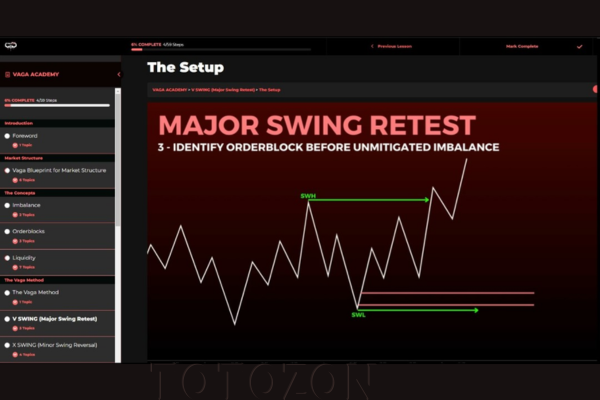 Vaga Academy with VAGAFX
1 × $5.00
Vaga Academy with VAGAFX
1 × $5.00 -
×
 Candlesticks Explained with Martin Pring
1 × $6.00
Candlesticks Explained with Martin Pring
1 × $6.00 -
×
 Simple Sector Trading Strategies with John Murphy
1 × $6.00
Simple Sector Trading Strategies with John Murphy
1 × $6.00 -
×
 How to Manage a $25,000 Portfolio with Dan Sheridan - Sheridan Options Mentoring
1 × $6.00
How to Manage a $25,000 Portfolio with Dan Sheridan - Sheridan Options Mentoring
1 × $6.00 -
×
 CFA Level 2 - Sample Item Sets 2003
1 × $6.00
CFA Level 2 - Sample Item Sets 2003
1 × $6.00 -
×
 High Probability Trading Using Elliott Wave And Fibonacci Analysis withVic Patel - Forex Training Group
1 × $10.00
High Probability Trading Using Elliott Wave And Fibonacci Analysis withVic Patel - Forex Training Group
1 × $10.00 -
×
 Pete Fader VSA Course
1 × $6.00
Pete Fader VSA Course
1 × $6.00 -
×
 Essentials Of Payroll Management & Accounting with Steven M.Bragg
1 × $6.00
Essentials Of Payroll Management & Accounting with Steven M.Bragg
1 × $6.00 -
×
 Special Webinars Module 2 with Trader Dante
1 × $6.00
Special Webinars Module 2 with Trader Dante
1 × $6.00 -
×
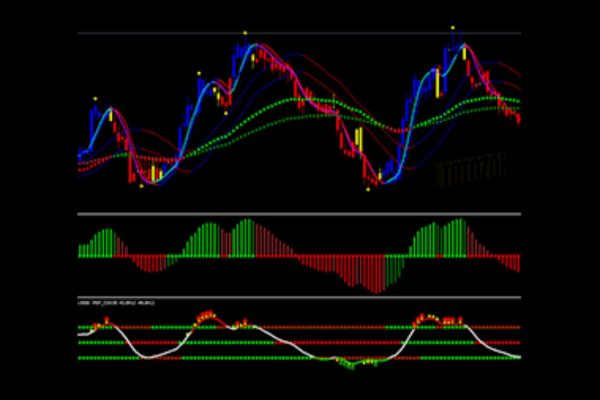 Sacredscience - W.F.Whitehead – Occultism Simplified
1 × $6.00
Sacredscience - W.F.Whitehead – Occultism Simplified
1 × $6.00 -
×
 TradingMind Course with Jack Bernstein
1 × $6.00
TradingMind Course with Jack Bernstein
1 × $6.00 -
×
 3 Technical Indicators to Help You Ride the Elliott Wave Trend with Chris Carolan
1 × $6.00
3 Technical Indicators to Help You Ride the Elliott Wave Trend with Chris Carolan
1 × $6.00 -
×
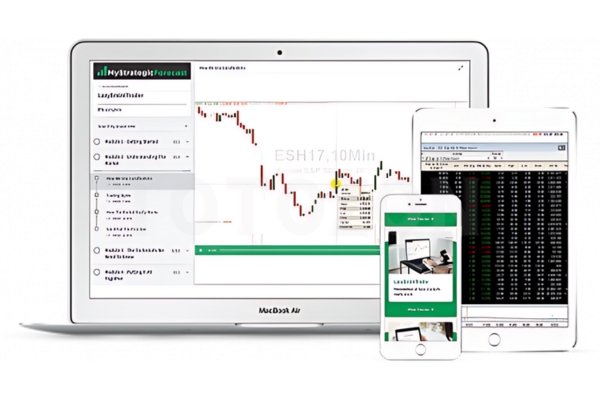 Lazy Emini Trader Master Class Course - David Frost
1 × $10.00
Lazy Emini Trader Master Class Course - David Frost
1 × $10.00 -
×
 Seasonal Stock Market Trends: The Definitive Guide to Calendar‐Based Stock Market Trading with Jay Kaeppel
1 × $6.00
Seasonal Stock Market Trends: The Definitive Guide to Calendar‐Based Stock Market Trading with Jay Kaeppel
1 × $6.00 -
×
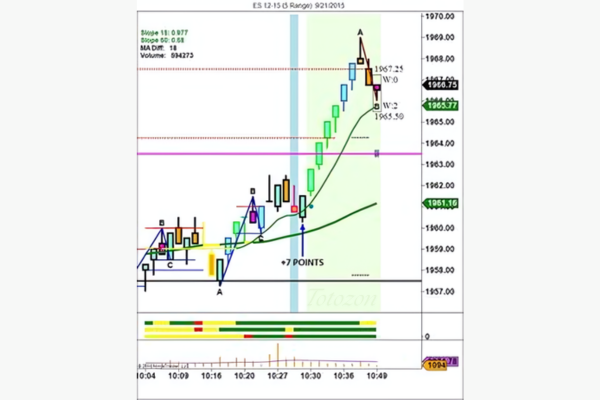 Right Line Trading IndicatorSuite (May 2015)
1 × $31.00
Right Line Trading IndicatorSuite (May 2015)
1 × $31.00 -
×
 SQX Mentorship with Tip Toe Hippo
1 × $23.00
SQX Mentorship with Tip Toe Hippo
1 × $23.00 -
×
 Increasing Vertical Spread Probabilities with Technical Analysis with Doc Severson
1 × $6.00
Increasing Vertical Spread Probabilities with Technical Analysis with Doc Severson
1 × $6.00 -
×
 Handbook on the Knowledge Economy with David Rooney
1 × $6.00
Handbook on the Knowledge Economy with David Rooney
1 × $6.00 -
×
 Advanced Stock Trading Course + Strategies
1 × $15.00
Advanced Stock Trading Course + Strategies
1 × $15.00 -
×
 Construct & Trade a High Probability Trading System with John L.Person
1 × $6.00
Construct & Trade a High Probability Trading System with John L.Person
1 × $6.00 -
×
 The Complete Guide to Multiple Time Frame Analysis & Reading Price Action with Aiman Almansoori
1 × $13.00
The Complete Guide to Multiple Time Frame Analysis & Reading Price Action with Aiman Almansoori
1 × $13.00 -
×
 0 DTE Options Trading Workshop with Aeromir Corporation
1 × $15.00
0 DTE Options Trading Workshop with Aeromir Corporation
1 × $15.00 -
×
 The Instagram DM Automation Playbook with Natasha Takahashi
1 × $6.00
The Instagram DM Automation Playbook with Natasha Takahashi
1 × $6.00 -
×
 Activedaytrader - Workshop: Unusual Options
1 × $6.00
Activedaytrader - Workshop: Unusual Options
1 × $6.00 -
×
 Technical Analysis Applications in the Global Currency Markets (2nd Ed.) with Cornelius Luca
1 × $6.00
Technical Analysis Applications in the Global Currency Markets (2nd Ed.) with Cornelius Luca
1 × $6.00 -
×
 The Age of Turbulence with Alan Greenspan
1 × $6.00
The Age of Turbulence with Alan Greenspan
1 × $6.00 -
×
 Crystal Ball Pack PLUS bonus Live Trade By Pat Mitchell - Trick Trades
1 × $20.00
Crystal Ball Pack PLUS bonus Live Trade By Pat Mitchell - Trick Trades
1 × $20.00 -
×
 Ultimate Trading Course with Dodgy's Dungeon
1 × $8.00
Ultimate Trading Course with Dodgy's Dungeon
1 × $8.00 -
×
 Successful Stock Speculation (1922) with John James
1 × $6.00
Successful Stock Speculation (1922) with John James
1 × $6.00 -
×
 Investing Guide For New Investor with Alfred Scillitani
1 × $6.00
Investing Guide For New Investor with Alfred Scillitani
1 × $6.00 -
×
 The Binary Trigger (Video, Books) with John Piper
1 × $6.00
The Binary Trigger (Video, Books) with John Piper
1 × $6.00 -
×
 Money Management Strategies for Serious Traders with David Stendahl
1 × $6.00
Money Management Strategies for Serious Traders with David Stendahl
1 × $6.00 -
×
 7 Day FX Mastery Course with Market Masters
1 × $6.00
7 Day FX Mastery Course with Market Masters
1 × $6.00 -
×
 Forecast 2024 Clarification with Larry Williams
1 × $15.00
Forecast 2024 Clarification with Larry Williams
1 × $15.00 -
×
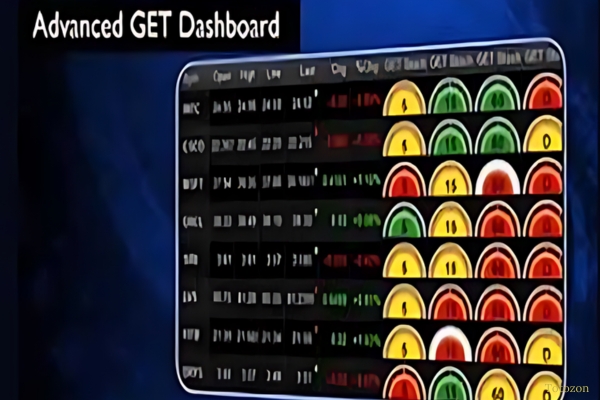 Advanced GET 8.0 EOD
1 × $6.00
Advanced GET 8.0 EOD
1 × $6.00 -
×
 DFX Scalping Strategy Course with Disciplined FX
1 × $23.00
DFX Scalping Strategy Course with Disciplined FX
1 × $23.00 -
×
 The Orderflow Masterclass with PrimeTrading
1 × $17.00
The Orderflow Masterclass with PrimeTrading
1 × $17.00 -
×
 A Comprehensive Guide to Intraday Trading Strategies & Setups Class with Jeff Bierman
1 × $6.00
A Comprehensive Guide to Intraday Trading Strategies & Setups Class with Jeff Bierman
1 × $6.00 -
×
 Trading The E-Minis for a Living with Don Miller
1 × $6.00
Trading The E-Minis for a Living with Don Miller
1 × $6.00 -
×
 Advanced Nasdaq Trading Techniques with Alan Rich
1 × $6.00
Advanced Nasdaq Trading Techniques with Alan Rich
1 × $6.00 -
×
 Weekly Options Boot Camp with Price Headley
1 × $15.00
Weekly Options Boot Camp with Price Headley
1 × $15.00 -
×
 The Traders Battle Plan
1 × $6.00
The Traders Battle Plan
1 × $6.00 -
×
 Profit Before Work System with John Piper
1 × $6.00
Profit Before Work System with John Piper
1 × $6.00 -
×
 Compass Trading System with Right Line Trading
1 × $39.00
Compass Trading System with Right Line Trading
1 × $39.00 -
×
 How to Lose Money Profitably with Mark D.Cook
1 × $6.00
How to Lose Money Profitably with Mark D.Cook
1 × $6.00 -
×
 Trading Against the Crowd with John Summa
1 × $6.00
Trading Against the Crowd with John Summa
1 × $6.00 -
×
 Monthly Cash Flow Trading Options (Intermediate Option Trading Course) with Randy Perez
1 × $85.00
Monthly Cash Flow Trading Options (Intermediate Option Trading Course) with Randy Perez
1 × $85.00 -
×
 Profiletraders - MARKET PROFILE TACTICAL STRATEGIES FOR DAY TRADING
1 × $23.00
Profiletraders - MARKET PROFILE TACTICAL STRATEGIES FOR DAY TRADING
1 × $23.00 -
×
 Earnings Reaction Gaps Workshop with John Pocorobba
1 × $27.00
Earnings Reaction Gaps Workshop with John Pocorobba
1 × $27.00 -
×
 Small and Mighty Association with Ryan Lee
1 × $6.00
Small and Mighty Association with Ryan Lee
1 × $6.00 -
×
 How To Invest By Instinct: Instinctively Self Guided Investments with Lin Eldridge
1 × $6.00
How To Invest By Instinct: Instinctively Self Guided Investments with Lin Eldridge
1 × $6.00 -
×
 Bond Market Course with The Macro Compass
1 × $15.00
Bond Market Course with The Macro Compass
1 × $15.00 -
×
 Applied Quantitative Methods for Trading and Investment with Christian Dunis, Jason Laws & Patrick Na¿m
1 × $6.00
Applied Quantitative Methods for Trading and Investment with Christian Dunis, Jason Laws & Patrick Na¿m
1 × $6.00 -
×
 Trading Short TermSame Day Trades Sep 2023 with Dan Sheridan & Mark Fenton - Sheridan Options Mentoring
1 × $31.00
Trading Short TermSame Day Trades Sep 2023 with Dan Sheridan & Mark Fenton - Sheridan Options Mentoring
1 × $31.00 -
×
 The Correlation Code with Jason Fielder
1 × $6.00
The Correlation Code with Jason Fielder
1 × $6.00 -
×
 Advanced Trading Course with Edney Pinheiro
1 × $5.00
Advanced Trading Course with Edney Pinheiro
1 × $5.00 -
×
 Best of the Best: Collars with Amy Meissner & Scott Ruble
1 × $15.00
Best of the Best: Collars with Amy Meissner & Scott Ruble
1 × $15.00 -
×
 Creating the Optimal Trade for Explosive Profits with George A.Fontanills
1 × $6.00
Creating the Optimal Trade for Explosive Profits with George A.Fontanills
1 × $6.00 -
×
 The Naked Eye: Raw Data Analytics with Edgar Torres - Raw Data Analytics
1 × $8.00
The Naked Eye: Raw Data Analytics with Edgar Torres - Raw Data Analytics
1 × $8.00 -
×
 The Day Trading ES Futures Blueprint Class with Corey Rosenbloom
1 × $6.00
The Day Trading ES Futures Blueprint Class with Corey Rosenbloom
1 × $6.00 -
×
 Affinity Foundation Option Course with Affinitytrading
1 × $6.00
Affinity Foundation Option Course with Affinitytrading
1 × $6.00 -
×
 Finding Astrocycles with an Ephemeris - Hans Hannula
1 × $6.00
Finding Astrocycles with an Ephemeris - Hans Hannula
1 × $6.00
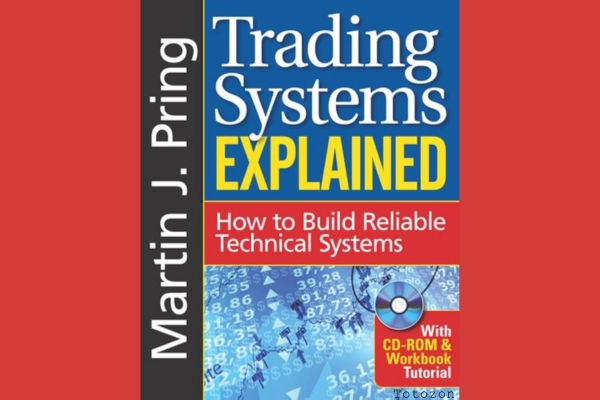
Trading Systems Explained with Martin Pring
$6.00
File Size: Coming soon!
Delivery Time: 1–12 hours
Media Type: Online Course
Trading Systems Explained with Martin Pring
Introduction to Trading Systems
In the world of financial markets, a trading system is a set of rules designed to guide traders in making buy and sell decisions. Martin Pring, a renowned expert in technical analysis, has contributed significantly to the development and understanding of trading systems. This article delves into the key concepts of trading systems as explained by Martin Pring, offering valuable insights for both novice and experienced traders.
Who is Martin Pring?
A Pioneer in Technical Analysis
Martin Pring is a respected authority in the field of technical analysis. With decades of experience, he has authored numerous books and conducted seminars worldwide, educating traders on the nuances of market behavior.
Contributions to Trading Systems
Pring’s work includes the development of various trading systems that help traders navigate the complexities of financial markets. His strategies are known for their practicality and effectiveness.
Understanding Trading Systems
What is a Trading System?
A trading system is a systematic approach to trading that involves predefined rules for entering and exiting trades. These rules are based on technical indicators, price patterns, and other market data.
Components of a Trading System
- Entry Rules: Conditions that must be met to initiate a trade.
- Exit Rules: Conditions that determine when to close a trade.
- Risk Management: Strategies to protect against significant losses.
Why Use a Trading System?
Using a trading system helps remove emotional decision-making from trading, ensuring consistency and discipline.
Benefits of Trading Systems
- Consistency: Provides a structured approach to trading.
- Risk Management: Helps control potential losses.
- Backtesting: Allows for historical testing to assess the system’s effectiveness.
Types of Trading Systems
Trend-Following Systems
Trend-following systems aim to capitalize on market trends. They involve identifying the direction of the market and making trades that align with the prevailing trend.
Key Indicators
- Moving Averages: Used to identify the direction of the trend.
- Trendlines: Help determine the strength and direction of the trend.
Counter-Trend Systems
Counter-trend systems seek to profit from market reversals. These systems involve identifying overbought or oversold conditions and making trades that go against the current trend.
Key Indicators
- Relative Strength Index (RSI): Measures overbought and oversold levels.
- Stochastic Oscillator: Identifies potential reversal points.
Breakout Systems
Breakout systems focus on identifying key levels of support and resistance. Trades are made when the price breaks through these levels, indicating a potential continuation of the trend.
Key Indicators
- Bollinger Bands: Identify volatility and potential breakout points.
- Price Channels: Highlight support and resistance levels.
Developing a Trading System
Step-by-Step Guide
- Define Objectives: Determine your trading goals and risk tolerance.
- Choose Indicators: Select technical indicators that align with your strategy.
- Set Entry and Exit Rules: Establish clear conditions for entering and exiting trades.
- Implement Risk Management: Develop strategies to manage risk and protect your capital.
- Backtest the System: Test the system using historical data to assess its performance.
- Monitor and Adjust: Continuously monitor the system’s performance and make necessary adjustments.
Example Trading System
Entry Rules
- Indicator: 50-day moving average crosses above the 200-day moving average.
- Confirmation: RSI is above 50.
Exit Rules
- Indicator: 50-day moving average crosses below the 200-day moving average.
- Stop-Loss: Set at 2% below the entry price.
Risk Management
- Position Sizing: Limit the size of each trade to 2% of your total capital.
- Stop-Loss Orders: Automatically exit trades that move against you by a predetermined amount.
Testing and Optimization
Backtesting
Backtesting involves applying your trading system to historical data to evaluate its performance. This helps identify potential weaknesses and areas for improvement.
Key Metrics
- Win Rate: The percentage of trades that are profitable.
- Profit Factor: The ratio of gross profit to gross loss.
- Maximum Drawdown: The largest peak-to-trough decline in the trading account.
Optimization
Optimization involves tweaking your trading system to enhance its performance. However, it’s important to avoid overfitting, which can lead to poor performance in real trading.
Avoiding Overfitting
- Use a Robust Sample Size: Ensure you have enough historical data to test your system.
- Out-of-Sample Testing: Test your system on a separate set of data not used in the initial backtest.
Common Mistakes in Trading Systems
Lack of Discipline
Failing to follow the system’s rules can lead to inconsistent results and increased risk.
Overcomplicating the System
Keeping the system simple helps maintain clarity and effectiveness. Overly complex systems can be difficult to implement and monitor.
Ignoring Market Conditions
Market conditions can change, making it essential to adapt your system accordingly. A system that works well in a trending market may not perform as well in a range-bound market.
Conclusion
Trading systems, as explained by Martin Pring, provide a structured approach to trading that helps remove emotional biases and enhance consistency. By understanding the different types of trading systems and how to develop and test them, traders can improve their decision-making and increase their chances of success in the financial markets.
FAQs
1. What is a trading system?
A trading system is a set of predefined rules for entering and exiting trades based on technical indicators and market data.
2. Why should I use a trading system?
Using a trading system helps ensure consistency, discipline, and effective risk management in your trading approach.
3. What are the key components of a trading system?
The key components include entry and exit rules, risk management strategies, and technical indicators.
4. How do I backtest a trading system?
Backtesting involves applying your trading system to historical data to evaluate its performance using metrics like win rate and profit factor.
5. What is the importance of risk management in a trading system?
Risk management protects your capital and helps mitigate potential losses, ensuring long-term success in trading.
Be the first to review “Trading Systems Explained with Martin Pring”
You must be logged in to post a review.
Related products

Forex Trading
Original price was: $2,000.00.$23.00Current price is: $23.00.

Original price was: $695.00.$41.00Current price is: $41.00.

Forex Trading
Original price was: $500.00.$5.00Current price is: $5.00.
Forex Trading
Original price was: $249.00.$15.00Current price is: $15.00.

Forex Trading
Original price was: $4,997.00.$27.00Current price is: $27.00.

Original price was: $497.00.$11.00Current price is: $11.00.

Original price was: $197.00.$5.00Current price is: $5.00.
Original price was: $799.00.$15.00Current price is: $15.00.

Forex Trading
Original price was: $697.00.$5.00Current price is: $5.00.
Forex Trading
Original price was: $2,997.00.$23.00Current price is: $23.00.
Forex Trading
Original price was: $999.00.$15.00Current price is: $15.00.
Forex Trading
Original price was: $797.00.$10.00Current price is: $10.00.
Original price was: $997.00.$8.00Current price is: $8.00.

Forex Trading
Original price was: $1,898.00.$10.00Current price is: $10.00.

Original price was: $997.00.$13.00Current price is: $13.00.

Forex Trading
Original price was: $850.00.$23.00Current price is: $23.00.

Forex Trading
Quantamentals – The Next Great Forefront Of Trading and Investing with Trading Markets
Original price was: $1,495.00.$8.00Current price is: $8.00.

Original price was: $2,120.00.$15.00Current price is: $15.00.
Forex Trading
The Complete Guide to Multiple Time Frame Analysis & Reading Price Action with Aiman Almansoori
Original price was: $1,399.00.$13.00Current price is: $13.00.

Forex Trading
Original price was: $799.00.$15.00Current price is: $15.00.
Reviews
There are no reviews yet.