
-
×
 Charting Made Easy with John J.Murphy
1 × $6.00
Charting Made Easy with John J.Murphy
1 × $6.00 -
×
 Home Run Options Trading Course with Dave Aquino - Base Camp Trading
1 × $11.00
Home Run Options Trading Course with Dave Aquino - Base Camp Trading
1 × $11.00 -
×
 Simpler Options - Ultimate Guide to Debit Spreads – Nov 2014
1 × $6.00
Simpler Options - Ultimate Guide to Debit Spreads – Nov 2014
1 × $6.00 -
×
 Analysis of Equity Investments: Valuation with John Stowe, Thomas Robinson, Jerald Pinto & Dennis McLeavey
1 × $6.00
Analysis of Equity Investments: Valuation with John Stowe, Thomas Robinson, Jerald Pinto & Dennis McLeavey
1 × $6.00 -
×
 Confessions of a Street Addict with James Cramer
1 × $6.00
Confessions of a Street Addict with James Cramer
1 × $6.00 -
×
 Just What I Said: Bloomberg Economics Columnist Takes on Bonds, Banks, Budgets, and Bubbles with Caroline Baum
1 × $6.00
Just What I Said: Bloomberg Economics Columnist Takes on Bonds, Banks, Budgets, and Bubbles with Caroline Baum
1 × $6.00 -
×
 AnkhFX Academy Course
1 × $17.00
AnkhFX Academy Course
1 × $17.00 -
×
 Investment Fables with Aswath Damodaran
1 × $6.00
Investment Fables with Aswath Damodaran
1 × $6.00 -
×
 Computational Financial Mathematics with Mathematica
1 × $6.00
Computational Financial Mathematics with Mathematica
1 × $6.00 -
×
 The Way to Trade with John Piper
1 × $6.00
The Way to Trade with John Piper
1 × $6.00 -
×
 The Trading Blueprint with Brad Goh - The Trading Geek
1 × $5.00
The Trading Blueprint with Brad Goh - The Trading Geek
1 × $5.00 -
×
 The Day Traders Fast Track Program
1 × $23.00
The Day Traders Fast Track Program
1 × $23.00 -
×
 The Stock Market, Credit & Capital Formation with Fritz Machlup
1 × $6.00
The Stock Market, Credit & Capital Formation with Fritz Machlup
1 × $6.00 -
×
 Predicting Next Weeks’s Range with Charles Drummond
1 × $6.00
Predicting Next Weeks’s Range with Charles Drummond
1 × $6.00 -
×
 The Loyalty Effect with Frederick Reichheld
1 × $6.00
The Loyalty Effect with Frederick Reichheld
1 × $6.00 -
×
 Market Neutral Strategies with Bruce I.Jacobs & Kenneth N.Levy
1 × $6.00
Market Neutral Strategies with Bruce I.Jacobs & Kenneth N.Levy
1 × $6.00 -
×
 Simpler Options - Insider’s Guide to Generating Income using Options Strategies Course (Oct 2014)
1 × $6.00
Simpler Options - Insider’s Guide to Generating Income using Options Strategies Course (Oct 2014)
1 × $6.00 -
×
 Sixpart Study Guide to Market Profile
1 × $6.00
Sixpart Study Guide to Market Profile
1 × $6.00 -
×
 Evolve MasterClass with Irek Piekarski
1 × $13.00
Evolve MasterClass with Irek Piekarski
1 × $13.00 -
×
 FuturesTrader71 - webinar series (4 webinars)
1 × $6.00
FuturesTrader71 - webinar series (4 webinars)
1 × $6.00 -
×
 Power Combo with Random Walk Trading
1 × $15.00
Power Combo with Random Walk Trading
1 × $15.00 -
×
 The Hindenburg Strategy with Todd Mitchell
1 × $23.00
The Hindenburg Strategy with Todd Mitchell
1 × $23.00 -
×
 Quantamentals - The Next Great Forefront Of Trading and Investing with Trading Markets
1 × $8.00
Quantamentals - The Next Great Forefront Of Trading and Investing with Trading Markets
1 × $8.00 -
×
 IRON CONDORS FOR INCOME 2017 with Sheridan Options Mentoring
1 × $6.00
IRON CONDORS FOR INCOME 2017 with Sheridan Options Mentoring
1 × $6.00 -
×
 Crypto Trading Academy with Cheeky Investor - Aussie Day Trader
1 × $13.00
Crypto Trading Academy with Cheeky Investor - Aussie Day Trader
1 × $13.00 -
×
 Forex 201 - Advanced Strategies with Stonehill Forex
1 × $5.00
Forex 201 - Advanced Strategies with Stonehill Forex
1 × $5.00 -
×
 Forex Trading Bootcamp For Traders & Investors (2020)
1 × $6.00
Forex Trading Bootcamp For Traders & Investors (2020)
1 × $6.00 -
×
 Exploring MetaStock Advanced with Martin Pring
1 × $6.00
Exploring MetaStock Advanced with Martin Pring
1 × $6.00 -
×
 Mastering Amibroker Formula Language
1 × $15.00
Mastering Amibroker Formula Language
1 × $15.00 -
×
 Secrets of the Darvas Trading System
1 × $6.00
Secrets of the Darvas Trading System
1 × $6.00 -
×
 Forex Day Trading Course with Raul Gonzalez
1 × $5.00
Forex Day Trading Course with Raul Gonzalez
1 × $5.00 -
×
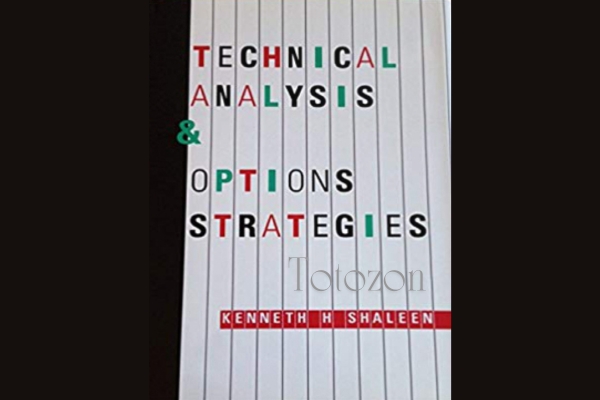 Technical Analysis & Options Strategies with K.H.Shaleen
1 × $6.00
Technical Analysis & Options Strategies with K.H.Shaleen
1 × $6.00 -
×
 The Greatest Trade Ever with Gregory Zuckerman
1 × $6.00
The Greatest Trade Ever with Gregory Zuckerman
1 × $6.00 -
×
 The Indices Orderflow Masterclass with The Forex Scalpers
1 × $23.00
The Indices Orderflow Masterclass with The Forex Scalpers
1 × $23.00 -
×
 Fed Balance Sheet 201 with Joseph Wang - Central Banking 101
1 × $10.00
Fed Balance Sheet 201 with Joseph Wang - Central Banking 101
1 × $10.00 -
×
 How To Buy with Justin Mamis
1 × $6.00
How To Buy with Justin Mamis
1 × $6.00 -
×
 The A14 Weekly Option Strategy Workshop with Amy Meissner
1 × $23.00
The A14 Weekly Option Strategy Workshop with Amy Meissner
1 × $23.00 -
×
 Connors on Advanced Trading Strategies with Larry Connors
1 × $6.00
Connors on Advanced Trading Strategies with Larry Connors
1 × $6.00 -
×
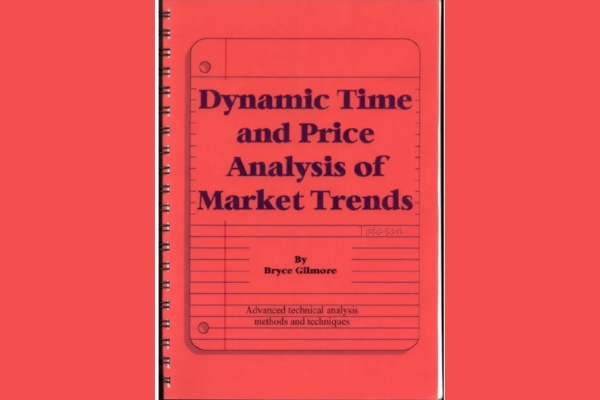 Dynamic Time and Price Analysis of Market Trends with Bruce Gilmore
1 × $6.00
Dynamic Time and Price Analysis of Market Trends with Bruce Gilmore
1 × $6.00 -
×
 March 2023 Intensive Live Trading Event with Apteros Trading
1 × $5.00
March 2023 Intensive Live Trading Event with Apteros Trading
1 × $5.00 -
×
 Full Credit Spreads with Ryan Litchfield
1 × $6.00
Full Credit Spreads with Ryan Litchfield
1 × $6.00 -
×
 Cycle Hunter Support with Brian James Sklenka
1 × $6.00
Cycle Hunter Support with Brian James Sklenka
1 × $6.00 -
×
 FMG Online Course with FMG Traders
1 × $6.00
FMG Online Course with FMG Traders
1 × $6.00 -
×
 Forecast 2024 Clarification with Larry Williams
1 × $15.00
Forecast 2024 Clarification with Larry Williams
1 × $15.00 -
×
 Monthly Newsletter 99-01 with Elliott Wave Theorist
1 × $6.00
Monthly Newsletter 99-01 with Elliott Wave Theorist
1 × $6.00 -
×
 Symmetry Wave Theory with Michael Gur
1 × $6.00
Symmetry Wave Theory with Michael Gur
1 × $6.00 -
×
 How To Become StressFree Trader with Jason Starzec
1 × $4.00
How To Become StressFree Trader with Jason Starzec
1 × $4.00 -
×
 The Futures Edge with Joshua Martinez
1 × $155.00
The Futures Edge with Joshua Martinez
1 × $155.00 -
×
 Trading For Busy People with Josias Kere
1 × $6.00
Trading For Busy People with Josias Kere
1 × $6.00 -
×
 The Best Option Trading Course with David Jaffee - Best Stock Strategy
1 × $15.00
The Best Option Trading Course with David Jaffee - Best Stock Strategy
1 × $15.00 -
×
 Crystal Ball Pack PLUS bonus Live Trade By Pat Mitchell - Trick Trades
1 × $20.00
Crystal Ball Pack PLUS bonus Live Trade By Pat Mitchell - Trick Trades
1 × $20.00 -
×
 MACK - PATS Simple ES Scalping Strategy
1 × $15.00
MACK - PATS Simple ES Scalping Strategy
1 × $15.00 -
×
 Quality FX Academy
1 × $5.00
Quality FX Academy
1 × $5.00 -
×
 Original Charting 1936 with W.D.Gann
1 × $6.00
Original Charting 1936 with W.D.Gann
1 × $6.00 -
×
 Simple Trade Strategies
1 × $31.00
Simple Trade Strategies
1 × $31.00 -
×
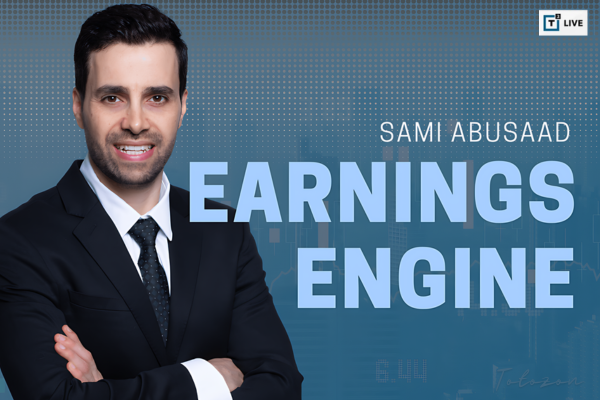 Earnings Engine Class with Sami Abusaad - T3 Live
1 × $23.00
Earnings Engine Class with Sami Abusaad - T3 Live
1 × $23.00 -
×
 CFA Pro Level 1 2004 CD - Scheweser
1 × $6.00
CFA Pro Level 1 2004 CD - Scheweser
1 × $6.00 -
×
 Profit in the Futures Markets! with Jack Bernstein
1 × $6.00
Profit in the Futures Markets! with Jack Bernstein
1 × $6.00 -
×
 Scalping Master Course with Dayonetraders
1 × $6.00
Scalping Master Course with Dayonetraders
1 × $6.00 -
×
 Dumb Money: Adventures of a Day Trader with Joey Anuff
1 × $6.00
Dumb Money: Adventures of a Day Trader with Joey Anuff
1 × $6.00 -
×
 Advanced Technical Analysis PART2 with Corey Halliday
1 × $6.00
Advanced Technical Analysis PART2 with Corey Halliday
1 × $6.00 -
×
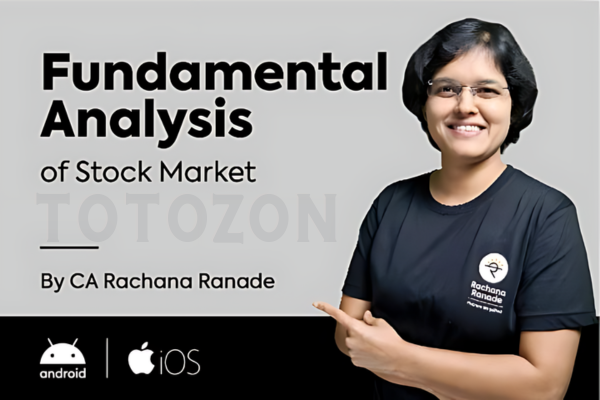 Fundamental Analysis with CA Rachana Ranade
1 × $5.00
Fundamental Analysis with CA Rachana Ranade
1 × $5.00 -
×
 Qualitative - Financial Statement Analysis with Sandesh Banger
1 × $5.00
Qualitative - Financial Statement Analysis with Sandesh Banger
1 × $5.00 -
×
 Compass Trading System with Right Line Trading
1 × $39.00
Compass Trading System with Right Line Trading
1 × $39.00 -
×
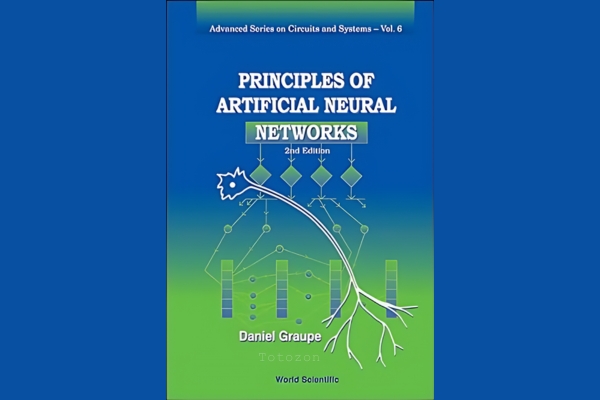 Principles of Artificial Neural Networks (2nd Ed.) with Daniel Graupe
1 × $6.00
Principles of Artificial Neural Networks (2nd Ed.) with Daniel Graupe
1 × $6.00 -
×
 Fundamental & Technical Analysis Mini Course with Colin Nicholson
1 × $6.00
Fundamental & Technical Analysis Mini Course with Colin Nicholson
1 × $6.00 -
×
 Zen8 Forex Hedging Program with Hugh Kimura - Trading Heroes
1 × $5.00
Zen8 Forex Hedging Program with Hugh Kimura - Trading Heroes
1 × $5.00 -
×
 Day One Trader with John Sussex
1 × $6.00
Day One Trader with John Sussex
1 × $6.00 -
×
 Becoming a Disciplined Trader: Techniques for Achieving Peak Trading Performance with Ari Kiev
1 × $6.00
Becoming a Disciplined Trader: Techniques for Achieving Peak Trading Performance with Ari Kiev
1 × $6.00 -
×
 Dynamic Trading Indicators with Mark W.Helweg, David C.Stendahl
1 × $6.00
Dynamic Trading Indicators with Mark W.Helweg, David C.Stendahl
1 × $6.00 -
×
 Day Trading and Swing Trading Futures with Price Action by Humberto Malaspina
1 × $5.00
Day Trading and Swing Trading Futures with Price Action by Humberto Malaspina
1 × $5.00 -
×
 Price Action Forex Trading Strategies Training Course & Members Videos with Nial Fuller
1 × $28.00
Price Action Forex Trading Strategies Training Course & Members Videos with Nial Fuller
1 × $28.00 -
×
 ND10X - 10X Your Money In 10 Days with Nicola Delic
1 × $23.00
ND10X - 10X Your Money In 10 Days with Nicola Delic
1 × $23.00 -
×
 White Phoenix’s The Smart (Money) Approach to Trading with Jayson Casper
1 × $39.00
White Phoenix’s The Smart (Money) Approach to Trading with Jayson Casper
1 × $39.00 -
×
 The Orderflows Trade Opportunities Encyclopedia with Michael Valtos
1 × $8.00
The Orderflows Trade Opportunities Encyclopedia with Michael Valtos
1 × $8.00 -
×
 The Orderflow Masterclass with PrimeTrading
1 × $17.00
The Orderflow Masterclass with PrimeTrading
1 × $17.00 -
×
 Algo Trading Masterclass with Ali Casey - StatOasis
1 × $23.00
Algo Trading Masterclass with Ali Casey - StatOasis
1 × $23.00 -
×
 Advanced Fibonacci Trading with Neal Hughes
1 × $6.00
Advanced Fibonacci Trading with Neal Hughes
1 × $6.00 -
×
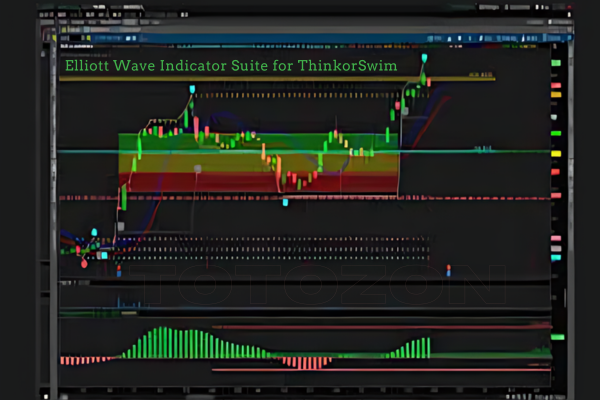 Elliott Wave Indicator Suite for ThinkorSwim
1 × $15.00
Elliott Wave Indicator Suite for ThinkorSwim
1 × $15.00 -
×
 Active Investing courses notes with Alan Hull
1 × $6.00
Active Investing courses notes with Alan Hull
1 × $6.00 -
×
 Futures Trading Secrets Home Study with Bill McCready
1 × $6.00
Futures Trading Secrets Home Study with Bill McCready
1 × $6.00 -
×
 Full Members Area (Icludes 2006 Seminar & Webinars) with Tom Yeomans
1 × $6.00
Full Members Area (Icludes 2006 Seminar & Webinars) with Tom Yeomans
1 × $6.00 -
×
 The Prop Trading Code with Brannigan Barrett - Axia Futures
1 × $23.00
The Prop Trading Code with Brannigan Barrett - Axia Futures
1 × $23.00 -
×
 The Naked Eye: Raw Data Analytics with Edgar Torres - Raw Data Analytics
1 × $8.00
The Naked Eye: Raw Data Analytics with Edgar Torres - Raw Data Analytics
1 × $8.00 -
×
 Order flow self-study training program with iMFtracker
1 × $10.00
Order flow self-study training program with iMFtracker
1 × $10.00
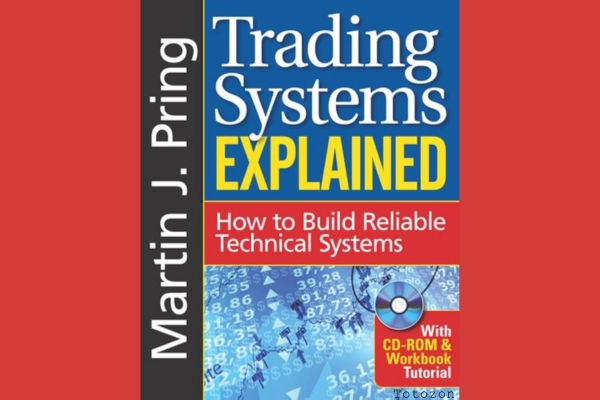
Trading Systems Explained with Martin Pring
$6.00
File Size: Coming soon!
Delivery Time: 1–12 hours
Media Type: Online Course
Trading Systems Explained with Martin Pring
Introduction to Trading Systems
In the world of financial markets, a trading system is a set of rules designed to guide traders in making buy and sell decisions. Martin Pring, a renowned expert in technical analysis, has contributed significantly to the development and understanding of trading systems. This article delves into the key concepts of trading systems as explained by Martin Pring, offering valuable insights for both novice and experienced traders.
Who is Martin Pring?
A Pioneer in Technical Analysis
Martin Pring is a respected authority in the field of technical analysis. With decades of experience, he has authored numerous books and conducted seminars worldwide, educating traders on the nuances of market behavior.
Contributions to Trading Systems
Pring’s work includes the development of various trading systems that help traders navigate the complexities of financial markets. His strategies are known for their practicality and effectiveness.
Understanding Trading Systems
What is a Trading System?
A trading system is a systematic approach to trading that involves predefined rules for entering and exiting trades. These rules are based on technical indicators, price patterns, and other market data.
Components of a Trading System
- Entry Rules: Conditions that must be met to initiate a trade.
- Exit Rules: Conditions that determine when to close a trade.
- Risk Management: Strategies to protect against significant losses.
Why Use a Trading System?
Using a trading system helps remove emotional decision-making from trading, ensuring consistency and discipline.
Benefits of Trading Systems
- Consistency: Provides a structured approach to trading.
- Risk Management: Helps control potential losses.
- Backtesting: Allows for historical testing to assess the system’s effectiveness.
Types of Trading Systems
Trend-Following Systems
Trend-following systems aim to capitalize on market trends. They involve identifying the direction of the market and making trades that align with the prevailing trend.
Key Indicators
- Moving Averages: Used to identify the direction of the trend.
- Trendlines: Help determine the strength and direction of the trend.
Counter-Trend Systems
Counter-trend systems seek to profit from market reversals. These systems involve identifying overbought or oversold conditions and making trades that go against the current trend.
Key Indicators
- Relative Strength Index (RSI): Measures overbought and oversold levels.
- Stochastic Oscillator: Identifies potential reversal points.
Breakout Systems
Breakout systems focus on identifying key levels of support and resistance. Trades are made when the price breaks through these levels, indicating a potential continuation of the trend.
Key Indicators
- Bollinger Bands: Identify volatility and potential breakout points.
- Price Channels: Highlight support and resistance levels.
Developing a Trading System
Step-by-Step Guide
- Define Objectives: Determine your trading goals and risk tolerance.
- Choose Indicators: Select technical indicators that align with your strategy.
- Set Entry and Exit Rules: Establish clear conditions for entering and exiting trades.
- Implement Risk Management: Develop strategies to manage risk and protect your capital.
- Backtest the System: Test the system using historical data to assess its performance.
- Monitor and Adjust: Continuously monitor the system’s performance and make necessary adjustments.
Example Trading System
Entry Rules
- Indicator: 50-day moving average crosses above the 200-day moving average.
- Confirmation: RSI is above 50.
Exit Rules
- Indicator: 50-day moving average crosses below the 200-day moving average.
- Stop-Loss: Set at 2% below the entry price.
Risk Management
- Position Sizing: Limit the size of each trade to 2% of your total capital.
- Stop-Loss Orders: Automatically exit trades that move against you by a predetermined amount.
Testing and Optimization
Backtesting
Backtesting involves applying your trading system to historical data to evaluate its performance. This helps identify potential weaknesses and areas for improvement.
Key Metrics
- Win Rate: The percentage of trades that are profitable.
- Profit Factor: The ratio of gross profit to gross loss.
- Maximum Drawdown: The largest peak-to-trough decline in the trading account.
Optimization
Optimization involves tweaking your trading system to enhance its performance. However, it’s important to avoid overfitting, which can lead to poor performance in real trading.
Avoiding Overfitting
- Use a Robust Sample Size: Ensure you have enough historical data to test your system.
- Out-of-Sample Testing: Test your system on a separate set of data not used in the initial backtest.
Common Mistakes in Trading Systems
Lack of Discipline
Failing to follow the system’s rules can lead to inconsistent results and increased risk.
Overcomplicating the System
Keeping the system simple helps maintain clarity and effectiveness. Overly complex systems can be difficult to implement and monitor.
Ignoring Market Conditions
Market conditions can change, making it essential to adapt your system accordingly. A system that works well in a trending market may not perform as well in a range-bound market.
Conclusion
Trading systems, as explained by Martin Pring, provide a structured approach to trading that helps remove emotional biases and enhance consistency. By understanding the different types of trading systems and how to develop and test them, traders can improve their decision-making and increase their chances of success in the financial markets.
FAQs
1. What is a trading system?
A trading system is a set of predefined rules for entering and exiting trades based on technical indicators and market data.
2. Why should I use a trading system?
Using a trading system helps ensure consistency, discipline, and effective risk management in your trading approach.
3. What are the key components of a trading system?
The key components include entry and exit rules, risk management strategies, and technical indicators.
4. How do I backtest a trading system?
Backtesting involves applying your trading system to historical data to evaluate its performance using metrics like win rate and profit factor.
5. What is the importance of risk management in a trading system?
Risk management protects your capital and helps mitigate potential losses, ensuring long-term success in trading.
Be the first to review “Trading Systems Explained with Martin Pring”
You must be logged in to post a review.
Related products
Original price was: $310.00.$23.00Current price is: $23.00.

Original price was: $197.00.$5.00Current price is: $5.00.

Forex Trading
The Complete Guide to Multiple Time Frame Analysis & Reading Price Action with Aiman Almansoori
Original price was: $1,399.00.$13.00Current price is: $13.00.
Original price was: $997.00.$8.00Current price is: $8.00.
Forex Trading
Original price was: $2,000.00.$23.00Current price is: $23.00.
Forex Trading
Original price was: $1,898.00.$10.00Current price is: $10.00.

Forex Trading
Original price was: $2,997.00.$23.00Current price is: $23.00.

Forex Trading
Original price was: $4,997.00.$27.00Current price is: $27.00.

Original price was: $999.00.$5.00Current price is: $5.00.

Original price was: $4,995.00.$15.00Current price is: $15.00.
Forex Trading
Original price was: $697.00.$5.00Current price is: $5.00.

Original price was: $799.00.$15.00Current price is: $15.00.
Original price was: $649.00.$20.00Current price is: $20.00.
Original price was: $299.00.$8.00Current price is: $8.00.
Original price was: $700.00.$39.00Current price is: $39.00.
Forex Trading
Original price was: $125.00.$17.00Current price is: $17.00.

Original price was: $497.00.$31.00Current price is: $31.00.

Forex Trading
Original price was: $999.00.$15.00Current price is: $15.00.

Forex Trading
Original price was: $797.00.$10.00Current price is: $10.00.
Original price was: $1,200.00.$23.00Current price is: $23.00.
Reviews
There are no reviews yet.