
-
×
 Sure-thing Options Trading: A Money-Making Guide to the New Listed Stock and Commodity Options Markets - George Angell
1 × $6.00
Sure-thing Options Trading: A Money-Making Guide to the New Listed Stock and Commodity Options Markets - George Angell
1 × $6.00 -
×
 Crypto Trading Academy with Cheeky Investor - Aussie Day Trader
1 × $13.00
Crypto Trading Academy with Cheeky Investor - Aussie Day Trader
1 × $13.00 -
×
 RSD - Alex’s Natural Instinct Method Manifesto
1 × $6.00
RSD - Alex’s Natural Instinct Method Manifesto
1 × $6.00 -
×
 Secrets of Trading GBP, JPY, and CHF By Boris Schlossberg and Kathy Lien - Bkforex
1 × $6.00
Secrets of Trading GBP, JPY, and CHF By Boris Schlossberg and Kathy Lien - Bkforex
1 × $6.00 -
×
 Stock Trading Wizard
1 × $6.00
Stock Trading Wizard
1 × $6.00 -
×
 A Comprehensive Guide to Intraday Trading Strategies & Setups Class with Jeff Bierman
1 × $6.00
A Comprehensive Guide to Intraday Trading Strategies & Setups Class with Jeff Bierman
1 × $6.00 -
×
 Advanced GET 8.0 EOD
1 × $6.00
Advanced GET 8.0 EOD
1 × $6.00 -
×
 TraderSumo Academy Course
1 × $13.00
TraderSumo Academy Course
1 × $13.00 -
×
 The Illustrated Guide to Technical Analysis Signals and Phrases with Constance Brown
1 × $6.00
The Illustrated Guide to Technical Analysis Signals and Phrases with Constance Brown
1 × $6.00 -
×
 ShredderFX Compete Courses & Indicators
1 × $6.00
ShredderFX Compete Courses & Indicators
1 × $6.00 -
×
 Applied Quantitative Methods for Trading and Investment with Christian Dunis, Jason Laws & Patrick Na¿m
1 × $6.00
Applied Quantitative Methods for Trading and Investment with Christian Dunis, Jason Laws & Patrick Na¿m
1 × $6.00 -
×
 Volatility Position Risk Management with Cynthia Kase
1 × $6.00
Volatility Position Risk Management with Cynthia Kase
1 × $6.00 -
×
 How I Quit my Job & Turned 6k into Half Million Trading Commodities with Bob Buran
1 × $4.00
How I Quit my Job & Turned 6k into Half Million Trading Commodities with Bob Buran
1 × $4.00 -
×
 Compass Trading System with Right Line Trading
1 × $39.00
Compass Trading System with Right Line Trading
1 × $39.00 -
×
 Big Profit Patterns Using Candlestick Signals & Gaps with Stephen W.Bigalow
1 × $6.00
Big Profit Patterns Using Candlestick Signals & Gaps with Stephen W.Bigalow
1 × $6.00 -
×
 How to Trade the New Single Stock Futures with Jack Bernstein
1 × $6.00
How to Trade the New Single Stock Futures with Jack Bernstein
1 × $6.00 -
×
 TRADING NFX Course with Andrew NFX
1 × $5.00
TRADING NFX Course with Andrew NFX
1 × $5.00 -
×
 ETFs for the Long Run: What They Are, How They Work, and Simple Strategies for Successful Long-Term Investing - Lawrence Carrel
1 × $6.00
ETFs for the Long Run: What They Are, How They Work, and Simple Strategies for Successful Long-Term Investing - Lawrence Carrel
1 × $6.00 -
×
 Intro To Trading - 3 Module Bundle
1 × $23.00
Intro To Trading - 3 Module Bundle
1 × $23.00 -
×
 Forecast 2024 Clarification with Larry Williams
1 × $15.00
Forecast 2024 Clarification with Larry Williams
1 × $15.00 -
×
 Pyrapoint with D.E.Hall
1 × $6.00
Pyrapoint with D.E.Hall
1 × $6.00 -
×
 The 10%ers with Trader Mike
1 × $5.00
The 10%ers with Trader Mike
1 × $5.00 -
×
 Technical Timing Patterns
1 × $6.00
Technical Timing Patterns
1 × $6.00 -
×
 Fibonacci Trading & Dynamic Profit Targeting with Base Camp Trading
1 × $15.00
Fibonacci Trading & Dynamic Profit Targeting with Base Camp Trading
1 × $15.00 -
×
 Scalp Strategy and Flipping Small Accounts with Opes Trading Group
1 × $5.00
Scalp Strategy and Flipping Small Accounts with Opes Trading Group
1 × $5.00 -
×
 How To Be a Profitable Forex Trader with Corey Halliday
1 × $6.00
How To Be a Profitable Forex Trader with Corey Halliday
1 × $6.00 -
×
 Applications of Abstract Algebra with Maple - Richard E.Kline, Neil Sigmon, Ernst Stitzinger
1 × $6.00
Applications of Abstract Algebra with Maple - Richard E.Kline, Neil Sigmon, Ernst Stitzinger
1 × $6.00 -
×
 Pre-Previews. 23 Articles and Forecasts
1 × $6.00
Pre-Previews. 23 Articles and Forecasts
1 × $6.00 -
×
 Order flow self-study training program with iMFtracker
1 × $10.00
Order flow self-study training program with iMFtracker
1 × $10.00 -
×
 The Aime Workshop with Clay Marafiote
1 × $6.00
The Aime Workshop with Clay Marafiote
1 × $6.00 -
×
 Trade Hot IPOs-The Promise Of The Future (IPO Course) with Dave Landry
1 × $78.00
Trade Hot IPOs-The Promise Of The Future (IPO Course) with Dave Landry
1 × $78.00 -
×
 W. D Gann 's Square Of 9 Applied To Modern Markets with Sean Avidar - Hexatrade350
1 × $23.00
W. D Gann 's Square Of 9 Applied To Modern Markets with Sean Avidar - Hexatrade350
1 × $23.00 -
×
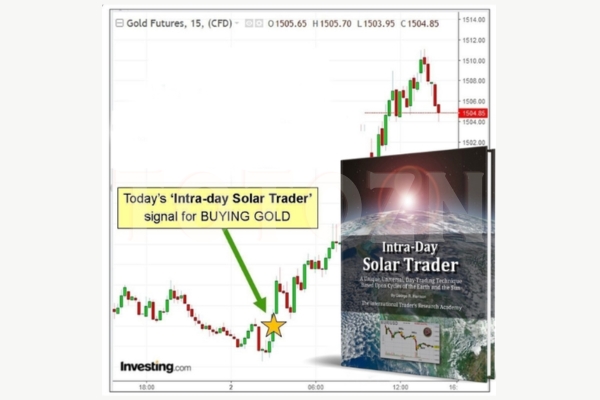 Intra-day Solar Trader with George Harrison
1 × $17.00
Intra-day Solar Trader with George Harrison
1 × $17.00 -
×
 Pristine - Oliver Velez – Swing Trading Tactics 2001
1 × $6.00
Pristine - Oliver Velez – Swing Trading Tactics 2001
1 × $6.00 -
×
 Risk Stop Loss and Position Size with Daryl Guppy
1 × $6.00
Risk Stop Loss and Position Size with Daryl Guppy
1 × $6.00 -
×
 Understanding Wall Street (4th Ed.) with Jeffrey Little
1 × $6.00
Understanding Wall Street (4th Ed.) with Jeffrey Little
1 × $6.00 -
×
 The GBP USD Trading System with A.Heuscher
1 × $6.00
The GBP USD Trading System with A.Heuscher
1 × $6.00 -
×
 Secrets of An Electronic Futures Trader with Larry Levin
1 × $6.00
Secrets of An Electronic Futures Trader with Larry Levin
1 × $6.00 -
×
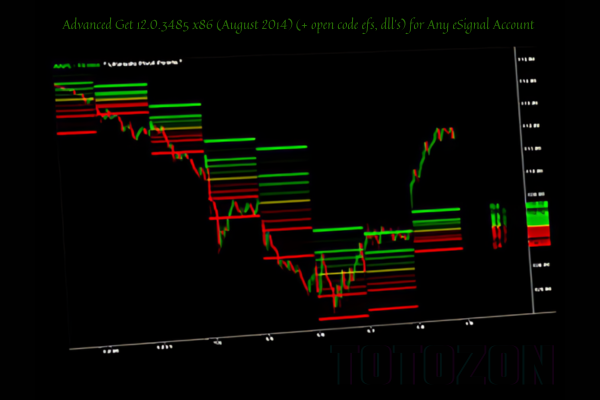 Advanced Get 12.0.3485 x86 (August 2014) (+ open code efs, dll's) for Any eSignal Account
1 × $23.00
Advanced Get 12.0.3485 x86 (August 2014) (+ open code efs, dll's) for Any eSignal Account
1 × $23.00 -
×
 Market Neutral Strategies with Bruce I.Jacobs & Kenneth N.Levy
1 × $6.00
Market Neutral Strategies with Bruce I.Jacobs & Kenneth N.Levy
1 × $6.00 -
×
 Advanced Group Analysis Turorial with David Vomund
1 × $6.00
Advanced Group Analysis Turorial with David Vomund
1 × $6.00 -
×
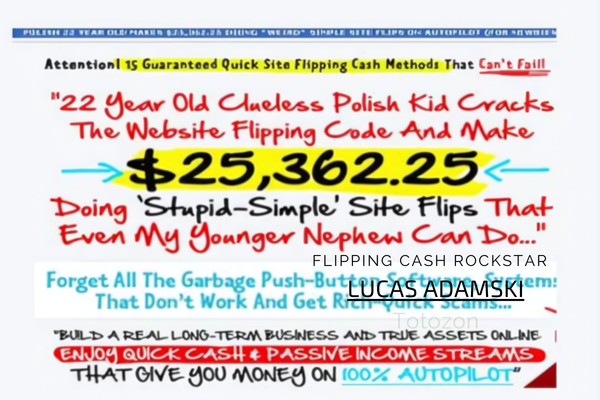 Flipping Cash Rockstar with Lucas Adamski
1 × $6.00
Flipping Cash Rockstar with Lucas Adamski
1 × $6.00 -
×
 ICT Prodigy Trading Course – $650K in Payouts with Alex Solignani
1 × $15.00
ICT Prodigy Trading Course – $650K in Payouts with Alex Solignani
1 × $15.00 -
×
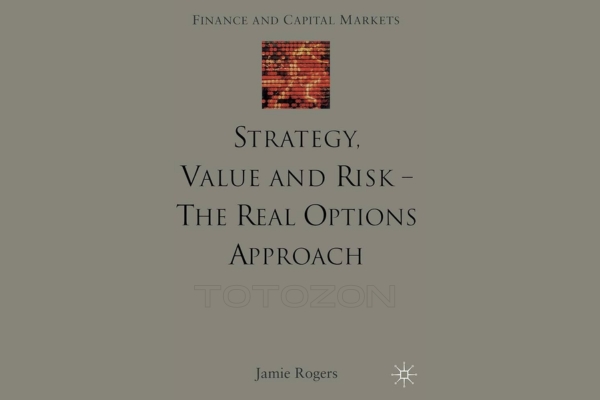 Strategy, Value and Risk - The Real Options Approach with Jamie Rogers
1 × $6.00
Strategy, Value and Risk - The Real Options Approach with Jamie Rogers
1 × $6.00 -
×
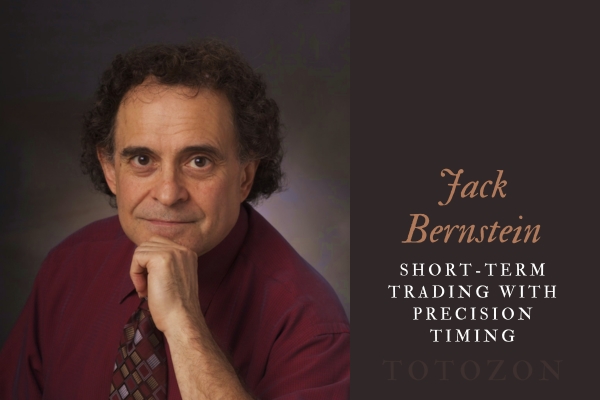 Short-Term Trading with Precision Timing - Jack Bernstein
1 × $6.00
Short-Term Trading with Precision Timing - Jack Bernstein
1 × $6.00 -
×
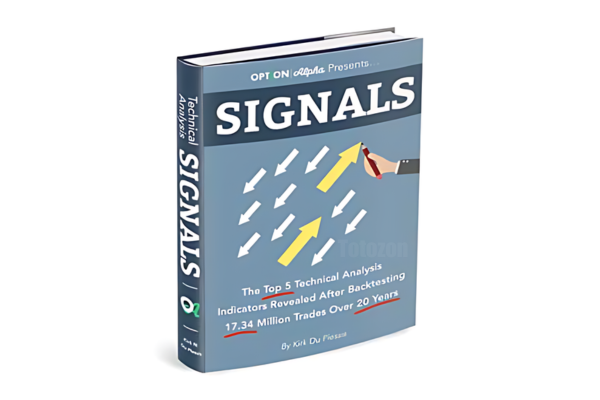 Signals
1 × $6.00
Signals
1 × $6.00 -
×
 Freedom Challenge Course with Steven Dux
1 × $5.00
Freedom Challenge Course with Steven Dux
1 × $5.00 -
×
 LEAPS Trading Strategies- Powerful Techniques for Options Trading Success - Marty Kearney
1 × $6.00
LEAPS Trading Strategies- Powerful Techniques for Options Trading Success - Marty Kearney
1 × $6.00 -
×
 Advanced Bond Trading Course
1 × $62.00
Advanced Bond Trading Course
1 × $62.00 -
×
 Master Class Recording 2019 with Oil Trading Academy
1 × $17.00
Master Class Recording 2019 with Oil Trading Academy
1 × $17.00 -
×
 Alexander Elder Full Courses Package
1 × $6.00
Alexander Elder Full Courses Package
1 × $6.00 -
×
 Swing Trading College IX 2010 with Larry Connors
1 × $15.00
Swing Trading College IX 2010 with Larry Connors
1 × $15.00 -
×
 Studies in Stock Speculation (Volume I & II) with H.J.Wolf
1 × $6.00
Studies in Stock Speculation (Volume I & II) with H.J.Wolf
1 × $6.00 -
×
 OFA - Intensive Boot Camp 5 Day Course
1 × $6.00
OFA - Intensive Boot Camp 5 Day Course
1 × $6.00 -
×
 Derivates Demystified
1 × $6.00
Derivates Demystified
1 × $6.00 -
×
 Best of the Best: Collars with Amy Meissner & Scott Ruble
1 × $15.00
Best of the Best: Collars with Amy Meissner & Scott Ruble
1 × $15.00 -
×
 Wyckoff Unleashed Official Online Course (2018) with Wyckoffsmi
1 × $23.00
Wyckoff Unleashed Official Online Course (2018) with Wyckoffsmi
1 × $23.00 -
×
 Advanced Iron Condors, Trading Concepts with Todd Mitchell
1 × $31.00
Advanced Iron Condors, Trading Concepts with Todd Mitchell
1 × $31.00 -
×
 Natural Squares Calculator with Lambert-Gann Educators
1 × $6.00
Natural Squares Calculator with Lambert-Gann Educators
1 × $6.00 -
×
 Investment Philosophies
1 × $6.00
Investment Philosophies
1 × $6.00 -
×
 Matrix Spread Options Trading Course with Base Camp Trading
1 × $31.00
Matrix Spread Options Trading Course with Base Camp Trading
1 × $31.00 -
×
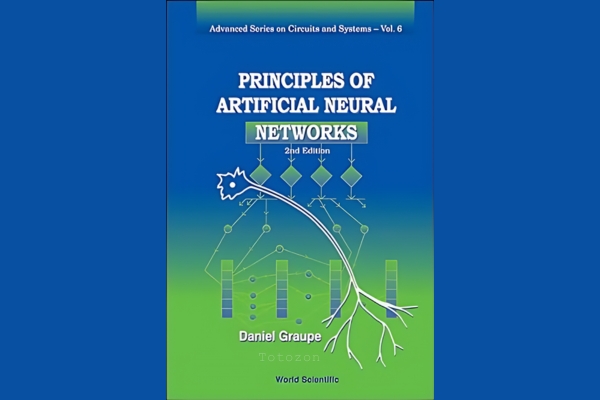 Principles of Artificial Neural Networks (2nd Ed.) with Daniel Graupe
1 × $6.00
Principles of Artificial Neural Networks (2nd Ed.) with Daniel Graupe
1 × $6.00
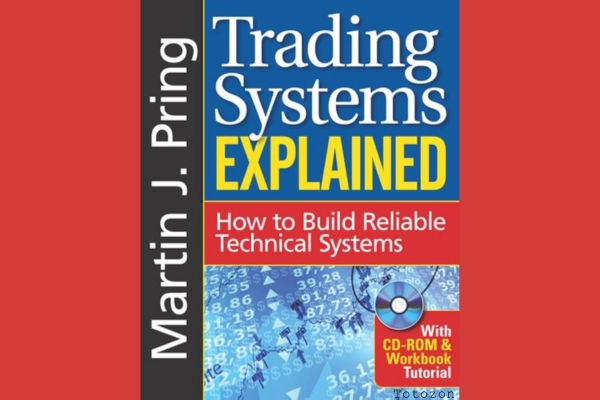
Trading Systems Explained with Martin Pring
$6.00
File Size: Coming soon!
Delivery Time: 1–12 hours
Media Type: Online Course
Trading Systems Explained with Martin Pring
Introduction to Trading Systems
In the world of financial markets, a trading system is a set of rules designed to guide traders in making buy and sell decisions. Martin Pring, a renowned expert in technical analysis, has contributed significantly to the development and understanding of trading systems. This article delves into the key concepts of trading systems as explained by Martin Pring, offering valuable insights for both novice and experienced traders.
Who is Martin Pring?
A Pioneer in Technical Analysis
Martin Pring is a respected authority in the field of technical analysis. With decades of experience, he has authored numerous books and conducted seminars worldwide, educating traders on the nuances of market behavior.
Contributions to Trading Systems
Pring’s work includes the development of various trading systems that help traders navigate the complexities of financial markets. His strategies are known for their practicality and effectiveness.
Understanding Trading Systems
What is a Trading System?
A trading system is a systematic approach to trading that involves predefined rules for entering and exiting trades. These rules are based on technical indicators, price patterns, and other market data.
Components of a Trading System
- Entry Rules: Conditions that must be met to initiate a trade.
- Exit Rules: Conditions that determine when to close a trade.
- Risk Management: Strategies to protect against significant losses.
Why Use a Trading System?
Using a trading system helps remove emotional decision-making from trading, ensuring consistency and discipline.
Benefits of Trading Systems
- Consistency: Provides a structured approach to trading.
- Risk Management: Helps control potential losses.
- Backtesting: Allows for historical testing to assess the system’s effectiveness.
Types of Trading Systems
Trend-Following Systems
Trend-following systems aim to capitalize on market trends. They involve identifying the direction of the market and making trades that align with the prevailing trend.
Key Indicators
- Moving Averages: Used to identify the direction of the trend.
- Trendlines: Help determine the strength and direction of the trend.
Counter-Trend Systems
Counter-trend systems seek to profit from market reversals. These systems involve identifying overbought or oversold conditions and making trades that go against the current trend.
Key Indicators
- Relative Strength Index (RSI): Measures overbought and oversold levels.
- Stochastic Oscillator: Identifies potential reversal points.
Breakout Systems
Breakout systems focus on identifying key levels of support and resistance. Trades are made when the price breaks through these levels, indicating a potential continuation of the trend.
Key Indicators
- Bollinger Bands: Identify volatility and potential breakout points.
- Price Channels: Highlight support and resistance levels.
Developing a Trading System
Step-by-Step Guide
- Define Objectives: Determine your trading goals and risk tolerance.
- Choose Indicators: Select technical indicators that align with your strategy.
- Set Entry and Exit Rules: Establish clear conditions for entering and exiting trades.
- Implement Risk Management: Develop strategies to manage risk and protect your capital.
- Backtest the System: Test the system using historical data to assess its performance.
- Monitor and Adjust: Continuously monitor the system’s performance and make necessary adjustments.
Example Trading System
Entry Rules
- Indicator: 50-day moving average crosses above the 200-day moving average.
- Confirmation: RSI is above 50.
Exit Rules
- Indicator: 50-day moving average crosses below the 200-day moving average.
- Stop-Loss: Set at 2% below the entry price.
Risk Management
- Position Sizing: Limit the size of each trade to 2% of your total capital.
- Stop-Loss Orders: Automatically exit trades that move against you by a predetermined amount.
Testing and Optimization
Backtesting
Backtesting involves applying your trading system to historical data to evaluate its performance. This helps identify potential weaknesses and areas for improvement.
Key Metrics
- Win Rate: The percentage of trades that are profitable.
- Profit Factor: The ratio of gross profit to gross loss.
- Maximum Drawdown: The largest peak-to-trough decline in the trading account.
Optimization
Optimization involves tweaking your trading system to enhance its performance. However, it’s important to avoid overfitting, which can lead to poor performance in real trading.
Avoiding Overfitting
- Use a Robust Sample Size: Ensure you have enough historical data to test your system.
- Out-of-Sample Testing: Test your system on a separate set of data not used in the initial backtest.
Common Mistakes in Trading Systems
Lack of Discipline
Failing to follow the system’s rules can lead to inconsistent results and increased risk.
Overcomplicating the System
Keeping the system simple helps maintain clarity and effectiveness. Overly complex systems can be difficult to implement and monitor.
Ignoring Market Conditions
Market conditions can change, making it essential to adapt your system accordingly. A system that works well in a trending market may not perform as well in a range-bound market.
Conclusion
Trading systems, as explained by Martin Pring, provide a structured approach to trading that helps remove emotional biases and enhance consistency. By understanding the different types of trading systems and how to develop and test them, traders can improve their decision-making and increase their chances of success in the financial markets.
FAQs
1. What is a trading system?
A trading system is a set of predefined rules for entering and exiting trades based on technical indicators and market data.
2. Why should I use a trading system?
Using a trading system helps ensure consistency, discipline, and effective risk management in your trading approach.
3. What are the key components of a trading system?
The key components include entry and exit rules, risk management strategies, and technical indicators.
4. How do I backtest a trading system?
Backtesting involves applying your trading system to historical data to evaluate its performance using metrics like win rate and profit factor.
5. What is the importance of risk management in a trading system?
Risk management protects your capital and helps mitigate potential losses, ensuring long-term success in trading.
Be the first to review “Trading Systems Explained with Martin Pring”
You must be logged in to post a review.
Related products
Original price was: $139.00.$23.00Current price is: $23.00.
Original price was: $799.00.$15.00Current price is: $15.00.
Original price was: $497.00.$31.00Current price is: $31.00.

Forex Trading
Original price was: $850.00.$23.00Current price is: $23.00.

Forex Trading
Original price was: $697.00.$5.00Current price is: $5.00.

Forex Trading
Original price was: $499.00.$15.00Current price is: $15.00.

Original price was: $450.00.$23.00Current price is: $23.00.
Original price was: $2,120.00.$15.00Current price is: $15.00.
Forex Trading
Original price was: $249.00.$15.00Current price is: $15.00.

Forex Trading
Original price was: $799.00.$15.00Current price is: $15.00.

Original price was: $649.00.$20.00Current price is: $20.00.

Forex Trading
Quantamentals – The Next Great Forefront Of Trading and Investing with Trading Markets
Original price was: $1,495.00.$8.00Current price is: $8.00.

Original price was: $997.00.$8.00Current price is: $8.00.

Original price was: $1,800.00.$54.00Current price is: $54.00.

Original price was: $1,200.00.$23.00Current price is: $23.00.
Forex Trading
Original price was: $1,898.00.$10.00Current price is: $10.00.

Original price was: $1,849.00.$15.00Current price is: $15.00.

Forex Trading
Original price was: $2,000.00.$23.00Current price is: $23.00.

Original price was: $197.00.$5.00Current price is: $5.00.

Original price was: $497.00.$11.00Current price is: $11.00.
Reviews
There are no reviews yet.