
-
×
 Dynamic Time Cycles with Peter Eliades
1 × $6.00
Dynamic Time Cycles with Peter Eliades
1 × $6.00 -
×
 Sea Lanes & Pipelines with Bernard D.Cole
1 × $6.00
Sea Lanes & Pipelines with Bernard D.Cole
1 × $6.00 -
×
 Compass Trading System with Right Line Trading
1 × $39.00
Compass Trading System with Right Line Trading
1 × $39.00 -
×
 Arcane 2.0 Course
1 × $6.00
Arcane 2.0 Course
1 × $6.00 -
×
 3-Day Day Trading Seminar Online CD with John Carter & Hubert Senters
1 × $6.00
3-Day Day Trading Seminar Online CD with John Carter & Hubert Senters
1 × $6.00 -
×
 Outperforming the Market with John Merrill
1 × $6.00
Outperforming the Market with John Merrill
1 × $6.00 -
×
 Empirical Market Microstructure
1 × $6.00
Empirical Market Microstructure
1 × $6.00 -
×
 Wyckoff Unleashed Official Online Course (2018) with Wyckoffsmi
1 × $23.00
Wyckoff Unleashed Official Online Course (2018) with Wyckoffsmi
1 × $23.00 -
×
 CFA Pro Level 1 2004 CD - Scheweser
1 × $6.00
CFA Pro Level 1 2004 CD - Scheweser
1 × $6.00 -
×
 The Orderflows Trade Opportunities Encyclopedia with Michael Valtos
1 × $8.00
The Orderflows Trade Opportunities Encyclopedia with Michael Valtos
1 × $8.00 -
×
 PFAZoneSuite [Trading Indicator] 2017
1 × $109.00
PFAZoneSuite [Trading Indicator] 2017
1 × $109.00 -
×
 Commodities for Dummies with Amine Bouchentouf
1 × $6.00
Commodities for Dummies with Amine Bouchentouf
1 × $6.00 -
×
 All About Mutual Funds with Bruce Jacobs
1 × $6.00
All About Mutual Funds with Bruce Jacobs
1 × $6.00 -
×
 Practical Elliott Wave Trading Strategies with Robert Miner
1 × $6.00
Practical Elliott Wave Trading Strategies with Robert Miner
1 × $6.00 -
×
 Cryptocurrency Investment Course 2021 Fund your Retirement with Suppoman
1 × $5.00
Cryptocurrency Investment Course 2021 Fund your Retirement with Suppoman
1 × $5.00 -
×
 Fibonacci Ratios with Pattern Recognition - Larry Pesavento & Steven Shapiro
1 × $6.00
Fibonacci Ratios with Pattern Recognition - Larry Pesavento & Steven Shapiro
1 × $6.00 -
×
 Investment Performance Measurement with Bruce Feibel
1 × $6.00
Investment Performance Measurement with Bruce Feibel
1 × $6.00 -
×
 How to Buy Stocks Before They Skyrocket
1 × $6.00
How to Buy Stocks Before They Skyrocket
1 × $6.00 -
×
 Crypto Trading Academy with Cheeky Investor - Aussie Day Trader
1 × $13.00
Crypto Trading Academy with Cheeky Investor - Aussie Day Trader
1 × $13.00 -
×
 Three Tricks, Two Traps, One Truth Real Help for Traders and Investors with D.R.Barton
1 × $6.00
Three Tricks, Two Traps, One Truth Real Help for Traders and Investors with D.R.Barton
1 × $6.00 -
×
 The 3 Dimensional Trading Breakthrough with Brian Schad
1 × $6.00
The 3 Dimensional Trading Breakthrough with Brian Schad
1 × $6.00 -
×
 ProfileTraders - Swing and Price Analysis (May 2014)
1 × $6.00
ProfileTraders - Swing and Price Analysis (May 2014)
1 × $6.00 -
×
 A Conservative Plan to Make $3K Monthly on $25K with Dan Sheridan – Sheridan Options Mentoring
1 × $23.00
A Conservative Plan to Make $3K Monthly on $25K with Dan Sheridan – Sheridan Options Mentoring
1 × $23.00 -
×
 Art & Science of Trend Trading Class with Jeff Bierman
1 × $6.00
Art & Science of Trend Trading Class with Jeff Bierman
1 × $6.00 -
×
 Bond Market Course with The Macro Compass
1 × $15.00
Bond Market Course with The Macro Compass
1 × $15.00 -
×
 Profit Trading VIX Options Course with Don Kaufman
1 × $6.00
Profit Trading VIX Options Course with Don Kaufman
1 × $6.00 -
×
 The Bible of Options Strategies: The Definitive Guide for Practical Trading Strategies with Guy Cohen
1 × $6.00
The Bible of Options Strategies: The Definitive Guide for Practical Trading Strategies with Guy Cohen
1 × $6.00 -
×
 Commodities Rising: The Reality Behind the Hype and How To Really Profit in the Commodities Market - Jeffrey Christian
1 × $6.00
Commodities Rising: The Reality Behind the Hype and How To Really Profit in the Commodities Market - Jeffrey Christian
1 × $6.00 -
×
 Humbled Trader Academy
1 × $5.00
Humbled Trader Academy
1 × $5.00 -
×
 Sun Tzu and the Art of War for Traders with Dean Lundell
1 × $6.00
Sun Tzu and the Art of War for Traders with Dean Lundell
1 × $6.00 -
×
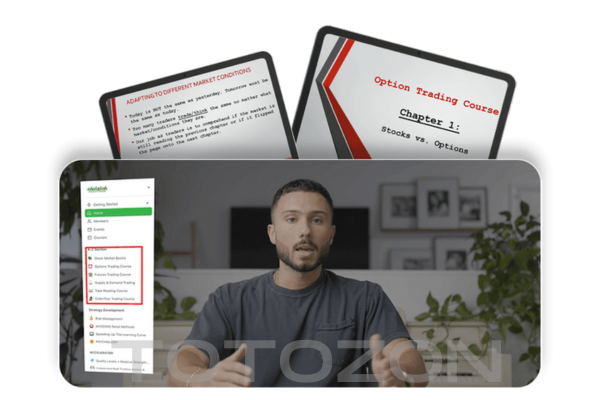 A- Z Educational Trading Course with InvestiTrade
1 × $39.00
A- Z Educational Trading Course with InvestiTrade
1 × $39.00 -
×
 Starter Guide to Investing Stocks, Crypto & Precious Metals with Ryan Hogue
1 × $5.00
Starter Guide to Investing Stocks, Crypto & Precious Metals with Ryan Hogue
1 × $5.00 -
×
 Investment Madness with John Nofsinger
1 × $6.00
Investment Madness with John Nofsinger
1 × $6.00 -
×
 Pristine - Dan Gibby – Market Preparation Trading Gaps & Trading the Open
1 × $6.00
Pristine - Dan Gibby – Market Preparation Trading Gaps & Trading the Open
1 × $6.00 -
×
 The Best Option Trading Course with David Jaffee - Best Stock Strategy
1 × $15.00
The Best Option Trading Course with David Jaffee - Best Stock Strategy
1 × $15.00 -
×
 Offensive & Defensive Strengths of Stocks, Groups & Sectors Gary Anderson
1 × $6.00
Offensive & Defensive Strengths of Stocks, Groups & Sectors Gary Anderson
1 × $6.00 -
×
 Profinacci Complete Course with Stephen A.Pierce
1 × $6.00
Profinacci Complete Course with Stephen A.Pierce
1 × $6.00 -
×
 Advanced Forex Trading Momentum vs Reversals with Indicators Webinar - Mark Whistler
1 × $6.00
Advanced Forex Trading Momentum vs Reversals with Indicators Webinar - Mark Whistler
1 × $6.00 -
×
 Options, Futures & Other Derivatives (5th Ed.)
1 × $6.00
Options, Futures & Other Derivatives (5th Ed.)
1 × $6.00 -
×
 Predicting Market Trends with Alan S.Farley
1 × $6.00
Predicting Market Trends with Alan S.Farley
1 × $6.00 -
×
 Alpha Quant Program with Lucas Inglese - Quantreo
1 × $15.00
Alpha Quant Program with Lucas Inglese - Quantreo
1 × $15.00 -
×
 How to Pick Hot Reverse Merger Penny Stocks with John Lux
1 × $5.00
How to Pick Hot Reverse Merger Penny Stocks with John Lux
1 × $5.00 -
×
 Investor’s Guide to Charting By Alistair Blair
1 × $6.00
Investor’s Guide to Charting By Alistair Blair
1 × $6.00 -
×
 How to be a Sector Investor with Larry Hungerford & Steve Hungerford
1 × $4.00
How to be a Sector Investor with Larry Hungerford & Steve Hungerford
1 × $4.00 -
×
 The Naked Eye: Raw Data Analytics with Edgar Torres - Raw Data Analytics
1 × $8.00
The Naked Eye: Raw Data Analytics with Edgar Torres - Raw Data Analytics
1 × $8.00 -
×
 Sample Item Sets 2003 - CFA Level 3
1 × $6.00
Sample Item Sets 2003 - CFA Level 3
1 × $6.00 -
×
 Pattern- Price & Time. Using Gann Theory in Trading Systems (2nd Ed.)
1 × $6.00
Pattern- Price & Time. Using Gann Theory in Trading Systems (2nd Ed.)
1 × $6.00 -
×
 Futures Day Trading And Order Flow Course with Trade Pro Academy
1 × $15.00
Futures Day Trading And Order Flow Course with Trade Pro Academy
1 × $15.00 -
×
 Sell & Sell Short with Alexander Elder
1 × $6.00
Sell & Sell Short with Alexander Elder
1 × $6.00 -
×
 Matrix Spread Options Trading Course with Base Camp Trading
1 × $31.00
Matrix Spread Options Trading Course with Base Camp Trading
1 × $31.00 -
×
 Quantamentals - The Next Great Forefront Of Trading and Investing with Trading Markets
1 × $8.00
Quantamentals - The Next Great Forefront Of Trading and Investing with Trading Markets
1 × $8.00 -
×
 Concerning The More Certain Fundamentals Of Astrology
1 × $6.00
Concerning The More Certain Fundamentals Of Astrology
1 × $6.00 -
×
 Advanced Trading Techniques 2 CDs with Sammy Chua
1 × $6.00
Advanced Trading Techniques 2 CDs with Sammy Chua
1 × $6.00 -
×
 Traders Secret Library
1 × $6.00
Traders Secret Library
1 × $6.00 -
×
 5-Day Master Trader Program 2022 with Mark Minervini
1 × $31.00
5-Day Master Trader Program 2022 with Mark Minervini
1 × $31.00 -
×
 Forex Trading Plan - Learn How To Set SMART Trading Goals! with Anas Abba & FXMindTrix Academy
1 × $6.00
Forex Trading Plan - Learn How To Set SMART Trading Goals! with Anas Abba & FXMindTrix Academy
1 × $6.00 -
×
 Signals
1 × $6.00
Signals
1 × $6.00 -
×
 Game-Maker Forex Trading System
1 × $6.00
Game-Maker Forex Trading System
1 × $6.00 -
×
 ABCs of Trading and Tech Analysis (Online Investor Expo, Las Vegas 2000) with Tom Bierovic
1 × $6.00
ABCs of Trading and Tech Analysis (Online Investor Expo, Las Vegas 2000) with Tom Bierovic
1 × $6.00 -
×
 Essentials in Quantitative Trading QT01 By HangukQuant's
1 × $23.00
Essentials in Quantitative Trading QT01 By HangukQuant's
1 × $23.00 -
×
 Ultimate Trading Course with Dodgy's Dungeon
1 × $8.00
Ultimate Trading Course with Dodgy's Dungeon
1 × $8.00 -
×
 Option Greeks Class with Don Kaufman
1 × $6.00
Option Greeks Class with Don Kaufman
1 × $6.00 -
×
 AI For Traders with Trading Markets
1 × $31.00
AI For Traders with Trading Markets
1 × $31.00 -
×
 Options 101 - The Basics and Beyond Class A 5-Part Course with Don Kaufman
1 × $6.00
Options 101 - The Basics and Beyond Class A 5-Part Course with Don Kaufman
1 × $6.00 -
×
 The Indices Orderflow Masterclass with The Forex Scalpers
1 × $23.00
The Indices Orderflow Masterclass with The Forex Scalpers
1 × $23.00 -
×
 Trading the E-Minis Successfully For A Living 3 Day with Chris Curran with Chris Curran's Live Web Seminar
1 × $6.00
Trading the E-Minis Successfully For A Living 3 Day with Chris Curran with Chris Curran's Live Web Seminar
1 × $6.00 -
×
 WealthFRX Trading Mastery Course 2.0
1 × $5.00
WealthFRX Trading Mastery Course 2.0
1 × $5.00 -
×
 High Probability ETF Trading: 7 Professional Strategies To Improve Your ETF Trading with Larry Connors
1 × $6.00
High Probability ETF Trading: 7 Professional Strategies To Improve Your ETF Trading with Larry Connors
1 × $6.00 -
×
 Learn Investing & Trading with Danny Devan
1 × $23.00
Learn Investing & Trading with Danny Devan
1 × $23.00 -
×
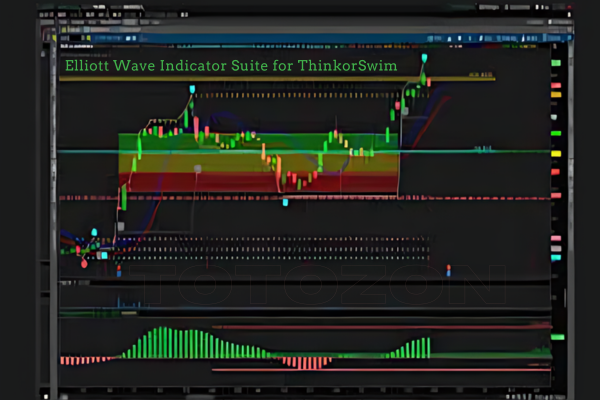 Elliott Wave Indicator Suite for ThinkorSwim
1 × $15.00
Elliott Wave Indicator Suite for ThinkorSwim
1 × $15.00 -
×
 Yarimi University Course
1 × $56.00
Yarimi University Course
1 × $56.00 -
×
 Opening Range Breakout Indicator for ThinkorSwim
1 × $6.00
Opening Range Breakout Indicator for ThinkorSwim
1 × $6.00 -
×
 Simple Forex Profits with Rayy Bannzz
1 × $31.00
Simple Forex Profits with Rayy Bannzz
1 × $31.00 -
×
 Trading Short TermSame Day Trades Sep 2023 with Dan Sheridan & Mark Fenton - Sheridan Options Mentoring
1 × $31.00
Trading Short TermSame Day Trades Sep 2023 with Dan Sheridan & Mark Fenton - Sheridan Options Mentoring
1 × $31.00 -
×
 Advanced Iron Condor Course in 2021
1 × $6.00
Advanced Iron Condor Course in 2021
1 × $6.00 -
×
 FestX Main Online video Course with Clint Fester
1 × $5.00
FestX Main Online video Course with Clint Fester
1 × $5.00 -
×
 Getting New Insights from Old Indicators with Martin Pring
1 × $6.00
Getting New Insights from Old Indicators with Martin Pring
1 × $6.00 -
×
 FXStreet Unrecorded Webinars Sept & Oct, 2011 with Sam Seiden
1 × $6.00
FXStreet Unrecorded Webinars Sept & Oct, 2011 with Sam Seiden
1 × $6.00 -
×
 S&P Market Timing Course For E-mini & Options Traders
1 × $6.00
S&P Market Timing Course For E-mini & Options Traders
1 × $6.00 -
×
 Learn Before you Loose
1 × $6.00
Learn Before you Loose
1 × $6.00 -
×
 Harmonic Elliott Wave: The Case for Modification of R. N. Elliott's Impulsive Wave Structure with Ian Copsey
1 × $6.00
Harmonic Elliott Wave: The Case for Modification of R. N. Elliott's Impulsive Wave Structure with Ian Copsey
1 × $6.00 -
×
 Secrets of An Electronic Futures Trader with Larry Levin
1 × $6.00
Secrets of An Electronic Futures Trader with Larry Levin
1 × $6.00 -
×
 Fractal Flow Strategy Video Course with Fractal Flow Pro
1 × $6.00
Fractal Flow Strategy Video Course with Fractal Flow Pro
1 × $6.00 -
×
 A Really Friendly Guide to Wavelets with C.Vallens
1 × $6.00
A Really Friendly Guide to Wavelets with C.Vallens
1 × $6.00 -
×
 Forex Robotron (Unlocked)
1 × $6.00
Forex Robotron (Unlocked)
1 × $6.00 -
×
 Safety in the Market. Smarter Starter Pack 1st Edition
1 × $6.00
Safety in the Market. Smarter Starter Pack 1st Edition
1 × $6.00 -
×
 The Orderflow Masterclass with PrimeTrading
1 × $17.00
The Orderflow Masterclass with PrimeTrading
1 × $17.00 -
×
 Traders Classroom Collection Volume 1-4 with Jeffrey Kennedy
1 × $15.00
Traders Classroom Collection Volume 1-4 with Jeffrey Kennedy
1 × $15.00 -
×
 Investing Online for Dummies (5th Edition) with Kathleen Sindell
1 × $6.00
Investing Online for Dummies (5th Edition) with Kathleen Sindell
1 × $6.00 -
×
 Equity Valuation for Analysts and Investors: A Unique Stock Valuation Tool for Financial Statement Analysis and Model-Building with James Kelleher
1 × $6.00
Equity Valuation for Analysts and Investors: A Unique Stock Valuation Tool for Financial Statement Analysis and Model-Building with James Kelleher
1 × $6.00 -
×
 Learn To Day-Trade the E-Mini S&P 500. Simple-as-123 with Marshall Jones
1 × $6.00
Learn To Day-Trade the E-Mini S&P 500. Simple-as-123 with Marshall Jones
1 × $6.00 -
×
 Trading Mindset, and Three Steps To Profitable Trading with Bruce Banks
1 × $6.00
Trading Mindset, and Three Steps To Profitable Trading with Bruce Banks
1 × $6.00 -
×
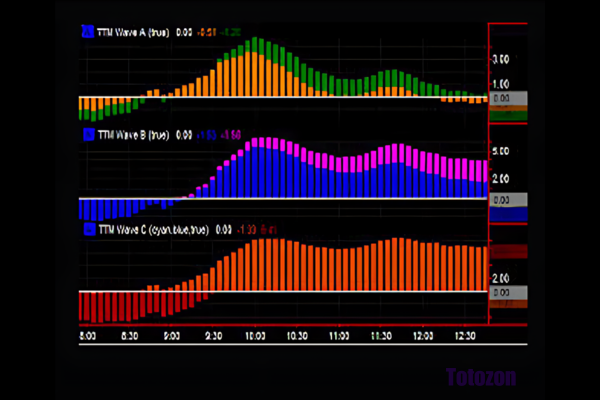 ABC Waves TOS Indicator & Live Class with Simpler Options
1 × $6.00
ABC Waves TOS Indicator & Live Class with Simpler Options
1 × $6.00 -
×
 Hedges on Hedge Funds: How to Successfully Analyze and Select an Investment with James Hedges
1 × $6.00
Hedges on Hedge Funds: How to Successfully Analyze and Select an Investment with James Hedges
1 × $6.00 -
×
 Freak Forex Fundamentals with Ken FX Freak
1 × $6.00
Freak Forex Fundamentals with Ken FX Freak
1 × $6.00 -
×
 EasyLanguage Home Study Course PDF Book + CD
1 × $6.00
EasyLanguage Home Study Course PDF Book + CD
1 × $6.00 -
×
 Advanced Spread Trading with Guy Bower - MasterClass Trader
1 × $15.00
Advanced Spread Trading with Guy Bower - MasterClass Trader
1 × $15.00
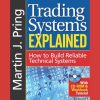
Trading Systems Explained with Martin Pring
$6.00
File Size: Coming soon!
Delivery Time: 1–12 hours
Media Type: Online Course
Trading Systems Explained with Martin Pring
Introduction to Trading Systems
In the world of financial markets, a trading system is a set of rules designed to guide traders in making buy and sell decisions. Martin Pring, a renowned expert in technical analysis, has contributed significantly to the development and understanding of trading systems. This article delves into the key concepts of trading systems as explained by Martin Pring, offering valuable insights for both novice and experienced traders.
Who is Martin Pring?
A Pioneer in Technical Analysis
Martin Pring is a respected authority in the field of technical analysis. With decades of experience, he has authored numerous books and conducted seminars worldwide, educating traders on the nuances of market behavior.
Contributions to Trading Systems
Pring’s work includes the development of various trading systems that help traders navigate the complexities of financial markets. His strategies are known for their practicality and effectiveness.
Understanding Trading Systems
What is a Trading System?
A trading system is a systematic approach to trading that involves predefined rules for entering and exiting trades. These rules are based on technical indicators, price patterns, and other market data.
Components of a Trading System
- Entry Rules: Conditions that must be met to initiate a trade.
- Exit Rules: Conditions that determine when to close a trade.
- Risk Management: Strategies to protect against significant losses.
Why Use a Trading System?
Using a trading system helps remove emotional decision-making from trading, ensuring consistency and discipline.
Benefits of Trading Systems
- Consistency: Provides a structured approach to trading.
- Risk Management: Helps control potential losses.
- Backtesting: Allows for historical testing to assess the system’s effectiveness.
Types of Trading Systems
Trend-Following Systems
Trend-following systems aim to capitalize on market trends. They involve identifying the direction of the market and making trades that align with the prevailing trend.
Key Indicators
- Moving Averages: Used to identify the direction of the trend.
- Trendlines: Help determine the strength and direction of the trend.
Counter-Trend Systems
Counter-trend systems seek to profit from market reversals. These systems involve identifying overbought or oversold conditions and making trades that go against the current trend.
Key Indicators
- Relative Strength Index (RSI): Measures overbought and oversold levels.
- Stochastic Oscillator: Identifies potential reversal points.
Breakout Systems
Breakout systems focus on identifying key levels of support and resistance. Trades are made when the price breaks through these levels, indicating a potential continuation of the trend.
Key Indicators
- Bollinger Bands: Identify volatility and potential breakout points.
- Price Channels: Highlight support and resistance levels.
Developing a Trading System
Step-by-Step Guide
- Define Objectives: Determine your trading goals and risk tolerance.
- Choose Indicators: Select technical indicators that align with your strategy.
- Set Entry and Exit Rules: Establish clear conditions for entering and exiting trades.
- Implement Risk Management: Develop strategies to manage risk and protect your capital.
- Backtest the System: Test the system using historical data to assess its performance.
- Monitor and Adjust: Continuously monitor the system’s performance and make necessary adjustments.
Example Trading System
Entry Rules
- Indicator: 50-day moving average crosses above the 200-day moving average.
- Confirmation: RSI is above 50.
Exit Rules
- Indicator: 50-day moving average crosses below the 200-day moving average.
- Stop-Loss: Set at 2% below the entry price.
Risk Management
- Position Sizing: Limit the size of each trade to 2% of your total capital.
- Stop-Loss Orders: Automatically exit trades that move against you by a predetermined amount.
Testing and Optimization
Backtesting
Backtesting involves applying your trading system to historical data to evaluate its performance. This helps identify potential weaknesses and areas for improvement.
Key Metrics
- Win Rate: The percentage of trades that are profitable.
- Profit Factor: The ratio of gross profit to gross loss.
- Maximum Drawdown: The largest peak-to-trough decline in the trading account.
Optimization
Optimization involves tweaking your trading system to enhance its performance. However, it’s important to avoid overfitting, which can lead to poor performance in real trading.
Avoiding Overfitting
- Use a Robust Sample Size: Ensure you have enough historical data to test your system.
- Out-of-Sample Testing: Test your system on a separate set of data not used in the initial backtest.
Common Mistakes in Trading Systems
Lack of Discipline
Failing to follow the system’s rules can lead to inconsistent results and increased risk.
Overcomplicating the System
Keeping the system simple helps maintain clarity and effectiveness. Overly complex systems can be difficult to implement and monitor.
Ignoring Market Conditions
Market conditions can change, making it essential to adapt your system accordingly. A system that works well in a trending market may not perform as well in a range-bound market.
Conclusion
Trading systems, as explained by Martin Pring, provide a structured approach to trading that helps remove emotional biases and enhance consistency. By understanding the different types of trading systems and how to develop and test them, traders can improve their decision-making and increase their chances of success in the financial markets.
FAQs
1. What is a trading system?
A trading system is a set of predefined rules for entering and exiting trades based on technical indicators and market data.
2. Why should I use a trading system?
Using a trading system helps ensure consistency, discipline, and effective risk management in your trading approach.
3. What are the key components of a trading system?
The key components include entry and exit rules, risk management strategies, and technical indicators.
4. How do I backtest a trading system?
Backtesting involves applying your trading system to historical data to evaluate its performance using metrics like win rate and profit factor.
5. What is the importance of risk management in a trading system?
Risk management protects your capital and helps mitigate potential losses, ensuring long-term success in trading.
Be the first to review “Trading Systems Explained with Martin Pring”
You must be logged in to post a review.
Related products

Original price was: $197.00.$5.00Current price is: $5.00.

Forex Trading
Original price was: $4,997.00.$27.00Current price is: $27.00.

Original price was: $799.00.$15.00Current price is: $15.00.
Original price was: $1,849.00.$15.00Current price is: $15.00.
Original price was: $497.00.$31.00Current price is: $31.00.
Original price was: $997.00.$13.00Current price is: $13.00.

Original price was: $2,120.00.$15.00Current price is: $15.00.

Original price was: $139.00.$23.00Current price is: $23.00.

Forex Trading
The Complete Guide to Multiple Time Frame Analysis & Reading Price Action with Aiman Almansoori
Original price was: $1,399.00.$13.00Current price is: $13.00.

Forex Trading
Original price was: $1,898.00.$10.00Current price is: $10.00.

Forex Trading
Original price was: $2,000.00.$23.00Current price is: $23.00.

Original price was: $700.00.$39.00Current price is: $39.00.
Forex Trading
Original price was: $850.00.$23.00Current price is: $23.00.
Forex Trading
Original price was: $2,995.00.$31.00Current price is: $31.00.

Forex Trading
Original price was: $999.00.$15.00Current price is: $15.00.

Forex Trading
Original price was: $249.00.$15.00Current price is: $15.00.

Original price was: $999.00.$5.00Current price is: $5.00.
Forex Trading
Quantamentals – The Next Great Forefront Of Trading and Investing with Trading Markets
Original price was: $1,495.00.$8.00Current price is: $8.00.

Original price was: $649.00.$20.00Current price is: $20.00.
Original price was: $299.00.$8.00Current price is: $8.00.
Reviews
There are no reviews yet.