
 An Introduction to Option Trading Success with James Bittman
  TradeWithChris - TWC Forex Trading Course
Trading System Building Blocks with John Hill
$6.00
File Size: Coming soon!
Delivery Time: 1–12 hours
Media Type: Online Course
Content Proof: Watch Here!
You may check content proof of “Trading System Building Blocks with John Hill” below:
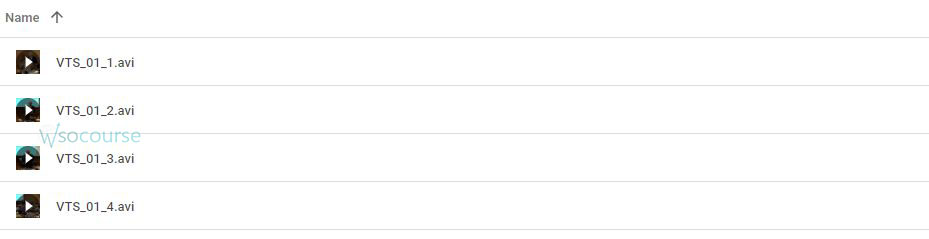
Trading System Building Blocks with John Hill
Introduction
Building a robust trading system is a critical step towards achieving consistent success in the financial markets. John Hill, a renowned expert in trading strategies, provides valuable insights into the essential components of an effective trading system. This article explores the key building blocks necessary for developing a reliable trading system that can withstand market volatility and deliver profitable results.
Understanding Trading Systems
What is a Trading System?
A trading system is a set of rules and guidelines that determine when to buy and sell assets in the financial markets. It aims to remove emotion from trading decisions and ensure consistency and discipline.
Importance of a Trading System
A well-constructed trading system helps traders avoid impulsive decisions, manage risk effectively, and capitalize on market opportunities.
Key Components of a Trading System
Strategy Development
Developing a solid trading strategy is the foundation of any successful trading system. This involves identifying market conditions, setting entry and exit criteria, and defining risk management rules.
Technical Analysis
Technical analysis uses historical price data to identify patterns and trends. Key tools include moving averages, trend lines, and oscillators.
Fundamental Analysis
Fundamental analysis examines economic indicators, financial statements, and other qualitative factors to assess the intrinsic value of assets.
Building Blocks of a Trading System
Entry and Exit Signals
Defining Entry Signals
Entry signals indicate when to buy an asset. These can be based on technical indicators, chart patterns, or fundamental events.
Defining Exit Signals
Exit signals indicate when to sell an asset. These can be based on profit targets, stop-loss levels, or trailing stops.
Risk Management
Position Sizing
Position sizing determines how much capital to allocate to each trade. It helps manage risk and protect the trading account from significant losses.
Stop-Loss Orders
Stop-loss orders automatically close a trade at a predetermined price, limiting potential losses.
Backtesting
Backtesting involves testing the trading system on historical data to evaluate its performance. It helps identify strengths and weaknesses and refine the strategy.
Optimization
Optimization involves adjusting the parameters of the trading system to improve its performance. This can include fine-tuning entry and exit criteria, risk management rules, and other settings.
Implementing the Trading System
Choosing a Trading Platform
Select a trading platform that supports the necessary tools and features for your trading system. Popular platforms include MetaTrader, TradingView, and NinjaTrader.
Setting Up the System
Configure the trading system on your chosen platform. This involves setting up indicators, charts, and order execution rules.
Monitoring and Adjusting
Continuously monitor the performance of the trading system and make adjustments as needed. This ensures that the system remains effective in changing market conditions.
Common Mistakes in Trading System Development
Overfitting
Overfitting occurs when a trading system is too closely tailored to historical data, making it less effective in live markets. Avoid this by using robust testing methods and focusing on general patterns.
Ignoring Risk Management
Neglecting risk management can lead to significant losses. Always incorporate risk management rules into your trading system.
Lack of Discipline
Stick to the rules of your trading system and avoid making impulsive decisions based on emotions or market noise.
Case Studies: Successful Trading Systems
Moving Average Crossover System
This system uses two moving averages (short-term and long-term) to generate buy and sell signals. It is simple yet effective in capturing trends.
RSI and Bollinger Bands System
Combining the Relative Strength Index (RSI) with Bollinger Bands helps identify overbought and oversold conditions, providing reliable entry and exit points.
Breakout Trading System
A breakout trading system identifies key support and resistance levels and generates signals when the price breaks through these levels, indicating strong market momentum.
Practical Tips for Building a Trading System
Start Simple
Begin with a simple trading system and gradually add complexity as you gain experience. This helps avoid confusion and ensures a clear understanding of each component.
Keep Learning
Continuously educate yourself about new trading strategies, tools, and market conditions. This helps keep your trading system relevant and effective.
Be Patient
Building a successful trading system takes time and effort. Be patient and persistent, and don’t expect immediate results.
The Future of Trading Systems
Artificial Intelligence and Machine Learning
AI and machine learning are transforming trading systems by enabling more sophisticated data analysis and predictive modeling.
Automated Trading
Automated trading systems execute trades based on predefined rules, reducing the need for manual intervention and increasing efficiency.
Customization and Flexibility
Future trading systems will offer greater customization and flexibility, allowing traders to tailor strategies to their specific needs and preferences.
Conclusion
Building an effective trading system involves understanding and integrating various components, from strategy development to risk management. John Hill‘s insights provide a comprehensive framework for developing a robust trading system that can adapt to market changes and deliver consistent results. By following these guidelines and continuously refining your approach, you can enhance your trading performance and achieve long-term success.
FAQs
1. What is the primary purpose of a trading system?
The primary purpose of a trading system is to provide a structured approach to buying and selling assets, ensuring consistency and discipline in trading decisions.
2. How important is backtesting in trading system development?
Backtesting is crucial as it helps evaluate the performance of a trading system on historical data, identifying strengths and weaknesses.
3. What are some common technical indicators used in trading systems?
Common technical indicators include moving averages, RSI, MACD, and Bollinger Bands.
4. How can I avoid overfitting in my trading system?
Avoid overfitting by using robust testing methods, focusing on general patterns rather than overly specific criteria, and validating the system on out-of-sample data.
5. Why is risk management essential in a trading system?
Risk management is essential to protect the trading account from significant losses and ensure long-term sustainability.
Be the first to review “Trading System Building Blocks with John Hill”
You must be logged in to post a review.
Related products

Forex Trading



Forex Trading




Forex Trading

Forex Trading


Forex Trading

Forex Trading
Quantamentals – The Next Great Forefront Of Trading and Investing with Trading Markets

Forex Trading



Forex Trading

Forex Trading

Forex Trading

Forex Trading

Reviews
There are no reviews yet.