
-
×
 ICT Mentorship 2016-17 with Inner Circle Trading
1 × $6.00
ICT Mentorship 2016-17 with Inner Circle Trading
1 × $6.00 -
×
 Introduction to Candlestick (Article) with Arthur A.Hill
1 × $6.00
Introduction to Candlestick (Article) with Arthur A.Hill
1 × $6.00 -
×
 Support Resistance
1 × $23.00
Support Resistance
1 × $23.00 -
×
 Best of the Best: Collars with Amy Meissner & Scott Ruble
1 × $15.00
Best of the Best: Collars with Amy Meissner & Scott Ruble
1 × $15.00 -
×
 Astrology & Stock Market Forecasting with Louise McWhirter
1 × $4.00
Astrology & Stock Market Forecasting with Louise McWhirter
1 × $4.00 -
×
 Fund of Funds Investing: A Roadmap to Portfolio Diversification with David Strachman & Richard Bookbinder
1 × $6.00
Fund of Funds Investing: A Roadmap to Portfolio Diversification with David Strachman & Richard Bookbinder
1 × $6.00 -
×
 Lessons from the Greatest Stock Traders of all Time with John Boik
1 × $6.00
Lessons from the Greatest Stock Traders of all Time with John Boik
1 × $6.00 -
×
 AI For Traders with Trading Markets
1 × $31.00
AI For Traders with Trading Markets
1 × $31.00 -
×
 Market Structure Masterclass with Braveheart Trading
1 × $5.00
Market Structure Masterclass with Braveheart Trading
1 × $5.00 -
×
 TradingTheTape - SMTTT
1 × $15.00
TradingTheTape - SMTTT
1 × $15.00 -
×
 Trading Short TermSame Day Trades Sep 2023 with Dan Sheridan & Mark Fenton - Sheridan Options Mentoring
1 × $31.00
Trading Short TermSame Day Trades Sep 2023 with Dan Sheridan & Mark Fenton - Sheridan Options Mentoring
1 × $31.00 -
×
 Broken Wing Butterfly Course
1 × $6.00
Broken Wing Butterfly Course
1 × $6.00 -
×
 Breakout And Breakdown Strategies For Daytraders with Chris Tyler
1 × $6.00
Breakout And Breakdown Strategies For Daytraders with Chris Tyler
1 × $6.00 -
×
 Hot Commodities: How Anyone Can Invest Profitably in the World's Best Market with Jim Rogers
1 × $6.00
Hot Commodities: How Anyone Can Invest Profitably in the World's Best Market with Jim Rogers
1 × $6.00 -
×
 With All Odds Forex System I & II with Barry Thornton
1 × $6.00
With All Odds Forex System I & II with Barry Thornton
1 × $6.00 -
×
 Introduction to Probability with Charles M.Grinstead, J.Laurie Snell
1 × $6.00
Introduction to Probability with Charles M.Grinstead, J.Laurie Snell
1 × $6.00 -
×
 INSIDER HEDGE FUND FORMULA (IHFF)
1 × $6.00
INSIDER HEDGE FUND FORMULA (IHFF)
1 × $6.00 -
×
 W.D. Gann’s Best Trading Systems with Myles Wilson-Walker
1 × $27.00
W.D. Gann’s Best Trading Systems with Myles Wilson-Walker
1 × $27.00 -
×
 TRADING WITH TIME with Frank Barillaro
1 × $8.00
TRADING WITH TIME with Frank Barillaro
1 × $8.00 -
×
 Candlesticks Trading Course
1 × $31.00
Candlesticks Trading Course
1 × $31.00 -
×
 iMF Tracker – Order Flow Program 2023
1 × $5.00
iMF Tracker – Order Flow Program 2023
1 × $5.00 -
×
 Volume Trader Course (SMART MONEY SYSTEM-in German)
1 × $139.00
Volume Trader Course (SMART MONEY SYSTEM-in German)
1 × $139.00 -
×
 Trading Courses Bundle
1 × $31.00
Trading Courses Bundle
1 × $31.00 -
×
 Iron Condor - Advanced
1 × $31.00
Iron Condor - Advanced
1 × $31.00 -
×
 Intra-Day Trading Strategies. Proven Steps to Short-Term Trading Profits with Jeff Cooper
1 × $4.00
Intra-Day Trading Strategies. Proven Steps to Short-Term Trading Profits with Jeff Cooper
1 × $4.00 -
×
 Quantamentals - The Next Great Forefront Of Trading and Investing with Trading Markets
1 × $8.00
Quantamentals - The Next Great Forefront Of Trading and Investing with Trading Markets
1 × $8.00 -
×
 PIPSOCIETY - FOREX AMAZING STRATEGY
1 × $15.00
PIPSOCIETY - FOREX AMAZING STRATEGY
1 × $15.00 -
×
 Turtle Trading Concepts with Russell Sands
1 × $6.00
Turtle Trading Concepts with Russell Sands
1 × $6.00 -
×
 Special Bootcamp with Smart Earners Academy
1 × $5.00
Special Bootcamp with Smart Earners Academy
1 × $5.00 -
×
 Essential Technical Analysis with Leigh Stevens
1 × $6.00
Essential Technical Analysis with Leigh Stevens
1 × $6.00 -
×
 The Best Option Trading Course with David Jaffee - Best Stock Strategy
1 × $15.00
The Best Option Trading Course with David Jaffee - Best Stock Strategy
1 × $15.00 -
×
 Volume, Trend and Momentum with Philip Roth
1 × $6.00
Volume, Trend and Momentum with Philip Roth
1 × $6.00 -
×
 Thetimefactor - TRADING WITH PRICE
1 × $15.00
Thetimefactor - TRADING WITH PRICE
1 × $15.00 -
×
 Monthly Mastermind
1 × $6.00
Monthly Mastermind
1 × $6.00 -
×
 Historical Stock Price Data For 8,000+ US Stocks with Joe Marwood
1 × $4.00
Historical Stock Price Data For 8,000+ US Stocks with Joe Marwood
1 × $4.00 -
×
 Pivot Day Trader for NinjaTrader
1 × $31.00
Pivot Day Trader for NinjaTrader
1 × $31.00 -
×
 Weekly Playbook Workshop #1
1 × $31.00
Weekly Playbook Workshop #1
1 × $31.00 -
×
 Ultra Blue Forex 2024 with Russ Horn
1 × $17.00
Ultra Blue Forex 2024 with Russ Horn
1 × $17.00 -
×
 Self - Paced Course with Andrew Menaker
1 × $17.00
Self - Paced Course with Andrew Menaker
1 × $17.00 -
×
 ETF Sector Plus Strategy (Course Only) with MarketGauge
1 × $62.00
ETF Sector Plus Strategy (Course Only) with MarketGauge
1 × $62.00 -
×
 Unlock the Millionaire Within with Dan Lok
1 × $15.00
Unlock the Millionaire Within with Dan Lok
1 × $15.00 -
×
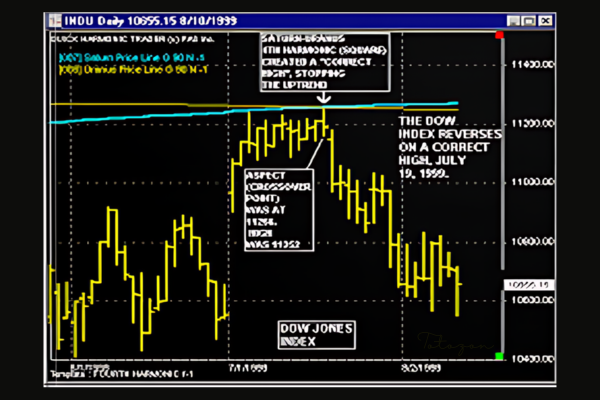 Gann’s Secret with Jeanne Long
1 × $4.00
Gann’s Secret with Jeanne Long
1 × $4.00 -
×
 Order flow self-study training program with iMFtracker
1 × $10.00
Order flow self-study training program with iMFtracker
1 × $10.00 -
×
 Swing Trade Pro 2.0 with PivotBoss
1 × $31.00
Swing Trade Pro 2.0 with PivotBoss
1 × $31.00 -
×
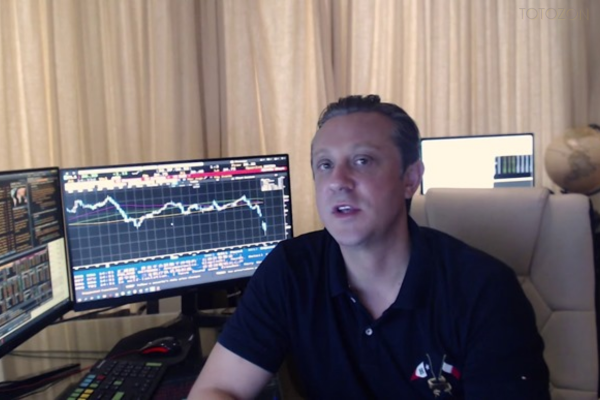 ITPM - The Emergency Trading Room Portfolio Repair from Covid 19
1 × $15.00
ITPM - The Emergency Trading Room Portfolio Repair from Covid 19
1 × $15.00 -
×
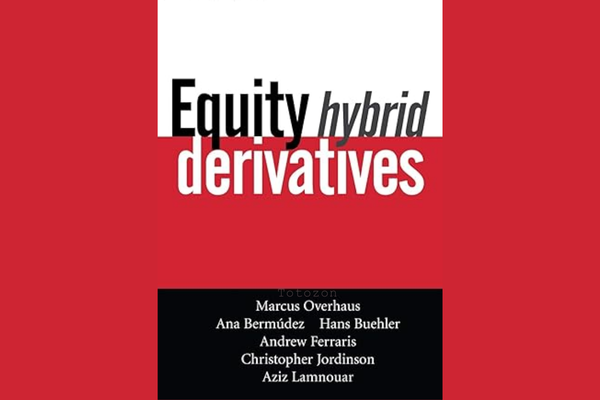 Equity Derivates with Marcus Overhaus, Andrew Ferraris, Thomas Knudsen, Ross Milward, Laurent Nguyen-Ngoc & Gero Schindlmayr
1 × $6.00
Equity Derivates with Marcus Overhaus, Andrew Ferraris, Thomas Knudsen, Ross Milward, Laurent Nguyen-Ngoc & Gero Schindlmayr
1 × $6.00 -
×
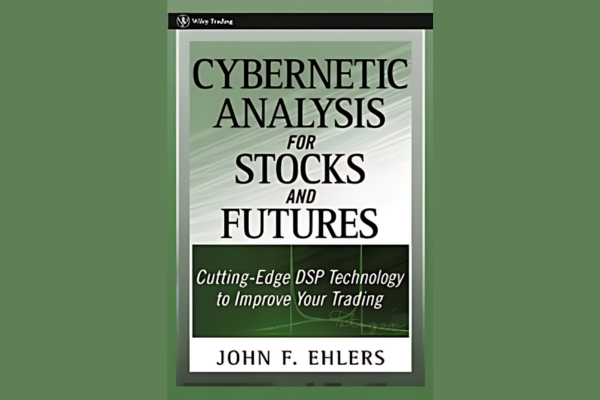 Cybernetic Analysis for Stocks & Futures with John Ehlers
1 × $6.00
Cybernetic Analysis for Stocks & Futures with John Ehlers
1 × $6.00 -
×
 Weekly Credit Spreads for Income
1 × $6.00
Weekly Credit Spreads for Income
1 × $6.00 -
×
 Home Run Options Trading Course with Dave Aquino - Base Camp Trading
1 × $11.00
Home Run Options Trading Course with Dave Aquino - Base Camp Trading
1 × $11.00 -
×
 Forex Nitty Gritty Course with Bill & Greg Poulos
1 × $6.00
Forex Nitty Gritty Course with Bill & Greg Poulos
1 × $6.00 -
×
 How to Analyze Multifamily Investment Opportunities with Symon He & Brandon Young
1 × $6.00
How to Analyze Multifamily Investment Opportunities with Symon He & Brandon Young
1 × $6.00 -
×
 The Indices Orderflow Masterclass with The Forex Scalpers
1 × $23.00
The Indices Orderflow Masterclass with The Forex Scalpers
1 × $23.00
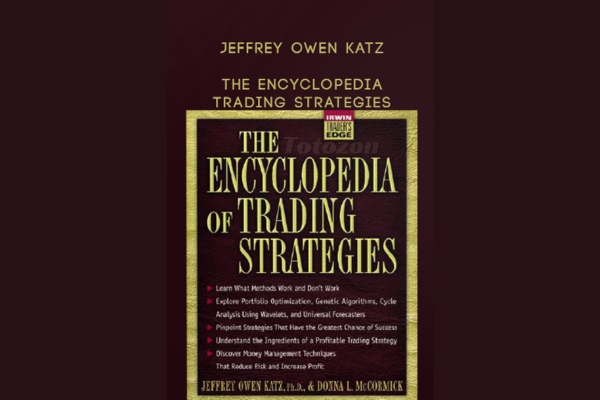
The Encyclopedia Trading Strategies
$6.00
File Size: Coming soon!
Delivery Time: 1–12 hours
Media Type: Online Course
The Encyclopedia Trading Strategies
Introduction to Trading Strategies
Trading strategies are essential for success in the financial markets. Understanding various approaches can help traders maximize their potential. In this article, we will explore a comprehensive range of trading strategies that cater to different trading styles and market conditions.
What Are Trading Strategies?
Trading strategies are systematic approaches designed to achieve profitable trading outcomes. These strategies are based on specific rules and criteria that guide traders in making informed decisions.
The Importance of Trading Strategies
- Consistency: Helps in maintaining a consistent trading approach.
- Risk Management: Assists in managing and mitigating risks.
- Decision-Making: Facilitates better decision-making by removing emotions.
Types of Trading Strategies
1. Day Trading
Day trading involves buying and selling financial instruments within the same trading day. This strategy aims to capitalize on short-term market movements.
Benefits of Day Trading
- Quick Profits: Potential for rapid gains.
- No Overnight Risk: Positions are closed before the market closes.
2. Swing Trading
Swing trading focuses on capturing gains over a few days to weeks. Traders use technical analysis to identify short-term price momentum.
Key Features of Swing Trading
- Medium-Term: Positions are held for several days.
- Technical Analysis: Relies heavily on charts and patterns.
3. Position Trading
Position trading involves holding positions for a longer period, from months to years. This strategy is suitable for those who prefer a long-term investment approach.
Advantages of Position Trading
- Long-Term Gains: Potential for significant profits over time.
- Less Stress: Fewer trades mean reduced stress.
Technical Analysis Strategies
4. Moving Averages
Moving averages smooth out price data to identify trends. Common types include simple moving averages (SMA) and exponential moving averages (EMA).
Using Moving Averages
- Trend Identification: Helps in recognizing market trends.
- Support and Resistance: Acts as dynamic support and resistance levels.
5. Relative Strength Index (RSI)
RSI is a momentum oscillator that measures the speed and change of price movements. It ranges from 0 to 100, with values above 70 indicating overbought conditions and below 30 indicating oversold conditions.
Implementing RSI
- Overbought and Oversold: Identifies potential reversal points.
- Divergence: Signals possible trend reversals.
Fundamental Analysis Strategies
6. Value Investing
Value investing involves picking stocks that appear to be undervalued by the market. Investors look for companies with strong fundamentals.
Principles of Value Investing
- Intrinsic Value: Assessing the true value of a company.
- Margin of Safety: Buying below intrinsic value to reduce risk.
7. Growth Investing
Growth investing focuses on companies expected to grow at an above-average rate compared to others. This strategy is ideal for investors looking for long-term capital appreciation.
Key Aspects of Growth Investing
- High Growth Potential: Companies with strong future prospects.
- Earnings Growth: Focus on earnings expansion.
Risk Management in Trading
8. Stop-Loss Orders
Stop-loss orders are designed to limit an investor’s loss on a position. This strategy is crucial for managing risk.
Setting Stop-Loss Orders
- Fixed Percentage: Setting a stop-loss at a certain percentage below the entry price.
- Volatility-Based: Adjusting stop-loss based on market volatility.
9. Position Sizing
Position sizing determines the amount of capital allocated to a particular trade. Proper position sizing can prevent significant losses.
Methods of Position Sizing
- Fixed Dollar Amount: Allocating a fixed dollar amount to each trade.
- Percentage of Capital: Using a fixed percentage of total capital per trade.
Advanced Trading Strategies
10. Algorithmic Trading
Algorithmic trading uses computer algorithms to execute trades based on predefined criteria. This strategy can process large volumes of data quickly.
Benefits of Algorithmic Trading
- Efficiency: Executes trades faster than humans.
- Accuracy: Reduces human errors.
11. Quantitative Trading
Quantitative trading involves using mathematical models and statistical techniques to identify trading opportunities.
Elements of Quantitative Trading
- Data Analysis: Extensive use of data for decision-making.
- Model Development: Creating and testing trading models.
Conclusion
Understanding and implementing a variety of trading strategies can significantly enhance a trader’s ability to succeed in the financial markets. By combining technical and fundamental analysis, along with sound risk management practices, traders can develop robust strategies tailored to their individual goals and risk tolerance.
FAQs
1. What is the best trading strategy for beginners?
Beginners often find success with simple strategies like moving averages and RSI.
2. How important is risk management in trading?
Risk management is crucial to prevent significant losses and protect capital.
3. Can trading strategies guarantee profits?
No strategy can guarantee profits, but effective strategies can increase the likelihood of success.
4. How often should I review my trading strategy?
Regular reviews are essential, at least quarterly, to ensure the strategy remains effective.
5. What tools can help in implementing trading strategies?
Trading platforms, charting software, and risk management tools are beneficial.
Be the first to review “The Encyclopedia Trading Strategies”
You must be logged in to post a review.
Related products

Original price was: $695.00.$41.00Current price is: $41.00.
Forex Trading
Quantamentals – The Next Great Forefront Of Trading and Investing with Trading Markets
Original price was: $1,495.00.$8.00Current price is: $8.00.

Original price was: $649.00.$20.00Current price is: $20.00.

Forex Trading
Original price was: $797.00.$10.00Current price is: $10.00.

Original price was: $700.00.$39.00Current price is: $39.00.

Forex Trading
The Complete Guide to Multiple Time Frame Analysis & Reading Price Action with Aiman Almansoori
Original price was: $1,399.00.$13.00Current price is: $13.00.

Original price was: $197.00.$5.00Current price is: $5.00.
Forex Trading
Original price was: $2,995.00.$31.00Current price is: $31.00.
Original price was: $799.00.$15.00Current price is: $15.00.

Forex Trading
Original price was: $1,098.00.$39.00Current price is: $39.00.
Forex Trading
Original price was: $1,898.00.$10.00Current price is: $10.00.

Original price was: $1,800.00.$54.00Current price is: $54.00.

Original price was: $997.00.$8.00Current price is: $8.00.

Forex Trading
Original price was: $850.00.$23.00Current price is: $23.00.

Original price was: $299.00.$8.00Current price is: $8.00.

Original price was: $895.00.$15.00Current price is: $15.00.

Forex Trading
Original price was: $125.00.$17.00Current price is: $17.00.

Original price was: $999.00.$5.00Current price is: $5.00.

Forex Trading
Original price was: $500.00.$5.00Current price is: $5.00.
Original price was: $450.00.$23.00Current price is: $23.00.
Reviews
There are no reviews yet.