
-
×
 Scalpathon by Trading Research Group
1 × $23.00
Scalpathon by Trading Research Group
1 × $23.00 -
×
 TRADING NFX Course with Andrew NFX
1 × $5.00
TRADING NFX Course with Andrew NFX
1 × $5.00 -
×
 MotiveWave Course with Todd Gordon
1 × $23.00
MotiveWave Course with Todd Gordon
1 × $23.00 -
×
 Galactic Trader Seminar
1 × $15.00
Galactic Trader Seminar
1 × $15.00 -
×
 Quantamentals - The Next Great Forefront Of Trading and Investing with Trading Markets
1 × $8.00
Quantamentals - The Next Great Forefront Of Trading and Investing with Trading Markets
1 × $8.00 -
×
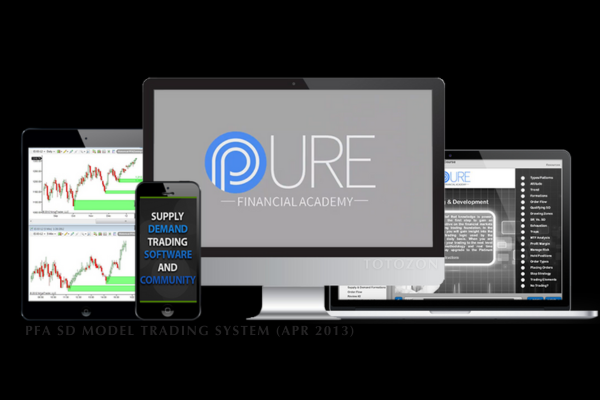 PFA SD Model Trading System (Apr 2013)
1 × $31.00
PFA SD Model Trading System (Apr 2013)
1 × $31.00 -
×
 eASCTrend Pro 6.0 Video Tutorials with Ablesys
1 × $6.00
eASCTrend Pro 6.0 Video Tutorials with Ablesys
1 × $6.00 -
×
 Value Investing Bootcamp with Nick Kraakman
1 × $15.00
Value Investing Bootcamp with Nick Kraakman
1 × $15.00 -
×
 Intro to Fibonacci Trading with Neal Hughes
1 × $6.00
Intro to Fibonacci Trading with Neal Hughes
1 × $6.00 -
×
 AI For Traders with Trading Markets
1 × $31.00
AI For Traders with Trading Markets
1 × $31.00 -
×
 Master Trader Technical Strategies with Greg Capra - Master Trader
1 × $5.00
Master Trader Technical Strategies with Greg Capra - Master Trader
1 × $5.00 -
×
 Micro Bull Run Mentorship Program (Autumn 2023) with Brendan Viehman
1 × $23.00
Micro Bull Run Mentorship Program (Autumn 2023) with Brendan Viehman
1 × $23.00 -
×
 Random Walk Trading - J.L.Lord - One Strategy for All Markets
1 × $6.00
Random Walk Trading - J.L.Lord - One Strategy for All Markets
1 × $6.00 -
×
 How to Make Money in the Futures Market … and Lots of It with Charles Drummond
1 × $6.00
How to Make Money in the Futures Market … and Lots of It with Charles Drummond
1 × $6.00 -
×
 FOREX TRADING: Beginner's Course To Becoming A Top Trader with Karen Foo
1 × $6.00
FOREX TRADING: Beginner's Course To Becoming A Top Trader with Karen Foo
1 × $6.00 -
×
 Matrix Spread Options Trading Course with Base Camp Trading
1 × $31.00
Matrix Spread Options Trading Course with Base Camp Trading
1 × $31.00 -
×
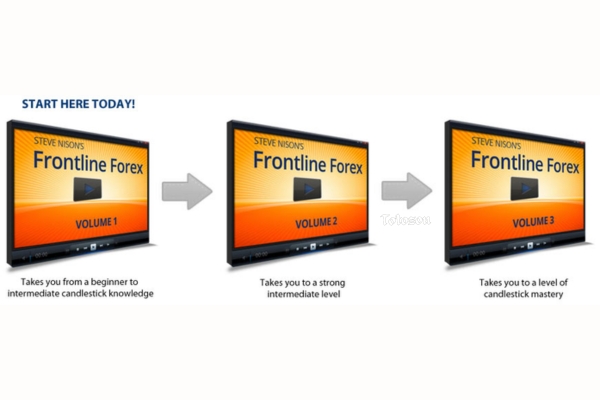 Frontline Forex Vol 1-3 with Steve Nison - Candle Charts
1 × $54.00
Frontline Forex Vol 1-3 with Steve Nison - Candle Charts
1 × $54.00 -
×
 Raghee’s Winners Circle Course
1 × $6.00
Raghee’s Winners Circle Course
1 × $6.00 -
×
 Price Action Trading 101 By Steve Burns
1 × $15.00
Price Action Trading 101 By Steve Burns
1 × $15.00 -
×
 Beginners Guide To Technical Analysis with Henry Gambell
1 × $15.00
Beginners Guide To Technical Analysis with Henry Gambell
1 × $15.00 -
×
 RTM + Suppy and Demand with Nora Bystra
1 × $6.00
RTM + Suppy and Demand with Nora Bystra
1 × $6.00 -
×
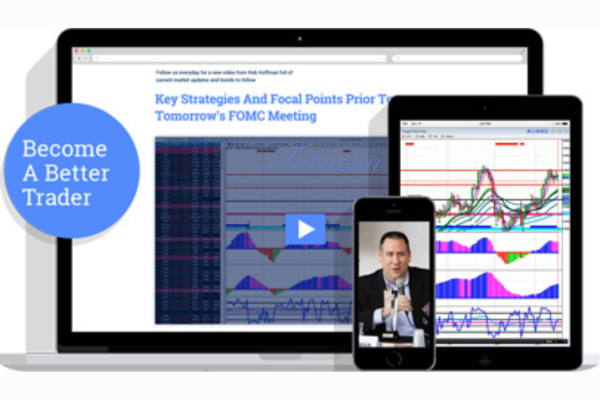 Rob’s 6 Day 21 Set-up Course with Rob Hoffman
1 × $85.00
Rob’s 6 Day 21 Set-up Course with Rob Hoffman
1 × $85.00 -
×
 Forex Xl Course (1.0+2.0+3.0)
1 × $10.00
Forex Xl Course (1.0+2.0+3.0)
1 × $10.00 -
×
 Forex Strategy Master
1 × $31.00
Forex Strategy Master
1 × $31.00 -
×
 Self-Managed Trading with Stochastics By George Lane
1 × $4.00
Self-Managed Trading with Stochastics By George Lane
1 × $4.00 -
×
 Secrets of Swiss Banking with Hoyt Barber
1 × $6.00
Secrets of Swiss Banking with Hoyt Barber
1 × $6.00 -
×
 Pips University
1 × $6.00
Pips University
1 × $6.00 -
×
 Advanced Option Trading with Broken Wing Butterflys with Greg Loehr
1 × $9.00
Advanced Option Trading with Broken Wing Butterflys with Greg Loehr
1 × $9.00 -
×
 Forex Trading Advice & Intro to The Natural Flow
1 × $6.00
Forex Trading Advice & Intro to The Natural Flow
1 × $6.00 -
×
 March 2023 Intensive Live Trading Event with Apteros Trading
1 × $5.00
March 2023 Intensive Live Trading Event with Apteros Trading
1 × $5.00 -
×
 Seasonality. Systems, Strategies & Signals
1 × $6.00
Seasonality. Systems, Strategies & Signals
1 × $6.00 -
×
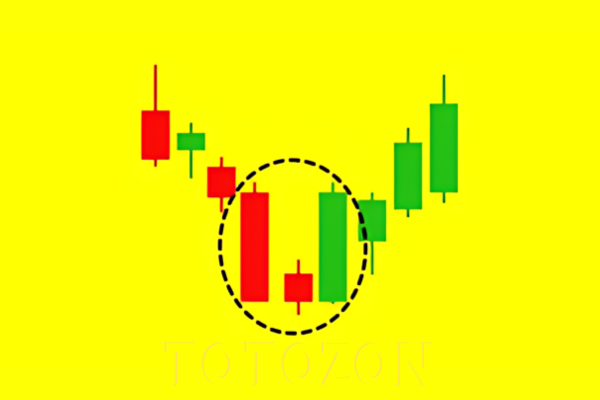 Level 1 - Japanese Candlesticks Trading Mastery Program with Rohit Musale & Rashmi Musale
1 × $5.00
Level 1 - Japanese Candlesticks Trading Mastery Program with Rohit Musale & Rashmi Musale
1 × $5.00 -
×
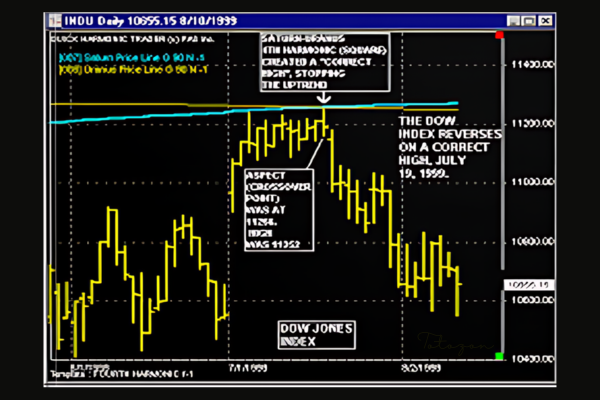 Gann’s Secret with Jeanne Long
1 × $4.00
Gann’s Secret with Jeanne Long
1 × $4.00 -
×
 Winning With The Market with Douglas R.Sease
1 × $6.00
Winning With The Market with Douglas R.Sease
1 × $6.00 -
×
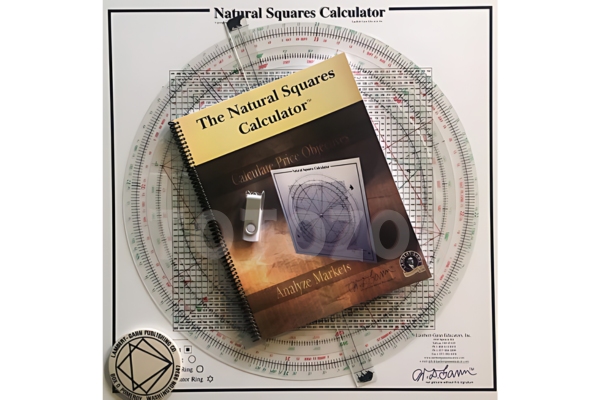 Natural Squares Calculator with Lambert-Gann Educators
1 × $6.00
Natural Squares Calculator with Lambert-Gann Educators
1 × $6.00 -
×
 Slump Busting Techniques with Linda Raschke
1 × $4.00
Slump Busting Techniques with Linda Raschke
1 × $4.00 -
×
 Master Forex Fundamentals
1 × $15.00
Master Forex Fundamentals
1 × $15.00 -
×
 Forex Profit Multiplier with Bill & Greg Poulos
1 × $6.00
Forex Profit Multiplier with Bill & Greg Poulos
1 × $6.00 -
×
 Pattern Cycles with Alan Farley
1 × $6.00
Pattern Cycles with Alan Farley
1 × $6.00 -
×
 Latent Curve Models with Kenneth Bollen
1 × $6.00
Latent Curve Models with Kenneth Bollen
1 × $6.00 -
×
 Mission Million Money Management Course
1 × $31.00
Mission Million Money Management Course
1 × $31.00 -
×
 Advanced Gap Trading Strategies with Master Trader
1 × $31.00
Advanced Gap Trading Strategies with Master Trader
1 × $31.00 -
×
 Smart Money with Chart Engineers
1 × $7.00
Smart Money with Chart Engineers
1 × $7.00 -
×
 ICT Prodigy Trading Course – $650K in Payouts with Alex Solignani
1 × $15.00
ICT Prodigy Trading Course – $650K in Payouts with Alex Solignani
1 × $15.00
Trading Psychology Mastery Course – Trading Composure
$6.00
File Size: 738 MB
Delivery Time: 1–12 hours
Media Type: Online Course
Trading Psychology Mastery Course – Trading Composure
Welcome to our comprehensive guide on the Trading Psychology Mastery Course, specifically designed to enhance your trading composure. This unique course is tailored to help traders maintain emotional control and make rational decisions in the often turbulent world of trading. Here’s what you can expect and how it can transform your trading approach.
1. Introduction to Trading Psychology
Why Is Psychology Important in Trading?
Trading isn’t just about numbers and strategies; it’s also about understanding and managing your emotional responses.
- Common psychological challenges: Fear, greed, and impulsiveness.
- Benefits of mastering trading psychology: Improved decision-making, consistency, and better risk management.
2. Core Components of the Course
Understanding Yourself
Learn about the psychological aspects that influence trading behavior and how to harness them to your advantage.
- Self-assessment techniques: Identify personal biases and emotional triggers.
- Building a trader’s mindset: Strategies to cultivate discipline and patience.
The Science Behind Trading Emotions
Exploring the psychological theories and studies that explain why traders react in certain ways to market changes.
3. Techniques to Enhance Trading Composure
Mindfulness and Meditation
How these practices can help you maintain calmness and clarity in the face of market volatility.
- Daily routines: Incorporating mindfulness into your trading routine.
- Real-life benefits: Examples of how meditation can lead to better trading outcomes.
Cognitive Behavioral Techniques
Tools to reshape your thinking patterns, helping to reduce emotional reactions and enhance logical decision-making.
4. Developing a Personalized Trading Plan
Setting Realistic Goals
Guidance on how to set achievable trading goals that are aligned with your risk tolerance and investment horizon.
Risk Management Strategies
Crucial techniques to help manage emotional responses to losses and unexpected market movements.
- Stress tests: Preparing for different market scenarios.
- Balanced portfolio techniques: Diversifying to mitigate risks.
5. Practical Application of Course Concepts
Simulated Trading Scenarios
Engage in scenarios that mimic real trading environments to practice the psychological strategies taught in the course.
Feedback and Improvement
How to use feedback from these simulations to make adjustments to your trading and psychological approaches.
6. Advanced Modules for Experienced Traders
Dealing with Extreme Market Conditions
Strategies to maintain composure during high volatility and market crashes.
Long-Term Psychological Resilience
Building resilience to endure through various market cycles and trading challenges.
7. Tools and Resources for Continuous Learning
Recommended Readings and Tools
A list of books, articles, and digital resources to further your understanding of trading psychology.
Community and Peer Support
Benefits of engaging with a community of like-minded traders for support and shared learning.
8. Measuring Your Progress
Psychological Assessments
Tools and techniques for periodically assessing your psychological growth and trading mindset.
Adapting and Evolving
How to adapt your trading strategies based on psychological insights and market experiences.
Conclusion
The Trading Psychology Mastery Course offers a unique opportunity to master the mental aspects of trading. By understanding the psychological forces at play, implementing strategic practices to enhance your composure, and continuously adapting to new information, you can dramatically improve your trading performance. Are you ready to take control of your trading psychology and achieve new levels of success in the markets?
FAQs
- What is the first step in improving trading psychology?
- The first step is recognizing your emotional responses and understanding their impact on your trading decisions.
- How can mindfulness directly benefit my trading?
- Mindfulness helps to reduce stress, improve focus, and decrease emotional reactivity, leading to more calculated and thoughtful trading decisions.
- What are some common psychological traps in trading?
- Common traps include overconfidence, fear of missing out (FOMO), and the gambler’s fallacy.
- Can trading psychology be learned, or is it innate?
- While some aspects are innate, most trading psychological skills and composure can be learned and refined through practice and education.
- How often should I reassess my trading psychology strategies?
- It’s beneficial to reassess your strategies regularly, at least once a quarter, to refine approaches and address any new psychological challenges.
Be the first to review “Trading Psychology Mastery Course – Trading Composure”
You must be logged in to post a review.
Related products

Forex Trading
Original price was: $550.00.$5.00Current price is: $5.00.
Forex Trading
Original price was: $2,995.00.$31.00Current price is: $31.00.

Forex Trading
Original price was: $697.00.$5.00Current price is: $5.00.

Original price was: $4,995.00.$15.00Current price is: $15.00.

Forex Trading
Original price was: $397.00.$31.00Current price is: $31.00.

Forex Trading
Original price was: $1,098.00.$39.00Current price is: $39.00.

Forex Trading
The Complete Guide to Multiple Time Frame Analysis & Reading Price Action with Aiman Almansoori
Original price was: $1,399.00.$13.00Current price is: $13.00.

Original price was: $799.00.$15.00Current price is: $15.00.

Forex Trading
Original price was: $2,000.00.$23.00Current price is: $23.00.

Original price was: $997.00.$13.00Current price is: $13.00.

Original price was: $139.00.$23.00Current price is: $23.00.

Original price was: $999.00.$5.00Current price is: $5.00.
Forex Trading
Quantamentals – The Next Great Forefront Of Trading and Investing with Trading Markets
Original price was: $1,495.00.$8.00Current price is: $8.00.

Original price was: $1,849.00.$15.00Current price is: $15.00.

Forex Trading
Original price was: $4,997.00.$27.00Current price is: $27.00.

Original price was: $1,800.00.$54.00Current price is: $54.00.

Original price was: $649.00.$20.00Current price is: $20.00.

Original price was: $450.00.$23.00Current price is: $23.00.

Original price was: $1,200.00.$23.00Current price is: $23.00.
Forex Trading
Original price was: $500.00.$5.00Current price is: $5.00.

Reviews
There are no reviews yet.