
-
×
 The Precision Profit Float Indicator (TS Code & Setups) with Steve Woods
1 × $6.00
The Precision Profit Float Indicator (TS Code & Setups) with Steve Woods
1 × $6.00 -
×
 Trading 3SMA System with Hector DeVille
1 × $6.00
Trading 3SMA System with Hector DeVille
1 × $6.00 -
×
 Options 201: Vertical and Calendar Spread Essentials 5 Part Class with Don Kaufman On Demand Replay
1 × $6.00
Options 201: Vertical and Calendar Spread Essentials 5 Part Class with Don Kaufman On Demand Replay
1 × $6.00 -
×
 Trade Options Like a DPM with The Admiral Webinar Series with Hamzei Analytics
1 × $6.00
Trade Options Like a DPM with The Admiral Webinar Series with Hamzei Analytics
1 × $6.00 -
×
 Fierce 10 On Demand Coaching Program with High Performance Trading
1 × $5.00
Fierce 10 On Demand Coaching Program with High Performance Trading
1 × $5.00 -
×
 The Handbook of Risk with Ben Warwick
1 × $6.00
The Handbook of Risk with Ben Warwick
1 × $6.00 -
×
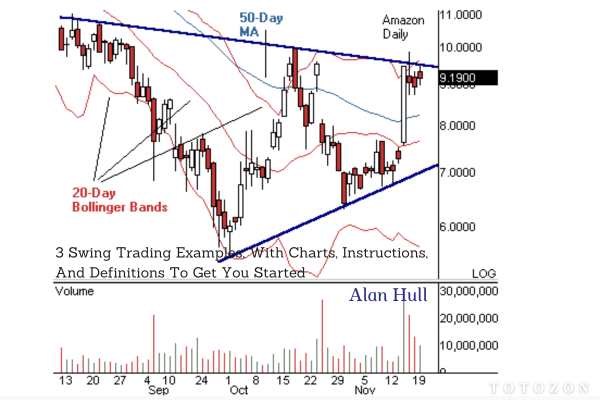 3 Swing Trading Examples, With Charts, Instructions, And Definitions To Get You Started by Alan Farley
1 × $6.00
3 Swing Trading Examples, With Charts, Instructions, And Definitions To Get You Started by Alan Farley
1 × $6.00 -
×
 Learn how to trade Volatility 75 Index Technical Analysis with Patrick Muke
1 × $6.00
Learn how to trade Volatility 75 Index Technical Analysis with Patrick Muke
1 × $6.00 -
×
 Order flow self-study training program with iMFtracker
1 × $10.00
Order flow self-study training program with iMFtracker
1 × $10.00 -
×
 Forex Secrets Exposed
1 × $15.00
Forex Secrets Exposed
1 × $15.00 -
×
 Best of Livestock with Timothy Sykes
1 × $5.00
Best of Livestock with Timothy Sykes
1 × $5.00 -
×
 The Adventures of the Cycle Hunter. The Trader with Craig Bttlc
1 × $6.00
The Adventures of the Cycle Hunter. The Trader with Craig Bttlc
1 × $6.00 -
×
 Forex Trading Like Banks - Step by Step by Live Examples with Taher Assaf
1 × $6.00
Forex Trading Like Banks - Step by Step by Live Examples with Taher Assaf
1 × $6.00 -
×
 RSI Basic with Andrew Cardwell
1 × $54.00
RSI Basic with Andrew Cardwell
1 × $54.00 -
×
 Crystal Ball Pack PLUS bonus Live Trade By Pat Mitchell - Trick Trades
1 × $20.00
Crystal Ball Pack PLUS bonus Live Trade By Pat Mitchell - Trick Trades
1 × $20.00 -
×
 ProfileTraders - Swing and Price Analysis (May 2014)
1 × $6.00
ProfileTraders - Swing and Price Analysis (May 2014)
1 × $6.00 -
×
 Equities Markets Certification (EMC©) with Eric Cheung - Wall Street Prep
1 × $46.00
Equities Markets Certification (EMC©) with Eric Cheung - Wall Street Prep
1 × $46.00 -
×
 Basic Options Course Cash Flow. Diversification. Flexibility with Michael Drew
1 × $6.00
Basic Options Course Cash Flow. Diversification. Flexibility with Michael Drew
1 × $6.00 -
×
 ActiveBeta Indexes. Capturing Systematic Sources of Active Equity Returns (HTML) with Andrew Lo
1 × $6.00
ActiveBeta Indexes. Capturing Systematic Sources of Active Equity Returns (HTML) with Andrew Lo
1 × $6.00 -
×
 30 Day Masterclass with Joe Elite Trader Hub ICT
1 × $6.00
30 Day Masterclass with Joe Elite Trader Hub ICT
1 × $6.00 -
×
 Profiting In Bull Or Bear Markets with George Dagnino
1 × $6.00
Profiting In Bull Or Bear Markets with George Dagnino
1 × $6.00 -
×
 Fractal Flow Strategy Video Course with Fractal Flow Pro
1 × $6.00
Fractal Flow Strategy Video Course with Fractal Flow Pro
1 × $6.00 -
×
 The 10%ers with Trader Mike
1 × $5.00
The 10%ers with Trader Mike
1 × $5.00 -
×
 Squeeze the Markets with Markay Latimer
1 × $6.00
Squeeze the Markets with Markay Latimer
1 × $6.00 -
×
 TradeCraft: Your Path to Peak Performance Trading By Adam Grimes
1 × $15.00
TradeCraft: Your Path to Peak Performance Trading By Adam Grimes
1 × $15.00 -
×
 Staying Alive in the Markets (Video & Manual) with Mark Cook
1 × $6.00
Staying Alive in the Markets (Video & Manual) with Mark Cook
1 × $6.00 -
×
 Options Trading & Ultimate MasterClass With Tyrone Abela - FX Evolution
1 × $54.00
Options Trading & Ultimate MasterClass With Tyrone Abela - FX Evolution
1 × $54.00 -
×
 Volume Profile 2023 (Elite Pack) with Trader Dale
1 × $5.00
Volume Profile 2023 (Elite Pack) with Trader Dale
1 × $5.00 -
×
 SQX Mentorship with Tip Toe Hippo
1 × $23.00
SQX Mentorship with Tip Toe Hippo
1 × $23.00 -
×
 Commodities Rising: The Reality Behind the Hype and How To Really Profit in the Commodities Market - Jeffrey Christian
1 × $6.00
Commodities Rising: The Reality Behind the Hype and How To Really Profit in the Commodities Market - Jeffrey Christian
1 × $6.00 -
×
 ENG Renko Mastery with International Scalpers
1 × $10.00
ENG Renko Mastery with International Scalpers
1 × $10.00 -
×
 Sensitivity Analysis in Practice
1 × $6.00
Sensitivity Analysis in Practice
1 × $6.00 -
×
 Trading Courses Bundle
1 × $31.00
Trading Courses Bundle
1 × $31.00 -
×
 Compass Trading System with Right Line Trading
1 × $39.00
Compass Trading System with Right Line Trading
1 × $39.00 -
×
 Hot Commodities: How Anyone Can Invest Profitably in the World's Best Market with Jim Rogers
1 × $6.00
Hot Commodities: How Anyone Can Invest Profitably in the World's Best Market with Jim Rogers
1 × $6.00 -
×
 Traders Edge with Steven Dux
1 × $5.00
Traders Edge with Steven Dux
1 × $5.00 -
×
 Dynamic Time Cycles with Peter Eliades
1 × $6.00
Dynamic Time Cycles with Peter Eliades
1 × $6.00 -
×
 Profits in the Stock Market with Harold Gartley
1 × $6.00
Profits in the Stock Market with Harold Gartley
1 × $6.00 -
×
 Futures Commodity Trading with G. Scott Martin
1 × $6.00
Futures Commodity Trading with G. Scott Martin
1 × $6.00 -
×
 The Raptor 10 Momentum Methodology Course
1 × $6.00
The Raptor 10 Momentum Methodology Course
1 × $6.00 -
×
 Forecast 2024 Clarification with Larry Williams
1 × $15.00
Forecast 2024 Clarification with Larry Williams
1 × $15.00 -
×
 AI For Traders with Trading Markets
1 × $31.00
AI For Traders with Trading Markets
1 × $31.00 -
×
 CFA Level 3 - Examination Morning Session – Essay (2002)
1 × $6.00
CFA Level 3 - Examination Morning Session – Essay (2002)
1 × $6.00 -
×
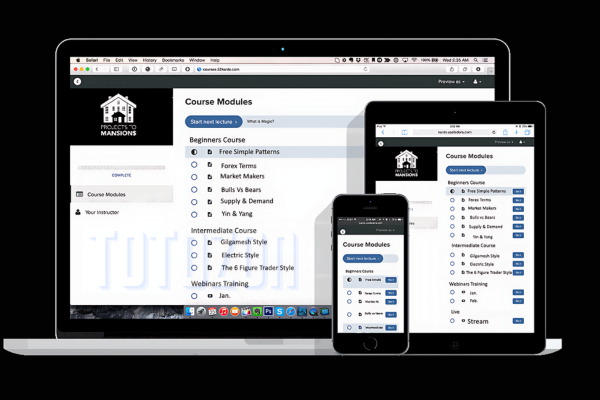 7 Figures Forex Course
1 × $15.00
7 Figures Forex Course
1 × $15.00 -
×
 Best of AM Review (Volume 1-3) with Peter Bain
1 × $6.00
Best of AM Review (Volume 1-3) with Peter Bain
1 × $6.00 -
×
 Stock Trading Wizard
1 × $6.00
Stock Trading Wizard
1 × $6.00 -
×
 Floor Traders Edge Mentorship Program with Market Geeks
1 × $6.00
Floor Traders Edge Mentorship Program with Market Geeks
1 × $6.00 -
×
 The All Put Flat Butterfly with Dan Sheridan - Sheridan Options Mentoring
1 × $6.00
The All Put Flat Butterfly with Dan Sheridan - Sheridan Options Mentoring
1 × $6.00 -
×
 How Do You See Risk? A Guide to Evaluating & Applying Technical Volatility Indicators class with Jeff Bierman
1 × $6.00
How Do You See Risk? A Guide to Evaluating & Applying Technical Volatility Indicators class with Jeff Bierman
1 × $6.00 -
×
 Setups of a Winning Trader with Gareth Soloway
1 × $521.00
Setups of a Winning Trader with Gareth Soloway
1 × $521.00 -
×
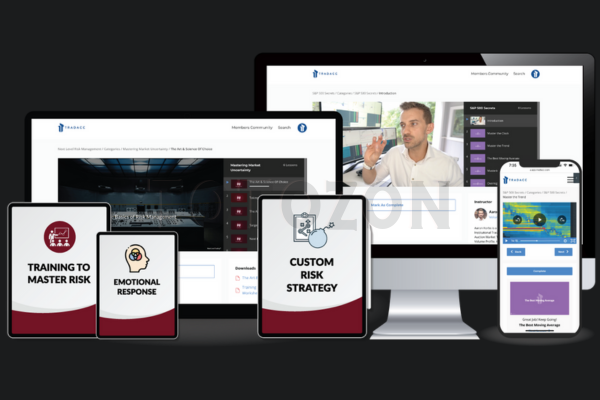 S&P 500 Secrets + Next Level Risk Management with Tradacc
1 × $8.00
S&P 500 Secrets + Next Level Risk Management with Tradacc
1 × $8.00 -
×
 Empirical Market Microstructure
1 × $6.00
Empirical Market Microstructure
1 × $6.00 -
×
 Scalp Strategy and Flipping Small Accounts with Opes Trading Group
1 × $5.00
Scalp Strategy and Flipping Small Accounts with Opes Trading Group
1 × $5.00
Trading Plan with Andrew Baxter
$6.00
File Size: Cooming soon!
Delivery Time: 1–12 hours
Media Type: Online Course
Content Proof: Watch Here!
You may check content proof of “Trading Plan with Andrew Baxter” below:
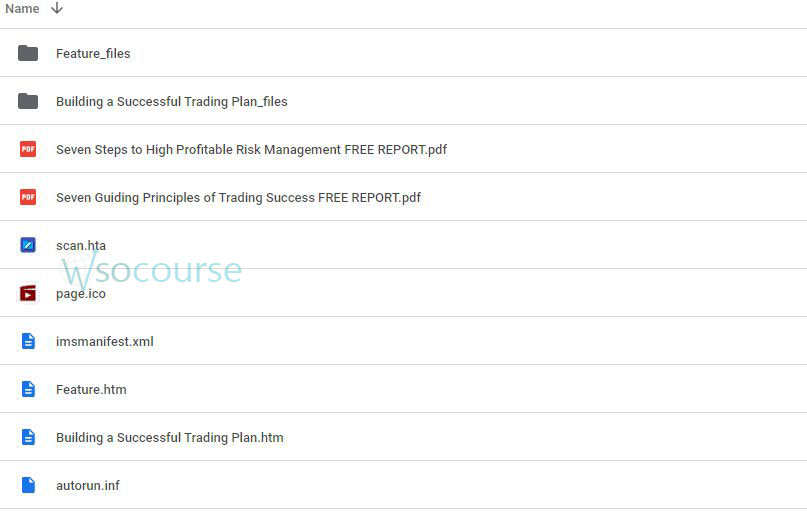
Trading Plan with Andrew Baxter
Introduction to Trading Plans
Creating a solid trading plan is essential for success in the financial markets. Andrew Baxter, a renowned trader and educator, emphasizes the importance of having a well-structured trading plan to guide your decisions and manage risks effectively. Let’s dive into the components of a robust trading plan and learn how to implement it successfully.
What is a Trading Plan?
Definition and Purpose
A trading plan is a comprehensive set of rules and guidelines that outline how you will execute your trades. It includes your trading goals, risk management strategies, and specific criteria for entering and exiting trades.
Why You Need a Trading Plan
A trading plan helps you stay disciplined, avoid emotional decisions, and manage your risk effectively. It serves as a roadmap to achieve your trading goals and improve your consistency.
Key Components of a Trading Plan
1. Trading Goals
Setting clear, achievable goals is the first step in developing a trading plan. Your goals should be specific, measurable, attainable, relevant, and time-bound (SMART).
Short-Term Goals
These might include daily or weekly profit targets, learning new strategies, or improving specific trading skills.
Long-Term Goals
Long-term goals could involve annual profit targets, building a diversified portfolio, or achieving financial independence through trading.
2. Risk Management
Effective risk management is crucial to protect your capital and ensure long-term success.
Position Sizing
Determine how much of your capital you will risk on each trade. A common rule is to risk no more than 1-2% of your trading capital on a single trade.
Stop-Loss Orders
Use stop-loss orders to limit potential losses. Set your stop-loss level based on technical analysis and your risk tolerance.
3. Market Analysis
Conduct thorough market analysis to identify trading opportunities.
Technical Analysis
Use charts and technical indicators to analyze price movements and trends. Common tools include moving averages, RSI, and MACD.
Fundamental Analysis
Consider economic indicators, company financials, and market news to make informed trading decisions.
4. Entry and Exit Criteria
Define specific criteria for entering and exiting trades. This helps you avoid impulsive decisions and stay disciplined.
Entry Signals
Identify conditions that must be met before entering a trade. This could include specific price levels, chart patterns, or indicator signals.
Exit Signals
Set criteria for closing a trade, such as reaching a profit target, hitting a stop-loss, or changes in market conditions.
5. Trading Strategy
Your trading strategy should align with your goals and risk tolerance.
Day Trading
Focus on short-term price movements and execute multiple trades within a single day.
Swing Trading
Hold positions for several days or weeks to capture medium-term price movements.
Long-Term Investing
Invest in assets with the intention of holding them for several months or years to benefit from long-term growth.
6. Record Keeping
Maintain detailed records of all your trades. This helps you analyze your performance and identify areas for improvement.
Trading Journal
Keep a trading journal that includes the date, entry and exit points, position size, profit/loss, and notes on each trade.
Performance Review
Regularly review your trading journal to assess your performance and make necessary adjustments to your trading plan.
Implementing Your Trading Plan
Backtesting Your Plan
Test your trading plan on historical data to evaluate its effectiveness. This helps you identify any potential flaws and make improvements before trading with real money.
Paper Trading
Practice your trading plan using a demo account. This allows you to refine your strategies without risking actual capital.
Starting Small
When you’re ready to trade with real money, start with a small amount of capital. Gradually increase your position sizes as you gain confidence and experience.
Common Mistakes to Avoid
Ignoring Risk Management
Neglecting risk management can lead to significant losses. Always prioritize protecting your capital.
Overtrading
Avoid overtrading by sticking to your trading plan and only taking trades that meet your criteria.
Emotional Trading
Emotional decisions can undermine your trading plan. Stay disciplined and avoid making impulsive trades based on fear or greed.
Benefits of Having a Trading Plan
Improved Discipline
A trading plan helps you stay disciplined and avoid impulsive decisions that can lead to losses.
Consistent Performance
By following a structured plan, you can achieve more consistent trading results and steadily grow your capital.
Enhanced Confidence
Having a clear plan boosts your confidence, as you know exactly what steps to take in different market conditions.
Conclusion
Developing a comprehensive trading plan with insights from Andrew Baxter can significantly enhance your trading success. By setting clear goals, managing risk effectively, and staying disciplined, you can navigate the financial markets with confidence and consistency. Embrace the process, continuously refine your plan, and watch your trading performance improve over time.

Frequently Asked Questions:
What is a trading plan?
A trading plan is a set of rules and guidelines that outline how you will execute your trades, including your goals, risk management strategies, and entry/exit criteria.
Why is risk management important in a trading plan?
Risk management helps protect your capital and ensures long-term success by limiting potential losses on each trade.
How can I develop a successful trading strategy?
Develop a strategy that aligns with your goals and risk tolerance, conduct thorough market analysis, and define clear entry and exit criteria.
What should be included in a trading journal?
A trading journal should include the date, entry and exit points, position size, profit/loss, and notes on each trade to help you analyze your performance.
Why is it important to backtest a trading plan?
Backtesting evaluates the effectiveness of your trading plan on historical data, allowing you to identify and correct any flaws before trading with real money.
Be the first to review “Trading Plan with Andrew Baxter”
You must be logged in to post a review.
Related products
Forex Trading
Original price was: $249.00.$15.00Current price is: $15.00.

Forex Trading
Original price was: $397.00.$31.00Current price is: $31.00.

Original price was: $497.00.$31.00Current price is: $31.00.
Forex Trading
Original price was: $1,898.00.$10.00Current price is: $10.00.

Forex Trading
Original price was: $125.00.$17.00Current price is: $17.00.
Original price was: $999.00.$5.00Current price is: $5.00.

Original price was: $2,120.00.$15.00Current price is: $15.00.

Original price was: $997.00.$13.00Current price is: $13.00.

Forex Trading
Original price was: $799.00.$15.00Current price is: $15.00.

Forex Trading
Original price was: $239.00.$8.00Current price is: $8.00.

Forex Trading
Quantamentals – The Next Great Forefront Of Trading and Investing with Trading Markets
Original price was: $1,495.00.$8.00Current price is: $8.00.
Original price was: $4,995.00.$15.00Current price is: $15.00.

Original price was: $450.00.$23.00Current price is: $23.00.

Original price was: $895.00.$15.00Current price is: $15.00.
Original price was: $1,800.00.$54.00Current price is: $54.00.
Original price was: $649.00.$20.00Current price is: $20.00.
Forex Trading
Original price was: $2,995.00.$31.00Current price is: $31.00.
Forex Trading
Original price was: $2,997.00.$23.00Current price is: $23.00.

Original price was: $197.00.$5.00Current price is: $5.00.

Forex Trading
The Complete Guide to Multiple Time Frame Analysis & Reading Price Action with Aiman Almansoori
Original price was: $1,399.00.$13.00Current price is: $13.00.

Reviews
There are no reviews yet.