
-
×
 Algo Trading Masterclass with Ali Casey - StatOasis
1 × $23.00
Algo Trading Masterclass with Ali Casey - StatOasis
1 × $23.00 -
×
 Advanced Course with Dimitri Wallace - Gold Minds Global
1 × $6.00
Advanced Course with Dimitri Wallace - Gold Minds Global
1 × $6.00 -
×
 Market Profile Video with FutexLive
1 × $6.00
Market Profile Video with FutexLive
1 × $6.00 -
×
 Forex EURUSD Trader Live Training (2012)
1 × $6.00
Forex EURUSD Trader Live Training (2012)
1 × $6.00 -
×
 TradeCraft: Your Path to Peak Performance Trading By Adam Grimes
1 × $15.00
TradeCraft: Your Path to Peak Performance Trading By Adam Grimes
1 × $15.00 -
×
 Advanced Nuances & Exceptions eCourse with Jim Dalton
1 × $15.00
Advanced Nuances & Exceptions eCourse with Jim Dalton
1 × $15.00 -
×
 Quantamentals - The Next Great Forefront Of Trading and Investing with Trading Markets
1 × $8.00
Quantamentals - The Next Great Forefront Of Trading and Investing with Trading Markets
1 × $8.00 -
×
 Home Run Options Trading Course with Dave Aquino - Base Camp Trading
1 × $11.00
Home Run Options Trading Course with Dave Aquino - Base Camp Trading
1 × $11.00 -
×
 Lessons From A Trader’s Camp. Winning Psychology & Tactics with Alexander Elder
1 × $6.00
Lessons From A Trader’s Camp. Winning Psychology & Tactics with Alexander Elder
1 × $6.00 -
×
 Crystal Ball Pack PLUS bonus Live Trade By Pat Mitchell - Trick Trades
1 × $20.00
Crystal Ball Pack PLUS bonus Live Trade By Pat Mitchell - Trick Trades
1 × $20.00 -
×
 Chris Swaggy C Williams - The Swag Academy
1 × $6.00
Chris Swaggy C Williams - The Swag Academy
1 × $6.00 -
×
 Forex 360 Complete Course
1 × $6.00
Forex 360 Complete Course
1 × $6.00 -
×
 Deep Market Analysis Volume 1 with Fractal Flow Pro
1 × $6.00
Deep Market Analysis Volume 1 with Fractal Flow Pro
1 × $6.00 -
×
 Forex Education Trading System (Video 469 MB)
1 × $23.00
Forex Education Trading System (Video 469 MB)
1 × $23.00 -
×
 How to Trade Better with Larry Williams
1 × $6.00
How to Trade Better with Larry Williams
1 × $6.00 -
×
 SQX Mentorship with Tip Toe Hippo
1 × $23.00
SQX Mentorship with Tip Toe Hippo
1 × $23.00 -
×
 Hands On Training Bundle with Talkin Options
1 × $23.00
Hands On Training Bundle with Talkin Options
1 × $23.00 -
×
 Winning With The Market with Douglas R.Sease
1 × $6.00
Winning With The Market with Douglas R.Sease
1 × $6.00 -
×
 Natural Squares Calculator with Lambert-Gann Educators
1 × $6.00
Natural Squares Calculator with Lambert-Gann Educators
1 × $6.00 -
×
 How to Value & Sell your Business with Andrew Heslop
1 × $6.00
How to Value & Sell your Business with Andrew Heslop
1 × $6.00 -
×
 Forex Fury
1 × $23.00
Forex Fury
1 × $23.00 -
×
 Gann’s Scientific Methods Unveiled (Vol I, II)
1 × $6.00
Gann’s Scientific Methods Unveiled (Vol I, II)
1 × $6.00 -
×
 Advanced Spread Trading with Guy Bower - MasterClass Trader
1 × $15.00
Advanced Spread Trading with Guy Bower - MasterClass Trader
1 × $15.00 -
×
 The Cash Flow Bootcamp with John Macgregor
1 × $233.00
The Cash Flow Bootcamp with John Macgregor
1 × $233.00 -
×
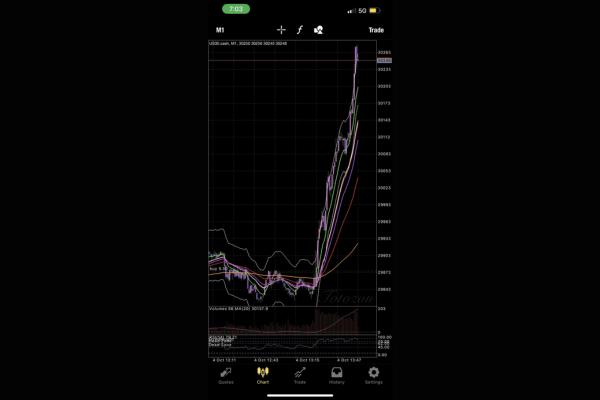 Cheatcode Trend System with Dominique Woodson
1 × $15.00
Cheatcode Trend System with Dominique Woodson
1 × $15.00 -
×
 George Wollsten: Expert Stock and Grain Trader with George Bayer
1 × $6.00
George Wollsten: Expert Stock and Grain Trader with George Bayer
1 × $6.00 -
×
 Mutual Funds for Dummies (6th edition) with Eric Tyson
1 × $6.00
Mutual Funds for Dummies (6th edition) with Eric Tyson
1 × $6.00 -
×
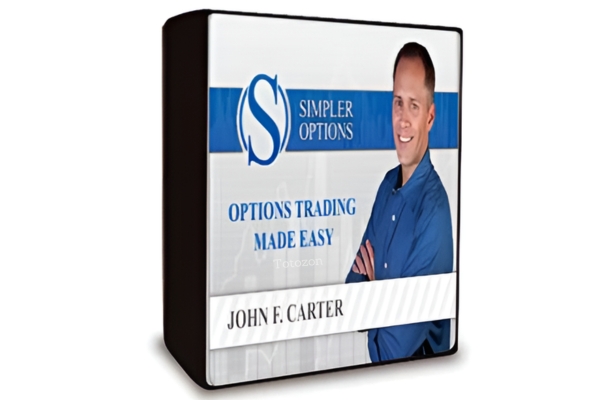 John Carter SimplerOptions John Trade TSLA Live on TOS Making 1.5 Million Dollars 2014-01-15
1 × $6.00
John Carter SimplerOptions John Trade TSLA Live on TOS Making 1.5 Million Dollars 2014-01-15
1 × $6.00 -
×
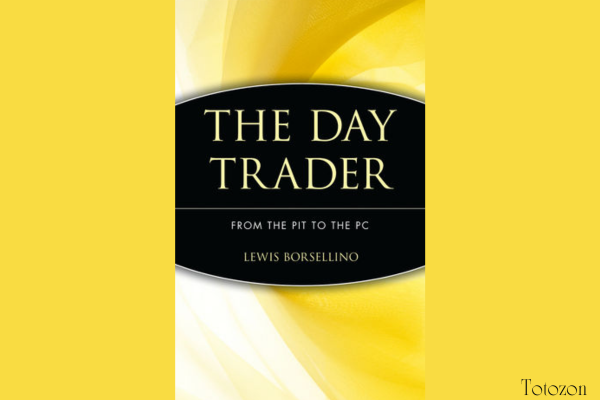 The Day Trader: From the Pit to the PC with Lewis Borsellino
1 × $6.00
The Day Trader: From the Pit to the PC with Lewis Borsellino
1 × $6.00 -
×
 Ultimate Trading Course with Dodgy's Dungeon
1 × $8.00
Ultimate Trading Course with Dodgy's Dungeon
1 × $8.00 -
×
 Hedge Funds for Dummies
1 × $6.00
Hedge Funds for Dummies
1 × $6.00 -
×
 How To Backtest Bootcamp
1 × $17.00
How To Backtest Bootcamp
1 × $17.00 -
×
 The Market Maker’s Edge with Josh Lukeman
1 × $6.00
The Market Maker’s Edge with Josh Lukeman
1 × $6.00 -
×
 Behavior and Performance of Investment Newsletter Analysts (Article) with Alok Kumar
1 × $6.00
Behavior and Performance of Investment Newsletter Analysts (Article) with Alok Kumar
1 × $6.00 -
×
 Order flow self-study training program with iMFtracker
1 × $10.00
Order flow self-study training program with iMFtracker
1 × $10.00 -
×
 The Great Divergence: China, Europe, and the Making of the Modern World Economy with Kenneth Pomeranz
1 × $6.00
The Great Divergence: China, Europe, and the Making of the Modern World Economy with Kenneth Pomeranz
1 × $6.00 -
×
 Handbook of Integral Equations with Andrei D.Polyanin, Alexander V.Manzhirov
1 × $6.00
Handbook of Integral Equations with Andrei D.Polyanin, Alexander V.Manzhirov
1 × $6.00 -
×
 Making Sense of Price Action: Price Action Profits with Scott Foster
1 × $54.00
Making Sense of Price Action: Price Action Profits with Scott Foster
1 × $54.00

How to Spot Trading Opportunities
$6.00
File Size: Coming soon!
Delivery Time: 1–12 hours
Media Type: Online Course
How to Spot Trading Opportunities
Introduction
In the dynamic world of trading, identifying profitable opportunities is crucial for success. Whether you’re a novice trader or a seasoned professional, understanding how to spot trading opportunities can significantly enhance your trading strategy. This article delves into the key methods and indicators that can help you identify these opportunities effectively.
Understanding Market Trends
What Are Market Trends?
Market trends are the general direction in which a market is moving. They can be upward, downward, or sideways.
Types of Market Trends
- Uptrend: A series of higher highs and higher lows.
- Downtrend: A series of lower highs and lower lows.
- Sideways Trend: Little to no movement in either direction.
Analyzing Trends
Identifying the current market trend is the first step in spotting trading opportunities. Use tools like moving averages and trend lines to help determine the direction.
Technical Analysis
What is Technical Analysis?
Technical analysis involves examining past market data, primarily price and volume, to forecast future price movements.
Key Technical Indicators
- Moving Averages
- Relative Strength Index (RSI)
- Bollinger Bands
- MACD (Moving Average Convergence Divergence)
Using Charts for Technical Analysis
Charts provide a visual representation of price movements. Candlestick charts, bar charts, and line charts are commonly used.
Fundamental Analysis
What is Fundamental Analysis?
Fundamental analysis evaluates a security’s intrinsic value by examining related economic, financial, and other qualitative and quantitative factors.
Key Fundamentals to Consider
- Company Earnings
- Revenue Growth
- Debt Levels
- Economic Indicators
Combining Fundamental and Technical Analysis
Using both fundamental and technical analysis provides a more comprehensive view of the market and helps identify trading opportunities.
Identifying Support and Resistance Levels
What Are Support and Resistance Levels?
Support is a price level where a downtrend can be expected to pause due to a concentration of demand. Resistance is a price level where a uptrend can be expected to pause due to a concentration of selling.
How to Identify Support and Resistance
- Historical Price Levels
- Trend Lines
- Moving Averages
Using Support and Resistance in Trading
Spotting support and resistance levels can help you determine entry and exit points for trades.
Volume Analysis
Importance of Volume in Trading
Volume measures the number of shares or contracts traded in a security or market.
Key Volume Indicators
- On-Balance Volume (OBV)
- Volume Price Trend (VPT)
- Accumulation/Distribution Line
Interpreting Volume Data
High volume can indicate strong investor interest and confirm a price movement, while low volume might suggest a lack of conviction.
Utilizing Trading Signals
What Are Trading Signals?
Trading signals are triggers for action, based on criteria such as specific price levels or technical indicators.
Common Trading Signals
- Golden Cross and Death Cross
- Divergences
- Breakouts
Implementing Trading Signals
Incorporate trading signals into your strategy to automate decision-making and enhance your ability to spot opportunities.
Risk Management
Importance of Risk Management
Effective risk management protects your capital and ensures longevity in trading.
Key Risk Management Techniques
- Stop-Loss Orders
- Position Sizing
- Diversification
Balancing Risk and Reward
Evaluate the risk-reward ratio of each trade to ensure it aligns with your overall trading strategy.
The Role of News and Events
Impact of News on Markets
News events, such as economic reports or geopolitical developments, can significantly impact market movements.
How to Stay Informed
Use news aggregators, financial websites, and trading platforms to keep up with the latest news.
Trading on News
Be cautious when trading based on news, as markets can be volatile and react unpredictably.
Developing a Trading Plan
What is a Trading Plan?
A trading plan outlines your trading goals, strategies, risk tolerance, and rules.
Components of a Trading Plan
- Objectives
- Entry and Exit Criteria
- Risk Management Rules
- Performance Evaluation
Sticking to Your Trading Plan
Discipline is key. Stick to your plan to avoid emotional decision-making and improve your chances of success.
Using Trading Platforms
Choosing a Trading Platform
Select a platform that offers the tools and features you need, such as charting capabilities, technical indicators, and real-time data.
Features to Look For
- User-Friendly Interface
- Mobile Access
- Educational Resources
Maximizing Platform Use
Take advantage of demo accounts to practice and refine your trading strategies without financial risk.
Conclusion
Spotting trading opportunities requires a blend of technical analysis, fundamental analysis, and staying informed about market news and trends. By understanding and applying these methods, you can enhance your trading strategy and increase your chances of success. Remember to maintain a disciplined approach, manage your risks effectively, and continually refine your techniques.
FAQs
What is the best way to identify trading opportunities?
Combining technical analysis, fundamental analysis, and staying informed about market news and trends is the best way to identify trading opportunities.
How do support and resistance levels help in trading?
Support and resistance levels help determine entry and exit points by identifying price levels where the market tends to reverse direction.
Why is volume important in trading?
Volume indicates the strength of a price movement. High volume confirms trends, while low volume suggests weakness.
What is a trading signal?
A trading signal is a trigger for action based on specific criteria, such as price levels or technical indicators, that suggests a buy or sell opportunity.
How should I manage risk in trading?
Manage risk by using stop-loss orders, position sizing, and diversification to protect your capital and ensure longevity in trading.
Be the first to review “How to Spot Trading Opportunities”
You must be logged in to post a review.
Related products
Forex Trading
Original price was: $2,000.00.$23.00Current price is: $23.00.

Forex Trading
Original price was: $125.00.$17.00Current price is: $17.00.

Forex Trading
Original price was: $999.00.$15.00Current price is: $15.00.

Forex Trading
Original price was: $500.00.$5.00Current price is: $5.00.

Original price was: $299.00.$8.00Current price is: $8.00.

Original price was: $1,849.00.$15.00Current price is: $15.00.

Forex Trading
Original price was: $499.00.$15.00Current price is: $15.00.

Forex Trading
Original price was: $2,995.00.$31.00Current price is: $31.00.

Original price was: $1,800.00.$54.00Current price is: $54.00.

Original price was: $695.00.$41.00Current price is: $41.00.

Original price was: $497.00.$31.00Current price is: $31.00.
Forex Trading
Original price was: $239.00.$8.00Current price is: $8.00.
Forex Trading
Quantamentals – The Next Great Forefront Of Trading and Investing with Trading Markets
Original price was: $1,495.00.$8.00Current price is: $8.00.

Original price was: $997.00.$8.00Current price is: $8.00.
Original price was: $497.00.$11.00Current price is: $11.00.

Forex Trading
Original price was: $697.00.$5.00Current price is: $5.00.

Forex Trading
Original price was: $249.00.$15.00Current price is: $15.00.

Forex Trading
Original price was: $4,997.00.$27.00Current price is: $27.00.

Forex Trading
Original price was: $850.00.$23.00Current price is: $23.00.

Original price was: $197.00.$5.00Current price is: $5.00.

Reviews
There are no reviews yet.