
-
×
 Big Boy Volume Spread Analysis + Advanced Price Action Mastery Course with Kai Sheng Chew
1 × $15.00
Big Boy Volume Spread Analysis + Advanced Price Action Mastery Course with Kai Sheng Chew
1 × $15.00 -
×
 Inefficient Markets with Andrei Shleifer
1 × $6.00
Inefficient Markets with Andrei Shleifer
1 × $6.00 -
×
 Fundamentals of the Securities Industry with William A.Rini
1 × $6.00
Fundamentals of the Securities Industry with William A.Rini
1 × $6.00 -
×
 Big Profit Patterns Using Candlestick Signals & Gaps with Stephen W.Bigalow
1 × $6.00
Big Profit Patterns Using Candlestick Signals & Gaps with Stephen W.Bigalow
1 × $6.00 -
×
 Short Swing Trading v6.0 with David Smith
1 × $6.00
Short Swing Trading v6.0 with David Smith
1 × $6.00 -
×
 High Probability Trading Using Elliott Wave And Fibonacci Analysis withVic Patel - Forex Training Group
1 × $10.00
High Probability Trading Using Elliott Wave And Fibonacci Analysis withVic Patel - Forex Training Group
1 × $10.00 -
×
 Short-Term Trading with Precision Timing - Jack Bernstein
1 × $6.00
Short-Term Trading with Precision Timing - Jack Bernstein
1 × $6.00 -
×
 Traders: Risks, Decisions, and Management in Financial Markets - Mark Fenton-O’Creevy, Nigel Nicholson, Emma Soane & Paul Willman
1 × $6.00
Traders: Risks, Decisions, and Management in Financial Markets - Mark Fenton-O’Creevy, Nigel Nicholson, Emma Soane & Paul Willman
1 × $6.00 -
×
 Portfolio Management in Practice with Christine Brentani
1 × $6.00
Portfolio Management in Practice with Christine Brentani
1 × $6.00 -
×
 0 DTE Options Trading Workshop with Aeromir Corporation
1 × $15.00
0 DTE Options Trading Workshop with Aeromir Corporation
1 × $15.00 -
×
 The Orderflow Masterclass with PrimeTrading
1 × $17.00
The Orderflow Masterclass with PrimeTrading
1 × $17.00 -
×
 Beginners Guide To Technical Analysis with Henry Gambell
1 × $15.00
Beginners Guide To Technical Analysis with Henry Gambell
1 × $15.00 -
×
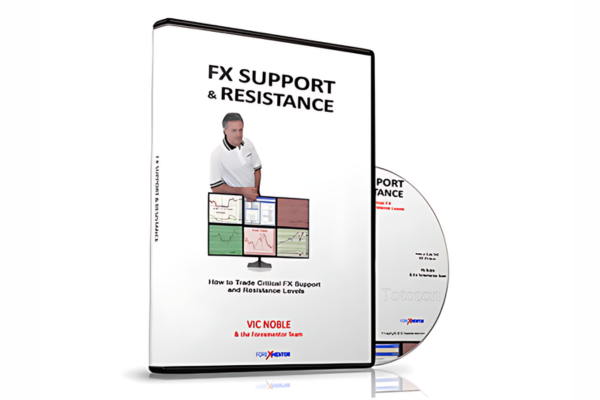 How To Trade Forex Using Support & Resistance Levels with Vic Noble
1 × $6.00
How To Trade Forex Using Support & Resistance Levels with Vic Noble
1 × $6.00 -
×
 ND10X - 10X Your Money In 10 Days with Nicola Delic
1 × $23.00
ND10X - 10X Your Money In 10 Days with Nicola Delic
1 × $23.00 -
×
 TRADING NFX Course with Andrew NFX
1 × $5.00
TRADING NFX Course with Andrew NFX
1 × $5.00 -
×
 Stock Market Strategies That Work with Jack Bernstein
1 × $6.00
Stock Market Strategies That Work with Jack Bernstein
1 × $6.00 -
×
 Essential Stock Picking Strategies with Daniel Strachman
1 × $6.00
Essential Stock Picking Strategies with Daniel Strachman
1 × $6.00 -
×
 WondaFX Signature Strategy with WondaFX
1 × $5.00
WondaFX Signature Strategy with WondaFX
1 × $5.00 -
×
 Investors Underground - Tandem Trader
1 × $5.00
Investors Underground - Tandem Trader
1 × $5.00 -
×
 Measuring Risk in Complex Stochastic Systems with J.Franke, W. Hardle, G. Stahl
1 × $6.00
Measuring Risk in Complex Stochastic Systems with J.Franke, W. Hardle, G. Stahl
1 × $6.00 -
×
 Selective Forex Trading with Don Snellgrove
1 × $6.00
Selective Forex Trading with Don Snellgrove
1 × $6.00 -
×
 Options On Futures Class By Mark Fenton - Sheridan Options Mentoring
1 × $6.00
Options On Futures Class By Mark Fenton - Sheridan Options Mentoring
1 × $6.00 -
×
 Options Trading & Ultimate MasterClass With Tyrone Abela - FX Evolution
1 × $54.00
Options Trading & Ultimate MasterClass With Tyrone Abela - FX Evolution
1 × $54.00 -
×
 The Instagram DM Automation Playbook with Natasha Takahashi
1 × $6.00
The Instagram DM Automation Playbook with Natasha Takahashi
1 × $6.00 -
×
 Developing the Psychological Trader’s Edge with Robin Dayne
1 × $6.00
Developing the Psychological Trader’s Edge with Robin Dayne
1 × $6.00 -
×
 How To Read The Market Professionally with TradeSmart
1 × $27.00
How To Read The Market Professionally with TradeSmart
1 × $27.00 -
×
 ProfileTraders - Swing and Price Analysis (May 2014)
1 × $6.00
ProfileTraders - Swing and Price Analysis (May 2014)
1 × $6.00 -
×
 Commodity Speculation for Beginners with Charles Huff, Barbara Marinacci
1 × $6.00
Commodity Speculation for Beginners with Charles Huff, Barbara Marinacci
1 × $6.00 -
×
 Coulda, woulda, shoulda with Charles Cottle
1 × $6.00
Coulda, woulda, shoulda with Charles Cottle
1 × $6.00 -
×
 Bulls on Wall Street Mentorship
1 × $31.00
Bulls on Wall Street Mentorship
1 × $31.00 -
×
 90 Days To Trade MasterClass with Jerremy Newsome & Matt Delong - Real Life Trading
1 × $104.00
90 Days To Trade MasterClass with Jerremy Newsome & Matt Delong - Real Life Trading
1 × $104.00 -
×
 A Comparison of Twelve Technical Trading Systems with Louis Lukac
1 × $6.00
A Comparison of Twelve Technical Trading Systems with Louis Lukac
1 × $6.00 -
×
 Create Your Own ETF Hedge Fund: A Do-It-Yourself ETF Strategy for Private Wealth Management with David Fry
1 × $6.00
Create Your Own ETF Hedge Fund: A Do-It-Yourself ETF Strategy for Private Wealth Management with David Fry
1 × $6.00 -
×
 Steve Jobs. The Greatest Second Act in the History of Business with Young Simon
1 × $6.00
Steve Jobs. The Greatest Second Act in the History of Business with Young Simon
1 × $6.00 -
×
 Simpler Options - Stock Trading Patterns
1 × $6.00
Simpler Options - Stock Trading Patterns
1 × $6.00 -
×
 The Prop Trading Code with Brannigan Barrett - Axia Futures
1 × $23.00
The Prop Trading Code with Brannigan Barrett - Axia Futures
1 × $23.00

How to Spot Trading Opportunities
$6.00
File Size: Coming soon!
Delivery Time: 1–12 hours
Media Type: Online Course
How to Spot Trading Opportunities
Introduction
In the dynamic world of trading, identifying profitable opportunities is crucial for success. Whether you’re a novice trader or a seasoned professional, understanding how to spot trading opportunities can significantly enhance your trading strategy. This article delves into the key methods and indicators that can help you identify these opportunities effectively.
Understanding Market Trends
What Are Market Trends?
Market trends are the general direction in which a market is moving. They can be upward, downward, or sideways.
Types of Market Trends
- Uptrend: A series of higher highs and higher lows.
- Downtrend: A series of lower highs and lower lows.
- Sideways Trend: Little to no movement in either direction.
Analyzing Trends
Identifying the current market trend is the first step in spotting trading opportunities. Use tools like moving averages and trend lines to help determine the direction.
Technical Analysis
What is Technical Analysis?
Technical analysis involves examining past market data, primarily price and volume, to forecast future price movements.
Key Technical Indicators
- Moving Averages
- Relative Strength Index (RSI)
- Bollinger Bands
- MACD (Moving Average Convergence Divergence)
Using Charts for Technical Analysis
Charts provide a visual representation of price movements. Candlestick charts, bar charts, and line charts are commonly used.
Fundamental Analysis
What is Fundamental Analysis?
Fundamental analysis evaluates a security’s intrinsic value by examining related economic, financial, and other qualitative and quantitative factors.
Key Fundamentals to Consider
- Company Earnings
- Revenue Growth
- Debt Levels
- Economic Indicators
Combining Fundamental and Technical Analysis
Using both fundamental and technical analysis provides a more comprehensive view of the market and helps identify trading opportunities.
Identifying Support and Resistance Levels
What Are Support and Resistance Levels?
Support is a price level where a downtrend can be expected to pause due to a concentration of demand. Resistance is a price level where a uptrend can be expected to pause due to a concentration of selling.
How to Identify Support and Resistance
- Historical Price Levels
- Trend Lines
- Moving Averages
Using Support and Resistance in Trading
Spotting support and resistance levels can help you determine entry and exit points for trades.
Volume Analysis
Importance of Volume in Trading
Volume measures the number of shares or contracts traded in a security or market.
Key Volume Indicators
- On-Balance Volume (OBV)
- Volume Price Trend (VPT)
- Accumulation/Distribution Line
Interpreting Volume Data
High volume can indicate strong investor interest and confirm a price movement, while low volume might suggest a lack of conviction.
Utilizing Trading Signals
What Are Trading Signals?
Trading signals are triggers for action, based on criteria such as specific price levels or technical indicators.
Common Trading Signals
- Golden Cross and Death Cross
- Divergences
- Breakouts
Implementing Trading Signals
Incorporate trading signals into your strategy to automate decision-making and enhance your ability to spot opportunities.
Risk Management
Importance of Risk Management
Effective risk management protects your capital and ensures longevity in trading.
Key Risk Management Techniques
- Stop-Loss Orders
- Position Sizing
- Diversification
Balancing Risk and Reward
Evaluate the risk-reward ratio of each trade to ensure it aligns with your overall trading strategy.
The Role of News and Events
Impact of News on Markets
News events, such as economic reports or geopolitical developments, can significantly impact market movements.
How to Stay Informed
Use news aggregators, financial websites, and trading platforms to keep up with the latest news.
Trading on News
Be cautious when trading based on news, as markets can be volatile and react unpredictably.
Developing a Trading Plan
What is a Trading Plan?
A trading plan outlines your trading goals, strategies, risk tolerance, and rules.
Components of a Trading Plan
- Objectives
- Entry and Exit Criteria
- Risk Management Rules
- Performance Evaluation
Sticking to Your Trading Plan
Discipline is key. Stick to your plan to avoid emotional decision-making and improve your chances of success.
Using Trading Platforms
Choosing a Trading Platform
Select a platform that offers the tools and features you need, such as charting capabilities, technical indicators, and real-time data.
Features to Look For
- User-Friendly Interface
- Mobile Access
- Educational Resources
Maximizing Platform Use
Take advantage of demo accounts to practice and refine your trading strategies without financial risk.
Conclusion
Spotting trading opportunities requires a blend of technical analysis, fundamental analysis, and staying informed about market news and trends. By understanding and applying these methods, you can enhance your trading strategy and increase your chances of success. Remember to maintain a disciplined approach, manage your risks effectively, and continually refine your techniques.
FAQs
What is the best way to identify trading opportunities?
Combining technical analysis, fundamental analysis, and staying informed about market news and trends is the best way to identify trading opportunities.
How do support and resistance levels help in trading?
Support and resistance levels help determine entry and exit points by identifying price levels where the market tends to reverse direction.
Why is volume important in trading?
Volume indicates the strength of a price movement. High volume confirms trends, while low volume suggests weakness.
What is a trading signal?
A trading signal is a trigger for action based on specific criteria, such as price levels or technical indicators, that suggests a buy or sell opportunity.
How should I manage risk in trading?
Manage risk by using stop-loss orders, position sizing, and diversification to protect your capital and ensure longevity in trading.
Be the first to review “How to Spot Trading Opportunities”
You must be logged in to post a review.
Related products

Original price was: $700.00.$39.00Current price is: $39.00.
Original price was: $1,200.00.$23.00Current price is: $23.00.

Original price was: $1,849.00.$15.00Current price is: $15.00.

Forex Trading
Original price was: $397.00.$31.00Current price is: $31.00.

Original price was: $997.00.$8.00Current price is: $8.00.

Original price was: $197.00.$5.00Current price is: $5.00.

Original price was: $450.00.$23.00Current price is: $23.00.

Forex Trading
Original price was: $697.00.$5.00Current price is: $5.00.

Original price was: $999.00.$5.00Current price is: $5.00.

Forex Trading
Original price was: $1,898.00.$10.00Current price is: $10.00.

Original price was: $299.00.$8.00Current price is: $8.00.

Forex Trading
Original price was: $799.00.$15.00Current price is: $15.00.
Forex Trading
Original price was: $999.00.$15.00Current price is: $15.00.

Forex Trading
Original price was: $2,000.00.$23.00Current price is: $23.00.

Original price was: $497.00.$11.00Current price is: $11.00.

Forex Trading
Quantamentals – The Next Great Forefront Of Trading and Investing with Trading Markets
Original price was: $1,495.00.$8.00Current price is: $8.00.

Original price was: $997.00.$13.00Current price is: $13.00.

Original price was: $310.00.$23.00Current price is: $23.00.
Forex Trading
Original price was: $125.00.$17.00Current price is: $17.00.
Forex Trading
Original price was: $550.00.$5.00Current price is: $5.00.

Reviews
There are no reviews yet.