
-
×
 Timing Solution Advanced Build February 2014
1 × $15.00
Timing Solution Advanced Build February 2014
1 × $15.00 -
×
 How to Consistently Win Trading Stocks in 30 Days or Less
1 × $15.00
How to Consistently Win Trading Stocks in 30 Days or Less
1 × $15.00 -
×
 Reedstrader 101: Mechanical Trading Strategy Workshop - REEDSTRADER
1 × $31.00
Reedstrader 101: Mechanical Trading Strategy Workshop - REEDSTRADER
1 × $31.00 -
×
 Trading Short TermSame Day Trades Sep 2023 with Dan Sheridan & Mark Fenton - Sheridan Options Mentoring
1 × $31.00
Trading Short TermSame Day Trades Sep 2023 with Dan Sheridan & Mark Fenton - Sheridan Options Mentoring
1 × $31.00 -
×
 Compass Trading System with Right Line Trading
1 × $39.00
Compass Trading System with Right Line Trading
1 × $39.00 -
×
 InterMarket Analysis (Ed.2004) with John J.Murphy
1 × $6.00
InterMarket Analysis (Ed.2004) with John J.Murphy
1 × $6.00 -
×
 Butterfly and Condor Workshop with Aeromir
1 × $15.00
Butterfly and Condor Workshop with Aeromir
1 × $15.00 -
×
 White Phoenix’s The Smart (Money) Approach to Trading with Jayson Casper
1 × $39.00
White Phoenix’s The Smart (Money) Approach to Trading with Jayson Casper
1 × $39.00 -
×
 Advanced Day Trading Course with Doyle Exchange
1 × $8.00
Advanced Day Trading Course with Doyle Exchange
1 × $8.00 -
×
 New Foundations for Auction Market Trading Course with Tom Alexander
1 × $54.00
New Foundations for Auction Market Trading Course with Tom Alexander
1 × $54.00 -
×
 Day Trading Smart + David Nassar – Foundational Analysis. Selecting Winning Stock with David Nassar
1 × $6.00
Day Trading Smart + David Nassar – Foundational Analysis. Selecting Winning Stock with David Nassar
1 × $6.00 -
×
 Investors Underground - Tandem Trader
1 × $5.00
Investors Underground - Tandem Trader
1 × $5.00 -
×
 Order flow self-study training program with iMFtracker
1 × $10.00
Order flow self-study training program with iMFtracker
1 × $10.00 -
×
 Market Expectations & Option Prices with Martin Mandler
1 × $6.00
Market Expectations & Option Prices with Martin Mandler
1 × $6.00 -
×
 Trading Strategies with Ambush and Stealth Combined - Joe Ross
1 × $311.00
Trading Strategies with Ambush and Stealth Combined - Joe Ross
1 × $311.00 -
×
 Micro Bull Run Mentorship Program (Autumn 2023) with Brendan Viehman
1 × $23.00
Micro Bull Run Mentorship Program (Autumn 2023) with Brendan Viehman
1 × $23.00 -
×
 AI For Traders with Trading Markets
1 × $31.00
AI For Traders with Trading Markets
1 × $31.00 -
×
 Setups, Entries, and Stops with Rob Hoffman - Become A Better Trader
1 × $6.00
Setups, Entries, and Stops with Rob Hoffman - Become A Better Trader
1 × $6.00 -
×
 Macro to Micro Volatility Trading with Mark Whistler
1 × $5.00
Macro to Micro Volatility Trading with Mark Whistler
1 × $5.00 -
×
 Tom Williams Final Mentorship Course
1 × $6.00
Tom Williams Final Mentorship Course
1 × $6.00 -
×
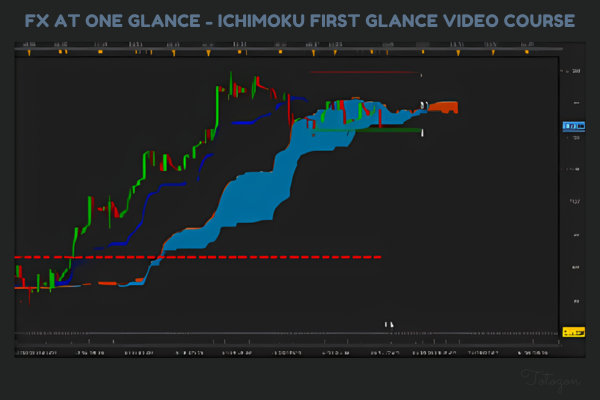 FX At One Glance - Ichimoku First Glance Video Course
1 × $23.00
FX At One Glance - Ichimoku First Glance Video Course
1 × $23.00 -
×
 March 2023 Intensive Live Trading Event with Apteros Trading
1 × $5.00
March 2023 Intensive Live Trading Event with Apteros Trading
1 × $5.00

The Three Secrets to Trading Momentum Indicators with David Penn
$6.00
File Size: Coming soon!
Delivery Time: 1–12 hours
Media Type: Online Course
Content Proof: Watch Here!
You may check content proof of “The Three Secrets to Trading Momentum Indicators with David Penn” below:
The Three Secrets to Trading Momentum Indicators with David Penn
Introduction
Momentum indicators are powerful tools in the world of trading. David Penn, a renowned trading expert, sheds light on these invaluable instruments in his guide, “The Three Secrets to Trading Momentum Indicators.” Let’s explore these secrets and how they can transform your trading strategies.
What Are Momentum Indicators?
Momentum indicators measure the speed and change of price movements. They help traders identify the strength of a trend and potential reversal points.
Why Use Momentum Indicators?
Momentum indicators provide insights that are not always visible through price movements alone. They are essential for confirming trends and spotting potential entry and exit points.
Types of Momentum Indicators
- Relative Strength Index (RSI)
- Moving Average Convergence Divergence (MACD)
- Stochastic Oscillator
Secret #1: Understanding the Underlying Trend
Before using momentum indicators, it’s crucial to understand the underlying trend.
Identifying Trends
Trends can be categorized into:
- Uptrends: Characterized by higher highs and higher lows.
- Downtrends: Characterized by lower highs and lower lows.
- Sideways Trends: Occur when prices move within a horizontal range.
Using Moving Averages
Moving averages smooth out price data to help identify the direction of the trend.
Combining Indicators with Trends
Momentum indicators are more effective when used in conjunction with trend analysis. For instance, in an uptrend, traders should look for buying opportunities when momentum indicators signal strength.
Secret #2: Timing Your Entries and Exits
Proper timing is critical in trading. Momentum indicators can help pinpoint the best moments to enter and exit trades.
Relative Strength Index (RSI)
RSI measures the speed and change of price movements on a scale of 0 to 100. It helps identify overbought and oversold conditions.
Interpreting RSI Values
- Above 70: Overbought conditions, potential sell signal.
- Below 30: Oversold conditions, potential buy signal.
Moving Average Convergence Divergence (MACD)
MACD is a trend-following momentum indicator that shows the relationship between two moving averages.
Using MACD for Entries and Exits
- Signal Line Crossovers: When the MACD line crosses above the signal line, it’s a buy signal. When it crosses below, it’s a sell signal.
- Divergence: When the price moves in the opposite direction of the MACD, it indicates a potential reversal.
Stochastic Oscillator
The stochastic oscillator compares a particular closing price to a range of prices over a certain period.
Using Stochastic for Timing
- Above 80: Indicates overbought conditions.
- Below 20: Indicates oversold conditions.
Secret #3: Managing Risk Effectively
Effective risk management is the cornerstone of successful trading.
Setting Stop-Loss Orders
Stop-loss orders automatically close a position at a predetermined price, limiting potential losses.
How to Set Stop-Loss Orders
Place stop-loss orders based on volatility and the specific momentum indicator signals.
Position Sizing
Determining the correct position size is crucial for managing risk.
Calculating Position Size
Position size should be based on the distance to the stop-loss and the percentage of your account you’re willing to risk.
Combining Secrets for Maximum Results
Integrating these three secrets can significantly enhance your trading performance.
Creating a Trading Plan
A solid trading plan includes:
- Trend Analysis
- Momentum Indicator Signals
- Risk Management Strategies
Continuous Learning and Adaptation
The market is always evolving. Continuously refine your strategies and stay informed about new developments.
Common Mistakes to Avoid
Avoiding common pitfalls can save you from costly mistakes.
Over-Reliance on Indicators
Indicators should complement, not replace, your overall trading strategy.
Ignoring Risk Management
Never underestimate the importance of managing risk.
Emotional Trading
Stick to your plan and avoid making decisions based on emotions.
Practical Examples
Applying these secrets in real trading scenarios can illustrate their effectiveness.
Example 1: Trading with RSI
In an uptrend, wait for the RSI to drop below 30 and then rise above it before entering a buy position.
Example 2: Using MACD for Confirmation
Combine MACD crossovers with trend analysis to confirm entry and exit points.
Conclusion
“The Three Secrets to Trading Momentum Indicators” by David Penn offers invaluable insights into mastering momentum trading. By understanding trends, timing entries and exits, and managing risk effectively, traders can enhance their trading performance and achieve consistent results.
FAQs
1. What is the main purpose of momentum indicators?
Momentum indicators measure the speed and change of price movements, helping traders identify trend strength and potential reversal points.
2. How can RSI be used in trading?
RSI helps identify overbought and oversold conditions, indicating potential entry and exit points based on the speed and change of price movements.
3. What is the significance of MACD crossovers?
MACD crossovers signal potential buy or sell opportunities when the MACD line crosses above or below the signal line.
4. Why is risk management important in trading?
Risk management is crucial for minimizing potential losses and protecting your trading capital, ensuring long-term success.
5. How can traders avoid emotional trading?
Traders can avoid emotional trading by sticking to a well-defined trading plan and using indicators to make informed decisions.
Be the first to review “The Three Secrets to Trading Momentum Indicators with David Penn”
You must be logged in to post a review.
Related products

Original price was: $997.00.$8.00Current price is: $8.00.

Original price was: $799.00.$15.00Current price is: $15.00.

Forex Trading
Original price was: $2,997.00.$23.00Current price is: $23.00.

Forex Trading
Original price was: $125.00.$17.00Current price is: $17.00.

Original price was: $4,995.00.$15.00Current price is: $15.00.

Original price was: $895.00.$15.00Current price is: $15.00.

Original price was: $649.00.$20.00Current price is: $20.00.

Original price was: $197.00.$5.00Current price is: $5.00.

Original price was: $695.00.$41.00Current price is: $41.00.

Original price was: $299.00.$8.00Current price is: $8.00.

Forex Trading
Quantamentals – The Next Great Forefront Of Trading and Investing with Trading Markets
Original price was: $1,495.00.$8.00Current price is: $8.00.
Forex Trading
Original price was: $799.00.$15.00Current price is: $15.00.

Forex Trading
Original price was: $500.00.$5.00Current price is: $5.00.

Forex Trading
Original price was: $2,000.00.$23.00Current price is: $23.00.
Original price was: $700.00.$39.00Current price is: $39.00.

Forex Trading
Original price was: $550.00.$5.00Current price is: $5.00.

Forex Trading
Original price was: $850.00.$23.00Current price is: $23.00.

Forex Trading
Original price was: $4,997.00.$27.00Current price is: $27.00.

Forex Trading
Original price was: $797.00.$10.00Current price is: $10.00.

Forex Trading
Original price was: $697.00.$5.00Current price is: $5.00.
Reviews
There are no reviews yet.