
-
×
 Wealth Management with Dimitris Chorafas
1 × $6.00
Wealth Management with Dimitris Chorafas
1 × $6.00 -
×
 The Dark Side Of Valuation with Aswath Damodaran
1 × $6.00
The Dark Side Of Valuation with Aswath Damodaran
1 × $6.00 -
×
 Finding Alpha: The Search for Alpha When Risk and Return Break Down with Eric Falkenstein
1 × $6.00
Finding Alpha: The Search for Alpha When Risk and Return Break Down with Eric Falkenstein
1 × $6.00 -
×
 Advanced Calculus with Applications in Statistics
1 × $6.00
Advanced Calculus with Applications in Statistics
1 × $6.00 -
×
 5-Week Portfolio (No Bonus) - Criticaltrading
1 × $39.00
5-Week Portfolio (No Bonus) - Criticaltrading
1 × $39.00 -
×
 Beyond Fibonacci Retracements with Dynamic Traders
1 × $5.00
Beyond Fibonacci Retracements with Dynamic Traders
1 × $5.00 -
×
 Evolved Trader with Mark Croock
1 × $69.00
Evolved Trader with Mark Croock
1 × $69.00 -
×
 Best of the Best: Collars with Amy Meissner & Scott Ruble
1 × $15.00
Best of the Best: Collars with Amy Meissner & Scott Ruble
1 × $15.00 -
×
 Technical Analysis for Short-Term Traders
1 × $6.00
Technical Analysis for Short-Term Traders
1 × $6.00 -
×
 Ultimate Trading Course with Dodgy's Dungeon
1 × $8.00
Ultimate Trading Course with Dodgy's Dungeon
1 × $8.00 -
×
 Yarimi University Course
1 × $56.00
Yarimi University Course
1 × $56.00 -
×
 Dynamic Time Cycles with Peter Eliades
1 × $6.00
Dynamic Time Cycles with Peter Eliades
1 × $6.00 -
×
 An Introduction to Market Risk Measurement with Kevin Dowd
1 × $6.00
An Introduction to Market Risk Measurement with Kevin Dowd
1 × $6.00 -
×
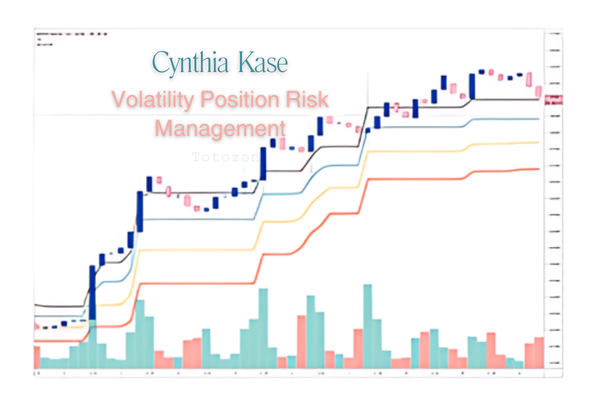 Volatility Position Risk Management with Cynthia Kase
1 × $6.00
Volatility Position Risk Management with Cynthia Kase
1 × $6.00 -
×
 The Complete Short Course on Ripple Cryptocurrency with Saad Hameed
1 × $5.00
The Complete Short Course on Ripple Cryptocurrency with Saad Hameed
1 × $5.00 -
×
 Classic Trading Tactics Theory and Practice with Linda Raschke
1 × $13.00
Classic Trading Tactics Theory and Practice with Linda Raschke
1 × $13.00 -
×
 Developing & Implementing Pattern-Based Trading Systems with Tushar S.Chande
1 × $6.00
Developing & Implementing Pattern-Based Trading Systems with Tushar S.Chande
1 × $6.00 -
×
 The Indices Orderflow Masterclass with The Forex Scalpers
1 × $23.00
The Indices Orderflow Masterclass with The Forex Scalpers
1 × $23.00 -
×
 3 Technical Indicators to Help You Ride the Elliott Wave Trend with Chris Carolan
1 × $6.00
3 Technical Indicators to Help You Ride the Elliott Wave Trend with Chris Carolan
1 × $6.00 -
×
 The Complete Guide to Multiple Time Frame Analysis & Reading Price Action with Aiman Almansoori
1 × $13.00
The Complete Guide to Multiple Time Frame Analysis & Reading Price Action with Aiman Almansoori
1 × $13.00 -
×
 Essentials in Quantitative Trading QT01 By HangukQuant's
1 × $23.00
Essentials in Quantitative Trading QT01 By HangukQuant's
1 × $23.00 -
×
 Four Books with J.L.Lord
1 × $23.00
Four Books with J.L.Lord
1 × $23.00 -
×
 Algohub 2023 Full Completed with Algohub
1 × $5.00
Algohub 2023 Full Completed with Algohub
1 × $5.00 -
×
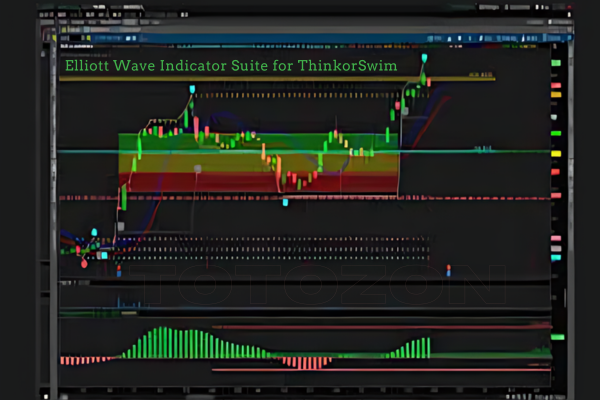 Elliott Wave Indicator Suite for ThinkorSwim
1 × $15.00
Elliott Wave Indicator Suite for ThinkorSwim
1 × $15.00 -
×
 Advanced Trading Course with DovyFX
1 × $5.00
Advanced Trading Course with DovyFX
1 × $5.00
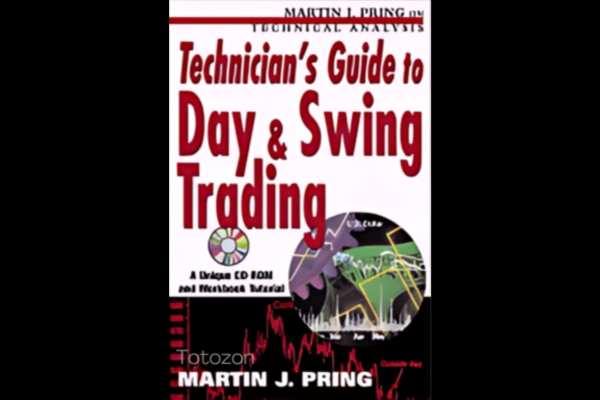
Technician’s Guide to Day and Swing Trading with Martin Pring
Original price was: $39.00.$6.00Current price is: $6.00.
File Size: Coming soon!
Delivery Time: 1–12 hours
Media Type: Online Course
Technician’s Guide to Day and Swing Trading with Martin Pring
Are you ready to delve into the dynamic world of day and swing trading? Whether you’re a seasoned investor or just starting out, understanding the principles and strategies behind successful trading is essential. In this comprehensive guide, we’ll explore the techniques and insights offered by renowned technician Martin Pring, empowering you to navigate the markets with confidence.
Understanding Day and Swing Trading
What is Day Trading?
Day trading involves buying and selling financial instruments within the same trading day. It requires quick decision-making and the ability to capitalize on short-term price movements.
The Basics of Swing Trading
Swing trading, on the other hand, focuses on capturing short- to medium-term gains in a stock or other financial instrument. Traders aim to profit from “swings” in asset prices over a period of days to weeks.
The Martin Pring Approach
Who is Martin Pring?
Martin Pring is a renowned technical analyst and author known for his expertise in market analysis and trading strategies. With decades of experience, Pring’s insights have helped countless traders navigate the complexities of the financial markets.
Pring’s Core Principles
Pring emphasizes the importance of technical analysis in trading decisions. His approach combines various indicators and chart patterns to identify trends and potential reversal points in the market.
Key Strategies for Success
Technical Analysis Tools
Pring’s toolkit includes a wide range of technical analysis tools such as moving averages, oscillators, and trendlines. These tools help traders identify entry and exit points with greater precision.
Trend Identification
One of Pring’s key principles is trend identification. By analyzing price movements and chart patterns, traders can determine the direction of the prevailing trend and align their trades accordingly.
Risk Management
Effective risk management is paramount in trading. Pring advocates for the use of stop-loss orders and position sizing techniques to protect capital and minimize losses.
Applying Pring’s Techniques
Developing a Trading Plan
A well-defined trading plan is essential for success. Traders should outline their goals, risk tolerance, and strategy parameters before executing any trades.
Backtesting and Analysis
Pring encourages traders to backtest their strategies using historical data to assess performance and identify areas for improvement. This iterative process helps refine trading techniques over time.
Continuous Learning
The financial markets are constantly evolving, and staying abreast of new developments is crucial. Pring recommends ongoing education and self-improvement to adapt to changing market conditions.
Conclusion
Navigating the intricacies of day and swing trading requires a solid understanding of market dynamics and effective trading strategies. By incorporating Martin Pring’s insights into your trading approach, you can enhance your decision-making process and improve your chances of success in the markets.
FAQs
1. How can I get started with day and swing trading?
To get started, familiarize yourself with the basic principles of technical analysis and risk management. Consider taking courses or reading books by reputable traders like Martin Pring to deepen your understanding.
2. What are some common pitfalls to avoid in trading?
Common pitfalls include overtrading, ignoring risk management principles, and letting emotions dictate trading decisions. It’s important to maintain discipline and stick to your trading plan.
3. How much capital do I need to start trading?
The amount of capital needed to start trading varies depending on your trading style and risk tolerance. It’s advisable to start with a small amount and gradually increase your capital as you gain experience and confidence.
4. How do I choose the right broker for trading?
When choosing a broker, consider factors such as commissions, platform features, customer support, and regulatory compliance. Look for a reputable broker with competitive pricing and a user-friendly interface.
5. What resources are available for further learning?
There are numerous resources available for traders, including books, online courses, webinars, and trading forums. Explore different sources to find the ones that resonate with your learning style and objectives.
Be the first to review “Technician’s Guide to Day and Swing Trading with Martin Pring”
You must be logged in to post a review.
Related products

Forex Trading
Original price was: $2,000.00.$23.00Current price is: $23.00.

Forex Trading
Original price was: $125.00.$17.00Current price is: $17.00.

Forex Trading
Original price was: $2,997.00.$23.00Current price is: $23.00.

Forex Trading
Original price was: $1,898.00.$10.00Current price is: $10.00.

Original price was: $4,995.00.$15.00Current price is: $15.00.

Forex Trading
Quantamentals – The Next Great Forefront Of Trading and Investing with Trading Markets
Original price was: $1,495.00.$8.00Current price is: $8.00.

Original price was: $695.00.$41.00Current price is: $41.00.

Original price was: $700.00.$39.00Current price is: $39.00.

Original price was: $649.00.$20.00Current price is: $20.00.

Forex Trading
Original price was: $1,098.00.$39.00Current price is: $39.00.

Original price was: $497.00.$31.00Current price is: $31.00.
Original price was: $799.00.$15.00Current price is: $15.00.
Forex Trading
The Complete Guide to Multiple Time Frame Analysis & Reading Price Action with Aiman Almansoori
Original price was: $1,399.00.$13.00Current price is: $13.00.

Forex Trading
Original price was: $797.00.$10.00Current price is: $10.00.

Original price was: $197.00.$5.00Current price is: $5.00.

Original price was: $1,849.00.$15.00Current price is: $15.00.

Forex Trading
Original price was: $4,997.00.$27.00Current price is: $27.00.

Original price was: $1,800.00.$54.00Current price is: $54.00.

Forex Trading
Original price was: $249.00.$15.00Current price is: $15.00.

Forex Trading
Original price was: $697.00.$5.00Current price is: $5.00.
Reviews
There are no reviews yet.