
-
×
 Market Risk Analysis, Volume III, Pricing, Hedging and Trading Financial Instruments with Carol Alexander
1 × $6.00
Market Risk Analysis, Volume III, Pricing, Hedging and Trading Financial Instruments with Carol Alexander
1 × $6.00 -
×
 Candlestick Secrets For Profiting In Options
1 × $23.00
Candlestick Secrets For Profiting In Options
1 × $23.00 -
×
 Market Risk Analysis, Volume IV, Value at Risk Models with Carol Alexander
1 × $6.00
Market Risk Analysis, Volume IV, Value at Risk Models with Carol Alexander
1 × $6.00 -
×
 Algo Trading Strategies 2017 with Autotrading Academy
1 × $6.00
Algo Trading Strategies 2017 with Autotrading Academy
1 × $6.00 -
×
 Unsorted Articles about the Psychology of Trading with Brett N.Steenbarger
1 × $6.00
Unsorted Articles about the Psychology of Trading with Brett N.Steenbarger
1 × $6.00 -
×
 Outsmarting the Smart Money with Lawrence A.Cunningham
1 × $6.00
Outsmarting the Smart Money with Lawrence A.Cunningham
1 × $6.00 -
×
 Commodity Trading Video Course with Bob Buran
1 × $6.00
Commodity Trading Video Course with Bob Buran
1 × $6.00 -
×
 Home Run Options Trading Course with Dave Aquino - Base Camp Trading
1 × $11.00
Home Run Options Trading Course with Dave Aquino - Base Camp Trading
1 × $11.00 -
×
 Chart Reading Course with TraderSumo
1 × $5.00
Chart Reading Course with TraderSumo
1 × $5.00 -
×
 NQ Price Action Mastery with Trade Smart
1 × $15.00
NQ Price Action Mastery with Trade Smart
1 × $15.00 -
×
 Cycles: What they are, what they mean, how to profit by them - Dick Stoken
1 × $6.00
Cycles: What they are, what they mean, how to profit by them - Dick Stoken
1 × $6.00 -
×
 A Day In The Life Of A Forex Trader with Vic Noble & Shirley Hudson
1 × $23.00
A Day In The Life Of A Forex Trader with Vic Noble & Shirley Hudson
1 × $23.00 -
×
 Trading Ist Ein Geschaft (German) (tradingeducators.com)
1 × $6.00
Trading Ist Ein Geschaft (German) (tradingeducators.com)
1 × $6.00 -
×
 The Risk-Wise Investor: How to Better Understand and Manage Risk with Michael Carpenter
1 × $6.00
The Risk-Wise Investor: How to Better Understand and Manage Risk with Michael Carpenter
1 × $6.00 -
×
 CMT Association Entire Webinars
1 × $31.00
CMT Association Entire Webinars
1 × $31.00 -
×
 Algohub 2023 Full Completed with Algohub
1 × $5.00
Algohub 2023 Full Completed with Algohub
1 × $5.00 -
×
 Power Cycle Trading The Ultimate Option Guide: When & How to Use Which Option Strategy For the Best Results - Powercycletrading
1 × $69.00
Power Cycle Trading The Ultimate Option Guide: When & How to Use Which Option Strategy For the Best Results - Powercycletrading
1 × $69.00 -
×
 Emini Day Trading Boot Camp - Base Camp Trading
1 × $6.00
Emini Day Trading Boot Camp - Base Camp Trading
1 × $6.00 -
×
 The EAP Training Program (Apr 2019)
1 × $6.00
The EAP Training Program (Apr 2019)
1 × $6.00 -
×
 Trading with Wave59 with Earik Beann
1 × $6.00
Trading with Wave59 with Earik Beann
1 × $6.00 -
×
 Momentum Options Trading Course with Eric Jellerson
1 × $272.00
Momentum Options Trading Course with Eric Jellerson
1 × $272.00 -
×
 Algorithmic Rules of Trend Lines
1 × $23.00
Algorithmic Rules of Trend Lines
1 × $23.00 -
×
 Cheat Code Trading System
1 × $13.00
Cheat Code Trading System
1 × $13.00 -
×
 Debt Capital Markets in China with Jian Gao
1 × $6.00
Debt Capital Markets in China with Jian Gao
1 × $6.00 -
×
 The Complete Guide to Multiple Time Frame Analysis & Reading Price Action with Aiman Almansoori
1 × $13.00
The Complete Guide to Multiple Time Frame Analysis & Reading Price Action with Aiman Almansoori
1 × $13.00
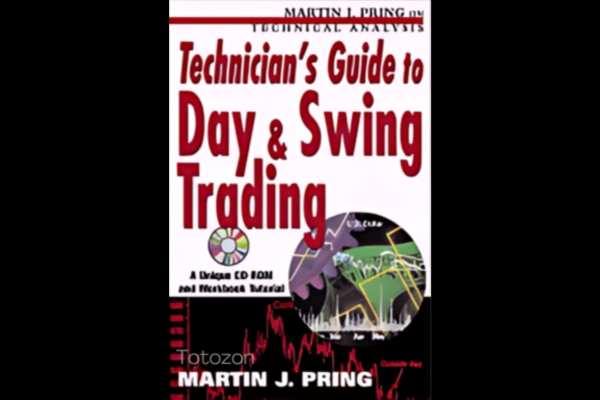
Technician’s Guide to Day and Swing Trading with Martin Pring
Original price was: $39.00.$6.00Current price is: $6.00.
File Size: Coming soon!
Delivery Time: 1–12 hours
Media Type: Online Course
Technician’s Guide to Day and Swing Trading with Martin Pring
Are you ready to delve into the dynamic world of day and swing trading? Whether you’re a seasoned investor or just starting out, understanding the principles and strategies behind successful trading is essential. In this comprehensive guide, we’ll explore the techniques and insights offered by renowned technician Martin Pring, empowering you to navigate the markets with confidence.
Understanding Day and Swing Trading
What is Day Trading?
Day trading involves buying and selling financial instruments within the same trading day. It requires quick decision-making and the ability to capitalize on short-term price movements.
The Basics of Swing Trading
Swing trading, on the other hand, focuses on capturing short- to medium-term gains in a stock or other financial instrument. Traders aim to profit from “swings” in asset prices over a period of days to weeks.
The Martin Pring Approach
Who is Martin Pring?
Martin Pring is a renowned technical analyst and author known for his expertise in market analysis and trading strategies. With decades of experience, Pring’s insights have helped countless traders navigate the complexities of the financial markets.
Pring’s Core Principles
Pring emphasizes the importance of technical analysis in trading decisions. His approach combines various indicators and chart patterns to identify trends and potential reversal points in the market.
Key Strategies for Success
Technical Analysis Tools
Pring’s toolkit includes a wide range of technical analysis tools such as moving averages, oscillators, and trendlines. These tools help traders identify entry and exit points with greater precision.
Trend Identification
One of Pring’s key principles is trend identification. By analyzing price movements and chart patterns, traders can determine the direction of the prevailing trend and align their trades accordingly.
Risk Management
Effective risk management is paramount in trading. Pring advocates for the use of stop-loss orders and position sizing techniques to protect capital and minimize losses.
Applying Pring’s Techniques
Developing a Trading Plan
A well-defined trading plan is essential for success. Traders should outline their goals, risk tolerance, and strategy parameters before executing any trades.
Backtesting and Analysis
Pring encourages traders to backtest their strategies using historical data to assess performance and identify areas for improvement. This iterative process helps refine trading techniques over time.
Continuous Learning
The financial markets are constantly evolving, and staying abreast of new developments is crucial. Pring recommends ongoing education and self-improvement to adapt to changing market conditions.
Conclusion
Navigating the intricacies of day and swing trading requires a solid understanding of market dynamics and effective trading strategies. By incorporating Martin Pring’s insights into your trading approach, you can enhance your decision-making process and improve your chances of success in the markets.
FAQs
1. How can I get started with day and swing trading?
To get started, familiarize yourself with the basic principles of technical analysis and risk management. Consider taking courses or reading books by reputable traders like Martin Pring to deepen your understanding.
2. What are some common pitfalls to avoid in trading?
Common pitfalls include overtrading, ignoring risk management principles, and letting emotions dictate trading decisions. It’s important to maintain discipline and stick to your trading plan.
3. How much capital do I need to start trading?
The amount of capital needed to start trading varies depending on your trading style and risk tolerance. It’s advisable to start with a small amount and gradually increase your capital as you gain experience and confidence.
4. How do I choose the right broker for trading?
When choosing a broker, consider factors such as commissions, platform features, customer support, and regulatory compliance. Look for a reputable broker with competitive pricing and a user-friendly interface.
5. What resources are available for further learning?
There are numerous resources available for traders, including books, online courses, webinars, and trading forums. Explore different sources to find the ones that resonate with your learning style and objectives.
Be the first to review “Technician’s Guide to Day and Swing Trading with Martin Pring”
You must be logged in to post a review.
Related products

Forex Trading
Original price was: $697.00.$5.00Current price is: $5.00.

Original price was: $799.00.$15.00Current price is: $15.00.

Forex Trading
Original price was: $2,000.00.$23.00Current price is: $23.00.
Forex Trading
The Complete Guide to Multiple Time Frame Analysis & Reading Price Action with Aiman Almansoori
Original price was: $1,399.00.$13.00Current price is: $13.00.

Forex Trading
Original price was: $249.00.$15.00Current price is: $15.00.

Original price was: $450.00.$23.00Current price is: $23.00.

Original price was: $310.00.$23.00Current price is: $23.00.

Original price was: $4,995.00.$15.00Current price is: $15.00.

Original price was: $649.00.$20.00Current price is: $20.00.

Forex Trading
Original price was: $1,898.00.$10.00Current price is: $10.00.

Original price was: $299.00.$8.00Current price is: $8.00.

Original price was: $695.00.$41.00Current price is: $41.00.

Forex Trading
Original price was: $499.00.$15.00Current price is: $15.00.

Forex Trading
Original price was: $2,995.00.$31.00Current price is: $31.00.

Forex Trading
Original price was: $999.00.$15.00Current price is: $15.00.

Original price was: $139.00.$23.00Current price is: $23.00.

Original price was: $1,200.00.$23.00Current price is: $23.00.

Forex Trading
Original price was: $797.00.$10.00Current price is: $10.00.

Original price was: $1,800.00.$54.00Current price is: $54.00.

Forex Trading
Original price was: $239.00.$8.00Current price is: $8.00.
Reviews
There are no reviews yet.