
-
×
 Comfort Zone Investing: How to Tailor Your Portfolio for High Returns and Peace of Mind with Gillette Edmunds
1 × $6.00
Comfort Zone Investing: How to Tailor Your Portfolio for High Returns and Peace of Mind with Gillette Edmunds
1 × $6.00 -
×
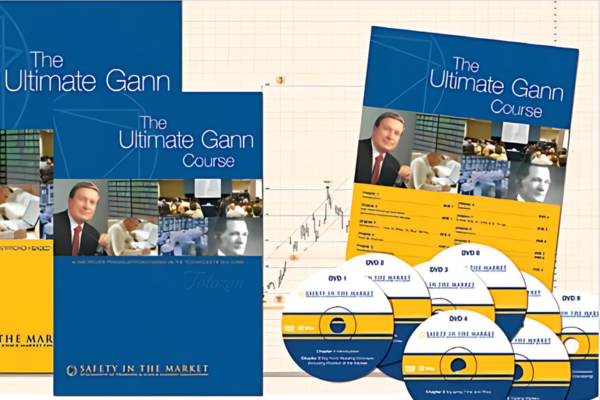 Ultimate Gann Course Coaching Online Classroom 2009 with David Bowden & Aaron Lynch
1 × $23.00
Ultimate Gann Course Coaching Online Classroom 2009 with David Bowden & Aaron Lynch
1 × $23.00 -
×
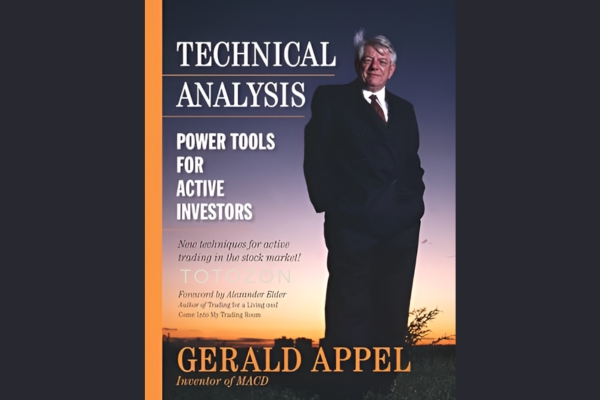 Technical Analysis: Power Tools for Active Investors with Gerald Appel
1 × $6.00
Technical Analysis: Power Tools for Active Investors with Gerald Appel
1 × $6.00 -
×
 Forex Shockwave Analysis with James Bickford
1 × $6.00
Forex Shockwave Analysis with James Bickford
1 × $6.00 -
×
 Timing Techniques for Commodity Futures Markets with Colin Alexander
1 × $6.00
Timing Techniques for Commodity Futures Markets with Colin Alexander
1 × $6.00 -
×
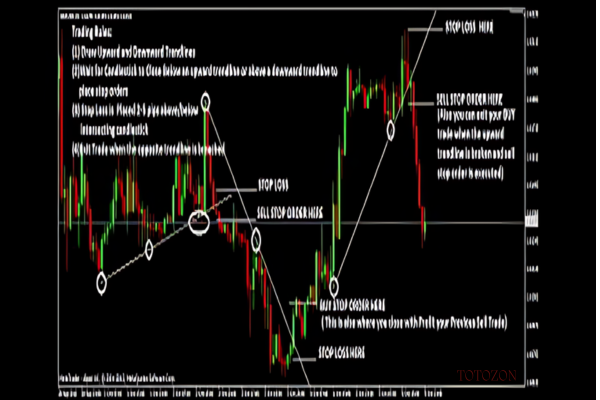 The Big Picture Trading Strategy with Avery T.Horton Jr.
1 × $7.00
The Big Picture Trading Strategy with Avery T.Horton Jr.
1 × $7.00 -
×
 Scalp Strategy and Flipping Small Accounts with Opes Trading Group
1 × $5.00
Scalp Strategy and Flipping Small Accounts with Opes Trading Group
1 × $5.00 -
×
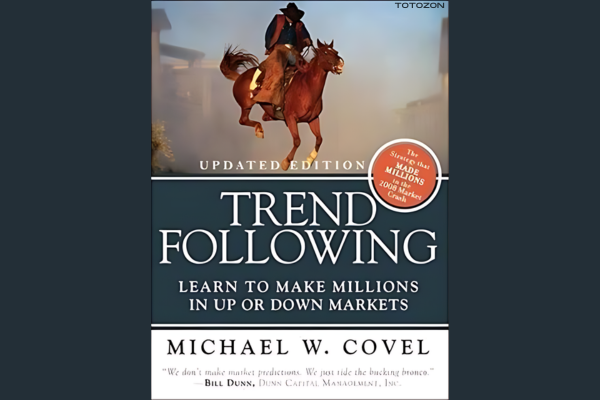 Trend Following (Updated Edition) with Michael Covel
1 × $6.00
Trend Following (Updated Edition) with Michael Covel
1 × $6.00 -
×
 Wave Trader Software 2004 with Bryce Gilmore
1 × $6.00
Wave Trader Software 2004 with Bryce Gilmore
1 × $6.00 -
×
 Edges For Ledges with Trader Dante
1 × $4.00
Edges For Ledges with Trader Dante
1 × $4.00 -
×
 Building Cryptocurrencies with JavaScript By Stone River eLearning
1 × $6.00
Building Cryptocurrencies with JavaScript By Stone River eLearning
1 × $6.00 -
×
 Matrix Spread Options Trading Course with Base Camp Trading
1 × $31.00
Matrix Spread Options Trading Course with Base Camp Trading
1 × $31.00 -
×
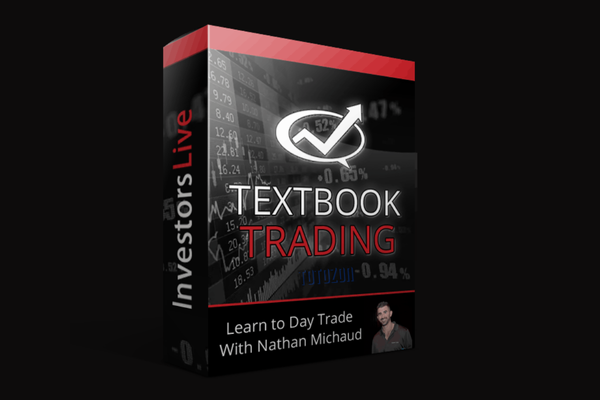 Investors Live Textbook Trading DVD
1 × $15.00
Investors Live Textbook Trading DVD
1 × $15.00 -
×
 The Extracted MBA with Kelly Vinal
1 × $6.00
The Extracted MBA with Kelly Vinal
1 × $6.00 -
×
 Trader BO Divergence System with Aleg A.Bot
1 × $6.00
Trader BO Divergence System with Aleg A.Bot
1 × $6.00 -
×
 Base Camp Trading – Bundle 5 Courses
1 × $5.00
Base Camp Trading – Bundle 5 Courses
1 × $5.00 -
×
 TRADING NFX Course with Andrew NFX
1 × $5.00
TRADING NFX Course with Andrew NFX
1 × $5.00 -
×
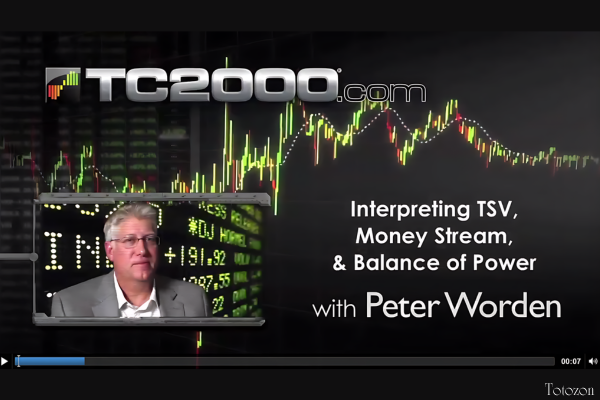 Interpreting Money Stream with Peter Worden
1 × $6.00
Interpreting Money Stream with Peter Worden
1 × $6.00 -
×
 Crystal Ball Pack PLUS bonus Live Trade By Pat Mitchell - Trick Trades
1 × $20.00
Crystal Ball Pack PLUS bonus Live Trade By Pat Mitchell - Trick Trades
1 × $20.00 -
×
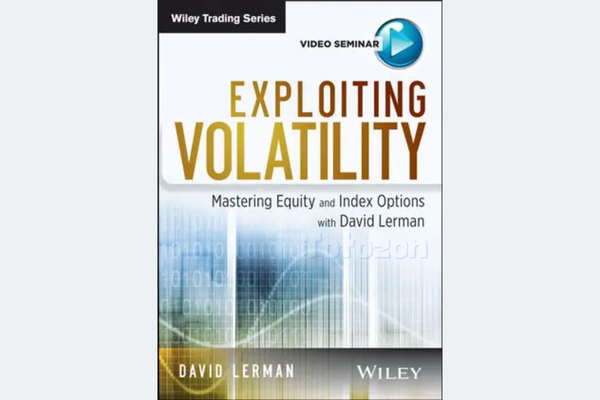 Exploiting Volatility: Mastering Equity and Index Options with David Lerman
1 × $6.00
Exploiting Volatility: Mastering Equity and Index Options with David Lerman
1 × $6.00 -
×
 The Scalper’s Boot Camp (Sep 2011)
1 × $23.00
The Scalper’s Boot Camp (Sep 2011)
1 × $23.00 -
×
 Trend Following Stocks - Complete Breakout System with Joe Marwood
1 × $6.00
Trend Following Stocks - Complete Breakout System with Joe Marwood
1 × $6.00 -
×
 Elder-disk 1.01 for NinjaTrader7
1 × $6.00
Elder-disk 1.01 for NinjaTrader7
1 × $6.00 -
×
 Developting a Forex Trading Plan Webminar
1 × $6.00
Developting a Forex Trading Plan Webminar
1 × $6.00 -
×
 Trading Techniques 2008 - One Day Workshop Manual
1 × $6.00
Trading Techniques 2008 - One Day Workshop Manual
1 × $6.00 -
×
 Understanding Price Action: practical analysis of the 5-minute time frame with Bob Volman
1 × $5.00
Understanding Price Action: practical analysis of the 5-minute time frame with Bob Volman
1 × $5.00 -
×
 Phantom Trading Course 2.0
1 × $7.00
Phantom Trading Course 2.0
1 × $7.00 -
×
 The First Time Investor: How to Start Safe, Invest Smart and Sleep Well (2nd Edition) with Larry Chambers
1 × $6.00
The First Time Investor: How to Start Safe, Invest Smart and Sleep Well (2nd Edition) with Larry Chambers
1 × $6.00 -
×
 XLT - Futures Trading Course
1 × $54.00
XLT - Futures Trading Course
1 × $54.00 -
×
 Transparent FX Course
1 × $6.00
Transparent FX Course
1 × $6.00 -
×
 The Spiral Calendar and Its Effect on Financial Markets and Human Events with Christopher Carolan
1 × $6.00
The Spiral Calendar and Its Effect on Financial Markets and Human Events with Christopher Carolan
1 × $6.00 -
×
 High Probability Trading Using Elliott Wave And Fibonacci Analysis withVic Patel - Forex Training Group
1 × $10.00
High Probability Trading Using Elliott Wave And Fibonacci Analysis withVic Patel - Forex Training Group
1 × $10.00 -
×
 The Triad Formula System with Jason Fielder
1 × $6.00
The Triad Formula System with Jason Fielder
1 × $6.00 -
×
 Forex Trading Course 101 & 201
1 × $54.00
Forex Trading Course 101 & 201
1 × $54.00 -
×
 Unleash Stock Trading Genius: Money Machine with Talmadge Harper - Harper Healing
1 × $15.00
Unleash Stock Trading Genius: Money Machine with Talmadge Harper - Harper Healing
1 × $15.00 -
×
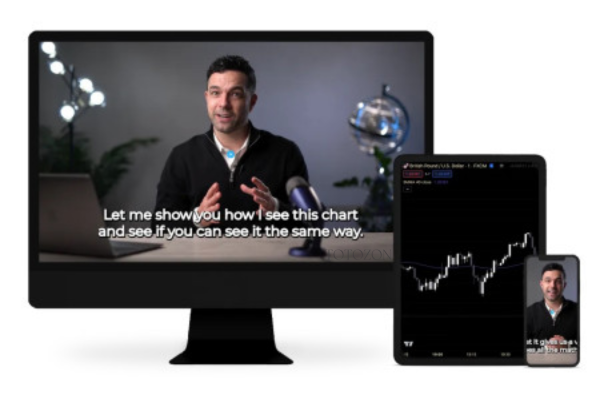 Forex Masterclass with 20 Minute Trader
1 × $23.00
Forex Masterclass with 20 Minute Trader
1 × $23.00 -
×
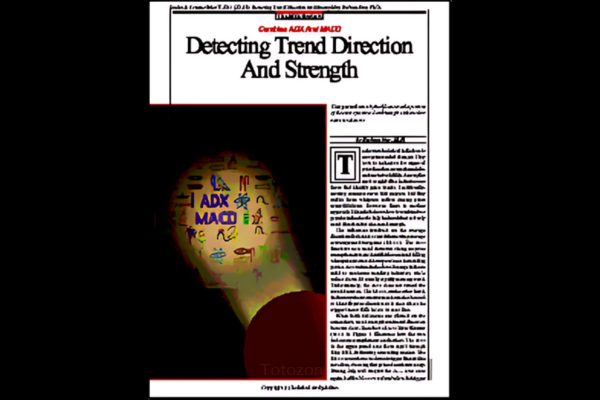 Detecting Trend Direction & Strength (Article) with Barbara Star
1 × $6.00
Detecting Trend Direction & Strength (Article) with Barbara Star
1 × $6.00 -
×
 Jumping Off The Porch with WALLSTREET TRAPPER
1 × $4.00
Jumping Off The Porch with WALLSTREET TRAPPER
1 × $4.00 -
×
 On-Demand Options with Sang Lucci
1 × $6.00
On-Demand Options with Sang Lucci
1 × $6.00 -
×
 Gann Wheel 1.2.15 (globalviewtech.com)
1 × $6.00
Gann Wheel 1.2.15 (globalviewtech.com)
1 × $6.00 -
×
 OneUmbrellaFX
1 × $5.00
OneUmbrellaFX
1 × $5.00 -
×
 Options Trading Training – The Blend Dc with Charles Cottle
1 × $4.00
Options Trading Training – The Blend Dc with Charles Cottle
1 × $4.00 -
×
 TTM Directional Day Filter Indicator with Value Chart for TS
1 × $6.00
TTM Directional Day Filter Indicator with Value Chart for TS
1 × $6.00 -
×
 Introduction To The STRAT Course with Rob Smith
1 × $8.00
Introduction To The STRAT Course with Rob Smith
1 × $8.00 -
×
 Start Trading Stocks Using Technical Analysis Part 2 with Corey Halliday
1 × $15.00
Start Trading Stocks Using Technical Analysis Part 2 with Corey Halliday
1 × $15.00 -
×
 Trading Spreads and Seasonals (tradingeducators.com)
1 × $6.00
Trading Spreads and Seasonals (tradingeducators.com)
1 × $6.00 -
×
 AI For Traders with Trading Markets
1 × $31.00
AI For Traders with Trading Markets
1 × $31.00 -
×
 The W.D. Gann Method of Trading with Gerald Marisch
1 × $6.00
The W.D. Gann Method of Trading with Gerald Marisch
1 × $6.00 -
×
 Winning in Options with Elliott Wave + 5 Options Strategies with Todd Gordon
1 × $23.00
Winning in Options with Elliott Wave + 5 Options Strategies with Todd Gordon
1 × $23.00 -
×
 TotalTheo 12 Month Mentorship
1 × $54.00
TotalTheo 12 Month Mentorship
1 × $54.00 -
×
 Winning Stock Selection Simplified (Vol I, II & III) with Peter Worden
1 × $6.00
Winning Stock Selection Simplified (Vol I, II & III) with Peter Worden
1 × $6.00 -
×
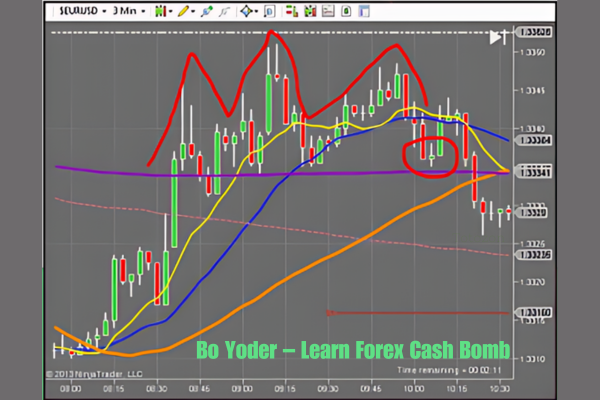 Learn Forex Cash Bomb
1 × $6.00
Learn Forex Cash Bomb
1 × $6.00 -
×
 Little Black Book of Scripts
1 × $6.00
Little Black Book of Scripts
1 × $6.00 -
×
 Butterfly and Condor Workshop with Aeromir
1 × $15.00
Butterfly and Condor Workshop with Aeromir
1 × $15.00 -
×
 The Complete Guide to Multiple Time Frame Analysis & Reading Price Action with Aiman Almansoori
1 × $13.00
The Complete Guide to Multiple Time Frame Analysis & Reading Price Action with Aiman Almansoori
1 × $13.00 -
×
 With All Odds Forex System I & II with Barry Thornton
1 × $6.00
With All Odds Forex System I & II with Barry Thornton
1 × $6.00 -
×
 The Face of God Course
1 × $15.00
The Face of God Course
1 × $15.00 -
×
 Claytrader - Risk vs Reward Trading
1 × $23.00
Claytrader - Risk vs Reward Trading
1 × $23.00 -
×
 THE HARMONIC ELLIOTT WAVE VIDEO WEBINAR with Ian Copsey
1 × $23.00
THE HARMONIC ELLIOTT WAVE VIDEO WEBINAR with Ian Copsey
1 × $23.00 -
×
 The Poor Man’s Gamma Scalp
1 × $54.00
The Poor Man’s Gamma Scalp
1 × $54.00 -
×
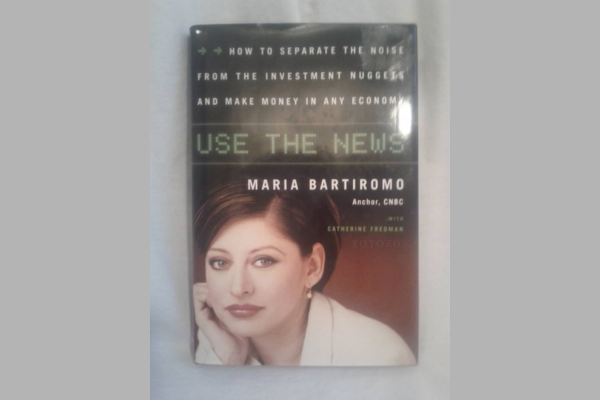 Use the News with Maria Bartiromo
1 × $6.00
Use the News with Maria Bartiromo
1 × $6.00 -
×
 Video Package
1 × $6.00
Video Package
1 × $6.00 -
×
 Compass Trading System with Right Line Trading
1 × $39.00
Compass Trading System with Right Line Trading
1 × $39.00 -
×
 Backspreads, Diagonals and Butterflies – Advanced Options Strategies
1 × $6.00
Backspreads, Diagonals and Butterflies – Advanced Options Strategies
1 × $6.00 -
×
 Lit Trading Course
1 × $15.00
Lit Trading Course
1 × $15.00 -
×
 SQX Mentorship with Tip Toe Hippo
1 × $23.00
SQX Mentorship with Tip Toe Hippo
1 × $23.00 -
×
 Middle Market M & A: Handbook for Investment Banking and Business Consulting (1st Edition) - Kenneth Marks
1 × $6.00
Middle Market M & A: Handbook for Investment Banking and Business Consulting (1st Edition) - Kenneth Marks
1 × $6.00 -
×
 Blending Quantitative & Traditional Equity Analysis with CFA Institute
1 × $6.00
Blending Quantitative & Traditional Equity Analysis with CFA Institute
1 × $6.00
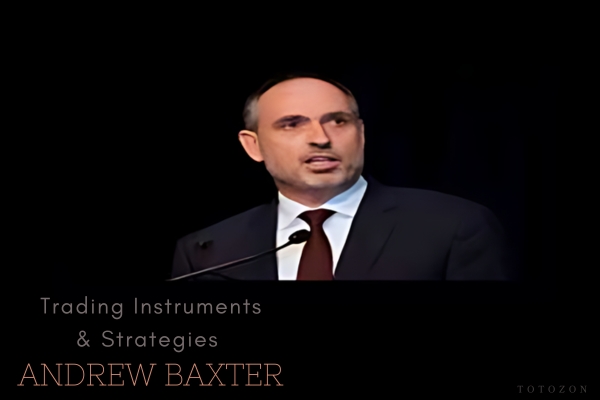
Trading Instruments & Strategies with Andrew Baxter
$6.00
File Size: Cooming soon!
Delivery Time: 1–12 hours
Media Type: Online Course
Content Proof: Watch Here!
You may check content proof of “Trading Instruments & Strategies with Andrew Baxter” below:
Trading Instruments & Strategies with Andrew Baxter
Introduction to Trading Instruments and Strategies
Navigating the world of trading can be complex, but understanding the various instruments and strategies is essential for success. Andrew Baxter, a seasoned trader, provides insights into different trading instruments and effective strategies. Let’s explore these elements to enhance your trading journey.
Understanding Trading Instruments
What are Trading Instruments?
Trading instruments are financial assets that can be bought and sold in the financial markets. They include stocks, bonds, commodities, currencies, and derivatives.
Types of Trading Instruments
1. Stocks
Stocks represent ownership in a company. When you buy a stock, you own a piece of that company and are entitled to a portion of its profits.
2. Bonds
Bonds are debt securities issued by corporations or governments. They pay periodic interest and return the principal amount at maturity.
3. Commodities
Commodities are raw materials like gold, oil, and agricultural products. They are traded on commodity exchanges and can be used to hedge against inflation.
4. Currencies
Currency trading, or forex, involves buying and selling currencies. The forex market is the largest and most liquid market in the world.
5. Derivatives
Derivatives are financial contracts whose value is derived from underlying assets like stocks, bonds, or commodities. Common derivatives include options, futures, and swaps.
Andrew Baxter’s Approach to Trading Instruments
Experience and Expertise
Andrew Baxter leverages his extensive experience in financial markets to provide strategic insights into trading various instruments. His approach focuses on understanding market dynamics and leveraging different instruments to achieve trading goals.
Key Principles
Baxter emphasizes the importance of diversification, risk management, and continuous learning. His strategies are designed to adapt to changing market conditions and capitalize on opportunities.
Effective Trading Strategies
1. Day Trading
Day trading involves buying and selling instruments within the same trading day. It requires quick decision-making and a deep understanding of market movements.
Benefits of Day Trading
- Quick profits
- No overnight risk
Challenges of Day Trading
- High risk
- Requires significant time and attention
2. Swing Trading
Swing trading involves holding positions for several days to weeks to capitalize on short-term price movements.
Benefits of Swing Trading
- Less time-consuming than day trading
- Potential for significant gains
Challenges of Swing Trading
- Requires patience and discipline
- Exposure to overnight market risks
3. Position Trading
Position trading is a long-term strategy where traders hold positions for months to years.
Benefits of Position Trading
- Lower transaction costs
- Less time-intensive
Challenges of Position Trading
- Requires a deep understanding of fundamentals
- Long-term market risks
4. Scalping
Scalping is a short-term strategy focused on making small profits from numerous trades throughout the day.
Benefits of Scalping
- Quick profit potential
- Limited exposure to market risks
Challenges of Scalping
- High transaction costs
- Requires intense focus and discipline
Implementing Andrew Baxter’s Strategies
Setting Up Your Trading Platform
Choose a reliable trading platform that supports the instruments and strategies you plan to use. Baxter recommends platforms with robust charting tools and real-time data.
Conducting Market Analysis
Effective trading requires thorough market analysis. Use both technical and fundamental analysis to inform your trading decisions.
Technical Analysis
Technical analysis involves studying price charts and using indicators like moving averages, RSI, and MACD to predict future price movements.
Fundamental Analysis
Fundamental analysis examines economic indicators, company financials, and market news to assess the intrinsic value of an asset.
Risk Management
Managing risk is crucial to protect your capital and ensure long-term success. Use stop-loss orders, position sizing, and diversification to mitigate risks.
Developing a Trading Plan
Create a comprehensive trading plan that outlines your goals, strategies, risk management rules, and criteria for entering and exiting trades.
Advanced Techniques
Algorithmic Trading
Algorithmic trading uses computer programs to execute trades based on pre-defined criteria. It can enhance efficiency and reduce emotional decision-making.
Leveraged Trading
Leverage allows traders to control larger positions with a smaller amount of capital. It can amplify returns but also increases risk.
Hedging Strategies
Hedging involves taking positions to offset potential losses in other investments. It’s a way to manage risk and protect your portfolio.
Common Mistakes to Avoid
Ignoring Risk Management
Neglecting risk management can lead to significant losses. Always prioritize protecting your capital.
Overtrading
Avoid overtrading by sticking to your trading plan and only taking trades that meet your criteria.
Emotional Trading
Emotional decisions can undermine your trading plan. Stay disciplined and avoid making impulsive trades based on fear or greed.
Benefits of a Diversified Approach
Reduced Risk
Diversifying your trading instruments can reduce risk by spreading it across different assets and markets.
Enhanced Opportunities
Using various trading instruments allows you to capitalize on different market conditions and opportunities.
Improved Stability
A diversified approach can provide more stable returns by mitigating the impact of adverse movements in any single market.
Conclusion
Trading instruments and strategies with insights from Andrew Baxter offer a comprehensive framework for successful trading. By understanding different instruments, implementing effective strategies, and managing risk, traders can navigate the financial markets with confidence. Embrace these principles, continuously refine your approach, and watch your trading performance improve over time.
Frequently Asked Questions:
What are the main types of trading instruments?
The main types include stocks, bonds, commodities, currencies, and derivatives.
Why is diversification important in trading?
Diversification reduces risk by spreading investments across different assets and markets, enhancing stability and opportunities.
What is the difference between day trading and swing trading?
Day trading involves buying and selling within the same day, while swing trading holds positions for several days to weeks to capitalize on short-term movements.
How can I manage risk in trading?
Use stop-loss orders, position sizing, and diversification to protect your capital and mitigate risks.
What is algorithmic trading?
Algorithmic trading uses computer programs to execute trades based on pre-defined criteria, enhancing efficiency and reducing emotional decision-making.
Be the first to review “Trading Instruments & Strategies with Andrew Baxter”
You must be logged in to post a review.
Related products
Forex Trading
Original price was: $799.00.$15.00Current price is: $15.00.

Original price was: $799.00.$15.00Current price is: $15.00.
Forex Trading
Original price was: $797.00.$10.00Current price is: $10.00.

Original price was: $997.00.$8.00Current price is: $8.00.

Original price was: $4,995.00.$15.00Current price is: $15.00.

Original price was: $895.00.$15.00Current price is: $15.00.

Forex Trading
Original price was: $1,898.00.$10.00Current price is: $10.00.

Forex Trading
Original price was: $999.00.$15.00Current price is: $15.00.

Original price was: $450.00.$23.00Current price is: $23.00.

Original price was: $497.00.$11.00Current price is: $11.00.

Forex Trading
Original price was: $2,000.00.$23.00Current price is: $23.00.

Original price was: $695.00.$41.00Current price is: $41.00.

Forex Trading
Original price was: $4,997.00.$27.00Current price is: $27.00.

Original price was: $1,800.00.$54.00Current price is: $54.00.

Original price was: $197.00.$5.00Current price is: $5.00.

Forex Trading
Original price was: $850.00.$23.00Current price is: $23.00.

Forex Trading
Original price was: $239.00.$8.00Current price is: $8.00.

Original price was: $1,849.00.$15.00Current price is: $15.00.

Forex Trading
Original price was: $550.00.$5.00Current price is: $5.00.
Original price was: $999.00.$5.00Current price is: $5.00.
Reviews
There are no reviews yet.