
-
×
 The Smart Income Strategy with Anthony Verner
1 × $171.00
The Smart Income Strategy with Anthony Verner
1 × $171.00 -
×
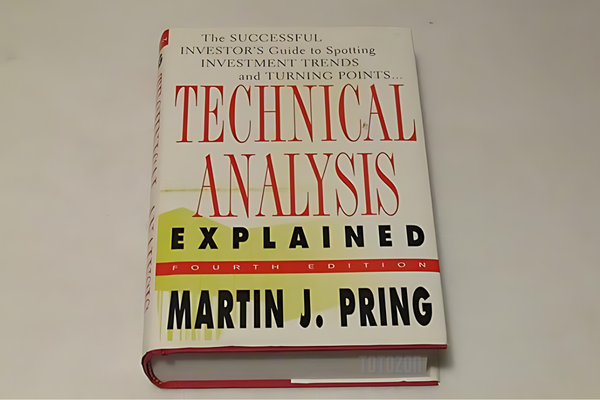 Technical Analysis Package with Martin Pring
1 × $4.00
Technical Analysis Package with Martin Pring
1 × $4.00 -
×
 The Complete Guide to Multiple Time Frame Analysis & Reading Price Action with Aiman Almansoori
1 × $13.00
The Complete Guide to Multiple Time Frame Analysis & Reading Price Action with Aiman Almansoori
1 × $13.00 -
×
 Tandem Trader - The Ultimate Day Trading Course with Nathan Michaud - Investors Underground
1 × $54.00
Tandem Trader - The Ultimate Day Trading Course with Nathan Michaud - Investors Underground
1 × $54.00 -
×
 TTW TradeFinder and Bookmap Course with Trading To Win
1 × $10.00
TTW TradeFinder and Bookmap Course with Trading To Win
1 × $10.00 -
×
 Trading Options Using Auction Market Principles with Alexander Trading
1 × $54.00
Trading Options Using Auction Market Principles with Alexander Trading
1 × $54.00 -
×
 Breakouts: The Quintessential Approach – Feibel Trading
1 × $31.00
Breakouts: The Quintessential Approach – Feibel Trading
1 × $31.00 -
×
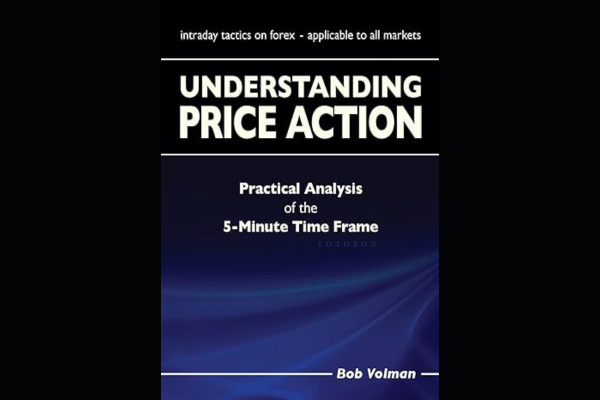 Understanding Price Action: practical analysis of the 5-minute time frame with Bob Volman
1 × $5.00
Understanding Price Action: practical analysis of the 5-minute time frame with Bob Volman
1 × $5.00 -
×
 The Secret Code of Japanese Candlesticks with Felipe Tudela
1 × $5.00
The Secret Code of Japanese Candlesticks with Felipe Tudela
1 × $5.00 -
×
 Investing With Giants: Tried and True Stocks That Have Sustained the Test of Time with Linda T.Mead
1 × $6.00
Investing With Giants: Tried and True Stocks That Have Sustained the Test of Time with Linda T.Mead
1 × $6.00 -
×
 Instant Forex Profits Home Study Course
1 × $23.00
Instant Forex Profits Home Study Course
1 × $23.00 -
×
 GMB Master Academy
1 × $31.00
GMB Master Academy
1 × $31.00 -
×
 How To Read The Market Professionally with TradeSmart
1 × $27.00
How To Read The Market Professionally with TradeSmart
1 × $27.00 -
×
 News FX Strategy with Zain Agha
1 × $6.00
News FX Strategy with Zain Agha
1 × $6.00 -
×
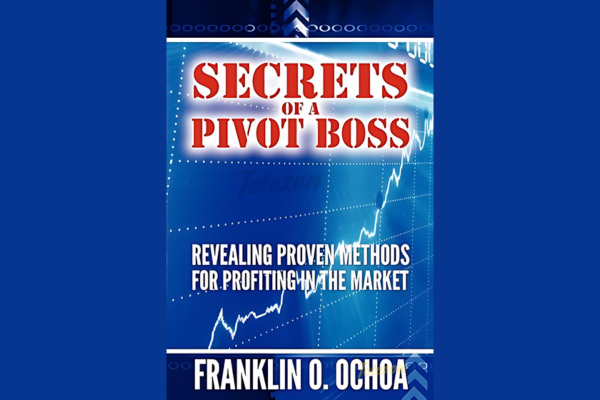 Secrets of a Pivot Boss. Revealing Proven Methods for Profiting in The Market with Franklin Ochoa
1 × $6.00
Secrets of a Pivot Boss. Revealing Proven Methods for Profiting in The Market with Franklin Ochoa
1 × $6.00 -
×
 The Finessee_fx Enigma Course + PD Array Matrix with Pipsey Hussle
1 × $13.00
The Finessee_fx Enigma Course + PD Array Matrix with Pipsey Hussle
1 × $13.00 -
×
 One-way Formula for Trading in Stocks and Commodities with William Dunnigan
1 × $6.00
One-way Formula for Trading in Stocks and Commodities with William Dunnigan
1 × $6.00 -
×
 Protecting your Retirement Account in a Correction with Dan Sheridan - Sheridan Options Mentoring
1 × $31.00
Protecting your Retirement Account in a Correction with Dan Sheridan - Sheridan Options Mentoring
1 × $31.00 -
×
 The Secret to Extraordinary Wealth in the Options Market - 4 DVDs
1 × $31.00
The Secret to Extraordinary Wealth in the Options Market - 4 DVDs
1 × $31.00 -
×
 Raghee Horner - Submarket Sonar - Live Trading + Indicator
1 × $39.00
Raghee Horner - Submarket Sonar - Live Trading + Indicator
1 × $39.00 -
×
 NoBSFX Trading Workshop with Jaime Johnson
1 × $23.00
NoBSFX Trading Workshop with Jaime Johnson
1 × $23.00 -
×
 Trading Price Action Reversals (Kindle) with Al Brooks
1 × $6.00
Trading Price Action Reversals (Kindle) with Al Brooks
1 × $6.00 -
×
 Pattern Recognition & Trading Decisions with Chris Satchwell
1 × $6.00
Pattern Recognition & Trading Decisions with Chris Satchwell
1 × $6.00 -
×
 Forexmentor – LiveConnect
1 × $23.00
Forexmentor – LiveConnect
1 × $23.00 -
×
 RTM + Suppy and Demand with Nora Bystra
1 × $6.00
RTM + Suppy and Demand with Nora Bystra
1 × $6.00 -
×
 The ETF Handbook, + website: How to Value and Trade Exchange Traded Funds (1st Edition) with David Abner
1 × $6.00
The ETF Handbook, + website: How to Value and Trade Exchange Traded Funds (1st Edition) with David Abner
1 × $6.00 -
×
 Trading The Curran 3-Line Break Method A Professional Strategy For Daytrading The Eminis By Chris Curran
1 × $4.00
Trading The Curran 3-Line Break Method A Professional Strategy For Daytrading The Eminis By Chris Curran
1 × $4.00 -
×
 Essentials in Quantitative Trading QT01 By HangukQuant's
1 × $23.00
Essentials in Quantitative Trading QT01 By HangukQuant's
1 × $23.00 -
×
 Order flow self-study training program with iMFtracker
1 × $10.00
Order flow self-study training program with iMFtracker
1 × $10.00 -
×
 Deep Dive Butterfly Trading Strategy Class with SJG Trades
1 × $41.00
Deep Dive Butterfly Trading Strategy Class with SJG Trades
1 × $41.00 -
×
 Professional Trader Training Programme with Jarrat Davis
1 × $39.00
Professional Trader Training Programme with Jarrat Davis
1 × $39.00 -
×
 Home Run Options Trading Course with Dave Aquino - Base Camp Trading
1 × $11.00
Home Run Options Trading Course with Dave Aquino - Base Camp Trading
1 × $11.00 -
×
 Spotting Big Money with Market Profile with John Kepler
1 × $23.00
Spotting Big Money with Market Profile with John Kepler
1 × $23.00 -
×
 Levelator Automatic Trading Machines-Russ Horn’s
1 × $23.00
Levelator Automatic Trading Machines-Russ Horn’s
1 × $23.00 -
×
 University Tutorial
1 × $6.00
University Tutorial
1 × $6.00 -
×
 Butterfly and Condor Workshop with Aeromir
1 × $15.00
Butterfly and Condor Workshop with Aeromir
1 × $15.00 -
×
 Market Geometry Mentoring Sessions with Timothy Morge
1 × $69.00
Market Geometry Mentoring Sessions with Timothy Morge
1 × $69.00 -
×
 Advanced Guide to How SimplerOptions Uses ThinkorSwim (274 Minutes) with Henry Gambell
1 × $15.00
Advanced Guide to How SimplerOptions Uses ThinkorSwim (274 Minutes) with Henry Gambell
1 × $15.00 -
×
 Essential Technical Analysis with Leigh Stevens
1 × $6.00
Essential Technical Analysis with Leigh Stevens
1 × $6.00 -
×
 Astrology At Work & Others
1 × $6.00
Astrology At Work & Others
1 × $6.00 -
×
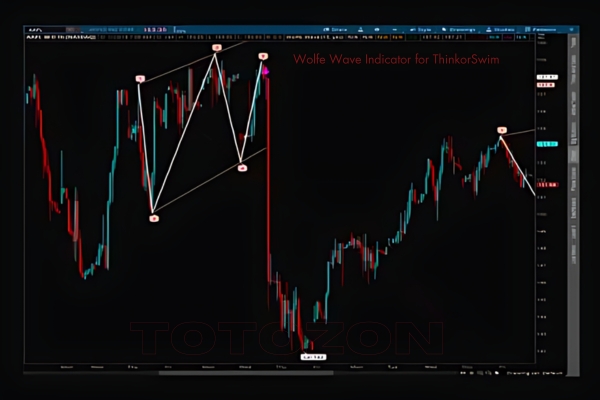 Wolfe Wave Indicator for ThinkorSwim
1 × $6.00
Wolfe Wave Indicator for ThinkorSwim
1 × $6.00 -
×
 Beginner's Forex Course with Jossenia Pomare
1 × $60.00
Beginner's Forex Course with Jossenia Pomare
1 × $60.00 -
×
 Fear Factor Breakout Trading System with Wbprofittrader
1 × $31.00
Fear Factor Breakout Trading System with Wbprofittrader
1 × $31.00 -
×
 TRADING WITH TIME with Frank Barillaro
1 × $8.00
TRADING WITH TIME with Frank Barillaro
1 × $8.00 -
×
 Bond Market Course with The Macro Compass
1 × $15.00
Bond Market Course with The Macro Compass
1 × $15.00 -
×
 Ron Ianieri – Advanced Options Strategies
1 × $6.00
Ron Ianieri – Advanced Options Strategies
1 × $6.00 -
×
 The Winning Secret
1 × $23.00
The Winning Secret
1 × $23.00 -
×
 Start Trading Stocks Using Technical Analysis with Corey Halliday
1 × $6.00
Start Trading Stocks Using Technical Analysis with Corey Halliday
1 × $6.00 -
×
 Low Stress Options Trading with Low Stress Training
1 × $23.00
Low Stress Options Trading with Low Stress Training
1 × $23.00 -
×
 Professional Training Program with OpenTrader
1 × $6.00
Professional Training Program with OpenTrader
1 × $6.00 -
×
 Ultimate Guide To Swing Trading ETF's
1 × $23.00
Ultimate Guide To Swing Trading ETF's
1 × $23.00 -
×
 Trading the Pristine Method 2020 with T3 Live
1 × $39.00
Trading the Pristine Method 2020 with T3 Live
1 × $39.00 -
×
 BETT Strategy (Breakout Entry Two Target Strategy)
1 × $62.00
BETT Strategy (Breakout Entry Two Target Strategy)
1 × $62.00 -
×
 Charting Made Easy with John J.Murphy
1 × $6.00
Charting Made Easy with John J.Murphy
1 × $6.00 -
×
 Ultimate Titan Trader Bootcamp with Silas Peters
1 × $23.00
Ultimate Titan Trader Bootcamp with Silas Peters
1 × $23.00 -
×
 TTM Trend Anchor Indicator for Tradestation & MultiCharts
1 × $6.00
TTM Trend Anchor Indicator for Tradestation & MultiCharts
1 × $6.00 -
×
 $20 – 52k 20 pips a day challange with Rafał Zuchowicz - TopMasterTrader
1 × $5.00
$20 – 52k 20 pips a day challange with Rafał Zuchowicz - TopMasterTrader
1 × $5.00 -
×
 TurnSignal Complete 7-6A (Oct 2013)
1 × $6.00
TurnSignal Complete 7-6A (Oct 2013)
1 × $6.00 -
×
 Brian James Sklenka Package
1 × $31.00
Brian James Sklenka Package
1 × $31.00 -
×
 The Orderflow Masterclass with PrimeTrading
1 × $17.00
The Orderflow Masterclass with PrimeTrading
1 × $17.00 -
×
 The Power Trade System by Arthur Christian & John Prow
1 × $6.00
The Power Trade System by Arthur Christian & John Prow
1 × $6.00 -
×
 TTM Directional Day Filter Indicator with Value Chart for TS
1 × $6.00
TTM Directional Day Filter Indicator with Value Chart for TS
1 × $6.00 -
×
 The Options Trading Body of Knowledge with Michael Thomsett
1 × $6.00
The Options Trading Body of Knowledge with Michael Thomsett
1 × $6.00 -
×
 Total Fibonacci Trading with TradeSmart University
1 × $31.00
Total Fibonacci Trading with TradeSmart University
1 × $31.00 -
×
 Trading Hub 2.0 Course
1 × $27.00
Trading Hub 2.0 Course
1 × $27.00 -
×
 Day Trading With Short Term Price Patterns and Opening Range Breakout
1 × $6.00
Day Trading With Short Term Price Patterns and Opening Range Breakout
1 × $6.00 -
×
 The Stock Market Mastery Program with Ryan Hildreth
1 × $12.00
The Stock Market Mastery Program with Ryan Hildreth
1 × $12.00 -
×
 XJO Quant - High Probability Trading Setups on ASX 200 Index
1 × $31.00
XJO Quant - High Probability Trading Setups on ASX 200 Index
1 × $31.00 -
×
 AI For Traders with Trading Markets
1 × $31.00
AI For Traders with Trading Markets
1 × $31.00 -
×
 The Pattern Trader with Mark Shawzin
1 × $6.00
The Pattern Trader with Mark Shawzin
1 × $6.00 -
×
 The Handbook of Equity Style Management (3rd Ed) with Daniel Coggin & Frank Fabozzi
1 × $6.00
The Handbook of Equity Style Management (3rd Ed) with Daniel Coggin & Frank Fabozzi
1 × $6.00 -
×
 The Trading Blueprint with Brad Goh - The Trading Geek
1 × $5.00
The Trading Blueprint with Brad Goh - The Trading Geek
1 × $5.00 -
×
 Boomerang Day Trader (Aug 2012)
1 × $54.00
Boomerang Day Trader (Aug 2012)
1 × $54.00 -
×
 Matrix Spread Options Trading Course with Base Camp Trading
1 × $31.00
Matrix Spread Options Trading Course with Base Camp Trading
1 × $31.00

Trading in the Bluff with John Templeton
$6.00
File Size: Coming soon!
Delivery Time: 1–12 hours
Media Type: Online Course
Content Proof: Watch Here!
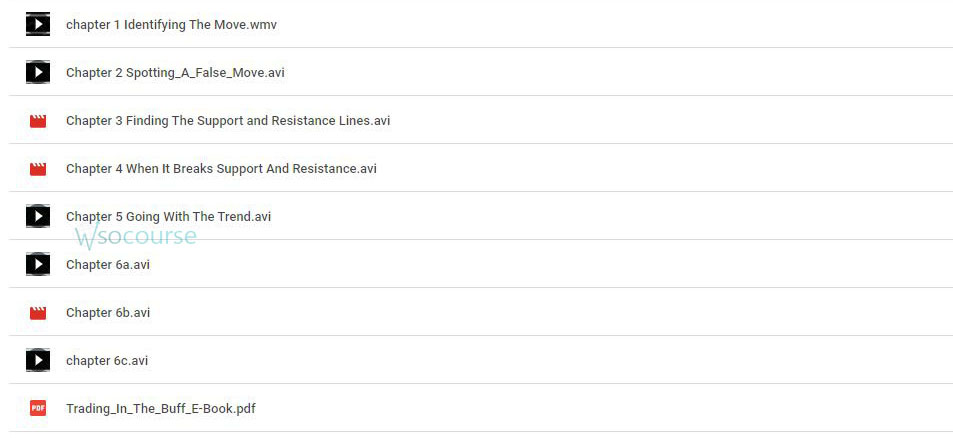
You may check content proof of “Trading in the Bluff with John Templeton” below:
Trading in the Bluff with John Templeton
Introduction
John Templeton, a pioneer in global investing, offers invaluable insights into the world of trading. In his guide, “Trading in the Bluff,” Templeton shares strategies that combine shrewd market analysis with the art of bluffing. This article delves into the key concepts from Templeton’s guide, providing practical advice for traders looking to enhance their skills and achieve success.
Understanding Bluffing in Trading
What is Bluffing?
Bluffing in trading involves creating a perception of market conditions or intentions that may not necessarily align with reality. It’s a strategic tool used to influence market behavior and gain an advantage.
Why Bluffing Matters
Bluffing can help traders protect their positions, manage market expectations, and create opportunities. When used wisely, it can be a powerful component of a trader’s toolkit.
The Role of Psychology in Trading
Understanding Market Psychology
Market movements are often driven by investor sentiment and psychology. Understanding these factors can help traders anticipate market reactions and make informed decisions.
Emotional Discipline
Maintaining emotional discipline is crucial for effective trading. Successful traders control their emotions, avoid impulsive decisions, and stick to their strategies.
Cognitive Biases
Be aware of cognitive biases such as overconfidence, herd behavior, and loss aversion, which can negatively impact trading decisions.
Key Strategies in “Trading in the Bluff”
Analyzing Market Trends
Templeton emphasizes the importance of thorough market analysis. Traders should analyze historical data, identify trends, and use technical indicators to inform their strategies.
Creating Perception
Bluffing involves creating a perception that influences other market participants. This could involve strategic buying or selling to signal confidence or concern.
Timing the Market
Effective bluffing requires precise timing. Traders must be adept at entering and exiting positions at the right moments to maximize their impact and minimize risk.
Practical Tips for Successful Bluffing
Know Your Limits
Understand your financial limits and risk tolerance. Never risk more than you can afford to lose, and always have a clear exit strategy.
Use Stop-Loss Orders
Implement stop-loss orders to protect your positions from significant losses. This safety net allows you to manage risk while employing bluffing strategies.
Diversify Your Portfolio
Diversification reduces risk by spreading investments across different asset classes and sectors. This helps mitigate the impact of any single investment’s poor performance.
Tools and Techniques for Bluffing
Technical Analysis Tools
Utilize technical analysis tools such as moving averages, Bollinger Bands, and Relative Strength Index (RSI) to identify potential bluffing opportunities.
Fundamental Analysis
Combine bluffing with fundamental analysis to ensure your strategies are grounded in solid financial data. This approach enhances the credibility of your bluffs.
Market Indicators
Keep an eye on market indicators like volume, volatility, and sentiment indexes. These indicators can provide insights into market conditions and potential bluffing opportunities.
Case Studies: Successful Bluffing
Case Study 1: Strategic Selling
A trader strategically sells a portion of their holdings in a stock to signal a lack of confidence, causing a temporary dip in the stock price. They then buy back at a lower price, capitalizing on the market’s reaction.
Case Study 2: Market Entry Bluff
A trader makes a large buy order in a relatively illiquid market, creating a perception of strong demand. This attracts other buyers, driving up the price, allowing the initial trader to sell at a profit.
Risks and Challenges of Bluffing
Market Misinterpretation
There’s always a risk that the market will misinterpret your bluff, leading to unintended consequences. Clear and strategic communication is key to effective bluffing.
Ethical Considerations
Bluffing walks a fine line between strategy and manipulation. Traders must consider the ethical implications and ensure their actions comply with market regulations.
Over-Reliance on Bluffing
Relying too heavily on bluffing can be risky. It’s essential to balance bluffing with solid trading fundamentals and not depend solely on deception.
Developing a Bluffing Strategy
Define Your Objectives
Clearly define what you aim to achieve with your bluffing strategy. Whether it’s protecting a position or influencing market perception, having clear objectives is crucial.
Plan and Execute
Develop a detailed plan outlining your bluffing strategy, including entry and exit points, risk management techniques, and contingency plans.
Monitor and Adjust
Continuously monitor the market and your positions. Be prepared to adjust your strategy based on changing market conditions and feedback.
Conclusion
“Trading in the Bluff” by John Templeton provides a unique perspective on trading strategies, blending traditional market analysis with the art of bluffing. By understanding market psychology, using technical and fundamental analysis, and employing strategic bluffing, traders can enhance their performance and achieve greater success. Remember, the key to effective bluffing is balance – combine it with sound trading principles and ethical considerations.
FAQs
1. What is the main concept of bluffing in trading?
Bluffing in trading involves creating a perception that influences market behavior, allowing traders to gain an advantage.
2. How can I manage risks when bluffing?
Use stop-loss orders, diversify your portfolio, and understand your financial limits to manage risks effectively.
3. Why is understanding market psychology important in bluffing?
Market psychology drives investor behavior. Understanding it helps traders anticipate market reactions and make informed decisions.
4. What tools can help with bluffing strategies?
Technical analysis tools, fundamental analysis, and market indicators are essential for identifying and executing bluffing strategies.
5. What are the ethical considerations of bluffing in trading?
Bluffing should be done within the bounds of market regulations and ethical standards, avoiding manipulation and ensuring fair market practices.
Be the first to review “Trading in the Bluff with John Templeton”
You must be logged in to post a review.
Related products

Original price was: $649.00.$20.00Current price is: $20.00.

Forex Trading
Original price was: $550.00.$5.00Current price is: $5.00.
Original price was: $197.00.$5.00Current price is: $5.00.

Forex Trading
Original price was: $500.00.$5.00Current price is: $5.00.

Original price was: $299.00.$8.00Current price is: $8.00.

Forex Trading
Quantamentals – The Next Great Forefront Of Trading and Investing with Trading Markets
Original price was: $1,495.00.$8.00Current price is: $8.00.

Forex Trading
Original price was: $999.00.$15.00Current price is: $15.00.
Original price was: $695.00.$41.00Current price is: $41.00.

Original price was: $895.00.$15.00Current price is: $15.00.
Forex Trading
Original price was: $499.00.$15.00Current price is: $15.00.

Forex Trading
Original price was: $239.00.$8.00Current price is: $8.00.
Forex Trading
Original price was: $2,995.00.$31.00Current price is: $31.00.
Original price was: $497.00.$11.00Current price is: $11.00.

Forex Trading
Original price was: $2,997.00.$23.00Current price is: $23.00.

Original price was: $999.00.$5.00Current price is: $5.00.

Original price was: $4,995.00.$15.00Current price is: $15.00.

Original price was: $2,120.00.$15.00Current price is: $15.00.

Original price was: $700.00.$39.00Current price is: $39.00.

Original price was: $997.00.$13.00Current price is: $13.00.

Forex Trading
Original price was: $249.00.$15.00Current price is: $15.00.

Reviews
There are no reviews yet.