
-
×
 Boiler Room Trading
1 × $15.00
Boiler Room Trading
1 × $15.00 -
×
 Scalping Betfair For Daily Profits
1 × $6.00
Scalping Betfair For Daily Profits
1 × $6.00 -
×
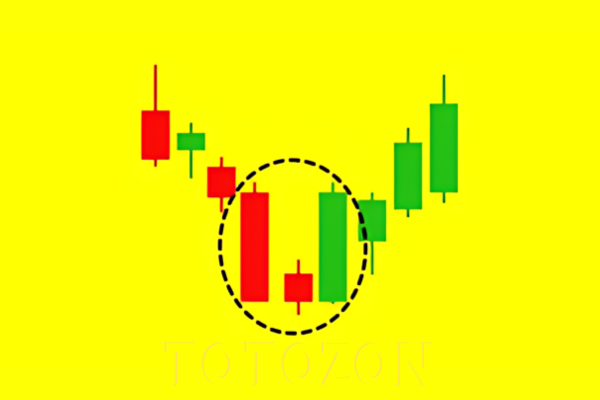 Level 1 - Japanese Candlesticks Trading Mastery Program with Rohit Musale & Rashmi Musale
1 × $5.00
Level 1 - Japanese Candlesticks Trading Mastery Program with Rohit Musale & Rashmi Musale
1 × $5.00 -
×
 Ultra Blue Forex 2024 with Russ Horn
1 × $17.00
Ultra Blue Forex 2024 with Russ Horn
1 × $17.00 -
×
 Butterfly and Condor Workshop with Aeromir
1 × $15.00
Butterfly and Condor Workshop with Aeromir
1 × $15.00 -
×
 Ichimoku Cloud Trading Course with FollowMeTrades
1 × $15.00
Ichimoku Cloud Trading Course with FollowMeTrades
1 × $15.00 -
×
 Currency Trading System 2003 with Peter Bain
1 × $6.00
Currency Trading System 2003 with Peter Bain
1 × $6.00 -
×
 Vajex Trading Mentorship Program
1 × $13.00
Vajex Trading Mentorship Program
1 × $13.00 -
×
 Understanding the Markets with David Loader
1 × $6.00
Understanding the Markets with David Loader
1 × $6.00 -
×
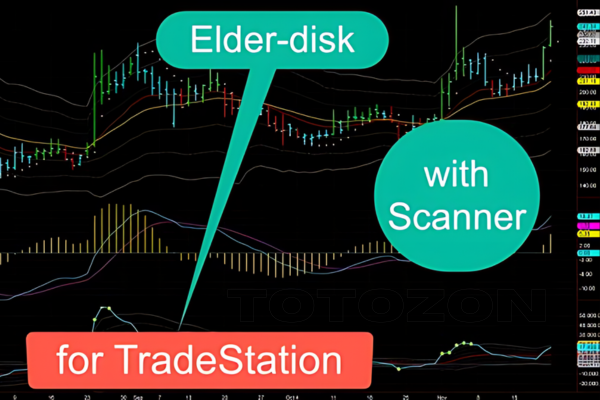 Elder-disk for TradeStation, enhanced with a MACD scanner
1 × $54.00
Elder-disk for TradeStation, enhanced with a MACD scanner
1 × $54.00 -
×
 Bollinger Bands Trading Strategies That Work
1 × $6.00
Bollinger Bands Trading Strategies That Work
1 × $6.00 -
×
 Trading Instruments & Strategies with Andrew Baxter
1 × $6.00
Trading Instruments & Strategies with Andrew Baxter
1 × $6.00 -
×
 Wave Trading Masterclass: Elliott's Wave Theory/Fibonacci Principles with Wave Trader
1 × $116.00
Wave Trading Masterclass: Elliott's Wave Theory/Fibonacci Principles with Wave Trader
1 × $116.00 -
×
 Total Fibonacci Trading with TradeSmart University
1 × $31.00
Total Fibonacci Trading with TradeSmart University
1 × $31.00 -
×
 W. D Gann 's Square Of 9 Applied To Modern Markets with Sean Avidar - Hexatrade350
1 × $23.00
W. D Gann 's Square Of 9 Applied To Modern Markets with Sean Avidar - Hexatrade350
1 × $23.00 -
×
 Trading Hub 2.0 Book
1 × $6.00
Trading Hub 2.0 Book
1 × $6.00 -
×
 The A14 Weekly Option Strategy Workshop with Amy Meissner
1 × $23.00
The A14 Weekly Option Strategy Workshop with Amy Meissner
1 × $23.00 -
×
 P&L Accumulation Distribution with Charles Drummond
1 × $4.00
P&L Accumulation Distribution with Charles Drummond
1 × $4.00 -
×
 LinkedIn Lead Challenge with Jimmy Coleman
1 × $15.00
LinkedIn Lead Challenge with Jimmy Coleman
1 × $15.00 -
×
 Forex Masterclass with 20 Minute Trader
1 × $23.00
Forex Masterclass with 20 Minute Trader
1 × $23.00 -
×
 Hit & Run Trading II with Jeff Cooper
1 × $4.00
Hit & Run Trading II with Jeff Cooper
1 × $4.00 -
×
 Forex for Profits with Todd Mitchell
1 × $85.00
Forex for Profits with Todd Mitchell
1 × $85.00 -
×
 The Ultimate Supply and Demand Course - Anonymous
1 × $31.00
The Ultimate Supply and Demand Course - Anonymous
1 × $31.00 -
×
 Big Morning Profits with Base Camp Trading
1 × $4.00
Big Morning Profits with Base Camp Trading
1 × $4.00 -
×
 Overnight Profit Strategy PRO with Allison Ostrander
1 × $6.00
Overnight Profit Strategy PRO with Allison Ostrander
1 × $6.00 -
×
 Trading Full Circle with Jea Yu
1 × $6.00
Trading Full Circle with Jea Yu
1 × $6.00 -
×
 Quantamentals - The Next Great Forefront Of Trading and Investing with Trading Markets
1 × $8.00
Quantamentals - The Next Great Forefront Of Trading and Investing with Trading Markets
1 × $8.00 -
×
 Trading Hub 2.0 Course
1 × $27.00
Trading Hub 2.0 Course
1 × $27.00 -
×
 Trading the Pristine Method 2020 with T3 Live
1 × $39.00
Trading the Pristine Method 2020 with T3 Live
1 × $39.00 -
×
 BGFX Trading Academy
1 × $5.00
BGFX Trading Academy
1 × $5.00 -
×
 The Stock Market Mastery Program with Ryan Hildreth
1 × $12.00
The Stock Market Mastery Program with Ryan Hildreth
1 × $12.00 -
×
 Intermediate Options Trading Course
1 × $39.00
Intermediate Options Trading Course
1 × $39.00 -
×
 The Options Handbook with Bernie Schaeffer
1 × $6.00
The Options Handbook with Bernie Schaeffer
1 × $6.00 -
×
 Quick Scalp Trader (Unlocked)
1 × $31.00
Quick Scalp Trader (Unlocked)
1 × $31.00 -
×
 Ultimate Options Trading with Cash Flow Academy
1 × $34.00
Ultimate Options Trading with Cash Flow Academy
1 × $34.00 -
×
 US indices system with LaMartinatradingFx
1 × $10.00
US indices system with LaMartinatradingFx
1 × $10.00 -
×
 TrimTabs Investing with Charles Biderman & David Santschi
1 × $6.00
TrimTabs Investing with Charles Biderman & David Santschi
1 × $6.00 -
×
 AI For Traders with Trading Markets
1 × $31.00
AI For Traders with Trading Markets
1 × $31.00 -
×
 Mark Sebastian – Gamma Trading Class
1 × $6.00
Mark Sebastian – Gamma Trading Class
1 × $6.00 -
×
 Time by Degrees Online Coaching 2009 + PDF Workbooks
1 × $54.00
Time by Degrees Online Coaching 2009 + PDF Workbooks
1 × $54.00 -
×
 Greatest Trading Tools
1 × $6.00
Greatest Trading Tools
1 × $6.00 -
×
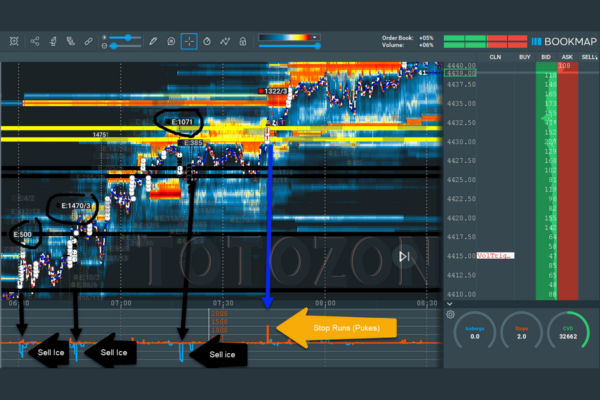 SI Indicator Course 2023 with Scott Pulcini
1 × $15.00
SI Indicator Course 2023 with Scott Pulcini
1 × $15.00 -
×
 Algo Trading Masterclass with Ali Casey - StatOasis
1 × $23.00
Algo Trading Masterclass with Ali Casey - StatOasis
1 × $23.00 -
×
 Train & Trade Academy with Omar Agag
1 × $5.00
Train & Trade Academy with Omar Agag
1 × $5.00 -
×
 The Options Traders Success Formula Course with Simpler Options
1 × $6.00
The Options Traders Success Formula Course with Simpler Options
1 × $6.00 -
×
 Scalp Strategy and Flipping Small Accounts with Opes Trading Group
1 × $5.00
Scalp Strategy and Flipping Small Accounts with Opes Trading Group
1 × $5.00 -
×
 TTM Directional Day Filter System for TS
1 × $6.00
TTM Directional Day Filter System for TS
1 × $6.00 -
×
 Six Setups Using Ichimoku Kinkō Hyō with Alphashark
1 × $15.00
Six Setups Using Ichimoku Kinkō Hyō with Alphashark
1 × $15.00 -
×
 Advanced Guide to How SimplerOptions Uses ThinkorSwim (274 Minutes) with Henry Gambell
1 × $15.00
Advanced Guide to How SimplerOptions Uses ThinkorSwim (274 Minutes) with Henry Gambell
1 × $15.00 -
×
 Cycles: What they are, what they mean, how to profit by them - Dick Stoken
1 × $6.00
Cycles: What they are, what they mean, how to profit by them - Dick Stoken
1 × $6.00 -
×
 Building a Better Trader with Glenn Ring
1 × $6.00
Building a Better Trader with Glenn Ring
1 × $6.00 -
×
 Complete 32+ Hour Video Training Course 2008
1 × $23.00
Complete 32+ Hour Video Training Course 2008
1 × $23.00 -
×
 Options Trading & Ultimate MasterClass With Tyrone Abela - FX Evolution
1 × $54.00
Options Trading & Ultimate MasterClass With Tyrone Abela - FX Evolution
1 × $54.00 -
×
 TechnicalGodsFX Advanced Forex Education
1 × $7.00
TechnicalGodsFX Advanced Forex Education
1 × $7.00 -
×
 Mastering Debit Spreads with Vince Vora
1 × $15.00
Mastering Debit Spreads with Vince Vora
1 × $15.00 -
×
 Crypto Trading Academy with Cheeky Investor - Aussie Day Trader
1 × $13.00
Crypto Trading Academy with Cheeky Investor - Aussie Day Trader
1 × $13.00 -
×
 The Orderflows Trade Opportunities Encyclopedia with Michael Valtos
1 × $8.00
The Orderflows Trade Opportunities Encyclopedia with Michael Valtos
1 × $8.00 -
×
 Essentials in Quantitative Trading QT01 By HangukQuant's
1 × $23.00
Essentials in Quantitative Trading QT01 By HangukQuant's
1 × $23.00

Trading in the Bluff with John Templeton
$6.00
File Size: Coming soon!
Delivery Time: 1–12 hours
Media Type: Online Course
Content Proof: Watch Here!
You may check content proof of “Trading in the Bluff with John Templeton” below:
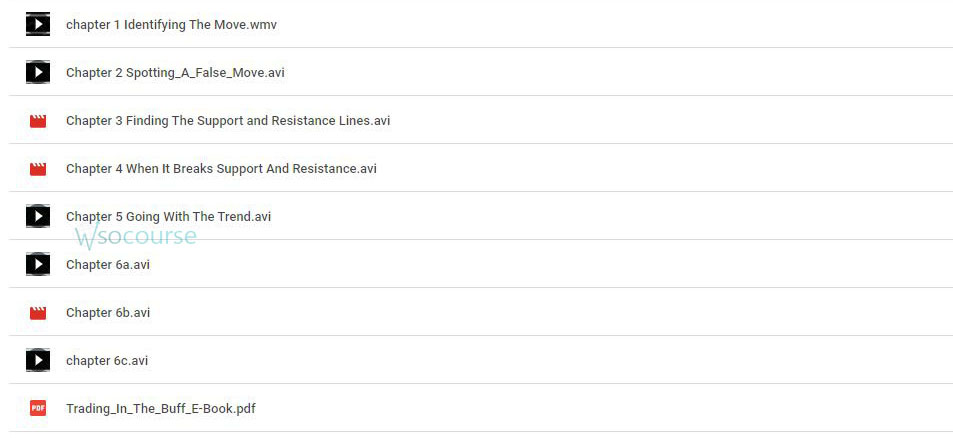
Trading in the Bluff with John Templeton
Introduction
John Templeton, a pioneer in global investing, offers invaluable insights into the world of trading. In his guide, “Trading in the Bluff,” Templeton shares strategies that combine shrewd market analysis with the art of bluffing. This article delves into the key concepts from Templeton’s guide, providing practical advice for traders looking to enhance their skills and achieve success.
Understanding Bluffing in Trading
What is Bluffing?
Bluffing in trading involves creating a perception of market conditions or intentions that may not necessarily align with reality. It’s a strategic tool used to influence market behavior and gain an advantage.
Why Bluffing Matters
Bluffing can help traders protect their positions, manage market expectations, and create opportunities. When used wisely, it can be a powerful component of a trader’s toolkit.
The Role of Psychology in Trading
Understanding Market Psychology
Market movements are often driven by investor sentiment and psychology. Understanding these factors can help traders anticipate market reactions and make informed decisions.
Emotional Discipline
Maintaining emotional discipline is crucial for effective trading. Successful traders control their emotions, avoid impulsive decisions, and stick to their strategies.
Cognitive Biases
Be aware of cognitive biases such as overconfidence, herd behavior, and loss aversion, which can negatively impact trading decisions.
Key Strategies in “Trading in the Bluff”
Analyzing Market Trends
Templeton emphasizes the importance of thorough market analysis. Traders should analyze historical data, identify trends, and use technical indicators to inform their strategies.
Creating Perception
Bluffing involves creating a perception that influences other market participants. This could involve strategic buying or selling to signal confidence or concern.
Timing the Market
Effective bluffing requires precise timing. Traders must be adept at entering and exiting positions at the right moments to maximize their impact and minimize risk.
Practical Tips for Successful Bluffing
Know Your Limits
Understand your financial limits and risk tolerance. Never risk more than you can afford to lose, and always have a clear exit strategy.
Use Stop-Loss Orders
Implement stop-loss orders to protect your positions from significant losses. This safety net allows you to manage risk while employing bluffing strategies.
Diversify Your Portfolio
Diversification reduces risk by spreading investments across different asset classes and sectors. This helps mitigate the impact of any single investment’s poor performance.
Tools and Techniques for Bluffing
Technical Analysis Tools
Utilize technical analysis tools such as moving averages, Bollinger Bands, and Relative Strength Index (RSI) to identify potential bluffing opportunities.
Fundamental Analysis
Combine bluffing with fundamental analysis to ensure your strategies are grounded in solid financial data. This approach enhances the credibility of your bluffs.
Market Indicators
Keep an eye on market indicators like volume, volatility, and sentiment indexes. These indicators can provide insights into market conditions and potential bluffing opportunities.
Case Studies: Successful Bluffing
Case Study 1: Strategic Selling
A trader strategically sells a portion of their holdings in a stock to signal a lack of confidence, causing a temporary dip in the stock price. They then buy back at a lower price, capitalizing on the market’s reaction.
Case Study 2: Market Entry Bluff
A trader makes a large buy order in a relatively illiquid market, creating a perception of strong demand. This attracts other buyers, driving up the price, allowing the initial trader to sell at a profit.
Risks and Challenges of Bluffing
Market Misinterpretation
There’s always a risk that the market will misinterpret your bluff, leading to unintended consequences. Clear and strategic communication is key to effective bluffing.
Ethical Considerations
Bluffing walks a fine line between strategy and manipulation. Traders must consider the ethical implications and ensure their actions comply with market regulations.
Over-Reliance on Bluffing
Relying too heavily on bluffing can be risky. It’s essential to balance bluffing with solid trading fundamentals and not depend solely on deception.
Developing a Bluffing Strategy
Define Your Objectives
Clearly define what you aim to achieve with your bluffing strategy. Whether it’s protecting a position or influencing market perception, having clear objectives is crucial.
Plan and Execute
Develop a detailed plan outlining your bluffing strategy, including entry and exit points, risk management techniques, and contingency plans.
Monitor and Adjust
Continuously monitor the market and your positions. Be prepared to adjust your strategy based on changing market conditions and feedback.
Conclusion
“Trading in the Bluff” by John Templeton provides a unique perspective on trading strategies, blending traditional market analysis with the art of bluffing. By understanding market psychology, using technical and fundamental analysis, and employing strategic bluffing, traders can enhance their performance and achieve greater success. Remember, the key to effective bluffing is balance – combine it with sound trading principles and ethical considerations.
FAQs
1. What is the main concept of bluffing in trading?
Bluffing in trading involves creating a perception that influences market behavior, allowing traders to gain an advantage.
2. How can I manage risks when bluffing?
Use stop-loss orders, diversify your portfolio, and understand your financial limits to manage risks effectively.
3. Why is understanding market psychology important in bluffing?
Market psychology drives investor behavior. Understanding it helps traders anticipate market reactions and make informed decisions.
4. What tools can help with bluffing strategies?
Technical analysis tools, fundamental analysis, and market indicators are essential for identifying and executing bluffing strategies.
5. What are the ethical considerations of bluffing in trading?
Bluffing should be done within the bounds of market regulations and ethical standards, avoiding manipulation and ensuring fair market practices.
Be the first to review “Trading in the Bluff with John Templeton”
You must be logged in to post a review.
Related products

Original price was: $799.00.$15.00Current price is: $15.00.
Original price was: $999.00.$5.00Current price is: $5.00.

Forex Trading
Original price was: $397.00.$31.00Current price is: $31.00.
Original price was: $1,800.00.$54.00Current price is: $54.00.

Forex Trading
Original price was: $1,898.00.$10.00Current price is: $10.00.

Original price was: $1,200.00.$23.00Current price is: $23.00.

Forex Trading
Original price was: $4,997.00.$27.00Current price is: $27.00.

Original price was: $895.00.$15.00Current price is: $15.00.

Original price was: $497.00.$31.00Current price is: $31.00.
Forex Trading
Original price was: $2,000.00.$23.00Current price is: $23.00.

Forex Trading
Original price was: $797.00.$10.00Current price is: $10.00.

Original price was: $4,995.00.$15.00Current price is: $15.00.

Forex Trading
Original price was: $2,997.00.$23.00Current price is: $23.00.

Forex Trading
Original price was: $1,098.00.$39.00Current price is: $39.00.
Original price was: $299.00.$8.00Current price is: $8.00.

Original price was: $2,120.00.$15.00Current price is: $15.00.

Original price was: $1,849.00.$15.00Current price is: $15.00.

Original price was: $197.00.$5.00Current price is: $5.00.

Forex Trading
Original price was: $125.00.$17.00Current price is: $17.00.

Forex Trading
Original price was: $697.00.$5.00Current price is: $5.00.

Reviews
There are no reviews yet.