
-
×
 Ultimate Candlestick Bootcamp & B2 Reversal Indicator & Scanner with Steady Trader Secrets
1 × $23.00
Ultimate Candlestick Bootcamp & B2 Reversal Indicator & Scanner with Steady Trader Secrets
1 × $23.00 -
×
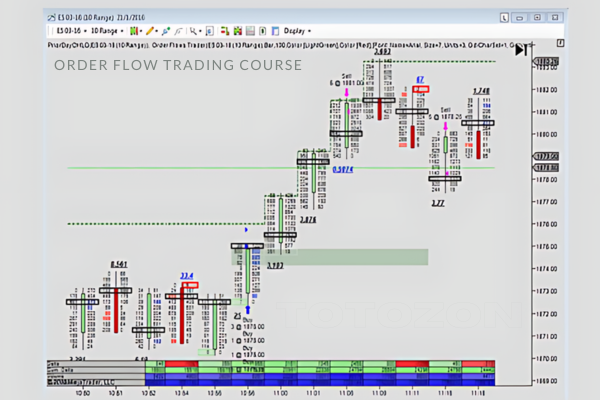 Order Flow Trading Course with Orderflows
1 × $23.00
Order Flow Trading Course with Orderflows
1 × $23.00 -
×
 Crystal Ball Pack PLUS bonus Live Trade By Pat Mitchell - Trick Trades
1 × $20.00
Crystal Ball Pack PLUS bonus Live Trade By Pat Mitchell - Trick Trades
1 × $20.00 -
×
 John Carter SimplerOptions John Trade TSLA Live on TOS Making 1.5 Million Dollars 2014-01-15
1 × $6.00
John Carter SimplerOptions John Trade TSLA Live on TOS Making 1.5 Million Dollars 2014-01-15
1 × $6.00 -
×
 The Next Great Bubble Boom: How to Profit from the Greatest Boom in History with Harry S.Dent
1 × $6.00
The Next Great Bubble Boom: How to Profit from the Greatest Boom in History with Harry S.Dent
1 × $6.00 -
×
 Mechanising Some of the World’s Classic Trading Systems with Murray Ruggiero
1 × $7.00
Mechanising Some of the World’s Classic Trading Systems with Murray Ruggiero
1 × $7.00 -
×
 VagaFX Academy Course with VAGAFX
1 × $41.00
VagaFX Academy Course with VAGAFX
1 × $41.00 -
×
 FX GOAT CURRENCIES COURSE 2.0
1 × $13.00
FX GOAT CURRENCIES COURSE 2.0
1 × $13.00 -
×
 Stock Trading Success System 14 DVD with Steve Nison & Ken Calhoun
1 × $23.00
Stock Trading Success System 14 DVD with Steve Nison & Ken Calhoun
1 × $23.00 -
×
 Jack Corsellis Bundle 2021 Full Course with Jack Corsellis
1 × $5.00
Jack Corsellis Bundle 2021 Full Course with Jack Corsellis
1 × $5.00 -
×
 Mastering Daily Option Trading with Option Pit
1 × $93.00
Mastering Daily Option Trading with Option Pit
1 × $93.00 -
×
 Tradematic Trading Strategy
1 × $31.00
Tradematic Trading Strategy
1 × $31.00 -
×
 Cryptocurrency Investment Course 2021 Fund your Retirement with Suppoman
1 × $5.00
Cryptocurrency Investment Course 2021 Fund your Retirement with Suppoman
1 × $5.00 -
×
 The Best of the Professional Traders Journal: Day Trading with Larry Connors
1 × $6.00
The Best of the Professional Traders Journal: Day Trading with Larry Connors
1 × $6.00 -
×
 Best of the Best: Collars with Amy Meissner & Scott Ruble
1 × $15.00
Best of the Best: Collars with Amy Meissner & Scott Ruble
1 × $15.00 -
×
 Unlocking Success in ICT 2022 Mentorship: The Smart Money Guide to The Full ICT Day Trading Model by LumiTraders & Darya Filipenka
1 × $5.00
Unlocking Success in ICT 2022 Mentorship: The Smart Money Guide to The Full ICT Day Trading Model by LumiTraders & Darya Filipenka
1 × $5.00 -
×
 Fig Combo Course
1 × $5.00
Fig Combo Course
1 × $5.00 -
×
 The Winning Secret
1 × $23.00
The Winning Secret
1 × $23.00 -
×
 Introduction To Advanced Options Trading 201
1 × $23.00
Introduction To Advanced Options Trading 201
1 × $23.00 -
×
 The BFI Trading Course
1 × $6.00
The BFI Trading Course
1 × $6.00 -
×
 Bond Market Course with The Macro Compass
1 × $15.00
Bond Market Course with The Macro Compass
1 × $15.00 -
×
 The Indices Orderflow Masterclass with The Forex Scalpers
1 × $23.00
The Indices Orderflow Masterclass with The Forex Scalpers
1 × $23.00 -
×
 Butterfly and Condor Workshop with Aeromir
1 × $15.00
Butterfly and Condor Workshop with Aeromir
1 × $15.00 -
×
 Investors Live Textbook Trading DVD
1 × $15.00
Investors Live Textbook Trading DVD
1 × $15.00 -
×
 FluxOrion By Back To The Future Trading
1 × $6.00
FluxOrion By Back To The Future Trading
1 × $6.00 -
×
 Value Investing Today with Charles Brandes
1 × $6.00
Value Investing Today with Charles Brandes
1 × $6.00 -
×
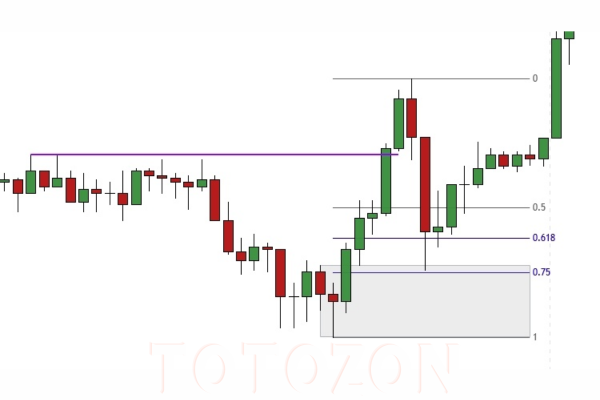 Trading with Fibonacci and Market Structure - Price Action Volume Trader
1 × $23.00
Trading with Fibonacci and Market Structure - Price Action Volume Trader
1 × $23.00 -
×
 Price Action Forex Trading Strategies Training Course & Members Videos with Nial Fuller
1 × $28.00
Price Action Forex Trading Strategies Training Course & Members Videos with Nial Fuller
1 × $28.00 -
×
 Zeus Capital (ZCFX) Full Mentorship Course
1 × $13.00
Zeus Capital (ZCFX) Full Mentorship Course
1 × $13.00 -
×
 Order flow self-study training program with iMFtracker
1 × $10.00
Order flow self-study training program with iMFtracker
1 × $10.00 -
×
 Tradingology Home Study Options Course
1 × $23.00
Tradingology Home Study Options Course
1 × $23.00 -
×
 The Option Pit VIX Primer
1 × $31.00
The Option Pit VIX Primer
1 × $31.00 -
×
 Market Magic: Riding the Greatest Bull Market of the Century with Louise Yamada
1 × $6.00
Market Magic: Riding the Greatest Bull Market of the Century with Louise Yamada
1 × $6.00 -
×
 Trading Pairs: Capturing Profits and Hedging Risk with Statistical Arbitrage Strategies - Mark Whistler
1 × $6.00
Trading Pairs: Capturing Profits and Hedging Risk with Statistical Arbitrage Strategies - Mark Whistler
1 × $6.00 -
×
 Price Headley - Using Williams %R The BigTrends Way
1 × $6.00
Price Headley - Using Williams %R The BigTrends Way
1 × $6.00 -
×
 JimDandy’s Mql4 Courses - All Lessons
1 × $6.00
JimDandy’s Mql4 Courses - All Lessons
1 × $6.00 -
×
 NoBSFX Trading Workshop with Jaime Johnson
1 × $23.00
NoBSFX Trading Workshop with Jaime Johnson
1 × $23.00 -
×
 Forex Never Lose Trade & Forex Unknown Secret with Karl Dittmann
1 × $6.00
Forex Never Lose Trade & Forex Unknown Secret with Karl Dittmann
1 × $6.00 -
×
 Millard on Channel Analysis: The key to Share Price Prediction (2nd Ed.) with Brian Millard
1 × $6.00
Millard on Channel Analysis: The key to Share Price Prediction (2nd Ed.) with Brian Millard
1 × $6.00 -
×
 Tick By Tick By Alphonso Esposito - TradeSmart
1 × $6.00
Tick By Tick By Alphonso Esposito - TradeSmart
1 × $6.00 -
×
 Trading Indicators NT7
1 × $85.00
Trading Indicators NT7
1 × $85.00 -
×
 Monthly Mastermind
1 × $6.00
Monthly Mastermind
1 × $6.00 -
×
 Breakout And Breakdown Strategies For Daytraders with Chris Tyler
1 × $6.00
Breakout And Breakdown Strategies For Daytraders with Chris Tyler
1 × $6.00 -
×
 TTM Slingshot & Value Charts Indicators
1 × $6.00
TTM Slingshot & Value Charts Indicators
1 × $6.00 -
×
 Breakouts with Feibel Trading
1 × $5.00
Breakouts with Feibel Trading
1 × $5.00 -
×
 The Sixth Market. The Electronic Investor Revolution with Howard Abell
1 × $6.00
The Sixth Market. The Electronic Investor Revolution with Howard Abell
1 × $6.00 -
×
 The Complete Guide to Multiple Time Frame Analysis & Reading Price Action with Aiman Almansoori
1 × $13.00
The Complete Guide to Multiple Time Frame Analysis & Reading Price Action with Aiman Almansoori
1 × $13.00 -
×
 Online Trading Academy Professional Trader Series (7 Day Complete)
1 × $6.00
Online Trading Academy Professional Trader Series (7 Day Complete)
1 × $6.00 -
×
 Workshop Earnings Powerplay with Base Camp Trading
1 × $17.00
Workshop Earnings Powerplay with Base Camp Trading
1 × $17.00 -
×
 Astro FX 2.0
1 × $6.00
Astro FX 2.0
1 × $6.00 -
×
 The ETF Handbook, + website: How to Value and Trade Exchange Traded Funds (1st Edition) with David Abner
1 × $6.00
The ETF Handbook, + website: How to Value and Trade Exchange Traded Funds (1st Edition) with David Abner
1 × $6.00 -
×
 Advanced Spread Trading with Guy Bower - MasterClass Trader
1 × $15.00
Advanced Spread Trading with Guy Bower - MasterClass Trader
1 × $15.00 -
×
 SOT Intermediate Course (May 2014)
1 × $23.00
SOT Intermediate Course (May 2014)
1 × $23.00 -
×
 Fear Factor Breakout Trading System with Wbprofittrader
1 × $31.00
Fear Factor Breakout Trading System with Wbprofittrader
1 × $31.00 -
×
 The Winning Watch-List with Ryan Mallory
1 × $31.00
The Winning Watch-List with Ryan Mallory
1 × $31.00 -
×
 Ultimate Scalping Masterclass 4.0 with RockzFX Academy
1 × $6.00
Ultimate Scalping Masterclass 4.0 with RockzFX Academy
1 × $6.00 -
×
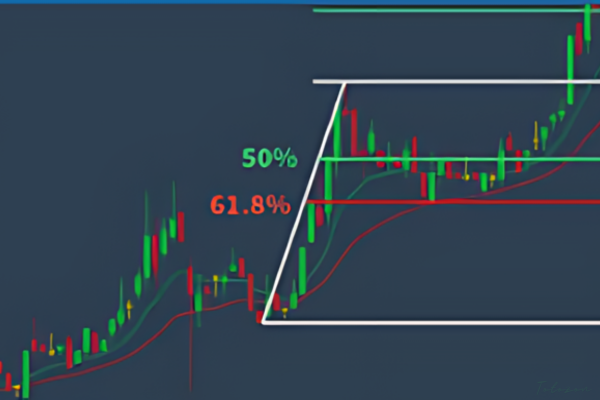 Advanced Fibonacci Course with Major League Trading
1 × $23.00
Advanced Fibonacci Course with Major League Trading
1 × $23.00 -
×
 Investing With Giants: Tried and True Stocks That Have Sustained the Test of Time with Linda T.Mead
1 × $6.00
Investing With Giants: Tried and True Stocks That Have Sustained the Test of Time with Linda T.Mead
1 × $6.00 -
×
 Comfort Zone Investing: How to Tailor Your Portfolio for High Returns and Peace of Mind with Gillette Edmunds
1 × $6.00
Comfort Zone Investing: How to Tailor Your Portfolio for High Returns and Peace of Mind with Gillette Edmunds
1 × $6.00 -
×
 The Oxford Handbook of Political Theory with John Dryzek, Bonnie Honig & Anne Phillips
1 × $6.00
The Oxford Handbook of Political Theory with John Dryzek, Bonnie Honig & Anne Phillips
1 × $6.00 -
×
 Total Fibonacci Trading with TradeSmart University
1 × $31.00
Total Fibonacci Trading with TradeSmart University
1 × $31.00 -
×
 TrimTabs Investing with Charles Biderman & David Santschi
1 × $6.00
TrimTabs Investing with Charles Biderman & David Santschi
1 × $6.00 -
×
 How to Trade Stock Options Course
1 × $6.00
How to Trade Stock Options Course
1 × $6.00 -
×
 Lifetime Membership
1 × $840.00
Lifetime Membership
1 × $840.00 -
×
 Definitive Guide to Order Execution Class with Don Kaufman
1 × $6.00
Definitive Guide to Order Execution Class with Don Kaufman
1 × $6.00 -
×
 Ultimate Trading Course with Dodgy's Dungeon
1 × $8.00
Ultimate Trading Course with Dodgy's Dungeon
1 × $8.00 -
×
 Supreme Ecom Blueprint - Updated 2020
1 × $31.00
Supreme Ecom Blueprint - Updated 2020
1 × $31.00 -
×
 Essentials in Quantitative Trading QT01 By HangukQuant's
1 × $23.00
Essentials in Quantitative Trading QT01 By HangukQuant's
1 × $23.00

Trading in the Bluff with John Templeton
$6.00
File Size: Coming soon!
Delivery Time: 1–12 hours
Media Type: Online Course
Content Proof: Watch Here!
You may check content proof of “Trading in the Bluff with John Templeton” below:
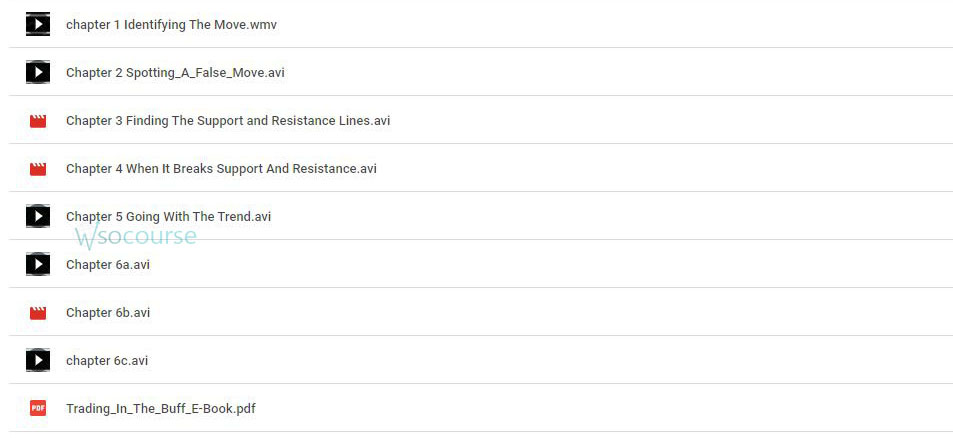
Trading in the Bluff with John Templeton
Introduction
John Templeton, a pioneer in global investing, offers invaluable insights into the world of trading. In his guide, “Trading in the Bluff,” Templeton shares strategies that combine shrewd market analysis with the art of bluffing. This article delves into the key concepts from Templeton’s guide, providing practical advice for traders looking to enhance their skills and achieve success.
Understanding Bluffing in Trading
What is Bluffing?
Bluffing in trading involves creating a perception of market conditions or intentions that may not necessarily align with reality. It’s a strategic tool used to influence market behavior and gain an advantage.
Why Bluffing Matters
Bluffing can help traders protect their positions, manage market expectations, and create opportunities. When used wisely, it can be a powerful component of a trader’s toolkit.
The Role of Psychology in Trading
Understanding Market Psychology
Market movements are often driven by investor sentiment and psychology. Understanding these factors can help traders anticipate market reactions and make informed decisions.
Emotional Discipline
Maintaining emotional discipline is crucial for effective trading. Successful traders control their emotions, avoid impulsive decisions, and stick to their strategies.
Cognitive Biases
Be aware of cognitive biases such as overconfidence, herd behavior, and loss aversion, which can negatively impact trading decisions.
Key Strategies in “Trading in the Bluff”
Analyzing Market Trends
Templeton emphasizes the importance of thorough market analysis. Traders should analyze historical data, identify trends, and use technical indicators to inform their strategies.
Creating Perception
Bluffing involves creating a perception that influences other market participants. This could involve strategic buying or selling to signal confidence or concern.
Timing the Market
Effective bluffing requires precise timing. Traders must be adept at entering and exiting positions at the right moments to maximize their impact and minimize risk.
Practical Tips for Successful Bluffing
Know Your Limits
Understand your financial limits and risk tolerance. Never risk more than you can afford to lose, and always have a clear exit strategy.
Use Stop-Loss Orders
Implement stop-loss orders to protect your positions from significant losses. This safety net allows you to manage risk while employing bluffing strategies.
Diversify Your Portfolio
Diversification reduces risk by spreading investments across different asset classes and sectors. This helps mitigate the impact of any single investment’s poor performance.
Tools and Techniques for Bluffing
Technical Analysis Tools
Utilize technical analysis tools such as moving averages, Bollinger Bands, and Relative Strength Index (RSI) to identify potential bluffing opportunities.
Fundamental Analysis
Combine bluffing with fundamental analysis to ensure your strategies are grounded in solid financial data. This approach enhances the credibility of your bluffs.
Market Indicators
Keep an eye on market indicators like volume, volatility, and sentiment indexes. These indicators can provide insights into market conditions and potential bluffing opportunities.
Case Studies: Successful Bluffing
Case Study 1: Strategic Selling
A trader strategically sells a portion of their holdings in a stock to signal a lack of confidence, causing a temporary dip in the stock price. They then buy back at a lower price, capitalizing on the market’s reaction.
Case Study 2: Market Entry Bluff
A trader makes a large buy order in a relatively illiquid market, creating a perception of strong demand. This attracts other buyers, driving up the price, allowing the initial trader to sell at a profit.
Risks and Challenges of Bluffing
Market Misinterpretation
There’s always a risk that the market will misinterpret your bluff, leading to unintended consequences. Clear and strategic communication is key to effective bluffing.
Ethical Considerations
Bluffing walks a fine line between strategy and manipulation. Traders must consider the ethical implications and ensure their actions comply with market regulations.
Over-Reliance on Bluffing
Relying too heavily on bluffing can be risky. It’s essential to balance bluffing with solid trading fundamentals and not depend solely on deception.
Developing a Bluffing Strategy
Define Your Objectives
Clearly define what you aim to achieve with your bluffing strategy. Whether it’s protecting a position or influencing market perception, having clear objectives is crucial.
Plan and Execute
Develop a detailed plan outlining your bluffing strategy, including entry and exit points, risk management techniques, and contingency plans.
Monitor and Adjust
Continuously monitor the market and your positions. Be prepared to adjust your strategy based on changing market conditions and feedback.
Conclusion
“Trading in the Bluff” by John Templeton provides a unique perspective on trading strategies, blending traditional market analysis with the art of bluffing. By understanding market psychology, using technical and fundamental analysis, and employing strategic bluffing, traders can enhance their performance and achieve greater success. Remember, the key to effective bluffing is balance – combine it with sound trading principles and ethical considerations.
FAQs
1. What is the main concept of bluffing in trading?
Bluffing in trading involves creating a perception that influences market behavior, allowing traders to gain an advantage.
2. How can I manage risks when bluffing?
Use stop-loss orders, diversify your portfolio, and understand your financial limits to manage risks effectively.
3. Why is understanding market psychology important in bluffing?
Market psychology drives investor behavior. Understanding it helps traders anticipate market reactions and make informed decisions.
4. What tools can help with bluffing strategies?
Technical analysis tools, fundamental analysis, and market indicators are essential for identifying and executing bluffing strategies.
5. What are the ethical considerations of bluffing in trading?
Bluffing should be done within the bounds of market regulations and ethical standards, avoiding manipulation and ensuring fair market practices.
Be the first to review “Trading in the Bluff with John Templeton”
You must be logged in to post a review.
Related products
Original price was: $895.00.$15.00Current price is: $15.00.

Original price was: $299.00.$8.00Current price is: $8.00.

Original price was: $1,200.00.$23.00Current price is: $23.00.

Original price was: $139.00.$23.00Current price is: $23.00.

Forex Trading
Original price was: $2,000.00.$23.00Current price is: $23.00.

Forex Trading
Quantamentals – The Next Great Forefront Of Trading and Investing with Trading Markets
Original price was: $1,495.00.$8.00Current price is: $8.00.

Original price was: $497.00.$31.00Current price is: $31.00.

Original price was: $695.00.$41.00Current price is: $41.00.

Original price was: $997.00.$13.00Current price is: $13.00.
Forex Trading
Original price was: $499.00.$15.00Current price is: $15.00.

Forex Trading
Original price was: $125.00.$17.00Current price is: $17.00.
Original price was: $649.00.$20.00Current price is: $20.00.

Forex Trading
Original price was: $500.00.$5.00Current price is: $5.00.

Forex Trading
Original price was: $397.00.$31.00Current price is: $31.00.

Original price was: $497.00.$11.00Current price is: $11.00.

Original price was: $1,800.00.$54.00Current price is: $54.00.

Forex Trading
Original price was: $797.00.$10.00Current price is: $10.00.

Forex Trading
Original price was: $550.00.$5.00Current price is: $5.00.

Original price was: $197.00.$5.00Current price is: $5.00.

Original price was: $2,120.00.$15.00Current price is: $15.00.

Reviews
There are no reviews yet.