
-
×
 Yes You Can Time the Market! with Ben Stein
1 × $6.00
Yes You Can Time the Market! with Ben Stein
1 × $6.00 -
×
 The Three Secrets to Trading Momentum Indicators with David Penn
1 × $6.00
The Three Secrets to Trading Momentum Indicators with David Penn
1 × $6.00 -
×
 Physicists on Wall Street and Other Essays on Science and Society with Jeremy Bernstein
1 × $6.00
Physicists on Wall Street and Other Essays on Science and Society with Jeremy Bernstein
1 × $6.00 -
×
 Gann Course (Video & Audio 1.1 GB)
1 × $6.00
Gann Course (Video & Audio 1.1 GB)
1 × $6.00 -
×
 Quantamentals - The Next Great Forefront Of Trading and Investing with Trading Markets
1 × $8.00
Quantamentals - The Next Great Forefront Of Trading and Investing with Trading Markets
1 × $8.00 -
×
 NetPicks - Universal Market Trader Course
1 × $6.00
NetPicks - Universal Market Trader Course
1 × $6.00 -
×
 Forex Master Class with Falcon Trading Academy
1 × $5.00
Forex Master Class with Falcon Trading Academy
1 × $5.00 -
×
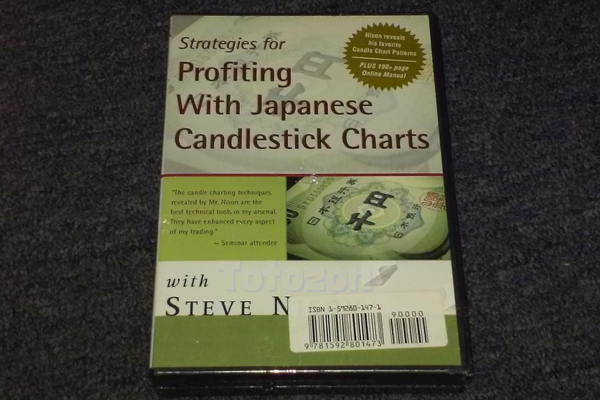 Strategies for Profiting with Japanese Candlestick Charts
1 × $6.00
Strategies for Profiting with Japanese Candlestick Charts
1 × $6.00 -
×
 Greg Capra – 5 Pristine Trading DVD’s
1 × $31.00
Greg Capra – 5 Pristine Trading DVD’s
1 × $31.00 -
×
 Six Setups Using Ichimoku Kinkō Hyō with Alphashark
1 × $15.00
Six Setups Using Ichimoku Kinkō Hyō with Alphashark
1 × $15.00 -
×
 Algo Trading Masterclass with Ali Casey - StatOasis
1 × $23.00
Algo Trading Masterclass with Ali Casey - StatOasis
1 × $23.00 -
×
 Learning Track: Quantitative Approach in Options Trading
1 × $39.00
Learning Track: Quantitative Approach in Options Trading
1 × $39.00 -
×
 The Perfect Execution 1-Minute Strategy Course
1 × $6.00
The Perfect Execution 1-Minute Strategy Course
1 × $6.00 -
×
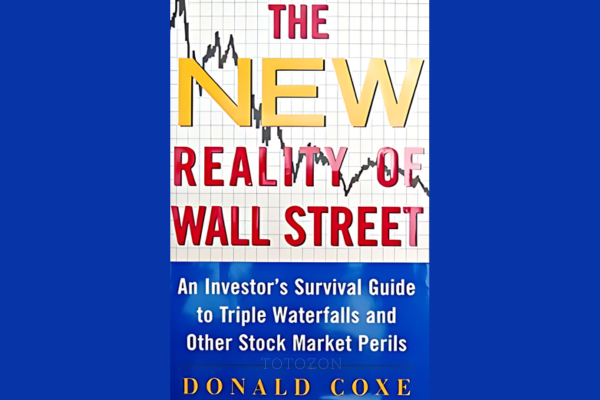 The New Reality Of Wall Street with Donald Coxe
1 × $6.00
The New Reality Of Wall Street with Donald Coxe
1 × $6.00 -
×
 Activedaytrader - Bond Trading Bootcamp
1 × $8.00
Activedaytrader - Bond Trading Bootcamp
1 × $8.00 -
×
 Zeus Capital (ZCFX) Full Mentorship Course
1 × $13.00
Zeus Capital (ZCFX) Full Mentorship Course
1 × $13.00 -
×
 New York Super Conference 2016 Videos
1 × $31.00
New York Super Conference 2016 Videos
1 × $31.00 -
×
 AutoTrader-Fully Automated Trading System with Trading123
1 × $46.00
AutoTrader-Fully Automated Trading System with Trading123
1 × $46.00 -
×
 Forex Mastery with Willis University
1 × $6.00
Forex Mastery with Willis University
1 × $6.00 -
×
 Learn to Make Money Trading Options
1 × $6.00
Learn to Make Money Trading Options
1 × $6.00 -
×
 Bulk REO 2.0
1 × $23.00
Bulk REO 2.0
1 × $23.00 -
×
 ZipTraderU 2023 with ZipTrader
1 × $5.00
ZipTraderU 2023 with ZipTrader
1 × $5.00 -
×
 Butterfly's Guide to Weekly Returns with Don Kaufman
1 × $6.00
Butterfly's Guide to Weekly Returns with Don Kaufman
1 × $6.00 -
×
 QuantZilla
1 × $39.00
QuantZilla
1 × $39.00 -
×
 Triple Play Trading Ideas & Mentoring with MarketGauge
1 × $54.00
Triple Play Trading Ideas & Mentoring with MarketGauge
1 × $54.00 -
×
 Mastering Trading Stress with Ari Kiev
1 × $6.00
Mastering Trading Stress with Ari Kiev
1 × $6.00 -
×
 Breakthroughs in Commodity Technical Analysis with J.D.Hamon
1 × $6.00
Breakthroughs in Commodity Technical Analysis with J.D.Hamon
1 × $6.00 -
×
 Be Smart, Act Fast, Get Rich with Charles Payne
1 × $6.00
Be Smart, Act Fast, Get Rich with Charles Payne
1 × $6.00 -
×
 Market Maker’s Method Dec 2010 (PDF, MT4 Indicators, Video 600 MB)
1 × $6.00
Market Maker’s Method Dec 2010 (PDF, MT4 Indicators, Video 600 MB)
1 × $6.00 -
×
 Instant Cash With Judgment Liens with Mike Warren
1 × $6.00
Instant Cash With Judgment Liens with Mike Warren
1 × $6.00 -
×
 Equity Derivates with Marcus Overhaus, Andrew Ferraris, Thomas Knudsen, Ross Milward, Laurent Nguyen-Ngoc & Gero Schindlmayr
1 × $6.00
Equity Derivates with Marcus Overhaus, Andrew Ferraris, Thomas Knudsen, Ross Milward, Laurent Nguyen-Ngoc & Gero Schindlmayr
1 × $6.00 -
×
 The Complete Day Trading Course (New 2020)
1 × $6.00
The Complete Day Trading Course (New 2020)
1 × $6.00 -
×
 Trading the Pristine Method 2008 (Videos & Workbooks) with Pristine
1 × $4.00
Trading the Pristine Method 2008 (Videos & Workbooks) with Pristine
1 × $4.00 -
×
 Ambush Trading Method (EBOOK) with MARCO MAYER - Trading Educators
1 × $256.00
Ambush Trading Method (EBOOK) with MARCO MAYER - Trading Educators
1 × $256.00 -
×
 Manage By The Greeks 2016 with Sheridan
1 × $6.00
Manage By The Greeks 2016 with Sheridan
1 × $6.00 -
×
 Understanding Spreads with Edward Dobson & Roger Reimer
1 × $6.00
Understanding Spreads with Edward Dobson & Roger Reimer
1 × $6.00 -
×
 PDFT (Price Driven Forex Trading) Course with Avi Frister
1 × $6.00
PDFT (Price Driven Forex Trading) Course with Avi Frister
1 × $6.00 -
×
 The Future of Technology with Tom Standage
1 × $4.00
The Future of Technology with Tom Standage
1 × $4.00 -
×
 Trading the E-Minis Successfully For A Living 3 Day with Chris Curran with Chris Curran's Live Web Seminar
1 × $6.00
Trading the E-Minis Successfully For A Living 3 Day with Chris Curran with Chris Curran's Live Web Seminar
1 × $6.00 -
×
 The Golden Rule with Jim Gibbons
1 × $6.00
The Golden Rule with Jim Gibbons
1 × $6.00 -
×
 Auction Dashboard
1 × $15.00
Auction Dashboard
1 × $15.00 -
×
 The Liquidity Theory of Asset Prices with Gordon Pepper & Michael Oliver
1 × $6.00
The Liquidity Theory of Asset Prices with Gordon Pepper & Michael Oliver
1 × $6.00 -
×
 The Orderflows Trade Opportunities Encyclopedia with Michael Valtos
1 × $8.00
The Orderflows Trade Opportunities Encyclopedia with Michael Valtos
1 × $8.00 -
×
 Pring on Price Patterns with Martin Pring
1 × $6.00
Pring on Price Patterns with Martin Pring
1 × $6.00 -
×
 White Phoenix’s The Smart (Money) Approach to Trading with Jayson Casper
1 × $39.00
White Phoenix’s The Smart (Money) Approach to Trading with Jayson Casper
1 × $39.00 -
×
 30 Days to Market Mastery: A Step-by-Step Guide to Profitable Trading with Jack Bernstein
1 × $6.00
30 Days to Market Mastery: A Step-by-Step Guide to Profitable Trading with Jack Bernstein
1 × $6.00 -
×
 Trend Hunter Strategy
1 × $5.00
Trend Hunter Strategy
1 × $5.00 -
×
 Enhancing Technical Analysis with Planetary Price & Price Factors
1 × $6.00
Enhancing Technical Analysis with Planetary Price & Price Factors
1 × $6.00 -
×
 The Complete Guide to Multiple Time Frame Analysis & Reading Price Action with Aiman Almansoori
1 × $13.00
The Complete Guide to Multiple Time Frame Analysis & Reading Price Action with Aiman Almansoori
1 × $13.00 -
×
 VIP - One on One Coursework with Talkin Options
1 × $15.00
VIP - One on One Coursework with Talkin Options
1 × $15.00 -
×
 Unlearn and Relearn with Market Fluidity
1 × $6.00
Unlearn and Relearn with Market Fluidity
1 × $6.00 -
×
 NoBSFX Trading Workshop with Jaime Johnson
1 × $23.00
NoBSFX Trading Workshop with Jaime Johnson
1 × $23.00 -
×
 Change Happens. Do You Profit Or Does Someone Else (Traders Expo Las Vegas Dec 2005) by Tobin Smith
1 × $6.00
Change Happens. Do You Profit Or Does Someone Else (Traders Expo Las Vegas Dec 2005) by Tobin Smith
1 × $6.00 -
×
 Constellation Software
1 × $85.00
Constellation Software
1 × $85.00 -
×
 The Best (Public) Trading Methods I’ve Found for Futures & Equities with Perry J.Kaufman
1 × $6.00
The Best (Public) Trading Methods I’ve Found for Futures & Equities with Perry J.Kaufman
1 × $6.00 -
×
 Options on Futures Trading Course
1 × $15.00
Options on Futures Trading Course
1 × $15.00 -
×
 The Complete Guide To Futures & Commodities Trading with Stephen Jennings
1 × $6.00
The Complete Guide To Futures & Commodities Trading with Stephen Jennings
1 × $6.00 -
×
 Investing Classroom 2022 with Danny Devan
1 × $15.00
Investing Classroom 2022 with Danny Devan
1 × $15.00 -
×
 Crypto Trading Academy with Cheeky Investor - Aussie Day Trader
1 × $13.00
Crypto Trading Academy with Cheeky Investor - Aussie Day Trader
1 × $13.00 -
×
 Master The Art of Technical Analysis with Raul Gonzalez
1 × $31.00
Master The Art of Technical Analysis with Raul Gonzalez
1 × $31.00 -
×
 The Master Indicator with Elite Money Trader
1 × $5.00
The Master Indicator with Elite Money Trader
1 × $5.00 -
×
 Buying and Selling Volatility with Kevin B.Connolly
1 × $6.00
Buying and Selling Volatility with Kevin B.Connolly
1 × $6.00 -
×
 Earnings Boot Camp with Big Trends
1 × $6.00
Earnings Boot Camp with Big Trends
1 × $6.00 -
×
 CyberTrading University – Advanced Stock Course
1 × $31.00
CyberTrading University – Advanced Stock Course
1 × $31.00 -
×
 Market Makers Method Forex Trading with Nick Nechanicky
1 × $5.00
Market Makers Method Forex Trading with Nick Nechanicky
1 × $5.00 -
×
 The Big Picture Collection with Barbara Rockefeller
1 × $6.00
The Big Picture Collection with Barbara Rockefeller
1 × $6.00 -
×
 The STRAT Execution Basics with Jermaine McGruder
1 × $31.00
The STRAT Execution Basics with Jermaine McGruder
1 × $31.00 -
×
 How I Trade Major First-Hour Reversals For Rapid Gains with Kevin Haggerty
1 × $6.00
How I Trade Major First-Hour Reversals For Rapid Gains with Kevin Haggerty
1 × $6.00 -
×
 Workshop Metals Mastery
1 × $23.00
Workshop Metals Mastery
1 × $23.00 -
×
 Jumping Off The Porch with WALLSTREET TRAPPER
1 × $4.00
Jumping Off The Porch with WALLSTREET TRAPPER
1 × $4.00 -
×
 Zm Capitals Full course + Ebook with Zain Mokhles - ZmCapitals
1 × $31.00
Zm Capitals Full course + Ebook with Zain Mokhles - ZmCapitals
1 × $31.00 -
×
 www Trading System Ezine with Alex Krzhechevsky
1 × $6.00
www Trading System Ezine with Alex Krzhechevsky
1 × $6.00 -
×
 Elliott Wave DNA with Nicola Delic
1 × $31.00
Elliott Wave DNA with Nicola Delic
1 × $31.00 -
×
 The Advanced Technical Analysis Trading Course (New 2019)
1 × $6.00
The Advanced Technical Analysis Trading Course (New 2019)
1 × $6.00 -
×
 Capital On Demand Masterclass with Attorney & Nate Dodson
1 × $311.00
Capital On Demand Masterclass with Attorney & Nate Dodson
1 × $311.00 -
×
 Trading Full Circle with Jea Yu
1 × $6.00
Trading Full Circle with Jea Yu
1 × $6.00 -
×
 TRADING NFX Course with Andrew NFX
1 × $5.00
TRADING NFX Course with Andrew NFX
1 × $5.00 -
×
 MorningSwing Method with Austin Passamonte
1 × $6.00
MorningSwing Method with Austin Passamonte
1 × $6.00 -
×
 Trading Strategies for Capital Markets with Joseph Benning
1 × $6.00
Trading Strategies for Capital Markets with Joseph Benning
1 × $6.00 -
×
 Open Trader Pro Training
1 × $23.00
Open Trader Pro Training
1 × $23.00 -
×
 Trading the Elliott Waves with Robert Prechter
1 × $15.00
Trading the Elliott Waves with Robert Prechter
1 × $15.00 -
×
 P&L Accumulation Distribution with Charles Drummond
1 × $4.00
P&L Accumulation Distribution with Charles Drummond
1 × $4.00 -
×
 Pete Fader VSA Course
1 × $6.00
Pete Fader VSA Course
1 × $6.00 -
×
 Zap Seminar - David Stendahl – Day Trading the E-Minis
1 × $6.00
Zap Seminar - David Stendahl – Day Trading the E-Minis
1 × $6.00 -
×
 Computerized Trading with Mark Jurik
1 × $6.00
Computerized Trading with Mark Jurik
1 × $6.00 -
×
 Rhythm of the Moon with Jack Gillen
1 × $4.00
Rhythm of the Moon with Jack Gillen
1 × $4.00 -
×
 Keynes & The Market with Justyn Walsh
1 × $6.00
Keynes & The Market with Justyn Walsh
1 × $6.00 -
×
 Weekly Power Options Strategies
1 × $6.00
Weekly Power Options Strategies
1 × $6.00 -
×
 High Probability Trading Using Elliott Wave And Fibonacci Analysis withVic Patel - Forex Training Group
1 × $10.00
High Probability Trading Using Elliott Wave And Fibonacci Analysis withVic Patel - Forex Training Group
1 × $10.00

Trading in the Bluff with John Templeton
$6.00
File Size: Coming soon!
Delivery Time: 1–12 hours
Media Type: Online Course
Content Proof: Watch Here!
You may check content proof of “Trading in the Bluff with John Templeton” below:
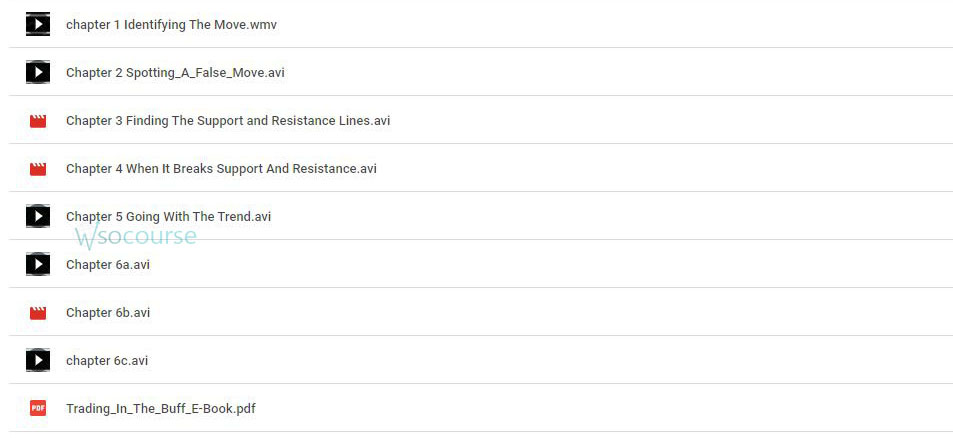
Trading in the Bluff with John Templeton
Introduction
John Templeton, a pioneer in global investing, offers invaluable insights into the world of trading. In his guide, “Trading in the Bluff,” Templeton shares strategies that combine shrewd market analysis with the art of bluffing. This article delves into the key concepts from Templeton’s guide, providing practical advice for traders looking to enhance their skills and achieve success.
Understanding Bluffing in Trading
What is Bluffing?
Bluffing in trading involves creating a perception of market conditions or intentions that may not necessarily align with reality. It’s a strategic tool used to influence market behavior and gain an advantage.
Why Bluffing Matters
Bluffing can help traders protect their positions, manage market expectations, and create opportunities. When used wisely, it can be a powerful component of a trader’s toolkit.
The Role of Psychology in Trading
Understanding Market Psychology
Market movements are often driven by investor sentiment and psychology. Understanding these factors can help traders anticipate market reactions and make informed decisions.
Emotional Discipline
Maintaining emotional discipline is crucial for effective trading. Successful traders control their emotions, avoid impulsive decisions, and stick to their strategies.
Cognitive Biases
Be aware of cognitive biases such as overconfidence, herd behavior, and loss aversion, which can negatively impact trading decisions.
Key Strategies in “Trading in the Bluff”
Analyzing Market Trends
Templeton emphasizes the importance of thorough market analysis. Traders should analyze historical data, identify trends, and use technical indicators to inform their strategies.
Creating Perception
Bluffing involves creating a perception that influences other market participants. This could involve strategic buying or selling to signal confidence or concern.
Timing the Market
Effective bluffing requires precise timing. Traders must be adept at entering and exiting positions at the right moments to maximize their impact and minimize risk.
Practical Tips for Successful Bluffing
Know Your Limits
Understand your financial limits and risk tolerance. Never risk more than you can afford to lose, and always have a clear exit strategy.
Use Stop-Loss Orders
Implement stop-loss orders to protect your positions from significant losses. This safety net allows you to manage risk while employing bluffing strategies.
Diversify Your Portfolio
Diversification reduces risk by spreading investments across different asset classes and sectors. This helps mitigate the impact of any single investment’s poor performance.
Tools and Techniques for Bluffing
Technical Analysis Tools
Utilize technical analysis tools such as moving averages, Bollinger Bands, and Relative Strength Index (RSI) to identify potential bluffing opportunities.
Fundamental Analysis
Combine bluffing with fundamental analysis to ensure your strategies are grounded in solid financial data. This approach enhances the credibility of your bluffs.
Market Indicators
Keep an eye on market indicators like volume, volatility, and sentiment indexes. These indicators can provide insights into market conditions and potential bluffing opportunities.
Case Studies: Successful Bluffing
Case Study 1: Strategic Selling
A trader strategically sells a portion of their holdings in a stock to signal a lack of confidence, causing a temporary dip in the stock price. They then buy back at a lower price, capitalizing on the market’s reaction.
Case Study 2: Market Entry Bluff
A trader makes a large buy order in a relatively illiquid market, creating a perception of strong demand. This attracts other buyers, driving up the price, allowing the initial trader to sell at a profit.
Risks and Challenges of Bluffing
Market Misinterpretation
There’s always a risk that the market will misinterpret your bluff, leading to unintended consequences. Clear and strategic communication is key to effective bluffing.
Ethical Considerations
Bluffing walks a fine line between strategy and manipulation. Traders must consider the ethical implications and ensure their actions comply with market regulations.
Over-Reliance on Bluffing
Relying too heavily on bluffing can be risky. It’s essential to balance bluffing with solid trading fundamentals and not depend solely on deception.
Developing a Bluffing Strategy
Define Your Objectives
Clearly define what you aim to achieve with your bluffing strategy. Whether it’s protecting a position or influencing market perception, having clear objectives is crucial.
Plan and Execute
Develop a detailed plan outlining your bluffing strategy, including entry and exit points, risk management techniques, and contingency plans.
Monitor and Adjust
Continuously monitor the market and your positions. Be prepared to adjust your strategy based on changing market conditions and feedback.
Conclusion
“Trading in the Bluff” by John Templeton provides a unique perspective on trading strategies, blending traditional market analysis with the art of bluffing. By understanding market psychology, using technical and fundamental analysis, and employing strategic bluffing, traders can enhance their performance and achieve greater success. Remember, the key to effective bluffing is balance – combine it with sound trading principles and ethical considerations.
FAQs
1. What is the main concept of bluffing in trading?
Bluffing in trading involves creating a perception that influences market behavior, allowing traders to gain an advantage.
2. How can I manage risks when bluffing?
Use stop-loss orders, diversify your portfolio, and understand your financial limits to manage risks effectively.
3. Why is understanding market psychology important in bluffing?
Market psychology drives investor behavior. Understanding it helps traders anticipate market reactions and make informed decisions.
4. What tools can help with bluffing strategies?
Technical analysis tools, fundamental analysis, and market indicators are essential for identifying and executing bluffing strategies.
5. What are the ethical considerations of bluffing in trading?
Bluffing should be done within the bounds of market regulations and ethical standards, avoiding manipulation and ensuring fair market practices.
Be the first to review “Trading in the Bluff with John Templeton”
You must be logged in to post a review.
Related products

Forex Trading
Original price was: $2,995.00.$31.00Current price is: $31.00.

Original price was: $497.00.$11.00Current price is: $11.00.

Original price was: $4,995.00.$15.00Current price is: $15.00.

Forex Trading
Original price was: $499.00.$15.00Current price is: $15.00.
Forex Trading
Quantamentals – The Next Great Forefront Of Trading and Investing with Trading Markets
Original price was: $1,495.00.$8.00Current price is: $8.00.

Forex Trading
Original price was: $1,898.00.$10.00Current price is: $10.00.
Forex Trading
The Complete Guide to Multiple Time Frame Analysis & Reading Price Action with Aiman Almansoori
Original price was: $1,399.00.$13.00Current price is: $13.00.

Forex Trading
Original price was: $125.00.$17.00Current price is: $17.00.

Original price was: $197.00.$5.00Current price is: $5.00.
Forex Trading
Original price was: $797.00.$10.00Current price is: $10.00.

Original price was: $310.00.$23.00Current price is: $23.00.
Forex Trading
Original price was: $2,000.00.$23.00Current price is: $23.00.

Original price was: $999.00.$5.00Current price is: $5.00.

Original price was: $695.00.$41.00Current price is: $41.00.

Forex Trading
Original price was: $850.00.$23.00Current price is: $23.00.
Original price was: $997.00.$13.00Current price is: $13.00.

Forex Trading
Original price was: $550.00.$5.00Current price is: $5.00.

Original price was: $1,800.00.$54.00Current price is: $54.00.

Forex Trading
Original price was: $239.00.$8.00Current price is: $8.00.

Original price was: $139.00.$23.00Current price is: $23.00.

Reviews
There are no reviews yet.