
-
×
 4 Day Trading Bootcamp
1 × $31.00
4 Day Trading Bootcamp
1 × $31.00 -
×
 Basecamptrading - Naked Trading Part 2
1 × $6.00
Basecamptrading - Naked Trading Part 2
1 × $6.00 -
×
 A Complete Guide to Technical Trading Tactics with John Person
1 × $6.00
A Complete Guide to Technical Trading Tactics with John Person
1 × $6.00 -
×
 Advanced Forex Trading Momentum vs Reversals with Indicators Webinar - Mark Whistler
1 × $6.00
Advanced Forex Trading Momentum vs Reversals with Indicators Webinar - Mark Whistler
1 × $6.00 -
×
 Trading From Your Gut with Curtis Faith
1 × $6.00
Trading From Your Gut with Curtis Faith
1 × $6.00 -
×
 Essentials in Quantitative Trading QT01 By HangukQuant's
1 × $23.00
Essentials in Quantitative Trading QT01 By HangukQuant's
1 × $23.00 -
×
 The Complete Lot Flipper System
1 × $6.00
The Complete Lot Flipper System
1 × $6.00 -
×
 Traders Positioning System with Lee Gettess
1 × $4.00
Traders Positioning System with Lee Gettess
1 × $4.00 -
×
 AllStreet Investing - Master the Market LEVEL 2 - DAYTRADING
1 × $23.00
AllStreet Investing - Master the Market LEVEL 2 - DAYTRADING
1 × $23.00 -
×
 Dhia’s Journal 2022
1 × $6.00
Dhia’s Journal 2022
1 × $6.00 -
×
 Stocks and Bonds with Elaine Scott
1 × $6.00
Stocks and Bonds with Elaine Scott
1 × $6.00 -
×
 Options, Futures & Other Derivatives (5th Ed.)
1 × $6.00
Options, Futures & Other Derivatives (5th Ed.)
1 × $6.00 -
×
 An Introduction to Market Risk Measurement with Kevin Dowd
1 × $6.00
An Introduction to Market Risk Measurement with Kevin Dowd
1 × $6.00 -
×
 FX Childs Play System
1 × $6.00
FX Childs Play System
1 × $6.00 -
×
 Does a Holy Grail Really Exist with John Hayden
1 × $6.00
Does a Holy Grail Really Exist with John Hayden
1 × $6.00 -
×
 Technical Analysis for the Trading Professional with Constance Brown
1 × $6.00
Technical Analysis for the Trading Professional with Constance Brown
1 × $6.00 -
×
 Electronic Trading "TNT" II How - To Win Trading Stuff with Joe Ross & Mark Cherlin
1 × $6.00
Electronic Trading "TNT" II How - To Win Trading Stuff with Joe Ross & Mark Cherlin
1 × $6.00 -
×
 Simpler Options - Weekly Butterflies for Income
1 × $6.00
Simpler Options - Weekly Butterflies for Income
1 × $6.00 -
×
 Trading 3SMA System with Hector DeVille
1 × $6.00
Trading 3SMA System with Hector DeVille
1 × $6.00 -
×
 3 Steps To Supply/Demand + 3 Steps To Market Profile 10% Off Combined Price
1 × $23.00
3 Steps To Supply/Demand + 3 Steps To Market Profile 10% Off Combined Price
1 × $23.00 -
×
 YTC Price Action Trader
1 × $6.00
YTC Price Action Trader
1 × $6.00 -
×
 ETF Profit Driver Course with Bill Poulos
1 × $6.00
ETF Profit Driver Course with Bill Poulos
1 × $6.00 -
×
 A Traders Astrological Almanac (2001 – 2006) with Jeanne Long
1 × $6.00
A Traders Astrological Almanac (2001 – 2006) with Jeanne Long
1 × $6.00 -
×
 I3T3 Complete Course with All Modules
1 × $10.00
I3T3 Complete Course with All Modules
1 × $10.00 -
×
 Bennett McDowell – A Trader’s Money Management System
1 × $6.00
Bennett McDowell – A Trader’s Money Management System
1 × $6.00 -
×
 How To Create Your Own Trading Strategy with Simon Klein - Trade Smart
1 × $5.00
How To Create Your Own Trading Strategy with Simon Klein - Trade Smart
1 × $5.00 -
×
 Research And Trade Like The Pros with Lex Van Dam & James Helliwell
1 × $15.00
Research And Trade Like The Pros with Lex Van Dam & James Helliwell
1 × $15.00 -
×
 Activedaytrader - Workshop: Practical Money Management
1 × $23.00
Activedaytrader - Workshop: Practical Money Management
1 × $23.00 -
×
 Compass Trading System with Right Line Trading
1 × $39.00
Compass Trading System with Right Line Trading
1 × $39.00 -
×
 ACB Forex Trading Suite with ACB Forex Trading Solutions
1 × $6.00
ACB Forex Trading Suite with ACB Forex Trading Solutions
1 × $6.00 -
×
 Masterclass 2.0 with Dave Teaches
1 × $31.00
Masterclass 2.0 with Dave Teaches
1 × $31.00 -
×
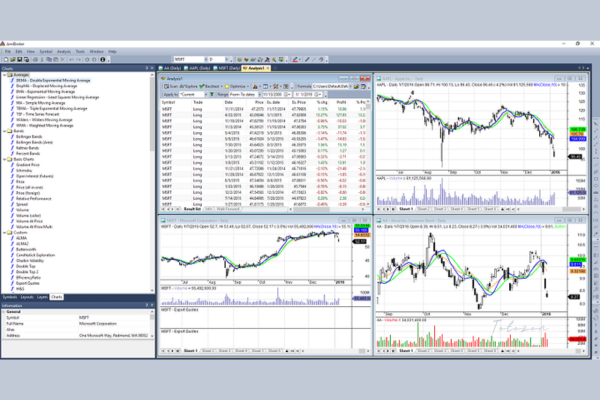 Build a Professional Trading System using Amibroker with Trading Tuitions - Marwood Research
1 × $23.00
Build a Professional Trading System using Amibroker with Trading Tuitions - Marwood Research
1 × $23.00 -
×
 The TFDW Bundle – Tradingfanatic
1 × $15.00
The TFDW Bundle – Tradingfanatic
1 × $15.00 -
×
 ICT Prodigy Trading Course – $650K in Payouts with Alex Solignani
1 × $15.00
ICT Prodigy Trading Course – $650K in Payouts with Alex Solignani
1 × $15.00

Four Steps to Trading Economic Indicators
$6.00
File Size:Coming soon!
Delivery Time: 1–12 hours
Media Type: Online Course
Four Steps to Trading Economic Indicators
Trading based on economic indicators can be a game-changer for your portfolio. By understanding and utilizing these indicators, you can make more informed and strategic trading decisions. Let’s explore the four steps to trading economic indicators effectively.
Understanding Economic Indicators
What Are Economic Indicators?
Economic indicators are statistical data points that reflect the overall health of the economy. These indicators help traders anticipate market movements and make informed trading decisions.
Types of Economic Indicators
- Leading Indicators: Predict future economic activity (e.g., stock market returns).
- Lagging Indicators: Confirm trends in economic activity (e.g., unemployment rates).
- Coincident Indicators: Reflect the current state of the economy (e.g., GDP).
Step 1: Identify Key Economic Indicators
The first step is to identify the most relevant economic indicators for your trading strategy. Not all indicators carry the same weight, so it’s crucial to focus on those that align with your trading goals.
Leading Indicators
- Stock Market Performance: Often predicts economic trends.
- Consumer Confidence Index (CCI): Measures consumer optimism.
- Manufacturing Orders: Indicates future manufacturing activity.
Lagging Indicators
- Unemployment Rate: Shows labor market conditions.
- Inflation Rate: Measures price increases for goods and services.
Coincident Indicators
- Gross Domestic Product (GDP): Overall economic output.
- Retail Sales: Reflects consumer spending.
Step 2: Analyze the Impact of Economic Indicators
Once you’ve identified the key indicators, the next step is to understand their impact on the market. Each indicator can influence different sectors in unique ways.
Positive vs. Negative Data
- Positive Data: Often leads to bullish market reactions.
- Negative Data: Can result in bearish market movements.
Sector-Specific Impacts
- Technology Sector: Highly sensitive to consumer confidence and stock market performance.
- Manufacturing Sector: Influenced by manufacturing orders and industrial production.
Step 3: Develop a Trading Strategy
With a solid understanding of economic indicators and their impacts, it’s time to develop a trading strategy. Your strategy should be tailored to your risk tolerance and trading objectives.
Creating Your Strategy
- Set Clear Goals: Define what you aim to achieve.
- Risk Management: Use stop-loss orders to limit potential losses.
- Diversification: Spread investments across various sectors to mitigate risk.
Example Strategy
- Buy Signal: When the Consumer Confidence Index shows significant improvement.
- Sell Signal: When unemployment rates rise unexpectedly.
Step 4: Stay Informed and Adapt
The final step is to stay informed and be ready to adapt to changing market conditions. Economic indicators can shift, and your strategy needs to be flexible.
Tracking Economic News
- News Outlets: Follow reputable financial news sources.
- Economic Calendars: Keep track of upcoming indicator releases and their expected impacts.
Adapting Your Strategy
- Regular Review: Periodically review and adjust your strategy based on new data.
- Flexibility: Be ready to change your approach if market conditions warrant it.
Benefits of Trading Economic Indicators
Trading economic indicators offers several advantages:
- Informed Decisions: Base trades on concrete data rather than speculation.
- Market Timing: Better timing for entries and exits can lead to improved profitability.
- Risk Reduction: Understanding economic trends helps mitigate risks.
Common Mistakes to Avoid
Even with a robust strategy, there are common mistakes to avoid:
Ignoring Data Releases
Failing to track economic data releases can lead to missed opportunities or unexpected losses.
Overreacting to Single Indicators
Basing trades on a single indicator without considering the broader context can be detrimental.
Advanced Tips for Successful Trading
For those looking to refine their approach, here are some advanced tips:
Combine Indicators
Using a combination of leading, lagging, and coincident indicators can provide a more comprehensive view of the market.
Use Technical Analysis
Complement your understanding of economic indicators with technical analysis tools.
Stay Emotionally Detached
Maintaining an objective perspective can prevent emotional decisions that may lead to losses.
Conclusion
Trading economic indicators is a powerful strategy for making informed and profitable trades. By following these four steps—identifying key indicators, understanding their impact, developing a strategy, and staying informed—you can navigate the complexities of the market with confidence.
Commonly Asked Questions:
- Business Model Innovation: Accept the truth of a legitimate business! Our strategy is organising a group buy in which participants share the costs. We use these cash to acquire popular courses from sale pages and make them available to people with limited financial resources. Despite the authors’ worries, our clients love the cost and accessibility we give.
- The Legal Environment: Yes or No The legality of our activity is ambiguous. While we don’t have specific permission from the course authors to resell the material, there is a technicality at work. The author did not specify any limits on resale when purchasing the course. This legal intricacy is both an opportunity for us and a boon for individuals looking for low-cost access.
- Quality Control: Uncovering the Truth
Getting to the heart of the issue – quality. Purchasing the course straight from the sale page guarantees that all documents and resources are the same as those obtained through traditional channels.
However, we distinguish ourselves by going beyond personal research and resale. It is crucial to note that we are not the official course providers, which means that the following premium services are not included in our package:
- There are no scheduled coaching calls or sessions with the author.
- Access to the author’s private Facebook group or web portal is not permitted.
- No access to the author’s private membership forum.
- There is no direct email support available from the author or their team.
We operate independently, with the goal of bridging the pricing gap without the extra services provided by official course channels. Your comprehension of our distinct approach is much appreciated.
Be the first to review “Four Steps to Trading Economic Indicators”
You must be logged in to post a review.
Related products

Forex Trading
Original price was: $550.00.$5.00Current price is: $5.00.

Forex Trading
Original price was: $397.00.$31.00Current price is: $31.00.

Forex Trading
Original price was: $697.00.$5.00Current price is: $5.00.

Original price was: $310.00.$23.00Current price is: $23.00.

Original price was: $1,800.00.$54.00Current price is: $54.00.

Original price was: $4,995.00.$15.00Current price is: $15.00.
Original price was: $2,120.00.$15.00Current price is: $15.00.

Original price was: $497.00.$11.00Current price is: $11.00.

Forex Trading
Original price was: $249.00.$15.00Current price is: $15.00.

Forex Trading
Original price was: $499.00.$15.00Current price is: $15.00.

Original price was: $649.00.$20.00Current price is: $20.00.

Original price was: $997.00.$8.00Current price is: $8.00.

Forex Trading
Original price was: $500.00.$5.00Current price is: $5.00.

Original price was: $497.00.$31.00Current price is: $31.00.

Original price was: $450.00.$23.00Current price is: $23.00.

Original price was: $895.00.$15.00Current price is: $15.00.

Original price was: $695.00.$41.00Current price is: $41.00.

Forex Trading
Original price was: $4,997.00.$27.00Current price is: $27.00.

Forex Trading
Original price was: $797.00.$10.00Current price is: $10.00.
Forex Trading
Original price was: $850.00.$23.00Current price is: $23.00.

Reviews
There are no reviews yet.